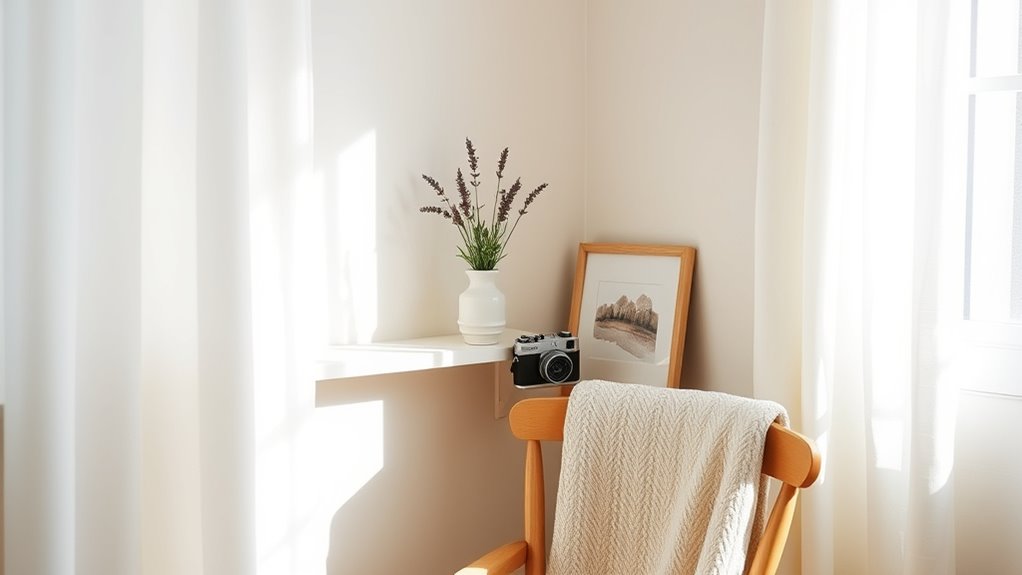

Mindful decorating is all about choosing only the items that truly spark joy and support your well-being. When you intentionally limit clutter, your space becomes calmer and more inviting, helping you feel more centered. Let go of things that no longer serve a purpose or bring happiness. By making conscious choices, you create a harmonious environment that reflects your values. Keep exploring how simple changes can transform your space into a peaceful sanctuary.

Get the little things that make your day delivered free with Prime
- Fast, free delivery on millions of items
- Prime Video, Amazon Music and more included
- Member-only deals all year
Key Takeaways
- Assess each item to determine if it evokes joy, purpose, or comfort before keeping it.
- Practice mindful decluttering by pausing and reflecting on the emotional value of belongings.
- Let go of unnecessary objects to create a calm, harmonious, and inviting environment.
- Use intentional choices in decorating to promote mental clarity and personal well-being.
- Maintain a clutter-free space that supports relaxation, focus, and a sense of inner peace.
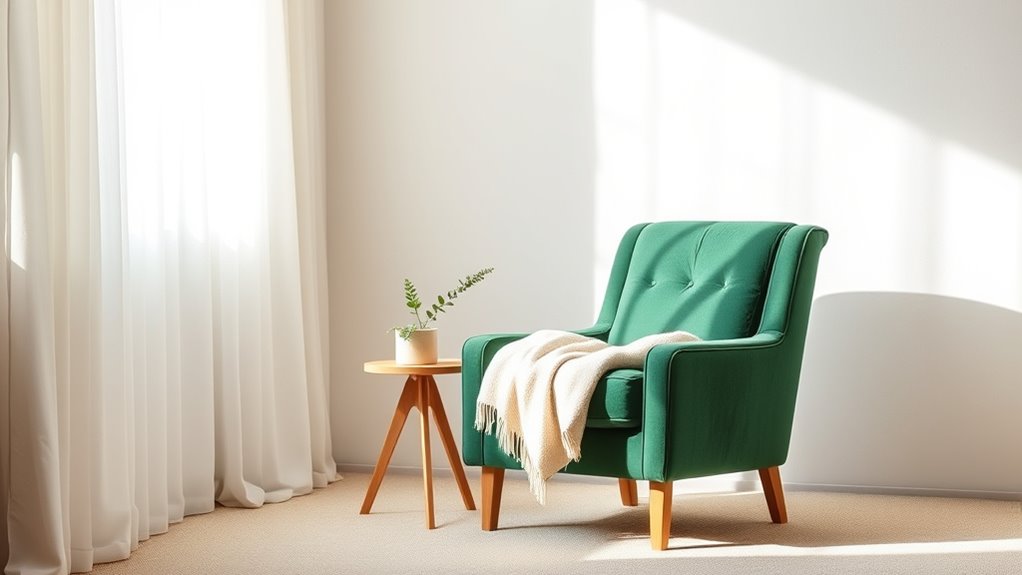
Decorating your space with mindfulness means more than just choosing pretty items; it’s about intentionally creating an environment that nurtures your well-being. One of the most effective ways to do this is by focusing on clutter reduction and making intentional choices about what you keep. When your space is cluttered, it’s easy to feel overwhelmed, distracted, or even anxious. By consciously reducing unnecessary items, you create a calmer, more harmonious environment that supports your mental and emotional health. This process isn’t about perfection or minimalism for its own sake—it’s about selecting only those items that truly bring you joy, comfort, or a sense of purpose.
When you approach decorating with this mindset, it becomes a deliberate act rather than a spontaneous or impulsive one. Before adding new pieces, pause and ask yourself whether they will enhance your space or simply add to the clutter. This act of intentional choice helps you develop a deeper awareness of what truly matters to you. When you let go of objects that no longer serve a purpose or evoke positive feelings, you make room for the items that genuinely resonate with your personal style and well-being. Keep only what sparks joy, and let go of the rest. This simple principle makes a profound difference in how your space feels and functions.
Clutter reduction isn’t just about tidiness; it’s about creating a sanctuary where you can relax, focus, and recharge. As you clear away excess, you’ll notice your environment becoming more inviting and easier to maintain. You won’t waste time searching for things or feeling overwhelmed by visual chaos. Instead, you’ll have a clear, intentional space that reflects your values and supports your daily routines. Remember, every item in your space should serve a purpose or bring you happiness. If it doesn’t, consider donating, recycling, or repurposing it. This mindful approach transforms decorating from a superficial task into a meaningful act of self-care. Incorporating tea accessories and merchandise thoughtfully can also enhance your space’s serenity and your mindful routines.
Creating an intentional space supports your well-being and transforms decorating into a meaningful act of self-care.
Ultimately, your home should mirror your inner state—peaceful, intentional, and aligned with what truly matters. By focusing on clutter reduction and making intentional choices, you cultivate a space that encourages mindfulness. It’s about more than just aesthetics; it’s about creating a nourishing environment where you can thrive. When your surroundings are thoughtfully curated, you’re better equipped to practice mindfulness in your daily life, fostering a sense of calm and clarity that extends far beyond your physical space.
As an affiliate, we earn on qualifying purchases.
Frequently Asked Questions
How Often Should I Reassess My Belongings for Joy?
You should reassess your belongings for joy during your decluttering rituals every six months or so. Regular joy assessment frequency helps you stay mindful of what truly sparks happiness and guarantees your space remains clutter-free. By making this a routine, you stay connected to your feelings about your belongings and prevent unnecessary accumulation. Incorporate these check-ins into your schedule, and you’ll maintain a joyful, intentional environment effortlessly.
Can Mindful Decorating Apply to Digital Spaces?
Imagine Marie Kondo with a smartphone—yes, mindful decorating definitely applies to digital spaces. You can practice digital minimalism by decluttering your virtual clutter, keeping only files, apps, and images that truly spark joy. Regularly reassess your digital environment, just like your physical space, to avoid overwhelm. This mindful approach helps create a calming, intentional online presence, making your digital world easier to navigate and more joyful.
What Are Some Signs of Emotional Attachment to Clutter?
You might notice emotional attachment to clutter when you feel sentimental value tied to items, making it hard to let go. Signs include hesitating to discard things, feeling guilty, or overwhelmed by emotional clutter. You may also keep items that no longer serve a purpose but remind you of memories. Recognizing these feelings helps you decide what truly sparks joy and what’s better released, creating a more mindful, clutter-free space.
How Do I Handle Guilt When Discarding Sentimental Items?
When discarding sentimental items, you might feel guilt due to emotional triggers or sentimental barriers. To handle this, remind yourself that letting go doesn’t diminish your memories. Focus on honoring feelings without holding onto physical items. Take photos of meaningful objects before discarding, and recognize that creating space for new experiences can be just as valuable as preserving the past. Trust your judgment and prioritize your well-being.
Is Mindful Decorating Suitable for Shared Living Spaces?
Yes, mindful decorating works well in shared living spaces. You should prioritize respecting group living dynamics and shared boundaries by communicating openly about your decorating choices. Focus on creating a harmonious environment that reflects everyone’s tastes, while keeping only what sparks joy for you. This thoughtful approach encourages mutual understanding and balance, ensuring the space feels welcoming and comfortable for everyone involved.
Conclusion
As you embrace mindful decorating, imagine your space as a blooming garden, each item a vibrant bloom that sparks joy. Let go of the weeds—things that weigh you down—and nurture only what makes your heart sing. Your home then becomes a sanctuary, a reflection of your true self, radiating warmth and serenity. Keep only what sparks joy, and watch your space blossom into a haven where peace and happiness flourish like sunlight after rain.
NFL season / tailgating Picks
team gear
As an affiliate, we earn on qualifying purchases.