
To winterize your home, start by inspecting and upgrading insulation in the attic, walls, and basement to keep warm air inside. Seal gaps around windows and doors with weatherstripping or caulking to prevent drafts. Wrap exposed pipes with foam or heat tape to avoid freezing, especially in unheated areas. Regularly maintain your heating system for peak performance. Taking these steps now helps create a cozy, energy-efficient space—keep going to find out more tips for a warm winter.
Key Takeaways
- Inspect and upgrade attic, wall, and basement insulation to retain heat and reduce energy costs.
- Insulate exposed pipes with foam or heat tape, especially in unheated areas, to prevent freezing.
- Seal gaps around windows and doors with weatherstripping and caulking to block drafts.
- Schedule professional maintenance for your heating system and replace filters for efficiency.
- Clear gutters and install sump pump backups to prevent ice dams and flooding during winter.

As winter approaches, preparing your home to withstand the cold and prevent costly damage is essential. One of the most effective ways to do this is by focusing on insulation upgrades. Proper insulation helps keep warm air inside your home and cold air out, reducing your heating bills and making your space more comfortable. Start by inspecting your existing insulation, especially in the attic, walls, and basement. If it looks thin or uneven, consider adding more insulation or replacing outdated materials. Upgrading insulation can greatly improve your home’s energy efficiency and guarantee you stay warm throughout the winter months. Additionally, addressing home insulation needs ensures you maximize energy savings and comfort during the cold season.
Another vital aspect of winterizing involves pipe insulation. Frozen pipes are a common winter problem that can lead to burst pipes and flooding, causing extensive damage and costly repairs. To prevent this, wrap your exposed pipes with foam pipe insulation sleeves or wrap them with heat tape. Pay special attention to pipes located in unheated areas like garages, crawl spaces, and exterior walls. Insulating these pipes creates a barrier against freezing temperatures, helping them maintain a safe temperature even during the coldest days. Additionally, keep your home’s thermostat at a consistent temperature—around 55°F (13°C)—to prevent pipes from freezing, especially if you plan to be away for an extended period.
In addition to insulation upgrades and pipe insulation, sealing gaps around windows and doors is vital. Drafts can undermine your efforts to keep warm air in and cold air out. Use weatherstripping or caulking to seal leaks, and consider installing storm windows or door sweeps for extra protection. These simple steps can make a noticeable difference in your home’s warmth and energy efficiency.
Don’t forget about your heating system. Schedule a professional inspection to guarantee your furnace or boiler is functioning properly. Change filters regularly, and consider upgrading to a more efficient model if your current system is outdated. Proper maintenance ensures your heating system runs smoothly and efficiently throughout the winter.
Finally, consider other preventative measures like installing a sump pump backup and ensuring your gutters are clear of leaves and debris to prevent ice dams. Taking these steps now can save you from costly repairs and discomfort later. Winterizing your home isn’t just about preventing problems; it’s about creating a cozy, energy-efficient space that keeps you warm and safe all season long.
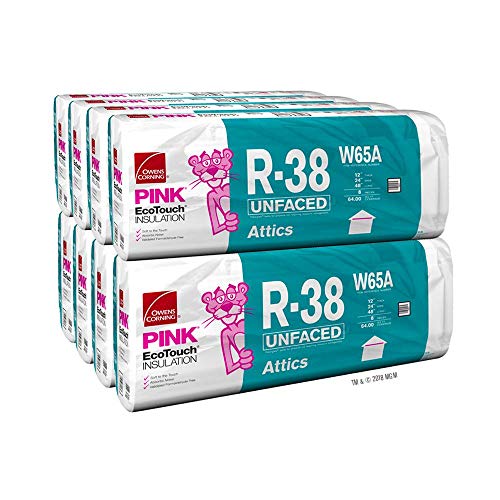
Owens Corning 512 SQFT 8 Bags of R-38 Unfaced 24 by 48 Fiberglass Batt Fits 2X12 attic
- Ideal for Attic Insulation: Fits between trusses with proper ventilation
- Contains 8 Batts per Bag: Total coverage of 512 sqft with 8 bags
- Unfaced Insulation: No paper backing, suitable for interior use
As an affiliate, we earn on qualifying purchases.
As an affiliate, we earn on qualifying purchases.
Frequently Asked Questions
When Should I Start Winterizing My Home?
You should start winterizing your home in early fall, ideally before temperatures drop considerably. This allows you to complete seasonal maintenance tasks like sealing drafts, inspecting heating systems, and insulating pipes, ensuring your home is ready for the cold. Starting early helps prevent emergencies and keeps your home warm and energy-efficient. Don’t wait until it’s freezing outside—being proactive guarantees better home readiness and a more comfortable winter season.
How Can I Prevent Frozen Pipes?
You can prevent frozen pipes by insulating them with pipe insulation, especially in unheated areas. Even if you think it’s early, don’t wait—frost protection is vital before temperatures drop. Keep your home warm, open cabinet doors to allow warm air to circulate around pipes, and let faucets drip during extremely cold nights. These simple steps help maintain water flow and avoid costly pipe bursts.
What Is the Best Way to Insulate Windows?
You should add window film and weather stripping to insulate your windows effectively. Apply clear window film to create a barrier against drafts and improve insulation. Use weather stripping around the window frames to seal gaps and prevent cold air from entering. These simple steps make a significant difference in keeping your home warm and reducing energy costs during winter. Always guarantee the film and strips are properly installed for maximum efficiency.
How Often Should I Check My Heating System?
Think of your heating system as the heart of your home—keep it healthy by checking it at least once a year. During these inspections, focus on heating system maintenance and guarantee your thermostat settings are ideal. If you notice strange noises or uneven heating, schedule a professional tune-up promptly. Regular checks help prevent breakdowns and keep your home warm and cozy all winter long, saving you money and stress.
Are There Eco-Friendly Winterizing Options?
Yes, you can choose eco-friendly winterizing options. Opt for sustainable insulation like sheep’s wool or recycled denim, which are both effective and sustainable. Use eco-friendly materials for sealing gaps, such as beeswax or plant-based caulks, to reduce your carbon footprint. These choices help you stay warm while protecting the environment, making your home more energy-efficient and sustainable during the winter months.
Conclusion
As you brace your home against winter’s icy grasp, you’re wrapping it in a warm, protective blanket. Every draft sealed and pipe insulated is like planting a shield of comfort, turning your house into a cozy fortress. Embrace these preparations, and the cold won’t stand a chance. Instead, you’ll sit back and savor the quiet warmth inside, knowing you’ve given your home the love and armor it needs to weather the season’s storm.