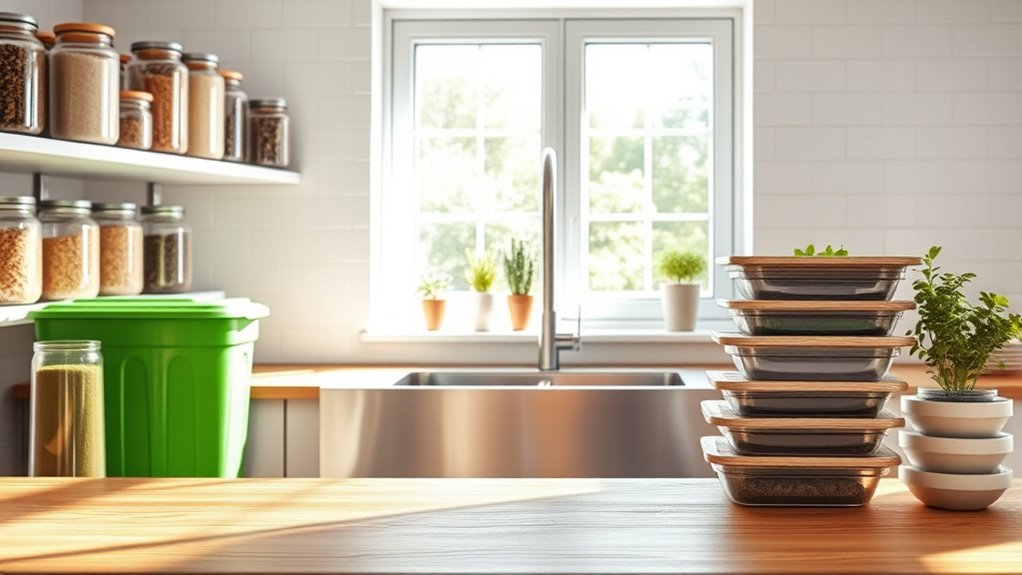

To stay sustainable and cut household waste, focus on simple habits like recycling properly, composting food scraps, and using reusable items instead of disposables. Make sure to rinse recyclables and separate plastics, metals, paper, and glass. Start small by setting up designated bins and gradually incorporate waste reduction into your daily routine. If you keep these practices in mind, you’ll find easy ways to minimize your waste and support a healthier planet. Continue to explore how small changes can make a big difference.
Key Takeaways
- Practice proper sorting and recycling of plastics, metals, paper, and glass to prevent contamination and reduce landfill waste.
- Compost food scraps and yard waste to create nutrient-rich soil and minimize organic waste in landfills.
- Use reusable bags, bottles, and containers to cut down on single-use items and reduce overall waste.
- Establish designated recycling and composting bins in your home to encourage consistent waste separation.
- Educate yourself and others about local waste guidelines to ensure proper disposal and maximize sustainability efforts.
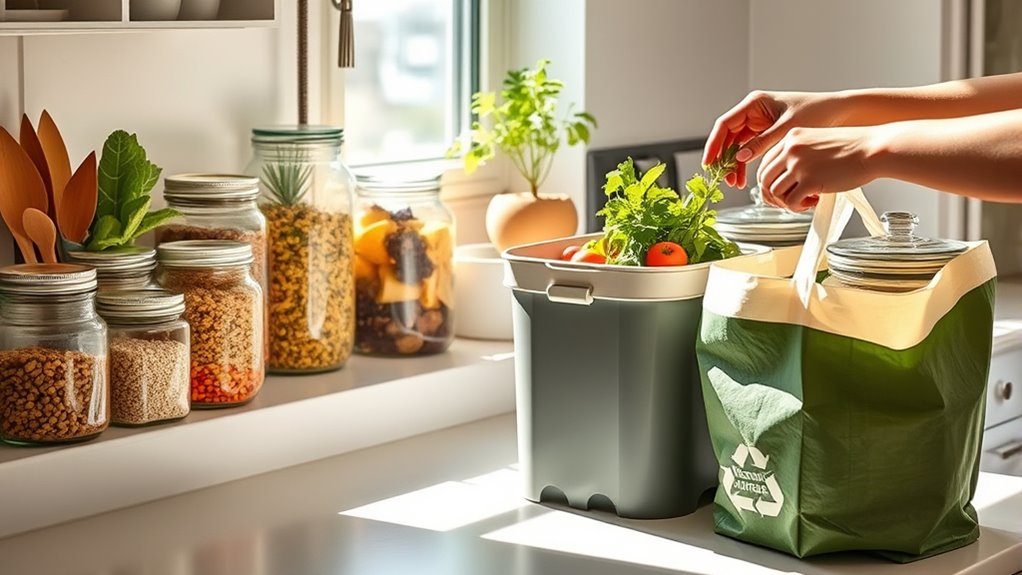
Have you ever considered how much household waste you generate each day? It’s easy to overlook how your everyday habits contribute to overflowing landfills and environmental strain. But the good news is, small changes in your routine can make a significant difference. One effective way to start is by adopting simple recycling tips. Make it a habit to rinse out containers before tossing them in the recycling bin, and familiarize yourself with local recycling guidelines to ensure you’re sorting correctly. Separating plastics, metals, paper, and glass helps keep recyclable materials out of landfills and reduces the demand for virgin resources. Additionally, avoid single-use items whenever possible, opting for reusable bags, bottles, and containers. These small adjustments diminish waste accumulation and promote a more sustainable lifestyle.
Beyond recycling, composting methods offer a powerful way to cut down on organic waste. Composting transforms food scraps and yard waste into nutrient-rich soil, completing a natural cycle that benefits your garden and reduces landfill burden. You don’t need a large backyard to get started; many composting methods suit small spaces or indoor environments. For example, you can use a countertop compost bin for daily kitchen scraps like fruit peels, coffee grounds, and eggshells. Regularly turning your compost helps aerate it and speeds up decomposition, turning waste into valuable compost that your plants will love. If you’re concerned about odors, proper balance is key—adding brown materials such as dried leaves or shredded paper alongside green scraps keeps the compost smelling fresh. Using composting methods not only minimizes waste but also enriches your soil naturally, decreasing reliance on chemical fertilizers. Being aware of projector bulb maintenance and other related tips can help prolong the life of equipment used in sustainable practices.
Incorporating these practices into your daily routine doesn’t require a complete lifestyle overhaul; it’s about making mindful decisions. Start small by setting up designated bins for recycling and composting in your kitchen or garage. Educate yourself on what can and can’t be recycled or composted to avoid contamination. Over time, these habits become second nature, and you’ll start noticing a decline in the amount of waste you throw away. Remember, reducing household waste is a collective effort. Sharing your tips with family and friends can inspire them to adopt similar practices, amplifying the positive impact. Every recyclable item properly sorted and every composted scrap contributes to a healthier planet. So, take that first step today—your environment will thank you, and you’ll be doing your part to create a more sustainable future.
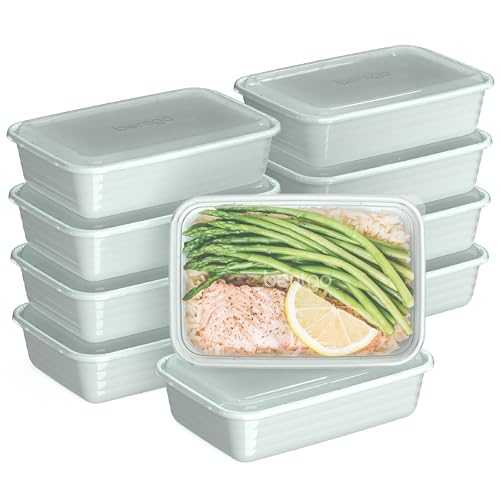
Bentgo Prep Meal Prep Containers with Lids, 20 Piece, PFAS & BPA-Free
- Top Brand for Meal Prep: Lightweight, portable 20-piece set
- Easy Portion Control: 4-cup capacity with embossed measurements
- Food Freshness & Organization: Stackable lids for freshness and organization
As an affiliate, we earn on qualifying purchases.
As an affiliate, we earn on qualifying purchases.
Frequently Asked Questions
How Can I Compost Indoor Food Scraps Effectively?
You can compost indoor food scraps effectively by setting up a dedicated indoor compost bin or a bokashi system. For kitchen scraps, avoid meat and dairy to prevent odors. Regularly turn or mix your compost to aerate it, and keep it in a cool, dark place. Use compostable bags or a lidded container to contain smells, making indoor composting a simple, eco-friendly way to reduce waste and nourish your plants.
What Are Eco-Friendly Alternatives to Single-Use Plastics?
You can switch to eco-friendly alternatives like biodegradable packaging and reusable shopping bags to cut down on single-use plastics. Opt for products with biodegradable packaging that break down naturally, reducing environmental impact. Always carry reusable shopping bags to avoid plastic bags and encourage sustainable habits. These simple swaps help you minimize waste and support a healthier planet, making your everyday choices more eco-conscious.
How Can I Encourage My Family to Reduce Waste?
Imagine planting a seed of change in your family’s routine. You can encourage your family to reduce waste by involving everyone in eco-friendly habits, making it a shared goal. Lead by example, and celebrate small successes to foster habit formation. Keep conversations positive, and create fun challenges. When your family feels engaged and motivated, they’ll naturally adopt sustainable practices, turning waste reduction into a collective effort that grows stronger over time.
Are There Local Recycling Programs for Electronics?
Yes, you can find local recycling programs for electronics through e-waste collection events or facilities. Check your city or town’s website for electronic disposal guidelines and scheduled e-waste collection days. Many retailers and community centers also offer drop-off points for safe e-waste disposal. By participating, you help reduce environmental harm and guarantee proper recycling of electronic devices. Make sure to follow local guidelines to dispose of electronics responsibly.
What Are the Best Zero-Waste Shopping Tips?
Did you know that Americans throw away about 80 pounds of plastic waste annually? To shop zero-waste, always bring reusable bags to cut down on single-use plastics. Opt for bulk shopping to reduce packaging and buy only what you need. Focus on products with minimal or compostable packaging, and choose reusable containers. These simple tips help you reduce waste and make a positive environmental impact every time you shop.
Conclusion
By making small changes, you can make a massive impact on the planet—it’s almost like saving the Earth with just a few simple steps. Every piece of waste you reduce adds up to a cleaner, greener future for everyone. Remember, your efforts might seem tiny now, but they’re part of a movement that could change the world. So go ahead, take charge today—because the future depends on what you do now.