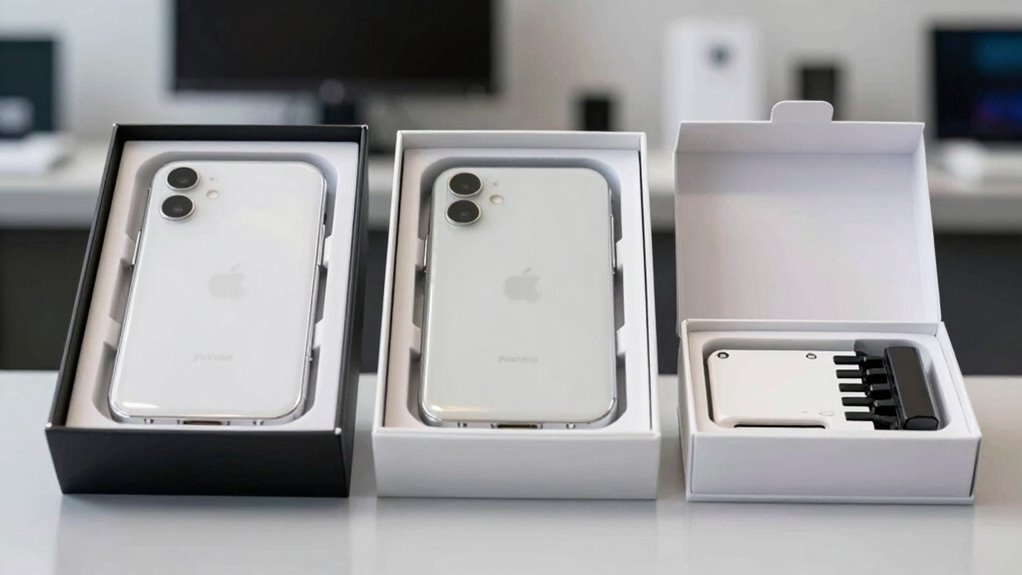

Open-box items are products returned shortly after purchase, often in near-new condition, and sold at discounts with minimal wear. Refurbished devices are repaired and restored by manufacturers, with quality varying based on refurbishment standards. Renewed electronics are tested and certified by third parties, offering a balance of savings and reliability. Each type has different warranties and trust factors. If you want to discover how to choose the best option for your needs, keep exploring this guide.
Key Takeaways
- Open-box items are almost new, unused, and typically in pristine condition, while refurbished and renewed devices have undergone repairs or testing, affecting their condition.
- Refurbished products are restored by manufacturers and may have variable quality standards, unlike open-box items which are mainly returned but unused.
- Renewed electronics are inspected and tested by third-party sellers, often with more variability in condition than manufacturer-certified refurbishments.
- Warranties and support differ: open-box often includes original warranties, whereas refurbished and renewed items may have limited coverage.
- Authenticity verification (serial numbers, holograms, QR codes) and clear return policies are essential to ensure genuine products across all categories.
What Are Open-Box, Refurbished, and Renewed Electronics?
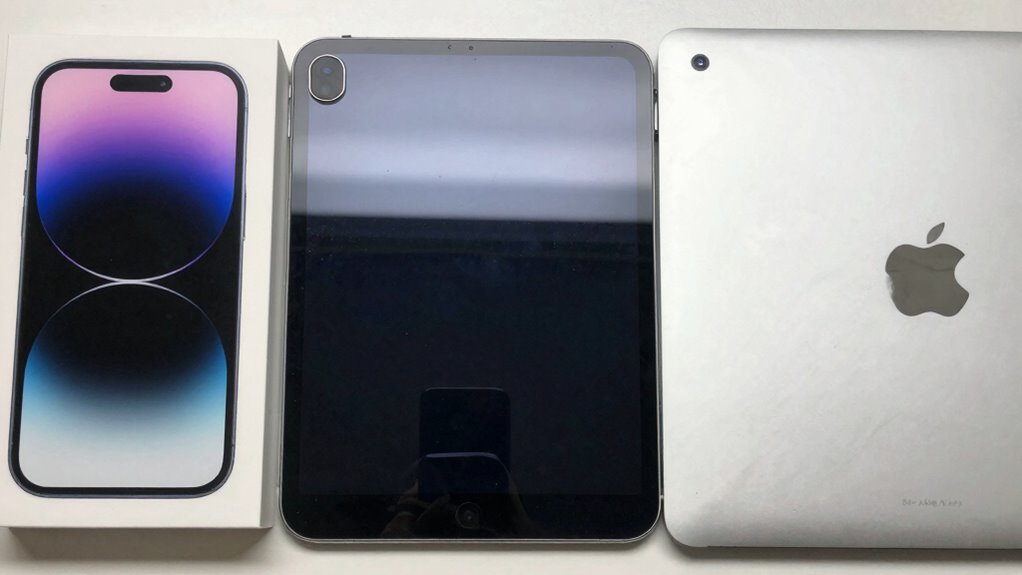
Understanding the differences between open-box, refurbished, and renewed electronics can help you make smarter purchasing decisions. These categories often use different pricing strategies to attract buyers, which can influence your perception of value and quality. Open-box items are typically products returned shortly after purchase, often in near-new condition, sold at a discount. Refurbished devices have been repaired or restored by the manufacturer or a certified refurbisher to meet specific standards. Renewed electronics are similar but might include products inspected and tested by third-party sellers. Building consumer trust is essential for each category; reputable sellers provide warranties and transparent descriptions. Recognizing these distinctions helps you evaluate whether a product’s price reflects its condition and whether the seller is trustworthy. Additionally, understanding the quality standards behind each category can ensure you’re making an informed choice that suits your needs. Moreover, being aware of the inspection and testing processes involved can further help you assess the reliability and longevity of the electronics you consider purchasing.
How Do Open-Box, Refurbished, and Renewed Devices Differ in Quality and Condition?

Open-box, refurbished, and renewed devices each vary markedly in quality and condition, impacting your overall experience. Open-box items are typically unused or gently handled, often showing minimal signs of wear, and are usually close to new in the product lifecycle. Refurbished devices have been repaired or restored by the manufacturer or a certified technician, which can affect their condition depending on the refurbishment process. Renewed products are generally tested and certified by third-party sellers, but their condition may be more variable. Warranty policies also differ: open-box items often include the original warranty, while refurbished and renewed devices might come with limited or seller-specific warranties. These factors influence durability, performance, and your confidence in the device’s longevity. Additionally, understanding vetted options like wave and wind energy can help consumers make more sustainable choices when considering device purchases.
Which Type of Product Is Best for Your Needs and Budget?
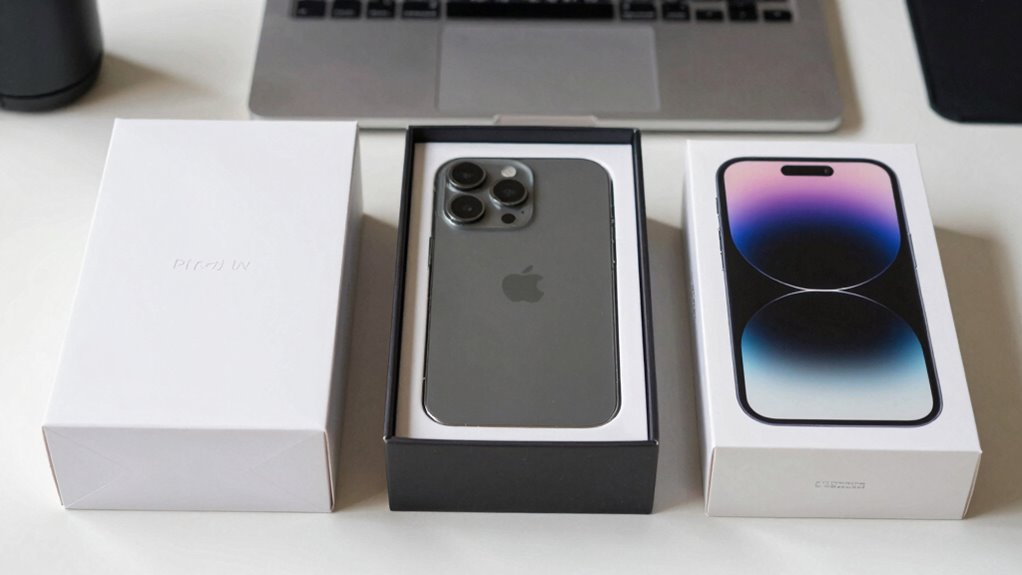
Choosing the right type of device depends on your specific needs and budget. Market trends show that consumers increasingly prefer cost-effective options without sacrificing quality. If you’re on a tight budget, refurbished products often offer significant savings and reliable performance. Open-box items appeal if you want a nearly new product at a lower price, with minimal use. Renewed devices strike a balance, providing refurbished tech with warranties for peace of mind. Consider your priorities:
- Maximize savings with refurbished models
- Get a like-new product through open-box deals
- Find a tested, warrantied device with renewed options
- Match features to your usage needs and financial limits
Understanding these preferences helps you choose confidently, aligning your decision with current market trends and your personal requirements. Additionally, verifying the product’s condition and ensuring proper aftercare and maintenance can extend the lifespan and performance of your purchase.
Key Factors to Consider When Buying Open-Box, Refurbished, or Renewed Electronics

When purchasing open-box, refurbished, or renewed electronics, it’s vital to assess several key factors to guarantee you receive the best value for your money. First, consider pricing strategies; compare discounts, warranties, and return policies to ensure you’re getting a fair deal. Also, think about the environmental impact—buying these products helps reduce e-waste and supports sustainability. Use this table to guide your decision:
| Factor | What to Look For |
|---|---|
| Pricing strategies | Discounts, warranties, return policies |
| Environmental impact | Eco-friendly practices and reduced waste |
| Product condition | Cosmetic wear, functionality, original accessories |
| Seller reputation | Trustworthiness, reviews, authenticity checks |
Additionally, evaluating the product condition carefully can ensure you avoid surprises regarding wear or missing components.
How to Spot Trusted Sellers and Verify Product Authenticity?

To spot trusted sellers and verify product authenticity, start by checking their credentials and reputation online. Carefully examine product details and compare them with official specifications. Also, look for authenticity marks or seals to make certain you’re getting genuine items. Additionally, reviewing the seller’s privacy policy can provide insight into how they handle your personal information and build trust. Incorporating product authentication methods can further ensure the legitimacy of your purchase and prevent fraud. Being aware of affiliate disclosures can also inform you about potential biases in product recommendations and reviews. Understanding seller reviews and feedback from previous buyers can offer valuable insights into their reliability and customer service. Moreover, verifying the vetted status of sellers can help you identify those who meet established trust standards in the marketplace.
Check Seller Credentials
Verifying seller credentials is essential to guarantee you’re purchasing genuine products from trustworthy sources. Start by researching the seller’s reputation through trusted platforms and checking their history of transactions. Pay attention to customer reviews, especially those mentioning authenticity and delivery. Look for sellers with high ratings and detailed feedback that confirm consistent positive experiences. Be cautious of new or poorly-rated sellers, as they may lack a proven track record. Consider these indicators:
- Consistently positive customer reviews highlighting product authenticity
- Clear and professional seller profiles
- Verified badges or seller certifications
- Responsive communication addressing concerns
These signs help you identify reputable sellers and ensure your purchase is safe. Trustworthy sellers prioritize transparency and customer satisfaction, reducing the risk of counterfeit or subpar products.
Examine Product Details
Examining product details closely can reveal whether you’re dealing with a trusted seller and authentic items. Look for clear, detailed descriptions and high-quality images that match the product. Pay attention to pricing strategies; overly low prices may signal counterfeit or refurbished items. Check for consistent branding, serial numbers, or model numbers that match official specifications. Reliable sellers often provide extensive product info to boost customer satisfaction. Additionally, verifying product authenticity through official channels can further ensure you’re making a safe purchase. Here’s a quick guide:
| Detail to Check | What to Look For | Why It Matters |
|---|---|---|
| Product Descriptions | Accurate, specific details | Ensures authenticity and quality |
| Images | Genuine, high-resolution images | Confirms item condition and authenticity |
| Serial/Model Numbers | Match official manufacturer info | Verifies authenticity |
| Packaging | Proper, professional packaging | Indicates trusted seller |
| Return & Warranty Info | Clear policies, official warranties | Protects your investment |
Being thorough helps you spot trusted sellers and avoid counterfeit products, increasing customer satisfaction.
Verify Authenticity Marks
Authentic products often feature specific marks and identifiers that trusted sellers include to prove their legitimacy. These authentication labels and marks help you distinguish genuine items from counterfeit risks. Look closely at the product for official holograms, serial numbers, or security stickers that are difficult to replicate. Trusted sellers typically place these labels in visible, yet secure areas. Visual cues to verify authenticity include:
- Holographic seals or stickers with shifting images
- Serial numbers matching packaging and device info
- QR codes linked to official verification websites
- Unique security threads or embossed logos
- Use a free online tool to transform text to verify and understand different authenticity marks more effectively. Additionally, familiarizing yourself with common authenticity features can help you quickly identify genuine products and avoid scams, especially when considering verification methods recommended by trusted sources. Knowing how to spot authenticity marks ensures you make informed and safe purchases. Being aware of these security features can significantly reduce the risk of purchasing counterfeit items.
Are Renewed Products a Good Deal? Pros and Cons Explained
Renewed products can save you money, but it’s important to contemplate potential quality issues. You might face challenges with consistent quality assurance and support, which could affect your experience. Weighing the cost savings against these factors will help you decide if a renewed item is truly a good deal. Additionally, understanding the heat-gun kit features and limitations can help ensure you make a well-informed choice. Considering product warranties can also provide added peace of mind when purchasing renewed items, especially since some electric bikes and accessories may have specific warranty conditions.
Cost Savings Potential
If you’re looking to save money, renewed products often seem like a smart choice, but it’s important to weigh their true value. They can offer significant savings through strategic pricing strategies, making high-quality items more affordable. Market availability also plays a role, as renewed products are often easier to find than open-box or new items. Imagine:
- Lower prices that stretch your budget further
- Access to premium brands at a fraction of the cost
- Consistent discounts across different platforms
- A wider selection of popular models
These factors can make renewed products appealing, but remember to contemplate potential limitations. While they can be a smart financial move, assess the overall deal carefully, ensuring that savings outweigh any possible drawbacks in warranty or support. Additionally, understanding the concept of Free Floating can help in evaluating the overall value of products and how they are presented in the market. Being aware of market fluctuations can also influence your purchasing decisions and help you identify the best time to buy. Furthermore, recognizing the ethical implications of refurbished items can guide consumers toward more sustainable choices. It’s also beneficial to consider product lifecycle aspects to determine how long a renewed item might serve your needs effectively.
Quality Assurance Challenges
While the savings on renewed products can be tempting, ensuring their quality remains a key concern. Manufacturing defects may go unnoticed during inspection, affecting long-term performance. This can lead to lower customer satisfaction if issues arise after purchase. Renewed items often undergo testing, but the process isn’t foolproof, which raises risks related to unseen defects. To evaluate quality assurance, consider the company’s testing standards and return policies. The table below highlights common challenges:
| Challenge | Explanation |
|---|---|
| Manufacturing defects | Hidden flaws from original production or repairs |
| Inconsistent inspections | Variability in quality control processes |
| Limited testing | Not all issues are detected during refurbishment |
| Customer satisfaction | Impacted by product reliability and post-sale support |
| Transparency | Clarity about refurbishing procedures and defect history |
Additionally, understanding the refurbishing procedures can help buyers make more informed decisions. Reviewing the quality control standards used during refurbishment can provide further assurance of product reliability. Being aware of inspection protocols can also help shoppers assess the thoroughness of quality checks before purchase. Furthermore, examining post-refurbishment testing results can offer additional insights into a product’s reliability and longevity. It’s also helpful to explore manufacturer reputation to gauge overall trustworthiness and consistency in refurbishment practices.
Warranty and Support
When considering renewed products, warranty and support options play a crucial role in determining whether they’re a good deal. A solid warranty offers peace of mind, protecting you from unexpected repairs and defects. Support services can make troubleshooting easier, ensuring you get the help you need quickly. Keep in mind, pricing strategies often influence warranty length and coverage, affecting overall value. Customer reviews can reveal how responsive and reliable the support team is, guiding your decision. Picture:
- A customer confidently making a purchase, knowing repairs are covered
- Friendly support agents ready to assist via chat or phone
- Clear warranty terms that leave no surprises
- Positive reviews praising swift resolutions and dependable coverage
These factors help you weigh whether renewed products truly deliver a good deal or fall short in support.
Frequently Asked Questions
What Warranties Typically Come With Open-Box, Refurbished, or Renewed Products?
You typically get a warranty with open-box, refurbished, or renewed products that lasts from 30 days up to a year, depending on the seller. The coverage usually includes defects and functional issues, but details vary. Some warranties cover only hardware, while others include repairs or replacements. Always check the warranty duration and coverage details before buying, so you know exactly what’s protected and for how long.
Can Open-Box, Refurbished, or Renewed Items Have Hidden Damages?
Did you know that 20% of consumers worry about hidden damages in open-box, refurbished, or renewed items? You should be cautious because these products can have hidden damages that aren’t always obvious. Inspection challenges make it harder to spot issues before purchase, so always buy from trusted sellers with good return policies. Carefully check warranties and ask about any known problems to avoid surprises later on.
Are There Specific Brands Better Suited for Each Product Type?
Certain brands tend to be better suited for open-box, refurbished, or renewed products, thanks to their reputation for quality and product compatibility. For example, Apple and Samsung usually maintain high standards, making their refurbished items more reliable. Cheaper brands might not have the same quality controls, risking hidden damages. Always check the brand’s reputation and warranty policies to guarantee you’re getting a dependable product that fits your needs.
How Does Return Policy Differ Among Open-Box, Refurbished, and Renewed Items?
You’ll find that return window policies vary, with open-box items often offering shorter periods, sometimes just 14 days, and refurbished or renewed products usually providing 30 days or more. Restocking fees may apply, especially for opened or used items, making it important to verify the specific seller’s policy. Always review the return terms before purchasing to ensure you understand how long you have to return and if extra fees apply.
Is It Safe to Buy Open-Box or Refurbished Electronics Internationally?
Buying open-box or refurbished electronics internationally can be safe if you’re cautious. You might worry about international shipping and customs risks, but choosing reputable sellers reduces those concerns. Always check seller ratings, understand warranty coverage, and be aware of import duties. If you do your homework, you can confidently snag good deals abroad without sacrificing safety or quality.
Conclusion
Think of buying open-box, refurbished, or renewed electronics like choosing a used car. With the right seller and some research, you can find a reliable ride that fits your budget without sacrificing quality. Just like test-driving a car, inspecting your device guarantees it runs smoothly. Remember, being informed turns a gamble into a smart purchase—so weigh your options carefully, and you’ll drive away satisfied with your tech deal.