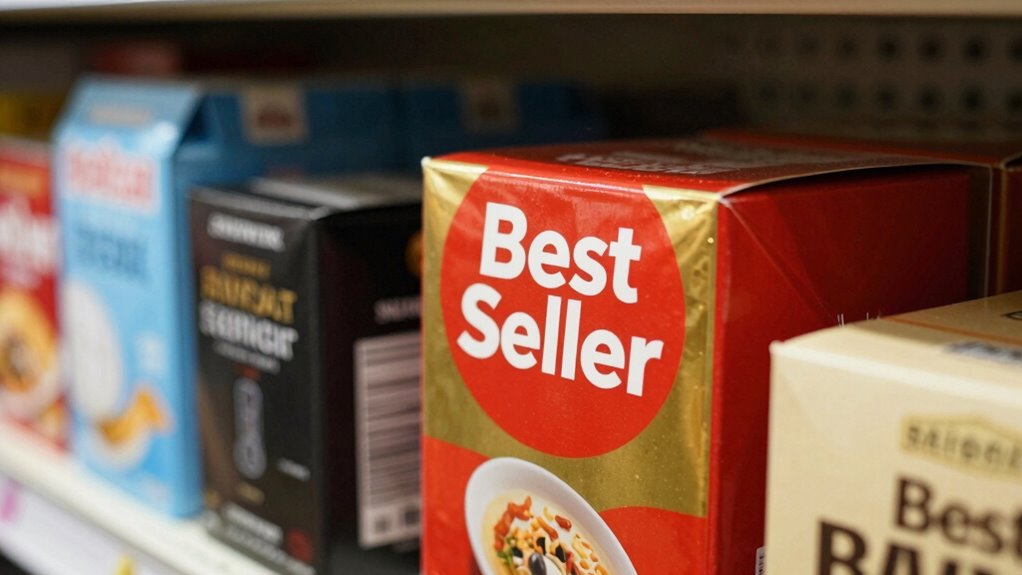

A ‘Best Seller’ label usually signals popularity, but it’s often driven by marketing tricks like discounts, paid placements, and promotional campaigns rather than true demand or quality. Retailers and publishers use sales data and rankings to boost products, which can be manipulated to inflate a product’s status. To spot real popularity, look beyond the label at reviews and sales trends. If you want to avoid hype, there’s more to uncover below.
Key Takeaways
- ‘Best Seller’ labels often reflect marketing tactics and promotional sales, not inherent product quality or lasting demand.
- Rankings can be artificially inflated through discounts, paid placements, and limited-time offers to boost visibility.
- Genuine popularity should be verified via authentic reviews, consistent sales patterns, and credible author or brand reputation.
- During hype peaks or promotional periods, ‘Best Seller’ status may be temporary and not indicative of true market demand.
- Always look beyond labels; analyze reviews, sales data, and reputation to determine if the product’s popularity is authentic.

Alexander and the Terrible, Horrible, No Good, Very Bad Day
- Test Product: Sample product for testing purposes
As an affiliate, we earn on qualifying purchases.
As an affiliate, we earn on qualifying purchases.
What Does ‘Best Seller’ Really Mean?
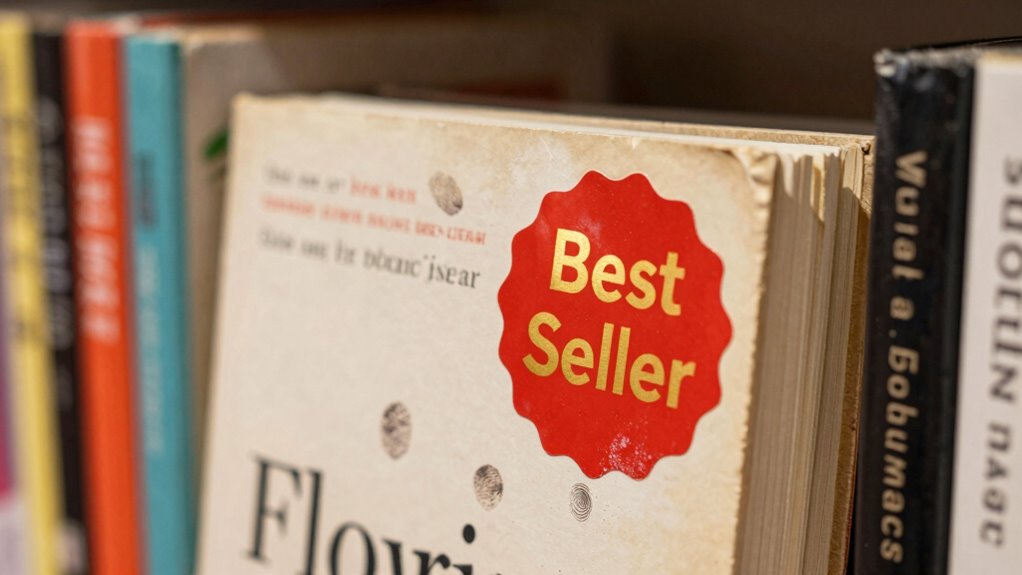
Have you ever wondered what “best seller” truly signifies? The label often implies popularity, but it’s also influenced by author credibility and pricing strategies. An author with a strong reputation can boost sales quickly, making their book appear more popular. Publishers may use strategic pricing, discounts, or limited-time offers to drive sales and push a book onto best-seller lists. These tactics can inflate numbers without reflecting genuine demand. It’s important to recognize that a best seller isn’t always an indicator of quality or long-term popularity, but often a result of well-planned marketing and credibility. Additionally, understanding marketing tactics used to promote books can help you see beyond the hype, especially when pricing strategies are employed to artificially boost sales figures. Recognizing the influence of sales boosting techniques can help you make more informed choices about which books truly resonate with your interests. Moreover, being aware of publisher strategies can reveal how some books are positioned for success regardless of their content.
How Do Retailers and Publishers Decide Which Products Are ‘Best Sellers’?

Retailers and publishers determine which products are ‘best sellers’ primarily by tracking sales data. They analyze this data through publisher metrics, which measure how many copies are sold within a specific period. Retailer branding also influences these decisions, as stores may favor certain products to align with their image or target audience. For example, a bookstore chain might highlight top-selling titles based on sales figures reported by publishers, while a retailer’s internal data might prioritize items that boost profit margins or fit their branding. These metrics help retailers and publishers identify popular products quickly, but they don’t always reflect true consumer preference. Instead, they often serve marketing strategies designed to boost sales and reinforce brand positioning. Additionally, understanding cryptid mysteries can help consumers choose products suited to specific needs or investment strategies. Recognizing the role of sales data analysis can provide consumers with a clearer perspective on what ‘best seller’ labels truly signify.
Are ‘Best Seller’ Rankings Based on True Popularity or Marketing Tricks?

Are ‘Best Seller’ rankings truly reflectors of what consumers love, or are they often shaped by marketing tactics? It’s important to recognize that consumer perception can be heavily influenced by branding strategies. Companies sometimes use paid placements or limited-time promotions to boost rankings, making products appear more popular than they really are. These tactics can skew the perception of a product’s true popularity, leading you to believe it’s a top choice when it might not be. While some rankings genuinely reflect sales volume, many are carefully curated to serve marketing goals. As a result, it’s wise to question whether a product’s top position is based on real demand or just strategic promotion. Understanding the marketing tactics behind these rankings helps you make smarter, more informed purchasing decisions, especially when you notice sponsored listings or other promotional cues. Recognizing the influence of consumer perception on rankings can help you better evaluate a product’s actual value. Additionally, being aware of price manipulation strategies used during promotions can prevent you from overpaying for a product that isn’t necessarily the best choice.
How Can You Tell if a ‘Best Seller’ Label Is Genuine?

To determine if a ‘Best Seller’ label is genuine, you need to look beyond the badge and do a little detective work. Start by evaluating the author’s credibility—research their background and other works to see if they’re established in the field. Genuine bestsellers often come from authors with a proven track record. Next, check customer reviews for honest feedback about the book’s quality and popularity. If reviews are plentiful and mostly positive, it’s a good sign the label reflects real demand. Be wary of overly promotional reviews or a sudden surge in ratings, which can indicate manipulation. Combining author credibility with authentic customer feedback helps you distinguish real bestsellers from those simply riding the hype. Additionally, understanding Rhythm Failure and their popular tracks can give insight into trending topics that influence bestseller status. Recognizing market trends can also help you see whether a book’s popularity is driven by genuine interest or marketing gimmicks. Moreover, examining sales data or rankings from reputable sources can provide further confirmation of a book’s true popularity. Paying attention to industry reports can also offer a broader perspective on the book’s standing within the market. Being aware of mammography guidelines and screening practices can also serve as a metaphor for evaluating claims critically—just like medical advice, book labels should be scrutinized carefully to ensure accuracy.
Key Factors That Affect ‘Best Seller’ Status and What They Mean for Buyers
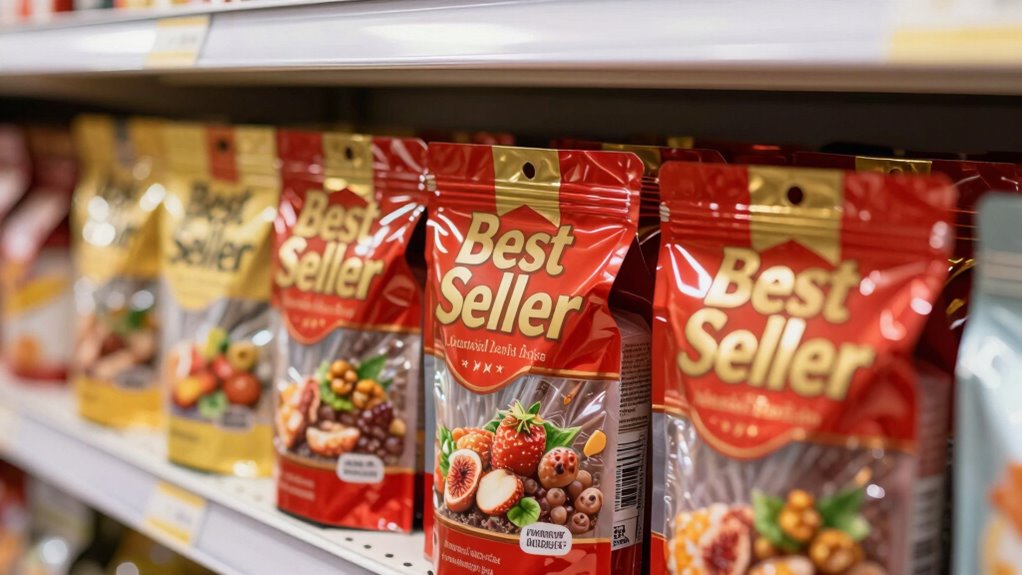
Sales numbers and marketing efforts play a big role in earning a ‘Best Seller’ label. When a product is promoted heavily, it can boost its visibility and sales quickly. For you, understanding these factors helps you evaluate whether a product truly stands out or if its label is mainly a result of marketing. Recognizing the impact of marketing strategies can help consumers make more informed choices beyond just relying on labels.
Sales Metrics Influence
Understanding what drives a product to become a best seller requires paying attention to key sales metrics. These metrics, like sales volume and rate of purchase, directly influence a product’s ranking. Your perception of a bestseller can be shaped by pricing strategies that create urgency or perceived value, while social proof—reviews and ratings—boosts credibility.
| Factor | Impact |
|---|---|
| Pricing strategies | Encourage quick purchases and perceived affordability |
| Social proof | Builds trust and signals popularity to potential buyers |
| Sales volume | A high number of units sold pushes rankings |
| Purchase rate | Rapid sales over a short period boosts bestseller status |
The combination of these elements creates a compelling narrative, making you more likely to trust and buy from what appears to be a proven winner.
Marketing Impact
Have you ever wondered how marketing strategies influence a product’s rise to best seller status? It’s often driven by tactics like celebrity endorsements, which boost credibility and attract attention quickly. When a well-known figure promotes a product, it gains instant visibility, encouraging more buyers to purchase. Promotional discounts also play a crucial role, creating a sense of urgency and value that can push a product into the top ranks. These marketing efforts can considerably sway consumer perception, making a product seem more popular than it actually is. As a buyer, it’s essential to recognize that such strategies aren’t always reflective of quality or long-term value. Instead, they’re designed to generate buzz and sales, which can sometimes be misleading when evaluating a true “best seller.” Additionally, understanding marketing impact can help consumers make more informed decisions beyond just the label. Recognizing the influence of sales tactics can help buyers see past the hype and assess products more objectively. For example, some “best sellers” may climb the charts due to algorithmic boosting rather than genuine demand or quality. External factors like market trends can also artificially inflate a product’s popularity, making it important to look beyond the surface.
How to Spot When ‘Best Seller’ Labels Are Overhyped or Misleading
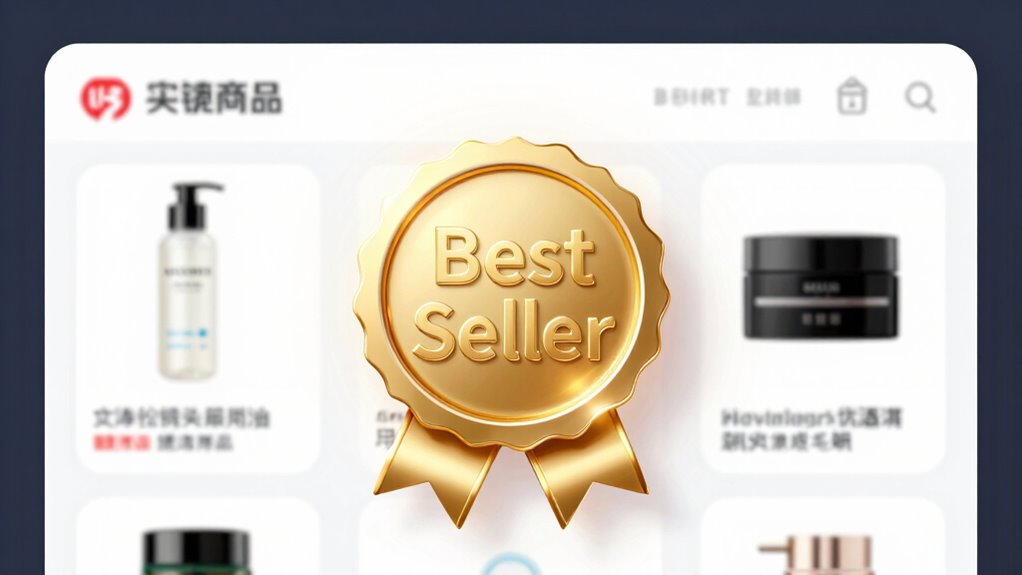
Sometimes, a “Best Seller” label is just a marketing ploy to create hype around a product. Watch for peak hype moments where the label seems exaggerated or temporary, signaling it might be misleading. Additionally, be aware of hidden sales strategies that companies use to boost perceived popularity and influence your purchasing decisions.
Peak Hype Moments
How can you tell when a ‘Best Seller’ label is just hype? Look for peak hype moments, where the seller pushes intense marketing gimmicks to create excitement. These moments often coincide with limited-time promotions or big launches designed to generate buzz. If you notice a sudden surge in advertising, social media blitzes, or flashy banners that seem overly exaggerated, it’s a sign that the hype might be peaking. Sellers often capitalize on these peak hype moments to boost sales quickly, regardless of the book’s true popularity. Be cautious during these times—what seems like a major bestseller might just be a marketing stunt. Recognizing these peak hype moments helps you see through the hype and assess whether the ‘Best Seller’ label genuinely reflects lasting popularity. Additionally, understanding Free Floating trends can help you gauge true popularity beyond temporary hype. Being aware of Market Cycles and how they influence sales can also aid in distinguishing authentic success from fleeting trends. Monitoring sales patterns over time can provide further insight into whether a book’s popularity is sustained or merely a product of hype.
Hidden Sales Strategies
Ever wonder if that ‘Best Seller’ label is genuinely earned or just part of a clever sales tactic? Sometimes, sellers boost sales through hidden strategies like celebrity endorsements, making a product seem more popular than it really is. Seasonal promotions also play a role, creating limited-time buzz that drives quick purchases and inflated rankings. These tactics can make a product appear as an undeniable favorite, even if sales are artificially boosted. Recognizing these signs helps you avoid falling for overhyped claims. Look beyond the label—check for credible reviews, verify if celebrity endorsements are genuine, and consider whether seasonal deals are creating short-lived spikes. Being aware of these hidden sales strategies ensures you make smarter, more informed buying decisions rather than being misled by marketing tricks. Additionally, understanding how marketing tactics influence consumer perception can help you see through misleading claims more effectively.
Frequently Asked Questions
Can a Product Be a Best Seller Without High Sales Volume?
Yes, a product can be a best seller without high sales volume if it’s popular within a niche or specific category. You might see this when a product dominates sales metrics in a smaller market or during a limited time. It’s about relative popularity, not just sheer numbers. So, don’t assume all best sellers are high-volume; some gain their status through targeted appeal and unique demand.
Do All ‘Best Seller’ Labels Come From Official Rankings?
Like a knight in shining armor, you might believe all ‘best seller’ labels come from official rankings, but that’s not always true. Many are just marketing hype designed to boost sales. Some labels are based on verified rankings, but others are self-promoted or paid for, which can undermine their ranking legitimacy. Always check if the label is backed by a reputable source or just clever branding.
How Often Do ‘Best Seller’ Rankings Update?
You’ll notice that ‘best seller’ rankings update frequently, often daily or even hourly, depending on the platform. This update frequency captures ranking fluctuations caused by sales, reviews, and other factors. If you’re tracking a book’s position, keep in mind that rankings can change quickly, so don’t rely solely on a single update. Regularly checking guarantees you stay informed about the latest ranking fluctuations.
Are ‘Best Seller’ Labels More Common Online or in Stores?
Think of ‘best seller’ labels as shiny ornaments on a Christmas tree—you’ll find them both online and in stores. However, online, they’re more like eye-catching signs that pop up during product placement and promotional tactics, making them more common. In stores, labels are carefully placed to boost sales, but online, they’re often part of strategic marketing. So, you’ll see these labels in both places, but online shopping tends to feature them more prominently.
Do ‘Best Seller’ Labels Influence Consumer Purchasing Decisions?
Yes, ‘best seller’ labels can influence your purchasing decisions. They serve as marketing influence, signaling popularity and quality, which can sway your consumer perception. You might feel more confident choosing a product marked as a best seller, thinking it’s trusted by others. However, it’s crucial to remember that these labels aren’t always indicators of quality; sometimes, they’re just clever marketing tricks to boost sales.
Conclusion
So, next time you see that glowing “Best Seller” badge, pause and look closer. Is it truly popular, or just clever marketing? Don’t let hype guide your choice—dig a little deeper. Because behind that label, there’s often more than meets the eye. Stay curious, stay cautious. Sometimes, the real bestsellers are hiding in plain sight, waiting for you to uncover their true story. Will you be the one to see past the illusion?