

📊 Full opportunity report: The Ultimate List: 7 AI Tools For Student Organization Success on ThorstenMeyerAI.com — validation score, market gap, and execution plan.
TL;DR
A new list highlights seven AI tools that help students organize, manage projects, and enhance learning. These tools vary in features, ease of use, and cost, catering to different student needs.
ThorstenMeyerAI.com has identified and evaluated the top seven AI tools currently available to help students improve their organization, productivity, and collaboration, as detailed in the original analysis. These tools are gaining popularity as students seek efficient digital solutions to manage workload and enhance learning outcomes, making this list a timely resource for students and educators alike.
The list includes popular options like Notion AI, praised for its versatility and user-friendly interface suitable for both beginners and advanced users. You can explore more about organization tools in this list of toolboxes. Google Notebook LM is highlighted for its powerful note-taking and research capabilities, especially for collaborative projects. AI Fundamentals offers a solid foundation for students new to AI, focusing on career development. The selection criteria emphasized performance, usability, integration with platforms like Google Classroom and Notion, and adaptability across skill levels. For more insights on student organization, see top desk organization supplies. Cost considerations varied, with free and premium options included to cater to different budgets.
According to Thorsten Meyer, “The best tools combine automation with user control, enabling students to customize workflows without overwhelming complexity.” The review stresses that choosing the right tool depends on individual needs, technical comfort, and existing platform ecosystems.
Why AI Tools Are Transforming Student Organization
These AI tools are increasingly vital as students face growing academic workloads and need efficient ways to stay organized. They help streamline project management, facilitate collaboration, and reduce time spent on routine tasks. As educational institutions adopt digital-first approaches, familiarity with AI-powered organization tools can give students a competitive edge, improve learning outcomes, and foster digital literacy. The availability of varied options ensures students at all skill levels can find suitable solutions, making these tools a significant development in modern education technology.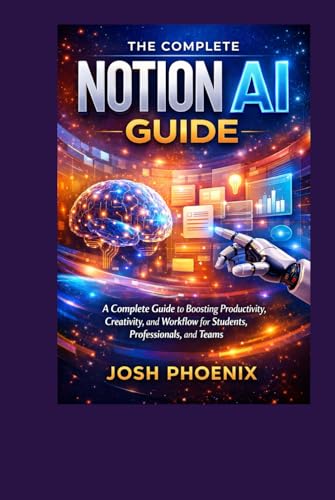
The Complete Notion AI Guide: A Complete Guide to Boosting Productivity, Creativity, and Workflow for Students, Professionals, and Teams
As an affiliate, we earn on qualifying purchases.
As an affiliate, we earn on qualifying purchases.
Emergence of AI in Student Productivity Tools
Over the past few years, AI integration into productivity applications has accelerated, with platforms like Notion, Google, and emerging startups introducing features that automate note-taking, scheduling, and project management. Thorsten MeyerAI.com’s recent review reflects this trend, highlighting how AI tools are increasingly tailored to student needs. Prior to this, traditional tools lacked automation, requiring manual effort, but recent advancements have made AI-powered solutions more accessible and customizable for educational purposes.“The best tools combine automation with user control, enabling students to customize workflows without overwhelming complexity.”
— Thorsten Meyer
Uncertainties About Long-Term Effectiveness and Security
While these AI tools show promise, it is not yet clear how they will perform over the long term in diverse educational environments. Data security and privacy concerns remain, especially for cloud-based solutions, and some features may require ongoing updates or technical support. Additionally, the effectiveness of automation features varies depending on user engagement and customization, which can affect overall productivity gains. More research and user feedback are needed to evaluate sustained benefits and potential risks.
Future Developments and Adoption Trends in AI Student Tools
Expect further enhancements in AI automation, better integration with learning management systems, and increased personalization features. Developers are likely to focus on improving ease of use for beginners while offering advanced options for power users. Educational institutions may begin formally recommending or integrating these tools into curricula, and ongoing user feedback will shape their evolution. Monitoring user experiences and security practices will be critical as adoption expands.
Key Questions
Can these AI tools fully replace traditional note-taking and project management methods?
While AI-powered tools significantly enhance organization and automation, they are best used as supplements to manual methods. Manual note-taking and planning still have educational value, but AI tools can streamline workflows and improve efficiency when used together.
Are these AI tools suitable for group projects and collaboration?
Most of these tools support real-time collaboration, shared workspaces, and integration with platforms like Google Drive, making them well-suited for group work. However, it’s important to verify each tool’s specific collaboration features to ensure they meet your team’s needs.
How secure is my data when using these AI-powered student tools?
Data security varies by provider. Reputable platforms typically use encryption and adhere to privacy standards. Users should review each platform’s privacy policy and avoid sharing highly sensitive information unless security measures are confirmed.
Will I need technical skills to set up and use these AI tools effectively?
Most tools are designed for ease of use, requiring minimal technical skills. Advanced features or integrations might need some familiarity with workflows or APIs, but beginner options generally offer straightforward onboarding and support resources.
Source: ThorstenMeyerAI.com