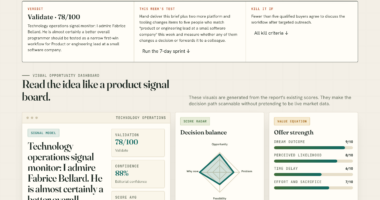
📊 Full opportunity report: Nvidia's Acquisition Of The Open Commons: What AI Experts Are Saying on ThorstenMeyerAI.com — validation score, market gap, and execution plan.
TL;DR
Nvidia is in advanced talks to acquire Hugging Face for approximately $12.9 billion. The move aims to secure influence over the open-source AI model ecosystem but raises concerns about neutrality and regulatory scrutiny. The deal is not yet finalized.
Nvidia has reportedly reached a preliminary agreement to acquire Hugging Face for approximately $12.9 billion. This potential deal, still unconfirmed by either company, signals Nvidia’s strategic effort to dominate the open-source AI model ecosystem and reinforce its market position amid industry shifts. The move is significant because it involves ownership of a key platform used by developers worldwide, with implications for competition, neutrality, and regulation.
According to sources from The Information, Nvidia’s deal to acquire Hugging Face is in principle, with a valuation exceeding $13 billion after adjustments. Multiple outlets, including CNBC and Bloomberg, have corroborated that recent negotiations have accelerated, especially after Hugging Face attracted interest from other potential buyers. However, neither Nvidia nor Hugging Face has officially confirmed the agreement, and the deal remains subject to change or rejection.
Hugging Face, valued at about $4.5 billion earlier this year, notably declined a $500 million investment from Nvidia in 2023, which valued the company at nearly $7 billion. The rapid increase in valuation to over $13 billion suggests that the acquisition is driven more by strategic influence than by current revenue or business performance. The company’s revenue, around $150 million annually, is relatively modest compared to the valuation, emphasizing the importance of the platform’s ecosystem and influence.
Nvidia’s interest appears rooted in three strategic goals: defending its GPU dominance, re-entering cloud markets, and extending its reach across the AI model stack. The acquisition would give Nvidia control over a platform that hosts, shares, and discovers open-source models, which are critical to the AI development landscape. This move aims to safeguard Nvidia’s hardware moat, foster demand for its chips, and position itself as a central player in AI software and model deployment.
Reportedly ~$12.9B for Hugging Face — the GitHub of open weights. At ~86× revenue, this only computes as buying the ecosystem, not a software business. Reported, not yet closed.
Implications for AI Ecosystem Neutrality
This potential acquisition raises important questions about the neutrality of the open-source AI ecosystem. Hugging Face’s value has historically been its role as a neutral platform hosting models from diverse labs and countries, free from commercial or political influence. Ownership by Nvidia, a dominant GPU manufacturer with vested interests in AI model deployment, could alter this neutrality. Experts warn that such a shift might influence which models are promoted or prioritized, potentially impacting the open community’s independence and trust.
Moreover, the deal could accelerate industry consolidation, prompting regulators to scrutinize Nvidia’s growing influence over AI infrastructure. As Nvidia already controls a significant portion of AI compute hardware, acquiring a key open-model platform could lead to antitrust concerns, similar to previous regulatory challenges faced by the company, such as its failed attempt to acquire Arm.
As an affiliate, we earn on qualifying purchases.
Industry Context and Previous Moves
Hugging Face has become a central hub for open-source AI models, hosting thousands of models from various organizations and fostering a collaborative ecosystem. Its valuation surged from about $4.5 billion in early 2023 to over $13 billion in 2024, driven by its expanding user base and strategic importance. The company’s decision to decline a $500 million Nvidia investment earlier this year indicated a desire to maintain independence and control over its platform.
Nvidia’s strategic interest in open-source AI platforms is well-documented. The company has long aimed to secure its position as the primary provider of AI hardware and software infrastructure. Its recent moves, including the development of chips and software frameworks, reflect an effort to reduce dependency on other chipmakers and to dominate the AI stack from hardware to deployment.
The proposed acquisition of Hugging Face signals a shift toward vertical integration, where Nvidia seeks to control not just hardware but also the discovery and distribution of models, which are central to AI innovation and deployment.
Deal Confirmation and Regulatory Review Uncertainties
The agreement remains unconfirmed officially by Nvidia and Hugging Face, and negotiations could still fall apart or be delayed. The deal’s approval will likely face intense regulatory scrutiny, given Nvidia’s existing market dominance and the potential implications for competition and neutrality in AI ecosystems. It is unclear whether regulators will approve the acquisition or impose conditions to preserve ecosystem independence.
Next Steps in Deal Finalization and Industry Impact
Both companies are expected to continue negotiations, with a decision on whether to proceed likely in the coming months. If finalized, the acquisition could lead to significant shifts in AI infrastructure, prompting industry responses and regulatory evaluations. Experts will monitor how Nvidia manages Hugging Face’s platform post-acquisition, especially regarding neutrality and openness.
Additionally, industry stakeholders may accelerate their own strategies to either counterbalance Nvidia’s influence or adapt to a potentially more consolidated AI landscape.
Key Questions
Why is Nvidia interested in acquiring Hugging Face?
Nvidia aims to secure influence over the open-source AI model ecosystem, protect its GPU dominance, re-enter cloud markets, and extend its reach across the AI stack, from hardware to deployment platforms.
Could this deal impact the neutrality of open-source AI models?
Yes, experts warn that Nvidia’s ownership could influence model promotion and ecosystem independence, raising concerns about bias and control over open AI resources.
What regulatory challenges could Nvidia face?
Nvidia’s existing market power and the strategic importance of the deal could attract antitrust scrutiny, similar to past regulatory challenges over its acquisitions, especially if regulators view the deal as consolidating too much control over AI infrastructure.
When might the deal be finalized?
Negotiations are ongoing, with a decision expected in the coming months. The deal’s approval depends on regulatory review and whether both parties can agree on terms.
What does this mean for AI developers and users?
If completed, the acquisition could influence which models are prioritized and how open ecosystems operate, potentially affecting innovation, neutrality, and competition in AI development.
Source: ThorstenMeyerAI.com