
TL;DR

Get the little things that make your day delivered free with Prime
- Fast, free delivery on millions of items
- Prime Video, Amazon Music and more included
- Member-only deals all year
The US Congress is advancing a bill to establish permanent daylight savings time nationwide. The measure aims to end seasonal clock changes, but it is not yet law. Further legislative steps are pending.
The US Congress is considering the Sunshine Protection Act, which would make daylight savings time permanent, eliminating the biannual clock changes that have been in place for decades.
The bill, known as the Sunshine Protection Act, has passed the Senate and is now under consideration in the House of Representatives. If enacted, the measure would make daylight savings time permanent nationwide, meaning clocks would no longer fall back in autumn or spring. The legislation is supported by several states and advocacy groups citing health, safety, and economic benefits, as well as the potential impact of Daylight Saving Time policies.
Officials involved in drafting the bill say the move aims to provide consistent daylight hours, reduce confusion, and improve public well-being, especially considering Daylight Saving Time changes. The measure has garnered bipartisan support, although some critics express concerns about potential impacts on morning safety and darker winter mornings.
Implications of a Permanent Daylight Savings Time Law
If passed into law, permanent daylight savings time could reshape daily routines, work schedules, and energy consumption patterns across the US. Proponents argue it will lead to better mental health, reduced traffic accidents, and increased outdoor activity. However, critics warn that it may cause darker mornings during winter months, affecting safety and productivity.
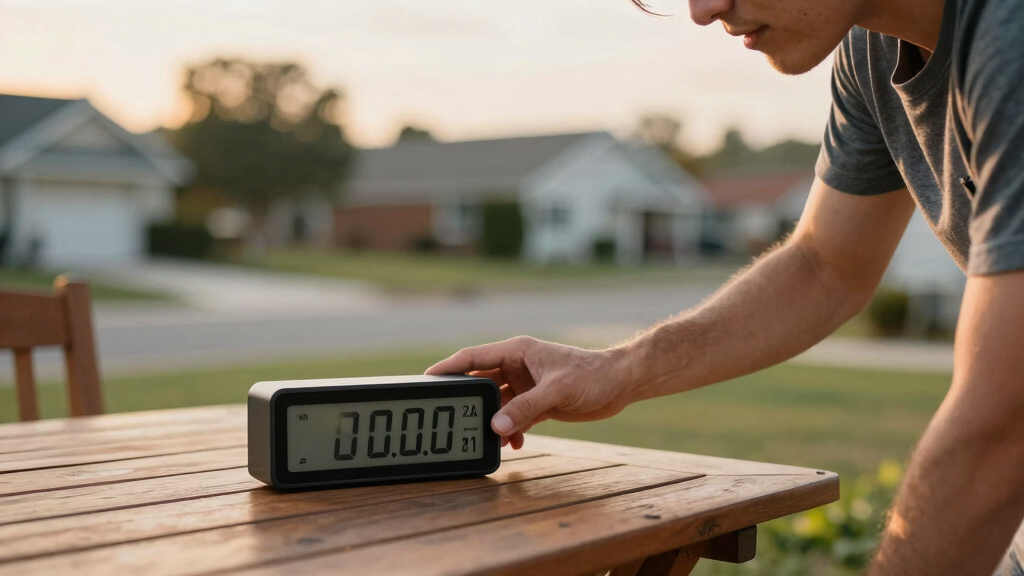
alarm clocks for daylight savings time
As an affiliate, we earn on qualifying purchases.
As an affiliate, we earn on qualifying purchases.
Legislative Progress and Public Support for Permanent DST
The push for permanent daylight savings time has gained momentum over recent years, with several states passing laws or resolutions supporting the change. The federal government has considered such measures before, but it was not until recent years that the idea gained widespread legislative traction. The Senate passed the Sunshine Protection Act in 2022, and similar discussions are ongoing in Congress.
Public opinion polls indicate strong support for permanent DST, especially among younger populations and outdoor activity advocates. Nonetheless, some experts and safety officials remain cautious about the potential drawbacks during winter mornings.
“While permanent DST has benefits, we must consider the impact on morning safety and children’s routines in winter.”
— Dr. Jane Smith, Sleep Researcher
Unresolved Questions About Safety and Implementation
It remains uncertain whether the bill will pass the House and be signed into law by the President. Additionally, the potential impacts on morning safety, energy use, and public health are still under review, with experts calling for further research before full implementation.
Next Steps in Legislative Process and Public Debate
The bill is expected to undergo further votes in the House of Representatives. If approved, it will then be sent to President Biden for signing into law. Stakeholders, including safety officials and public health advocates, are preparing for potential adjustments based on the final legislation. Public hearings and expert consultations are likely to continue in the coming months.
Key Questions
What is permanent daylight savings time?
It is a change to the current system where clocks are set forward in spring and back in fall, making daylight saving time year-round without seasonal adjustments.
When could this change take effect?
If the legislation passes, implementation could occur as early as 2024 or 2025, depending on legislative and administrative processes.
What are the main benefits of permanent DST?
Proponents cite benefits such as longer evening daylight, improved mental health, reduced traffic accidents, and economic gains from increased outdoor activity.
Are there any drawbacks to permanent DST?
Critics warn about darker mornings during winter, which could impact safety, especially for children and morning commuters, and disrupt sleep patterns.
Will all states adopt permanent DST?
While federal legislation would set nationwide standards, individual states can still influence local observance, and some states have already expressed opposition or preference for other time arrangements.
Source: google-trends
NFL season / tailgating Picks
team gear
As an affiliate, we earn on qualifying purchases.