

To ask for a price match without getting denied, research the store’s policy first, then gather clear proof like screenshots or ads of the lower price. Approach associates confidently, politely explain your request, and provide your evidence. Stay professional, be specific about the product, and understand potential restrictions. Doing this increases your chances of success. Keep learning more strategies to make your price matching smooth and reliable.

Get the little things that make your day delivered free with Prime
- Fast, free delivery on millions of items
- Prime Video, Amazon Music and more included
- Member-only deals all year
Key Takeaways
- Research and gather recent, verifiable proof of the lower price before approaching the store.
- Understand each retailer’s specific price matching policies, including exclusions and required documentation.
- Approach store associates confidently and politely, clearly presenting your evidence and referencing policy details.
- Be prepared to explain why your proof meets the store’s criteria and address any questions professionally.
- Escalate to a manager if initially denied, maintaining professionalism and providing additional supporting evidence if possible.
Products Worth Considering

Samsung 85-Inch M70H Series Mini LED 4K Smart TV (2026)

Google Nest Doorbell (Wired, 2nd Gen) – Snow

Levoit Eleva 300X HEPA Air Purifier for Home and Bedroom
As an affiliate, we earn on qualifying purchases.
What Is Price Matching and Why Does It Matter?

Ever wonder how you can get the best deals while shopping? Price matching is a strategy that helps you do just that. It’s a retailer policy allowing you to compare prices and request the store to match a lower price from a competitor. Understanding what price matching is matters because it empowers you to save money and make informed decisions. Retailer policies vary, so knowing the details guarantees you’re aware of how and when you can ask for a price match. Your customer rights include the ability to inquire about these policies and use them to your advantage. By being familiar with the basics, you can confidently approach stores and secure better deals, making your shopping experience more cost-effective. Additionally, knowing how comparison policies influence savings opportunities can help you maximize your discounts and avoid missing out on potential deals. Recognizing the importance of retailer-specific policies can further enhance your ability to utilize price matching effectively. Being aware of store policies can also help you navigate exceptions and specific restrictions that may apply, especially considering consumer protection laws that safeguard your rights during such transactions.
Top Retailers That Offer Price Matching and Their Policies
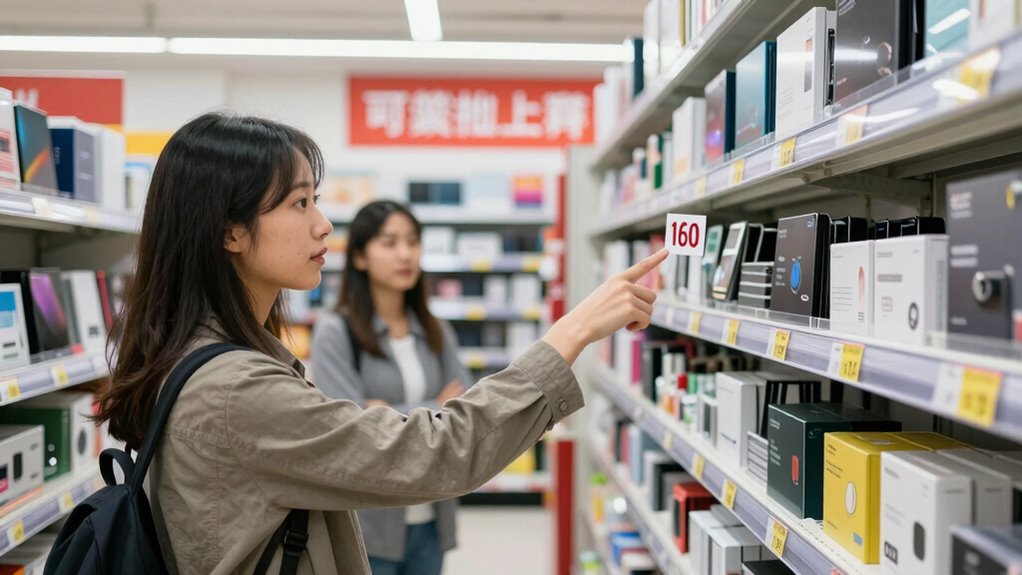
Many top retailers have specific price match policies that you should understand before shopping. These policies vary in aspects of criteria, such as product conditions and timeframes, and often include exceptions or limitations. Knowing these details helps you take full advantage of price matching offers and avoid surprises at checkout. Additionally, understanding retailer policies can help you prepare the necessary proof or documentation needed to successfully request a price match. Being aware of electric bike specifications, such as motor power and battery capacity, can also strengthen your case when requesting a price adjustment. For example, some retailers may have support breakfast policies that specify how to handle requests related to product features or warranties, and understanding cookie categories can help you manage your online browsing preferences during your shopping research. Recognizing the net worth of public figures or their backgrounds can sometimes inform your purchasing decisions, especially when shopping for items endorsed by them.
Major Retailers’ Price Match Policies
Several major retailers have established price match policies to attract customers and stay competitive. These policies often include matching prices found at competitors, both in-store and online. Retailers like Target, Walmart, and Best Buy typically honor price matches when you present proof, such as a lower advertised price. Many also integrate loyalty programs, making it easier to access price adjustments or discounts. If you shop online, some stores will match prices listed on competitor websites, provided the product is identical and in stock. Keep in mind that each retailer’s policy varies regarding exclusions or time limits. Understanding price match policies can help you confidently ask for a price match and maximize savings during your shopping trips, whether in-store or online. Being aware of retailer-specific rules can further improve your chances of success. Additionally, familiarizing yourself with store policies on exclusions and time frames can prevent surprises at checkout.
Criteria for Price Matching
When a retailer offers price matching, they typically set specific criteria to determine whether they will honor the match. These retail policies often include requirements like the price being from a reputable competitor, listed for a similar product, and available for purchase at the time of your request. Some retailers specify that the competitor’s price must be current and verifiable, often requiring a printed ad or a website link. Their customer service teams are trained to evaluate these conditions quickly to decide if the price match applies. Understanding these criteria helps you present your case effectively and increases your chances of success. Knowing the retailer’s retail policies guarantees you stay within their guidelines, making the process smoother and more transparent. Additionally, being aware of price matching policies can help you identify which stores are more flexible and willing to accommodate your request, especially when considering store-specific rules. Being familiar with acceptable proof requirements enables you to prepare the necessary documentation beforehand, streamlining your price match request.
Exceptions and Limitations
While most top retailers offer price matching, they also set exceptions and limitations that you need to be aware of. Retailer restrictions often restrict price matching to certain products, brands, or categories. Policy exceptions may exclude clearance items, third-party sellers, or online-only prices. It’s crucial to review each retailer’s specific rules to avoid surprises. For example, some retailers don’t match prices from competitors’ catalogs or special promotions. Additionally, price match guarantees might not apply during holiday sales or limited-time offers. Understanding these restrictions helps you set realistic expectations and avoids frustration. To maximize success, always check the retailer’s policy exceptions beforehand and be prepared to provide proof within their specified guidelines. Staying informed ensures your price matching efforts remain effective and stress-free. Price matching policies vary significantly among retailers, so knowing the specifics can help you leverage the best deals.
How to Prepare Your Price Match Request Effectively
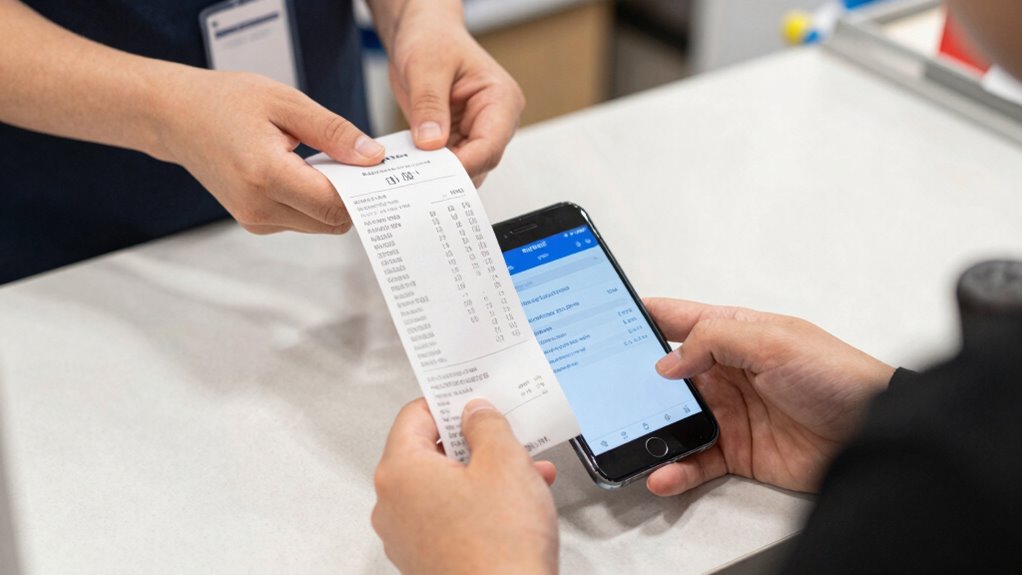
To guarantee your price match request is successful, you need to gather all relevant information before reaching out. Start by researching the competitor’s pricing strategies, ensuring you have current prices, product details, and any applicable promotions. Take clear, timestamped photos or screenshots of the advertised price, and note the store’s name and location. Organize this information neatly for quick reference. This preparation demonstrates to customer service that you’ve done your homework, increasing your chances of approval. Being well-informed also helps you confidently explain your request, showing you understand the process and policies. Remember, clear and concise documentation reflects your seriousness and respect for the store’s procedures, making it easier for customer service to process your request smoothly. Additionally, understanding measurement tools can help you verify product specifications and ensure you’re comparing identical items. Familiarizing yourself with price comparison techniques can further strengthen your case by highlighting how your requested price aligns with market value.
How to Approach Store Associates Confidently

Approaching store associates confidently starts with a friendly, respectful attitude. When you exude store confidence and communicate clearly, it creates a positive interaction. Keep these tips in mind:
- Make eye contact to show you’re engaged and sincere
- Smile genuinely to set a friendly tone
- Speak calmly and directly to convey confidence
- Be aware of ethical considerations that may influence how you present your case, ensuring your approach remains honest and respectful. Additionally, demonstrating auditory processing skills can help clarify your needs and improve communication effectiveness during the interaction. Being familiar with toilet maintenance and repairs can also give you added confidence, as understanding common issues can help you discuss your needs more effectively. Developing your cycling gear knowledge can further enhance your credibility and ease discussions about product pricing or matching. Recognizing the importance of preparation can boost your confidence and help you articulate your request more effectively.
These actions help you appear approachable and prepared, encouraging the associate to assist you effectively. Remember, a confident approach makes it easier to navigate associate communication and get the support you need. Stay respectful and polite, even if the process feels challenging. Your attitude can influence the outcome, so project assurance and clarity from the start. Confident, respectful interaction increases your chances of a successful price match discussion.
Tips for Crafting a Successful Price Match Request
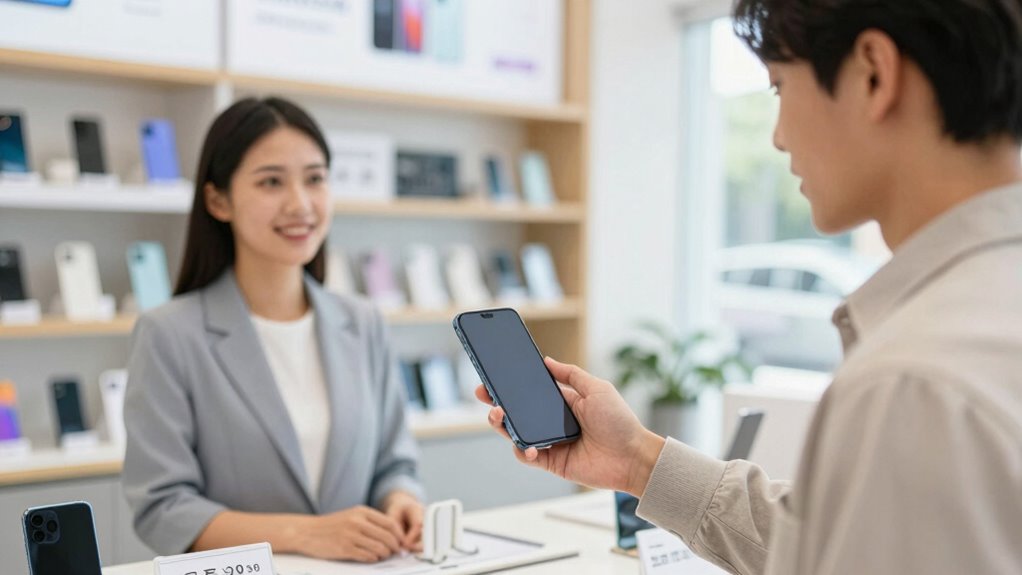
Once you’ve established a confident and respectful attitude when speaking with store associates, the next step is to craft a clear and compelling price match request. Be specific about the competitor’s price, including store name, product details, and price. Present your request politely, emphasizing your desire for customer satisfaction and your loyalty to the store. Highlight any promotional strategies or discounts that support your case, such as recent sales or online offers. Keep your request concise yet informative, avoiding unnecessary details. A well-organized request shows you’re serious and thoughtful, increasing your chances of success. Remember, a respectful tone and clear evidence strengthen your position, making it easier for store associates to approve your price match seamlessly. Additionally, understanding the pricing policies of the store can help you tailor your request more effectively. Being aware of current market trends can also bolster your case, especially if you can demonstrate how the competitor’s price aligns with recent pricing fluctuations or industry standards. For example, referencing industry pricing fluctuations can add credibility to your request.
Common Reasons Price Matches Get Denied and How to Avoid Them

Many price match requests get denied because customers don’t provide enough clear evidence or meet the store’s specific policies. Common reasons include misunderstandings about price matching misconceptions and store policy nuances. To avoid denial, guarantee you have proof that clearly shows the lower price, such as a screenshot or ad. Also, read the store’s policy carefully, as some have restrictions like expiration dates or specific retailers.
Remember:
- Not providing valid, recent proof
- Overlooking specific store policy nuances
- Failing to meet eligibility requirements
Being aware of these pitfalls helps you craft a stronger request. If you misunderstand price matching misconceptions or ignore store policy nuances, your chances of approval drop markedly. Clear evidence and understanding store rules are your best tools for successful price matching.
What to Do If Your Price Match Is Denied and Your Next Moves

When your price match is denied, start by clarifying why it was rejected to understand your options. If the reason isn’t satisfactory, try negotiating or escalating the issue with a manager. Don’t forget to explore alternative solutions, like finding comparable deals elsewhere or asking for additional discounts.
Clarify Denial Reasoning
If your price match request gets denied, it’s important to understand why. Politely ask the store associate for specific reasons behind the refusal. Clarifying their reasoning helps you identify potential issues with your request or their policies. You can also use this information to improve your approach or challenge their decision if necessary. Keep these points in mind:
- They may have different pricing strategies or restrictions.
- The product might not meet the store’s criteria for price matching.
- Customer service policies could limit matching in certain situations.
Understanding the reason allows you to respond thoughtfully, whether by providing additional proof or adjusting your request. Staying calm and respectful keeps the conversation productive and increases your chances of success in future attempts.
Negotiate or Escalate
Sometimes, a store may still refuse your price match despite your explanation. Instead of giving up, try negotiating or escalating politely. Highlight your loyalty and mention any previous purchases to strengthen your case. If that doesn’t work, ask if there are alternative discounts or upcoming sales. You can also escalate to a manager by calmly requesting their supervisor’s decision. Use effective discount strategies, like referencing competitor prices or bundling items, to justify your request. Remember, customer loyalty can be a powerful tool—stores often prefer to retain loyal shoppers. Here’s a quick guide to your options:
| Action | Approach | Outcome |
|---|---|---|
| Negotiate politely | Mention loyalty & competitor prices | Better chance of approval |
| Escalate to manager | Request supervisor review | Potential success |
| Ask about upcoming sales | Inquire about future discounts | Save money later |
| Use discount strategies | Bundle or reference deals | Strengthen your position |
| Remain courteous | Keep calm and respectful | Maintain good rapport |
Explore Alternative Solutions
If your price match request gets denied despite your efforts, don’t automatically assume you’re out of options. Instead, explore alternative solutions by considering other ways to save. Conduct a quick price comparison online to find better deals or discounts. You might also ask the store if they can match a different competitor’s offer or provide store-specific promotions. Keep in mind, some stores may have ongoing sales or loyalty programs that can give you extra savings. To maximize your chances, be polite but firm, and clearly explain your goal of finding the best deal. Remember, exploring alternative options often leads to unexpected savings, even if your initial price match request was denied. Stay flexible and persistent—you might just discover a better deal than anticipated.
Strategies to Consistently Save Using Price Matching
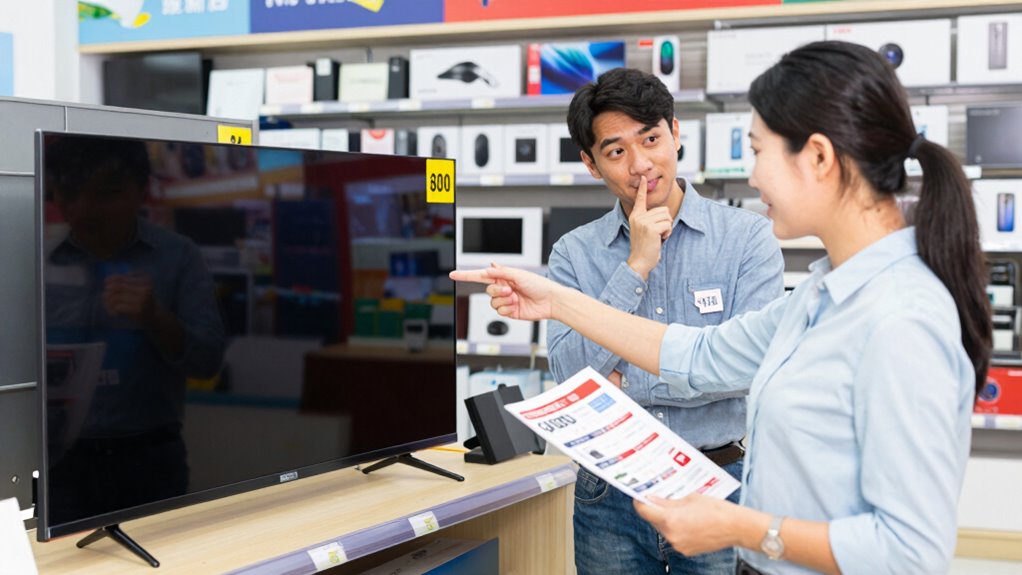
To consistently save money through price matching, you need a strategic approach that maximizes every opportunity. Start by researching retail discounts and comparing prices across multiple stores before shopping. Use online tools and apps to track price trends and identify the best deals. Develop effective shopping strategies, like timing your purchases during sales or when stores are more receptive to price matching. Keep a record of competitor prices and receipts to support your requests. Be polite but assertive when asking for price matches, and don’t hesitate to escalate if needed. By staying organized and informed, you turn price matching into a reliable way to save on everyday purchases, ensuring you get the best deals without sacrificing convenience.
Frequently Asked Questions
Can I Price Match Online and In-Store Purchases?
Yes, you can typically price match both online and in-store purchases, but it depends on the store’s online policies and store procedures. Always check the retailer’s specific guidelines, as some may require you to show proof of the online price or match only in-store prices. Follow their procedures closely, and be prepared to provide evidence like a screenshot or website link to guarantee your price match request is successful.
Are There Any Products Excluded From Price Matching Policies?
Sure, some products are off-limits, thanks to the exclusions list and policy exceptions. You can’t price match gift cards, clearance items, or store-exclusive deals, because apparently, they’re sacred. High-demand electronics, luxury brands, and online-only sales often get the boot too. So, if you’re eyeing a discount on those, don’t bother wasting your breath—these exclusions are the store’s way of saying, “Nice try, but no.”
How Recent Does the Competitor’s Price Need to Be?
You should guarantee the competitor’s price is recent, typically within their latest price update frequency, which is often 24 to 48 hours. Retailers prefer to see current prices to verify the recency of the competitor’s offer. When requesting a match, mention the latest competitor price date, demonstrating your awareness of their price update frequency and ensuring your request aligns with their policy on competitor price recency.
Can I Combine Price Matching With Other Discounts or Coupons?
Think of it like a dial-up modem—you can often combine price matching policies with coupons, but it’s not always guaranteed. Check the store’s specific coupon stacking policies first, as some retailers allow it while others don’t. To maximize savings, ask if you can match the lower price and then use your coupons or discounts afterward. Always clarify store rules beforehand to avoid surprises at checkout.
What Should I Do if the Store Refuses My Price Match Request?
If the store refuses your price match request, stay calm and ask for a clear explanation of their store policy. You can politely inquire if there’s room for an exception or if you can speak with a manager. Sometimes, understanding their policy better helps. If they stand firm, consider shopping elsewhere or waiting for future promotions. Remember, knowing the store policy gives you leverage during negotiations.
Conclusion
Did you know that nearly 60% of shoppers successfully get price matches when they ask confidently? By understanding retailer policies, preparing your request, and approaching store associates with confidence, you can boost your chances even more. Remember, staying informed and polite makes all the difference. With a little preparation, you’ll save money on every purchase. So next time, don’t hesitate—your wallet will thank you!