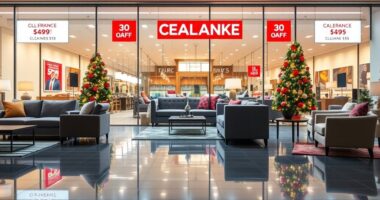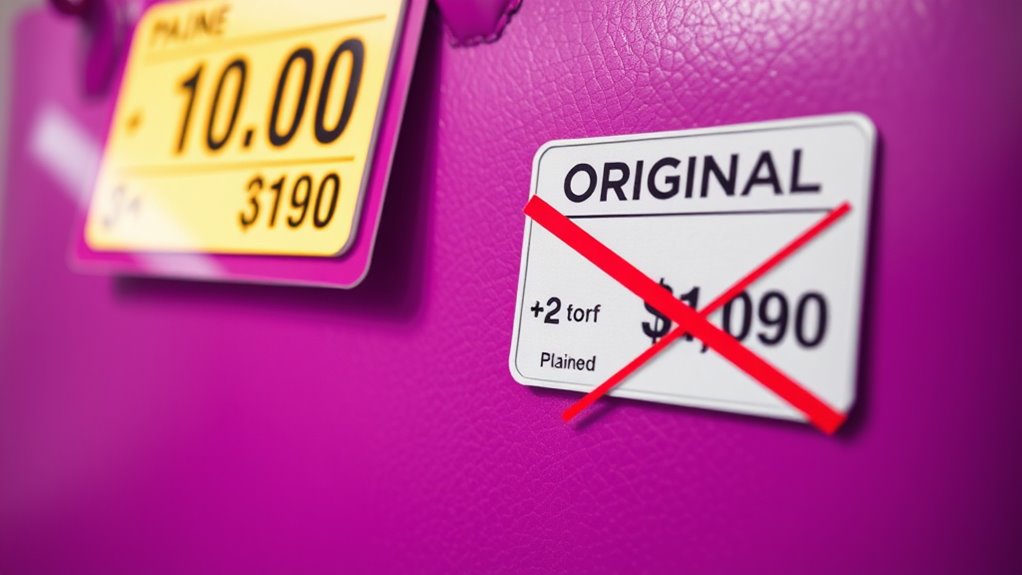

To spot fake deals, look out for inflated “original” prices that seem unnaturally high compared to market values. Retailers often set these prices to make discounts look better than they really are. Use price comparison websites or check other stores to see if the “original” price is realistic. Be skeptical of limited-time offers or flash sales that create a false sense of urgency. Keep these tips in mind—you’ll discover more ways to recognize sneaky pricing tactics as you go along.
Key Takeaways
- Compare the “original” price with prices at other retailers to identify potential inflation.
- Be skeptical of consistently high “original” prices across different stores.
- Use price comparison websites to verify if discounts reflect genuine savings.
- Watch for sudden, inflated “original” prices during limited-time sales or flash deals.
- Research product value and check the fine print to assess if discounts are based on real or padded prices.
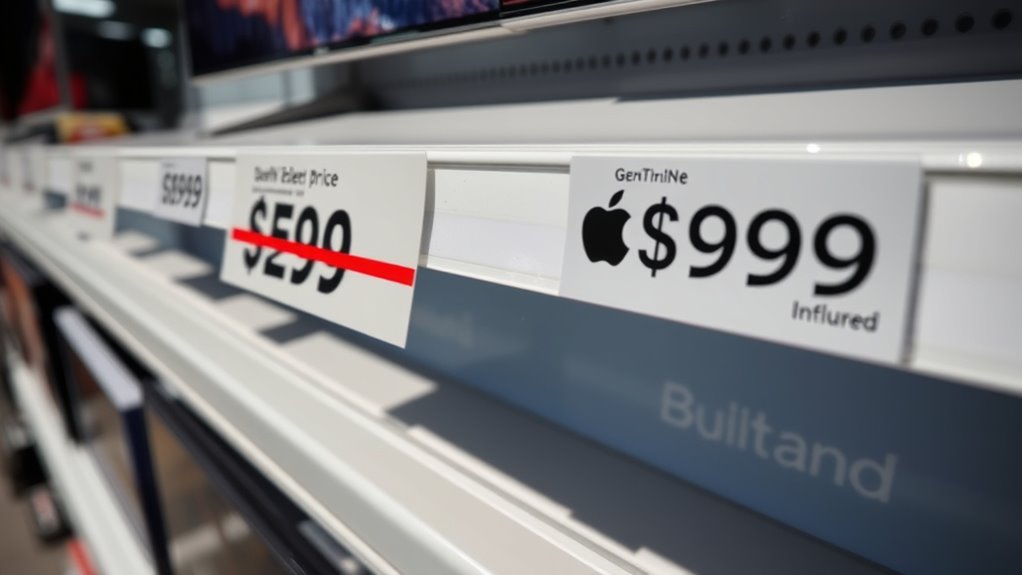
When you’re shopping for a deal, it’s easy to be fooled by inflated “original” prices that retailers use to make discounts look more appealing. These pricing tactics are designed to catch your eye and encourage quick buying decisions. Retailers often inflate the original price to create a sense of savings, but if you’re aware of how these tactics work, you can see through the consumer deception. The key is to recognize when a supposed discount isn’t as impressive as it seems.
Watch out for inflated original prices—they often hide the true value of discounts.
One common approach involves setting an artificially high “original” price that isn’t based on the product’s true value or typical market price. Retailers may mark up an item considerably, then offer a discount that looks substantial on paper. But if you do some quick research or compare prices elsewhere, you’ll notice that the original price was never realistic. This trick makes the discount seem more important than it actually is, leading you to believe you’re getting a better deal than you really are.
Another tactic involves using limited-time offers or flash sales to create urgency. These sales often feature inflated original prices to make the current deal seem like a rare opportunity. However, the original prices are frequently arbitrary or padded to inflate the perceived savings. This consumer deception plays on your fear of missing out, pushing you to buy without thoroughly checking whether you’re truly saving money. Recognizing these tactics helps you stay rational and avoid impulse purchases based on manipulated price comparisons.
It’s also helpful to compare prices across multiple retailers. If a product’s “original” price is consistently higher at one store, it might be a sign that the retailer is using inflated prices to make their discounts look better. Online tools and price comparison websites can make this process easier, providing a clearer picture of what a fair price looks like for a specific item. By doing your homework, you can see past the inflated original prices and avoid being duped into paying more than necessary.
Additionally, understanding butter making techniques can teach you how to identify authentic quality and value in products, which is a useful skill when evaluating deals and pricing claims. Finally, pay attention to the fine print and the context of the sale. Sometimes, the supposed discount is based on a previous price that was never actually charged. Retailers can also change the original price during sales periods, making it harder for consumers to verify the legitimacy of the deal. Being skeptical of “original” prices and doing a little research can save you from falling for these common consumer deception tactics. Recognizing these signs empowers you to make smarter, more informed purchasing decisions, ensuring you’re truly getting a deal rather than just a cleverly disguised scam.
Frequently Asked Questions
How Can I Verify if a Deal Is Genuinely Discounted?
You can verify if a deal is genuinely discounted by doing a price comparison with other retailers to see if the discount is real. Check the retailer’s reputation to guarantee they’re trustworthy and not inflating prices just to appear like they’re offering a deal. Be cautious of prices that seem too good to be true and always review the product’s history to confirm the discount is legitimate.
What Tools Can Help Identify Inflated Original Prices?
You can use price comparison tools and check historical pricing data to identify inflated original prices. These tools show you how much a product has cost over time and compare it across different retailers. By analyzing this information, you’ll see if the “original” price is artificially high. This helps you determine if a deal is genuine or just a marketing tactic to make discounts seem more appealing.
Are There Specific Brands More Prone to Inflated Pricing?
Luxury brands and electronics often have inflated pricing, making them more prone to fake deals. You should watch out for high-end designer labels like Gucci, Prada, and Louis Vuitton, which sometimes inflate their original prices to create false discounts. Similarly, electronics brands like Apple, Samsung, and Sony can also inflate their pricing, especially during sales. Always compare prices across multiple sources to confirm you’re getting genuine deals and not falling for inflated original prices.
How Does Seasonal Timing Affect Inflated Price Tactics?
You might think seasonal timing doesn’t matter, but it actually influences inflated price tactics. During seasonal sales and holiday discounts, retailers often inflate original prices to make discounts seem more attractive. Be cautious around these periods, as inflated prices can be used to create fake deals. Recognizing this helps you avoid overpaying, ensuring you get real value rather than falling for tactics that capitalize on seasonal shopping momentum.
Can Customer Reviews Reveal Fake Deal Tactics?
Yes, customer reviews can reveal fake deal tactics. Look for suspiciously fake reviews or overly positive feedback that seems inauthentic. Review authenticity is key; if many reviews sound similar or lack detail, they might be fake. By analyzing patterns and inconsistencies, you can spot attempts to inflate a deal’s value. Trust genuine reviews to help you make informed decisions and avoid falling for deceptive pricing tricks.
Conclusion
Now that you know how to spot fake deals and inflated original prices, you’re better equipped to make smart choices. Don’t let false discounts pull the wool over your eyes—stay vigilant and compare prices before buying. Remember, if a deal sounds too good to be true, it probably is. Keep your eyes open, do your homework, and don’t be fooled by shiny tricks. Stay sharp and shop wisely, because knowledge is your best weapon in the retail jungle.