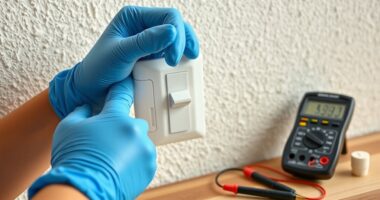
Insulating your home helps you save energy and cut costs by creating a thermal barrier that prevents heat from escaping in winter and keeps it out in summer. Choosing the right materials, like fiberglass or spray foam, and ensuring proper installation maximize these benefits. Focus on critical areas such as walls, attics, and gaps around doors and windows. By exploring these strategies further, you’ll discover how to optimize your home’s comfort and efficiency effectively.
Key Takeaways
- Proper insulation creates thermal barriers that reduce heat loss in winter and heat gain in summer.
- Selecting the right insulation type and R-value for your climate maximizes energy savings.
- Ensuring correct installation prevents gaps and leaks, enhancing insulation efficiency.
- Sealing leaks around windows, doors, and vents further improves energy conservation.
- Regular maintenance and targeted insulation of key areas lower utility costs and increase home comfort.
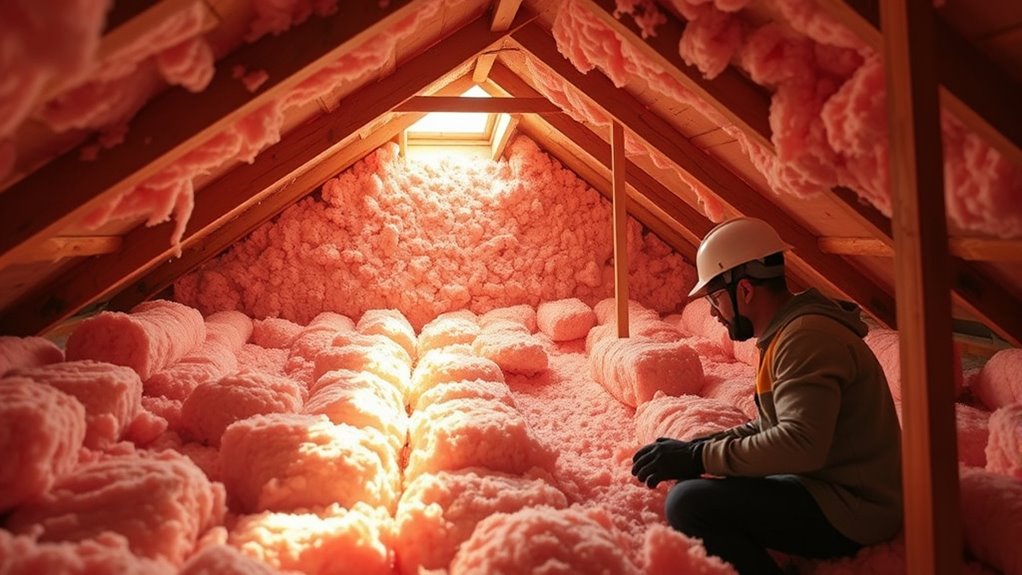
Insulating your home is one of the most effective ways to improve energy efficiency and lower utility bills. When you focus on proper insulation, you’re creating thermal barriers that prevent heat from escaping during winter and keep your home cooler in the summer. This means your heating and cooling systems don’t have to work as hard, saving you money and reducing your energy consumption. To achieve this, it’s vital to select the right insulation materials for your specific needs. Different insulation materials, like fiberglass, foam board, spray foam, and mineral wool, offer various benefits, so understanding their properties helps you make informed choices.
Fiberglass insulation is one of the most common options because it’s affordable and easy to install. It works well in walls, attics, and floors by trapping air within tiny glass fibers, creating a thermal barrier. Spray foam, on the other hand, expands upon application, filling gaps and sealing leaks more effectively than traditional materials. This not only enhances thermal barriers but also improves your home’s overall airtightness. Rigid foam board insulation provides high R-values, making it suitable for insulating exterior walls, basement walls, or even roofing. Mineral wool is fire-resistant and offers excellent soundproofing alongside thermal protection, making it a versatile choice for various parts of your home.
Fiberglass, spray foam, foam board, and mineral wool all offer unique benefits for home insulation.
When you’re considering insulation materials, keep in mind their R-value, which measures thermal resistance. Higher R-values mean better insulation performance. Proper installation is just as important as choosing the right material. If insulation isn’t installed correctly—gaps, compression, or missing sections—your thermal barriers won’t perform effectively, and you’ll lose the energy-saving benefits. Pay attention to areas that are prone to leaks, such as around windows, doors, and vents. Sealing these gaps with weatherstripping or caulk complements your insulation efforts and maximizes their effectiveness. Additionally, understanding projector bulb maintenance can help ensure your home’s electronic devices operate efficiently, reducing energy waste.
You should also consider the climate in your region when selecting insulation materials. In colder areas, higher R-value insulation is vital to retain heat, while in warmer climates, insulation that reflects heat or resists moisture might be more effective. Additionally, think about environmental factors like moisture and mold resistance, especially in basements or attics. Some insulation materials are better suited to these conditions, helping you maintain a healthier, more energy-efficient home.
Frequently Asked Questions
How Often Should Insulation Be Inspected or Replaced?
You should inspect your insulation every 3 to 5 years to guarantee it’s in good condition. The replacement frequency depends on its age and effectiveness; typically, insulation needs replacing every 10 to 15 years. During your inspection schedule, look for signs of moisture, mold, or pests, and consider upgrading if it’s compressed or damaged. Regular checks help maintain energy efficiency and prevent costly heat loss.
What Types of Insulation Are Eco-Friendly Options?
You should choose eco-friendly insulation options like those made from recyclable materials or sustainable insulation sources. These include cellulose made from recycled paper, sheep’s wool, or cork, which are both renewable and biodegradable. By selecting these types, you reduce environmental impact and promote sustainability. Not only do they insulate effectively, but they also help lower your carbon footprint, making your home greener and more energy-efficient.
Can Insulation Improve Indoor Air Quality?
Imagine a gust of invigorating mountain air filling your home—insulation can help make this real. Proper insulation materials, like mineral wool or cellulose, improve air quality benefits by reducing drafts, blocking pollutants, and controlling humidity. You actively create a healthier indoor environment, as insulation minimizes allergens and mold growth. By choosing the right insulation, you turn your space into a sanctuary of cleaner, fresher air.
Is DIY Insulation Installation Effective and Safe?
DIY insulation installation can be effective if you prioritize DIY safety. You need to understand proper techniques and use protective gear to avoid hazards like insulation irritation or inhalation of fibers. While it can save you money, make certain you follow instructions carefully to achieve good insulation effectiveness. If you’re unsure about safety or proper methods, consulting a professional is wise, as incorrect installation can reduce energy savings and pose health risks.
How Does Insulation Impact Home Resale Value?
Think of insulation benefits as a silent boost to your home’s value. When you upgrade your insulation, you enhance home valuation by making your property more energy-efficient and attractive to buyers. While it’s not the only factor, good insulation can set your home apart, evoking feelings of comfort and savings. This investment signals quality to potential buyers, potentially increasing resale value and making your home more appealing in a competitive market.
Conclusion
By insulating your home, you can cut energy costs by up to 20%, making a real difference in your monthly bills. Not only does proper insulation keep your home more comfortable year-round, but it also markedly reduces your carbon footprint. Remember, around 50% of heating and cooling energy is lost through poorly insulated walls and attics. So, investing in insulation today helps save money and protects the environment for tomorrow.