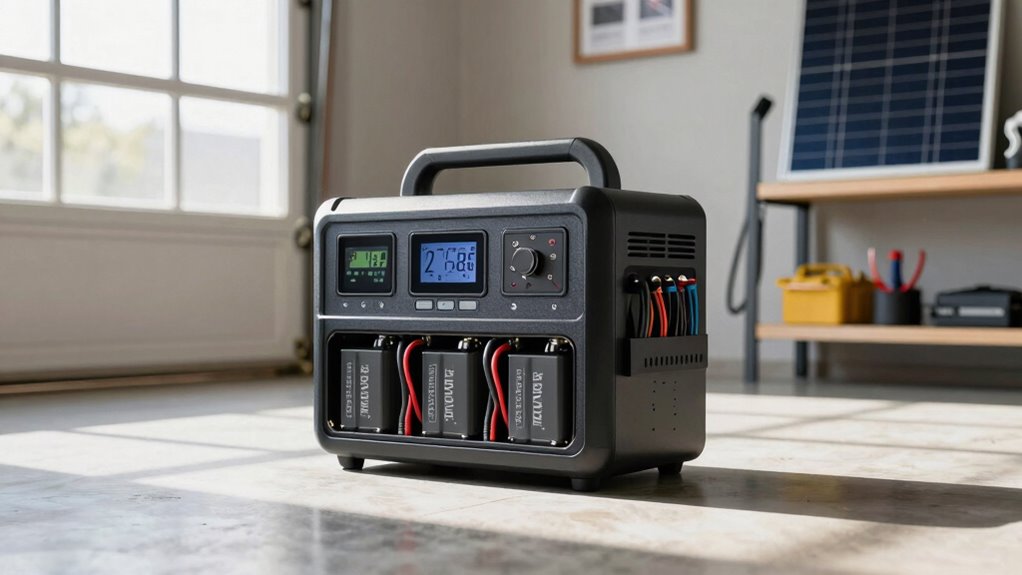
To size your home power station for outages, start by listing your essential appliances and their wattage. Calculate the watt-hours for each device by multiplying wattage by expected run time, then add these to find your total energy needs. Make certain to take into account peak power needs for startup surges. Proper sizing ensures reliability without overspending. If you want to learn how to avoid common mistakes and optimize your system, keep exploring these tips.

Get the little things that make your day delivered free with Prime
- Fast, free delivery on millions of items
- Prime Video, Amazon Music and more included
- Member-only deals all year
Key Takeaways
- List essential appliances and their wattage to determine total energy needs during outages.
- Calculate watt-hours for each device by multiplying wattage by expected runtime.
- Sum individual watt-hours to find the total capacity required for your home power station.
- Match your battery capacity and inverter size to the peak and continuous power demands.
- Consider future device additions and redundancy to ensure sufficient watt-hour sizing for long-term reliability.
How to Determine Your Home Power Needs During Outages
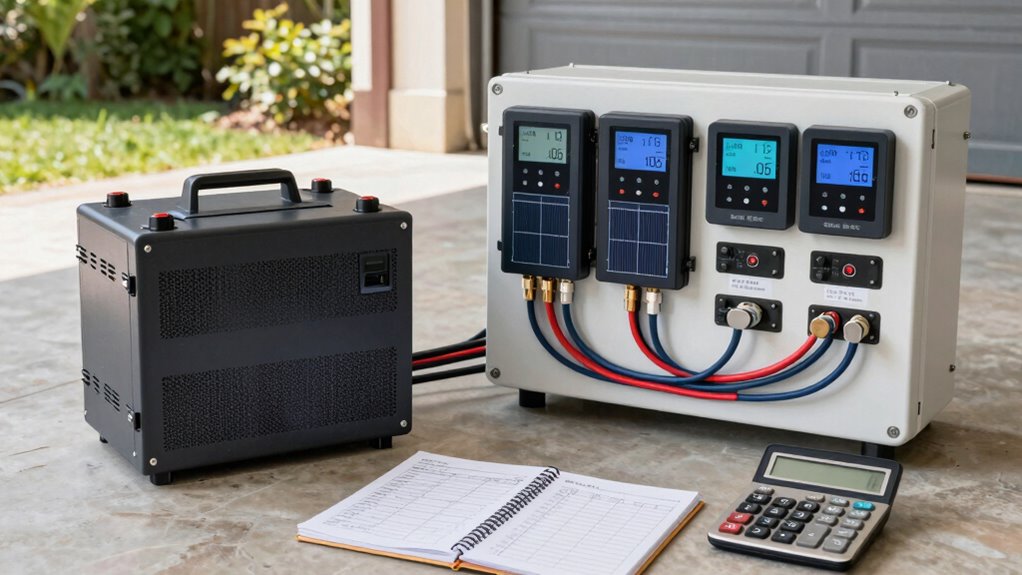
Before choosing a home power station, you need to know which appliances and devices are essential during an outage. Start by listing your must-have devices and their power needs. Consider how you’ll manage battery maintenance; some systems require regular upkeep, affecting long-term reliability. Decide between portable and stationary power stations—portable units are flexible but often have limited capacity, while stationary systems provide more power and are ideal for longer outages. Assess your energy consumption to determine the watt-hour capacity you’ll need. Think about the duration of outages you typically face and how much backup power is necessary. Conducting a thorough load assessment can help you accurately estimate your requirements. Additionally, understanding your home electrical system can ensure compatibility and safe operation of the power station. It’s also important to consider the battery lifespan of different systems to ensure ongoing reliability over time. Evaluating your power needs can help prevent overestimating or underestimating your requirements, ultimately leading to a more efficient setup. To make an informed decision, familiarize yourself with energy storage technologies to select the most suitable system for your needs. By understanding these factors, you can select a power station that efficiently meets your home’s demands without overestimating or underestimating your needs.
Which Essential Devices Should You Power First?
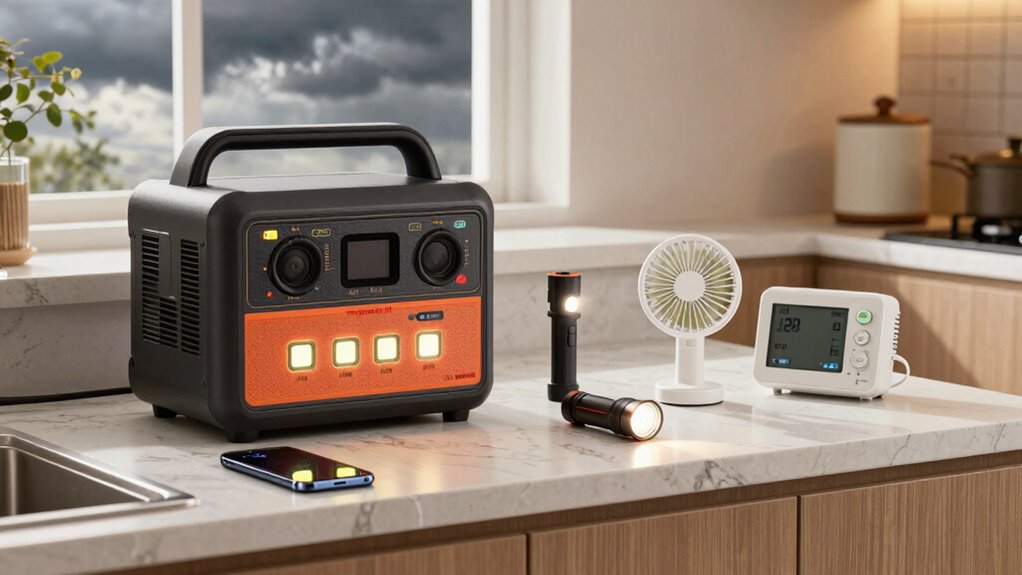
When your home power station activates during an outage, prioritizing which devices to power first guarantees you utilize your backup energy effectively. Focus on essential appliances and priority devices that keep you safe and comfortable. Start with:
- Refrigerator and Freezer – Keep food safe and prevent spoilage.
- Medical Devices – Power life-saving equipment like oxygen concentrators or CPAP machines.
- Water Pumps and Sump Pumps – Ensure clean water access and prevent flooding.
- Lighting and Communication Devices – Maintain visibility and stay connected. Effective device prioritization also benefits from understanding contrast ratio, which can help ensure your power station is used efficiently during emergencies. Recognizing the importance of family photoshoot fails highlights the need for proper planning and backup systems to avoid humorous mishaps during critical moments. Additionally, considering power consumption management can help optimize the use of limited backup energy during outages, especially by understanding battery capacity to prevent unexpected power loss.
How to Calculate Watt-Hours Needed to Keep Your Home Running
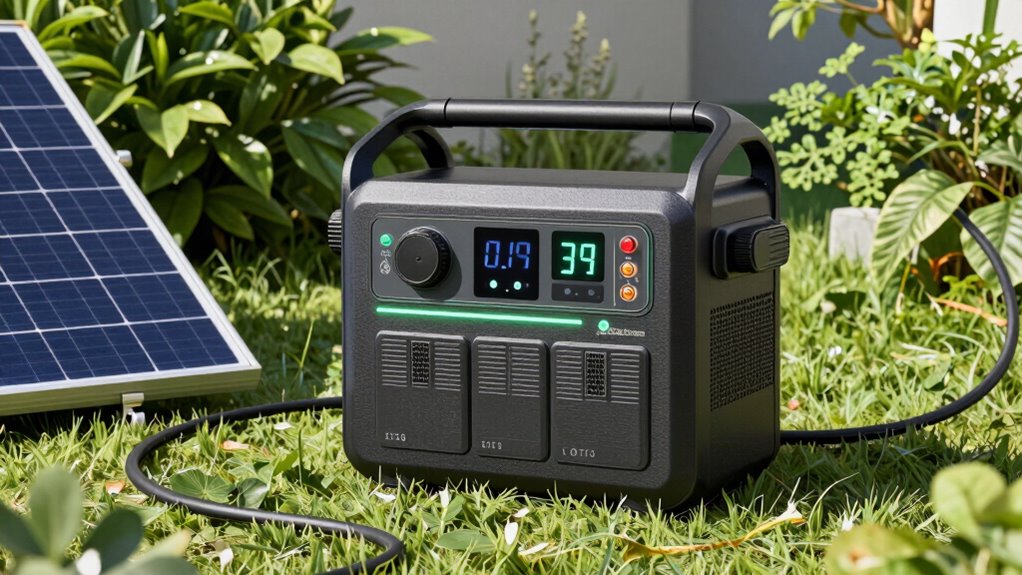
To determine how much energy your home needs during an outage, you need to calculate the total watt-hours required to power your essential devices. Start by listing each device and noting its wattage and expected run time. Multiply wattage by hours to find individual watt-hours, then sum these for a total. This total guides your battery capacity needs, ensuring your home’s energy storage matches your consumption. Additionally, accurate watt-hour calculations help with inverter sizing, making sure your inverter can handle the total load without overloading or inefficiency. Proper battery capacity planning is crucial for longer backup durations and reliable power. Remember, oversizing your battery capacity ensures longer backup during outages, while proper inverter sizing guarantees your appliances operate smoothly. Precise calculations empower you to design a reliable, efficient home power station tailored to your needs. Understanding energy consumption is essential for optimizing your backup power system. Analyzing energy needs helps you plan effectively and avoid under or overestimating your requirements. Recognizing the importance of power management can further enhance system efficiency and longevity. Incorporating system monitoring can also provide real-time insights into your power usage, helping maintain optimal performance.
Do You Need to Consider Peak vs. Continuous Power?
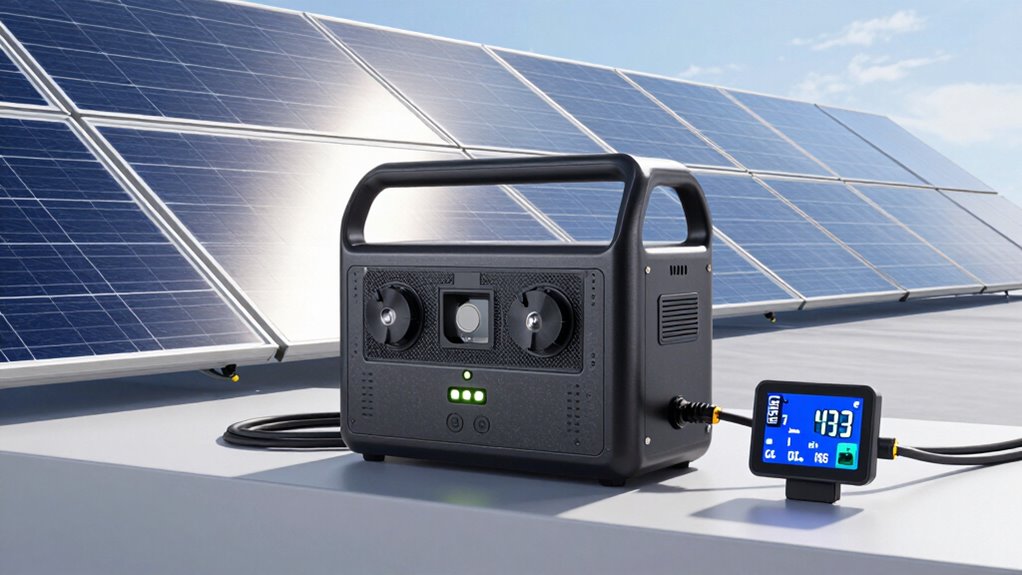
Understanding the difference between peak and continuous power helps you make certain the right home power station. Some appliances demand short bursts of high power, while others need a steady supply. Matching these demands ensures your system can handle everything safely and efficiently. Additionally, recognizing the content formats involved in digital systems can aid in planning for various power needs. Being aware of power measurement units like watt-hours can help you accurately size your power station to meet your household requirements.
Differentiating Power Types
Choosing the right home power station means understanding the difference between peak and continuous power. Peak power is the maximum load your system can handle briefly, while continuous power is what it can sustain long-term. To select appropriately, consider these factors:
- Battery chemistry influences how well your system handles peak loads—lithium-ion batteries typically support higher peaks.
- Inverter types matter; sine wave inverters often manage peak power better than modified sine wave models.
- Your appliances’ startup surges require higher peak capacity, so check if your system covers these demands.
- Always compare the inverter’s rated power against your appliance’s peak and continuous needs for safe operation.
- Being aware of power capacity ensures your system can meet both short-term surges and long-term loads without failure.
- Additionally, understanding battery performance helps in selecting a power station that can reliably handle varying power demands during outages.
Understanding these differences helps prevent overloads and ensures your home remains powered during outages.
Matching Appliance Demands
When selecting appliances for your home power station, it is vital to match their power demands with your system’s capabilities. Consider the difference between peak and continuous power needs. Appliances like refrigerators or sump pumps have high startup (peak) power but lower running (continuous) power. Your battery chemistry and portable design influence how well your system handles these demands. To guarantee smooth operation, plan for the highest surge loads. Use this table to understand the distinction:
| Power Type | Description |
|---|---|
| Peak Power | Short-term, high-demand starting power needed momentarily |
| Continuous Power | Steady, ongoing power required during operation |
How to Choose the Right Home Power Station Size
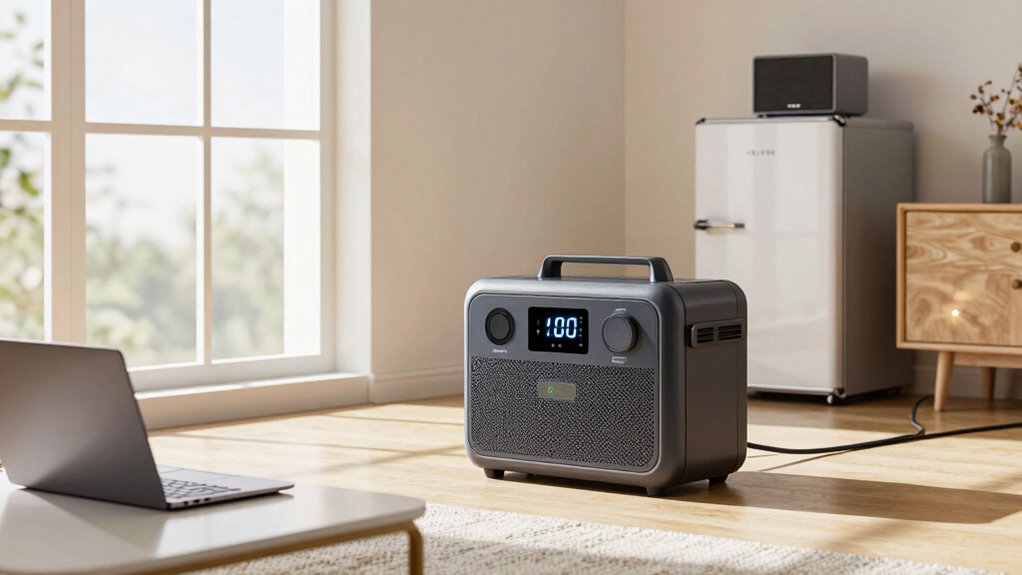
Selecting the right size for your home power station is crucial to guarantee it meets your energy needs without overspending. To do this effectively, consider these factors:
- Calculate your total watt-hours by listing essential appliances and their energy consumption.
- Assess your battery storage needs to ensure enough power during outages.
- Determine the inverter capacity to handle your highest starting wattage appliances.
- Match the station’s watt-hour capacity with your backup power requirements.
- When choosing components, consider using solar panels with high efficiency ratings to maximize energy collection and storage. Additionally, understanding current tax incentives can help reduce overall costs when investing in renewable energy solutions.
Choosing a station with appropriate battery storage ensures you store enough energy, while sufficient inverter capacity guarantees your appliances run smoothly. Avoid under-sizing, which can lead to insufficient power, or over-sizing, which increases costs unnecessarily. Proper sizing balances your needs and budget, providing reliable backup when you need it most.
Tips to Save Energy and Maximize Runtime During Outages
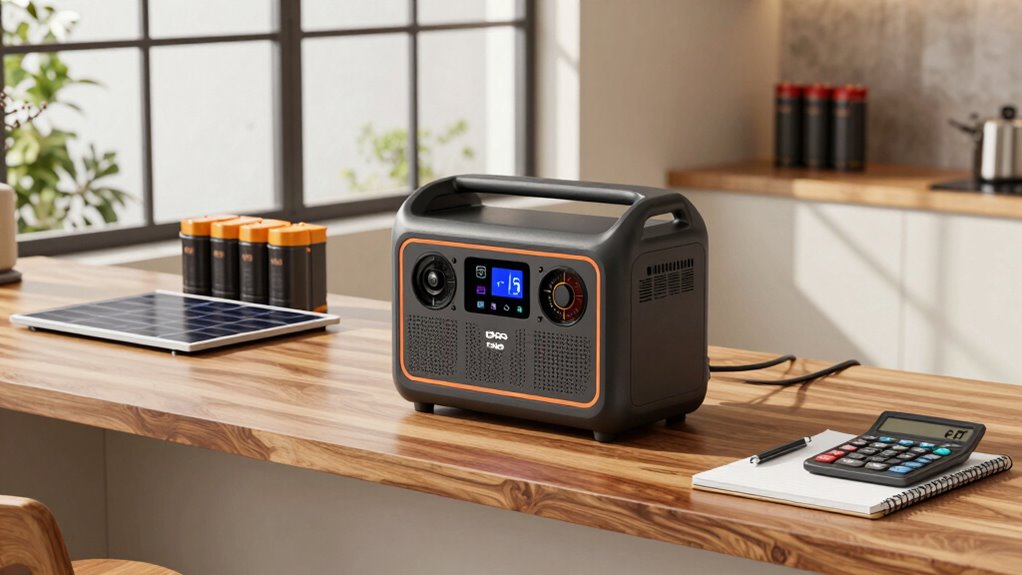
To make your home power station last longer during outages, focus on optimizing your energy use. Turn off non-essential devices and conserve power whenever possible. Prioritizing essential appliances guarantees you keep the most important functions running smoothly. Additionally, managing your home soundproofing can help reduce energy loss and improve overall efficiency. Incorporating energy-efficient appliances can further extend your power supply and reduce overall consumption. Being mindful of your energy consumption habits can also make a significant difference in maximizing runtime during outages. Understanding power management strategies can help you better plan your energy needs and improve your system’s performance. Exploring proper wiring standards ensures your setup remains safe and reliable, avoiding potential hazards during power fluctuations.
Optimize Energy Consumption
Maximizing your home power station’s runtime during outages requires careful management of energy consumption. To do this effectively, you should focus on reducing unnecessary power use and optimizing your system’s efficiency. First, select an inverter size that matches your essential loads; an oversized inverter wastes energy and reduces runtime. Second, prioritize high-efficiency appliances to minimize drain on your battery capacity. Third, unplug devices not in use to prevent phantom loads draining your system. Fourth, consider installing energy monitors to track consumption patterns, so you can adjust your habits accordingly. Additionally, understanding battery capacity is crucial for planning your outage resilience and ensuring your power station meets your needs. By managing these factors, you ensure your battery capacity is used wisely, extending your outage runtime and making your power station more effective. Additionally, choosing smart energy management systems can further optimize your power use and improve overall system performance.
Prioritize Essential Devices
Focusing on essential devices during an outage guarantees your power station lasts longer. Identify critical appliances like refrigerators, medical devices, and communication tools to conserve energy. Prioritizing these minimizes power drain, especially when battery chemistry varies—lithium-ion offers high energy density and long life, boosting runtime. Using an inverter with high inverter efficiency reduces energy losses during conversion, making your power station more effective. Avoid powering non-essential devices to extend the available watt-hours. Keep your devices well-maintained and unplug any unnecessary electronics to prevent phantom loads. This targeted approach ensures your battery chemistry delivers maximum value, and your inverter operates at peak efficiency, giving you more runtime when you need it most.
Common Sizing Mistakes to Avoid When Preparing Your Power Station
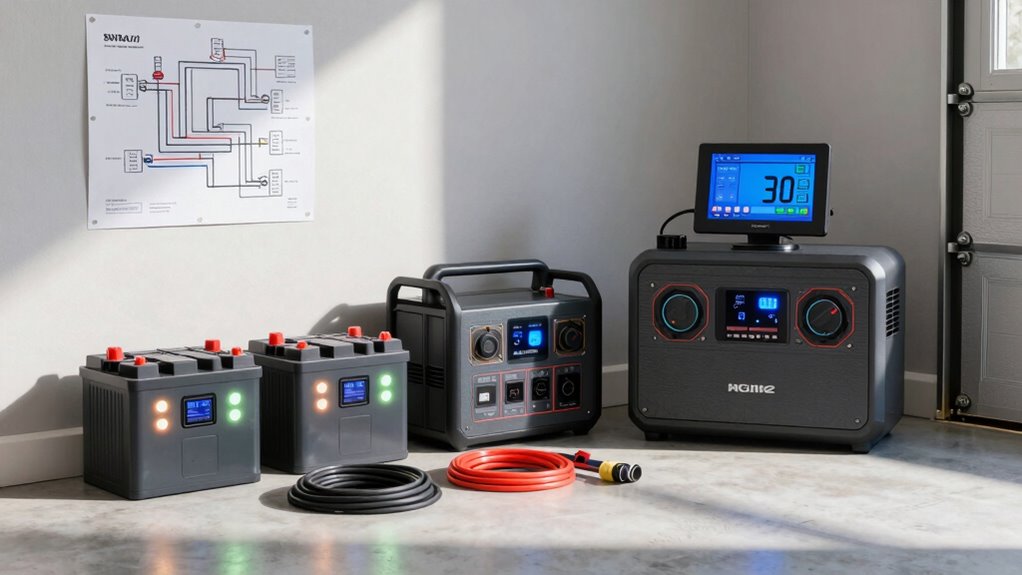
One common mistake when preparing your power station is underestimating your actual energy needs. This can lead to insufficient power during outages and reduced battery lifespan due to overuse. To avoid this:
- Ignore inverter compatibility, risking damage or inefficiency.
- Overlook the importance of matching battery capacity to your energy demands.
- Forget to consider future device additions that could increase power needs.
- Underestimate the importance of proper sizing, which affects both performance and battery longevity.
Carefully plan your watt-hour requirements, ensuring your inverter can handle your load, and select a battery that balances capacity with lifespan. Avoid these mistakes to ensure your power station reliably supports your essential devices without premature wear.
Frequently Asked Questions
How Long Can a Home Power Station Typically Last During an Outage?
During an outage, your home power station can last from a few hours to several days, depending on battery longevity and inverter capacity. If you have a high-capacity battery and a powerful inverter, you’ll enjoy extended backup time. To maximize runtime, prioritize essential devices and monitor battery levels. Properly sizing your station guarantees you get the most out of your power system and maintains reliable electricity during outages.
Can Multiple Power Stations Be Combined for Greater Capacity?
Yes, you can combine multiple power stations for greater capacity by using modular systems designed for battery integration. These systems allow you to connect several units, increasing total watt-hours and ensuring you have enough power during outages. Just make sure the units are compatible and properly configured, so they work seamlessly together. This approach provides flexible, scalable energy storage tailored to your needs.
Are There Portable Options for Home Backup Power?
Think of your backup power as a trusty sidekick in a superhero story. Portable generators and solar battery packs are your versatile allies, ready to spring into action during outages. These options are compact and easy to carry, providing essential power when you need it most. Whether you want a gasoline-powered generator or a solar battery pack, both give you flexible, portable solutions to keep your home running smoothly.
How Do Temperature Conditions Affect Power Station Performance?
Temperature impact can substantially affect your power station’s performance. Cold temperatures may reduce battery efficiency and capacity, causing lower output, while high heat can lead to overheating and thermal management issues. To keep your device running at its best, make certain of proper ventilation and store it in a moderate environment. Monitoring temperature and maintaining thermal management helps prevent performance drops and prolongs your power station’s lifespan during outages.
What Maintenance Is Required for Long-Term Storage of Power Stations?
Sure, neglecting maintenance might seem easier, but it’ll actually shorten your battery longevity. You should regularly check and top off the battery, keep the storage environment cool and dry, and make sure terminals stay clean. Avoid extreme temperatures and humidity, which can degrade performance over time. Proper upkeep guarantees your power station stays reliable when you need it most, proving that a little effort now saves big headaches later.
Conclusion
Now that you’ve learned how to size your home power station, the real challenge begins. Will you choose the perfect capacity to keep your essentials running, or overlook critical details and face surprises during outages? The right decision could mean the difference between peace of mind and unexpected inconvenience. Stay vigilant, plan carefully, and remember—your home’s power needs might be more complex than they seem. Are you truly ready to power through the next blackout?
Halloween Picks
halloween
As an affiliate, we earn on qualifying purchases.