📊 Full opportunity report: Exhibit-Based Games That Support Museum Education on IdeaNavigator AI — validation score, market gap, and execution plan.

Get the little things that make your day delivered free with Prime
- Fast, free delivery on millions of items
- Prime Video, Amazon Music and more included
- Member-only deals all year
TL;DR
A proposal for small museums recommends testing custom, browser-based learning games at three institutions before deciding whether to expand. The pilot would measure school bookings, family visit time and repeat visits against the same term a year earlier; those outcomes have not been reported.
A proposal for small museums recommends testing collection-based learning games at three institutions before investing in a broader service. The proposed browser-based quests would give school groups, families and individual visitors different ways to engage with exhibits, with the pilot measuring bookings, visit time and repeat visits against the same term a year earlier.
The IdeaNavigator AI proposal targets a director or sole educator at a small history, art or science museum, particularly an institution with an annual budget typically below $250,000 that hosts school groups and families. Under the proposal, museums would provide photographs, object records and exhibit labels; a quest could be returned within two weeks, with content drafted from the collection and reviewed by a museum educator.
The proposal describes three formats: a school-group hunt organized by grade band and aligned to state standards, a family quest and a 10-minute trail for solo visitors. The games would run in a web browser without an app download. A basic editor would let staff change featured objects when exhibits rotate, while printable materials would serve as a fallback. The proposal says visit analytics could give museums figures to use in grant reports.
The proposal recommends building the first quests for three museums at cost, then tracking school-group bookings, family dwell time and repeat visits over one term. Results would be compared with the same term in the previous year. It also suggests testing whether at least two museums would include a paid content refresh in a future grant application. The proposal names no pilot participants and reports no measured outcomes, prices or commitments from museums.
Exhibit-based games put to the test
A proposal recommends testing browser-based learning games at three small museums before considering a wider rollout.
Three ways to explore
Each proposed game would draw on objects from a museum’s own collection.
Collection hunt
Organized by grade band and aligned to state standards.
Family quest
A shared activity built around exhibits.
Short trail
A 10-minute browser-based route through collection objects.
How the pilot would work
Museum educators would review content drafted from collection records.
Museums provide photographs, object records and exhibit labels.
An educator reviews the draft; staff can change featured objects as exhibits rotate.
Games run in a browser, with printable materials as a fallback.
What the test would measure
The proposal compares one school term with the same term a year earlier.
| Measure | Proposed comparison | Reported result |
|---|---|---|
| School-group bookings | Same term in prior year | Not reported |
| Family visit time | Same term in prior year | Not reported |
| Repeat visits | Same term in prior year | Not reported |
Key questions remain open
- Build initial quests for three museums at cost.
- Track visitor and booking measures over one term.
- Explore paid content refreshes in future grant applications.
- No pilot participants or launch are reported.
- Prices and museum funding commitments are absent.
- Learning outcomes and independent standards checks are unspecified.
Testing Games Against Museum Needs
The IdeaNavigator AI proposal addresses a practical constraint for small institutions: education work competes for time and money among a limited staff, while a custom digital project can be costly to commission and maintain. It argues that a service produced at a fixed price and updated by museum staff could offer an alternative to aging printed worksheets or a more expensive agency-built game. Those benefits are proposed, not demonstrated.
The pilot’s proposed measures matter because visitor engagement alone would not show whether the product is useful to a museum. The proposal recommends comparing bookings, family visit time and repeat visits with the same term in the prior year as an initial basis for deciding whether to continue. It also suggests testing whether museums would fund content refreshes, a separate question about whether they see enough continuing value to pay after the initial build.
The proposal says museum educators would review content drafted from collection records, with the aim of tying activities to the museum’s own objects. The plan does not establish how learning would be evaluated or whether standards alignment would be checked independently.
Products Worth Considering
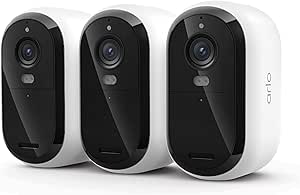
Arlo Essential Wireless Security Camera 2K (3rd Gen) – 3-Cam Kit with Yard Sign

Philips Hue Festavia 65-Foot Smart LED String Lights, 250 Color-Changing Mini LEDs

Shark ZU102 Rotator Pet Upright Vacuum with PowerFins HairPro & Odor Neutralizer Technology, Charcoal
As an affiliate, we earn on qualifying purchases.
Grant Timing and Budget Pressures
The IdeaNavigator AI proposal frames the idea around grant-funded education projects and uncertainty over federal museum support. It states that the Institute of Museum and Library Services announced FY2026 Inspire Grants for Small Museums on September 9, 2026, funding 88 small museums to develop educational programs and exhibits. The proposal also cites an April 2026 court settlement that left the agency intact, a presidential FY2027 budget proposal to eliminate IMLS, and a National Leadership Grants deadline tentatively set for November 13, 2026.
These grant and policy details are cited in the IdeaNavigator AI proposal and have not been independently verified here. They provide the proposal’s rationale for a low-cost, fixed-price project that could fit within a grant budget; they do not establish that a museum has secured funding for a game or that a grant program will support this product. The proposal suggests an initial build fee plus a modest annual hosting and refresh charge, with regional museum associations as possible group buyers.
Pilot Results and Costs Remain Open
No pilot results are available, and the IdeaNavigator AI proposal does not identify participating museums or say that development has begun. It provides no actual price for the initial build, hosting or refreshes, so whether the package fits a small museum’s education budget or a grant line remains untested.
The proposal’s year-over-year comparison would measure changes in bookings, visit time and repeat visits, but it does not specify how many visitors would be included or how it would account for other changes between school terms. It also describes no direct test of learning outcomes. The funding timeline and grant deadline are presented by the proposal as planning conditions, not guarantees of awards or continued federal support.
Three-Museum Test Comes First
IdeaNavigator AI proposes developing quests for three small museums at cost and observing their use over one school term. The proposal would compare visitor and booking measures with the equivalent term in the previous year and test whether two institutions would seek paid refreshes through their next grant applications.
Until a pilot is announced and its methods, costs and results are disclosed, the idea remains a proposed service rather than a validated solution. Any wider rollout would depend on whether museums find the content manageable to update, whether visitors use it, and whether the measured outcomes justify paying for continued hosting and refreshes.
Source: IdeaNavigator AI proposal
Key Questions
Has a museum game pilot launched?
The IdeaNavigator AI proposal recommends a pilot at three small museums, but it does not report that participating museums have been selected or that testing has started.
What would visitors do in the games?
The proposal describes a browser-based package with a standards-aligned school-group hunt, a family quest and a 10-minute solo trail, each built around objects in the museum’s collection.
How would the pilot measure results?
The proposal recommends tracking school-group bookings, family dwell time and repeat visits over one term, then comparing them with the same term in the prior year. No results have been reported.
How would a small museum pay for the service?
The proposal suggests a fixed-price initial build plus an annual hosting and refresh fee, potentially supported through a grant. Actual prices and funding commitments are not provided.
Source: IdeaNavigator AI