TL;DR
Several schools in Chongqing are implementing programs that combine traditional Chinese culture with modern sports and educational trends. This initiative aims to preserve cultural heritage while fostering innovation in education.
Multiple schools in Chongqing have launched new programs that blend traditional Chinese cultural elements with contemporary educational trends, marking a significant shift in local school curricula aimed at cultural preservation and innovation.
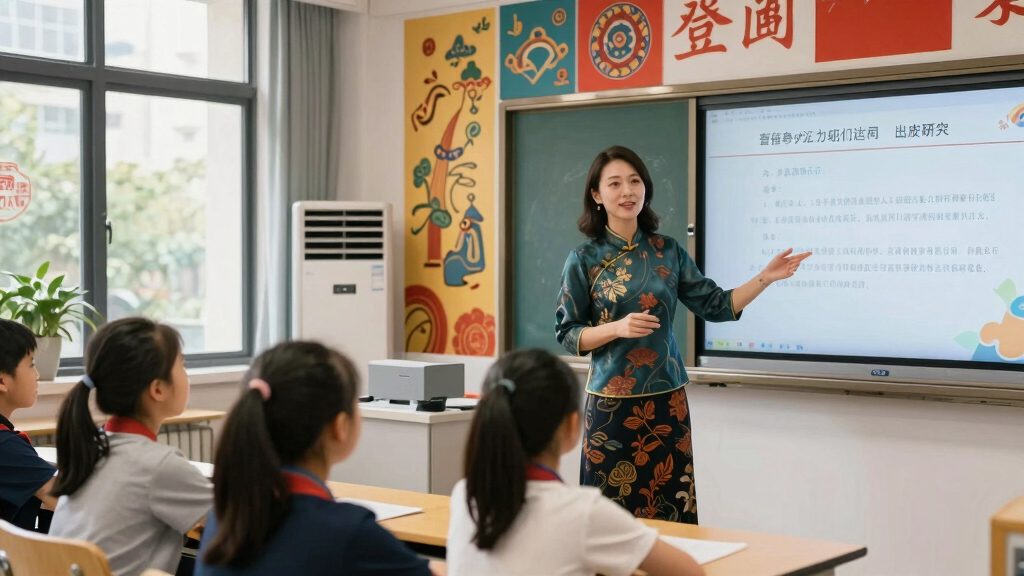
Recent efforts in Chongqing include incorporating traditional arts, music, and martial arts into physical education classes and extracurricular activities. Schools are also adopting modern teaching methods alongside cultural lessons to foster a deeper appreciation of Chinese heritage among students. These initiatives are part of a broader government-supported movement to promote cultural identity while aligning with modern educational standards.
Officials from the Chongqing Education Bureau confirmed that several pilot programs are underway in different districts, with plans to expand successful models across the city. Teachers and students involved report increased engagement and pride in local culture, alongside improved learning outcomes in both traditional and modern subjects.
Cultural Preservation and Educational Innovation in Chongqing
This development matters because it represents a strategic effort to preserve Chongqing’s rich cultural heritage amid rapid modernization. By integrating traditional elements into modern education, the city aims to foster cultural pride, enhance student engagement, and develop a uniquely local identity that resonates with younger generations. It also sets a precedent for other regions seeking to balance tradition with innovation in education systems.
Chinese calligraphy set for beginners
As an affiliate, we earn on qualifying purchases.
As an affiliate, we earn on qualifying purchases.
Growing Trend of Cultural Integration in Chinese Schools
Over recent years, Chinese educational authorities have emphasized the importance of cultural education, promoting traditional arts, history, and values as part of national identity. Chongqing’s initiatives are part of this broader movement, which includes integrating cultural content into curricula and extracurricular activities. Previous efforts have focused on curriculum reform and cultural festivals, but recent programs emphasize hands-on engagement through sports and arts, reflecting a shift toward experiential learning. The city’s unique cultural landscape, blending Sichuan and Chongqing traditions, provides a rich foundation for these programs.
“Integrating traditional culture into modern education helps students develop a strong sense of identity and pride, while also fostering innovation and creativity.”
— Li Wei, Chongqing Education Bureau official
Tai Chi martial arts starter kit
As an affiliate, we earn on qualifying purchases.
As an affiliate, we earn on qualifying purchases.
Details of Program Expansion and Long-term Impact Still Unclear
It is not yet clear how widespread these programs will become across Chongqing or how they will impact student performance and cultural engagement over the long term. The effectiveness of integrating traditional culture into modern curricula remains to be systematically evaluated, and some educators express concerns about resource allocation and curriculum balance.
traditional Chinese musical instrument
As an affiliate, we earn on qualifying purchases.
As an affiliate, we earn on qualifying purchases.
Planned Evaluation and Broader Rollout of Cultural Integration Programs
Educational authorities plan to monitor and evaluate the pilot programs over the coming year, gathering data on student engagement and learning outcomes. Success stories are expected to lead to broader implementation across more schools in Chongqing. Additionally, officials aim to develop standardized guidelines for integrating traditional culture into various subjects, ensuring consistency and sustainability of these initiatives.
Chinese cultural arts craft kit
As an affiliate, we earn on qualifying purchases.
As an affiliate, we earn on qualifying purchases.
Key Questions
What specific traditional cultural elements are being incorporated?
Elements include traditional music, calligraphy, martial arts such as Tai Chi, local history, and folk arts, integrated into physical education, arts classes, and extracurricular activities.
Are these programs mandatory for all students?
Participation varies by school, with many offering these programs as part of extracurricular activities or specialized courses. Official policies are still being developed for broader mandatory inclusion.
How are teachers prepared for this integration?
Teacher training programs are being implemented to equip educators with the skills needed to teach traditional arts and culture alongside modern curricula.
What are the expected benefits of these initiatives?
Expected benefits include increased cultural pride, improved student engagement, development of traditional skills, and fostering innovation through the combination of old and new educational approaches.
Source: rss