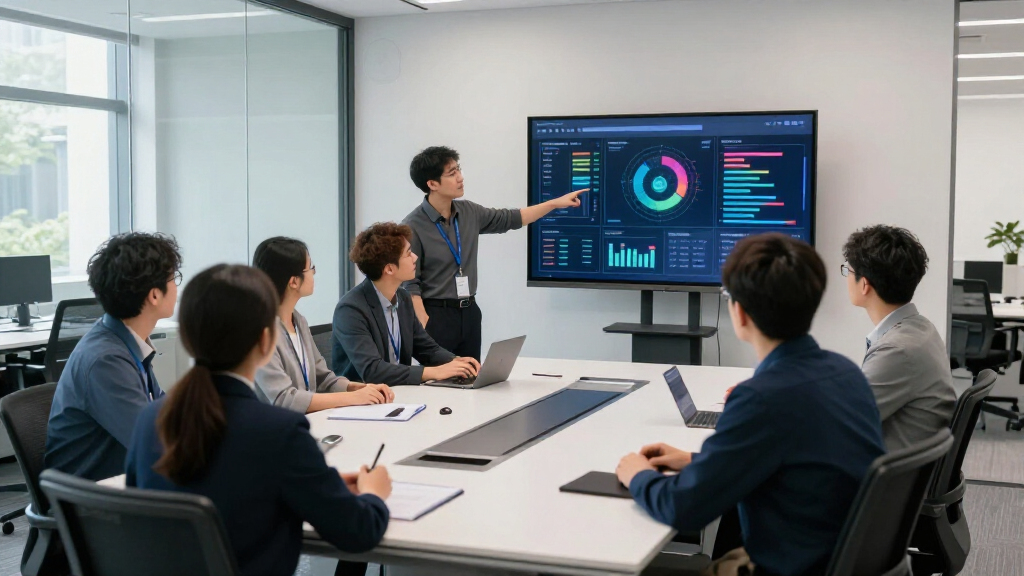

TL;DR
AI operations leaders are advised to closely monitor tools like Claude Fable, as sudden stops in assistance could go unnoticed without dedicated signals. Rapid policy and capability changes make real-time oversight crucial for effective AI deployment.
AI operations leaders are increasingly concerned about unnoticed disruptions in critical AI tools, such as Claude Fable. A recent initiative highlights that if such tools stop assisting, organizations may remain unaware, risking operational setbacks. This recognition underscores the need for role-specific monitoring systems to catch these issues early and inform timely decisions.
Recent discussions on AI monitoring emphasize that tools like Claude Fable can suddenly cease functioning without warning, especially in fast-paced operational environments. This issue was brought to light through signals surfacing on platforms like Hacker News, where an 88/100 signal indicated high relevance. The core challenge is that AI capability and policy shifts are scattered across various news sources, making it difficult for operations leads to stay informed without a dedicated filter.
Developers and AI policy analysts suggest that a focused monitor—tracking relevant feeds and filtering for role-specific impacts—could help organizations detect when AI assistance like Claude Fable stops, enabling quicker responses. The proposed solution involves a subscription-based brief that summarizes changes affecting small teams deploying AI tools, with validation through targeted user feedback.
Implications for AI-Driven Operational Management
This monitoring approach is vital because undetected AI tool failures could lead to delays, errors, or decision-making blind spots in small teams heavily reliant on AI assistance. As AI capabilities evolve rapidly, early detection of policy or technical disruptions can prevent operational setbacks and maintain trust in AI tools. For organizations deploying AI at scale, such signals are essential for maintaining continuity and adapting quickly to changes.
AI monitoring software for business
As an affiliate, we earn on qualifying purchases.
As an affiliate, we earn on qualifying purchases.
Rapid Evolution of AI Capabilities and Policy Shifts
The AI landscape is experiencing swift changes, with capabilities expanding and policies adjusting frequently. Recently, signals from forums like Hacker News have highlighted concerns about AI tools like Claude Fable stopping assistance unexpectedly. Historically, AI policy updates were slower and more predictable, but now, shifts can happen within hours, making real-time monitoring more critical. Small teams deploying AI solutions lack comprehensive filters to detect these shifts, increasing the risk of unnoticed disruptions.
Previous efforts focused on broad weekly summaries or manual checking, which are insufficient in a landscape where policy and capability shifts can significantly impact daily operations. The emerging focus is on role-specific, automated signals that alert decision-makers immediately when key AI tools experience issues.
“If Claude Fable stops helping you, you’ll never know unless you have a dedicated monitor in place.”
— an anonymous researcher
Unclear Scope and Implementation of Monitoring Systems
It is not yet clear how widely adopted role-specific AI signal monitors will become or how they will be integrated into existing operational workflows. Additionally, the effectiveness of such systems in detecting all types of disruptions, especially subtle policy changes, remains to be validated through real-world testing. Further development is needed to determine the best tools and protocols for deployment at scale.
Next Steps for Developing AI Signal Monitoring Tools
Organizations and developers are expected to pilot the proposed monitoring solutions, focusing on small teams deploying AI tools like Claude Fable. Early feedback from these pilots will inform improvements, with the goal of creating automated briefs that alert decision-makers to relevant AI capability shifts. The industry will also watch for broader adoption and integration into AI management platforms, with ongoing validation through user experience and operational impact.
Key Questions
Why is it important to monitor AI tools like Claude Fable?
Monitoring ensures that organizations are alerted immediately if critical AI tools stop functioning, allowing for quick responses that prevent operational issues or decision-making gaps.
What makes role-specific signals more effective?
Role-specific signals filter out irrelevant information and focus on changes directly impacting a team’s operations, making detection faster and more actionable.
Are these monitoring systems already in use?
They are currently in development and testing, with pilot programs underway to evaluate their effectiveness in real-world scenarios.
Could such monitoring systems detect all types of AI disruptions?
While promising, the effectiveness of these systems in catching subtle or complex policy changes is still being evaluated, and further refinement is needed.
What happens if an AI tool like Claude Fable stops helping unexpectedly?
Without dedicated monitoring, organizations may remain unaware, risking delays or errors in operations. Prompt detection allows for quick troubleshooting or alternative solutions.
Source: IdeaNavigator AI