TL;DR

Get the little things that make your day delivered free — and shop member deals
- Fast, free delivery on millions of items
- Access to Prime Big Deal Days deals on October 6–7
- Prime Video, Amazon Music and more included
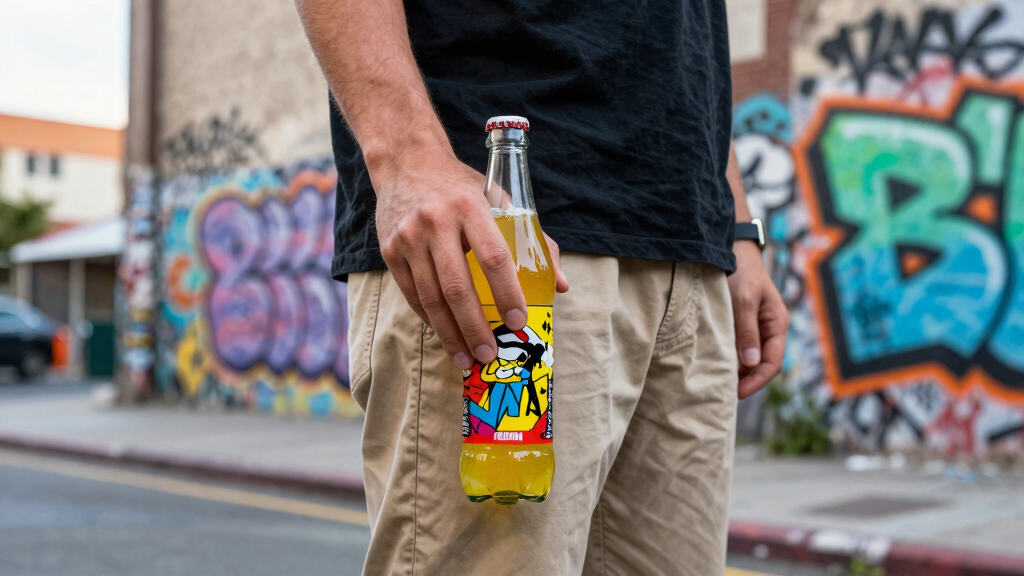
Several beverage companies have launched soda campaigns inspired by hip-hop culture, aiming to connect with younger audiences. This marks a notable trend in marketing strategies, though full consumer reception is still developing.
Several major soda brands have introduced marketing campaigns that pay tribute to hip-hop culture, aiming to resonate with younger consumers and urban demographics. These campaigns feature music collaborations, artist endorsements, and culturally relevant visuals, marking a notable shift in beverage advertising strategies.
According to industry sources, brands such as Coca-Cola, Pepsi, and Sprite have launched campaigns incorporating hip-hop music, featuring collaborations with prominent artists like Kendrick Lamar, Cardi B, and Lil Baby. These campaigns include limited-edition packaging, music videos, and social media activations designed to evoke authentic connections with hip-hop fans. While some marketing experts see this as a strategic move to boost brand relevance, consumer reactions remain mixed, with some praising the cultural homage and others questioning authenticity. The campaigns are part of a broader trend where beverage companies increasingly leverage music and cultural icons to engage diverse audiences.It is confirmed that these campaigns are officially endorsed by the brands involved, with advertising materials highlighting hip-hop themes and collaborations. However, the extent of their long-term effectiveness and genuine cultural engagement is still under assessment, as consumer feedback continues to emerge and industry analysts monitor sales data.
Why Hip-Hop-Inspired Soda Campaigns Matter for the Beverage Industry
This trend signifies a strategic effort by soda brands to align themselves with contemporary youth culture, aiming to stay relevant in a competitive market. Leveraging hip-hop’s cultural influence can boost brand visibility and foster emotional connections with younger consumers. However, it also raises questions about cultural appropriation and authenticity, as brands navigate the fine line between homage and commercialization. The success or backlash of these campaigns could influence future marketing approaches across the industry, making this a noteworthy development for marketers and consumers alike.As an affiliate, we earn on qualifying purchases.
Background on Music-Driven Marketing in Beverage Campaigns
Historically, beverage companies have used music and celebrity endorsements to reach broader audiences. The recent surge in hip-hop-themed campaigns reflects a broader industry shift towards culturally targeted marketing, especially as brands seek to connect with Generation Z and millennial consumers. Past campaigns, such as Sprite’s collaborations with hip-hop artists in the early 2000s, laid groundwork for current efforts. The current wave of campaigns builds on this legacy but emphasizes more authentic and culturally embedded content, driven by the genre’s growing influence worldwide. The timing aligns with increasing consumer interest in diverse cultural expressions and social movements associated with hip-hop.“When brands genuinely understand and respect hip-hop culture, it can create meaningful collaborations that resonate with fans.”
— Kendrick Lamar, rapper and cultural icon
Uncertainties About Consumer Reception and Cultural Impact
It is not yet clear how consumers will respond to these hip-hop-inspired soda campaigns over the long term. While initial reactions are mixed, with some praising the cultural homage and others criticizing perceived inauthenticity, comprehensive data on sales impact and brand perception remains unavailable. Additionally, questions about whether these campaigns genuinely foster cultural appreciation or merely commercialize hip-hop are still being debated among industry observers and cultural critics.
Upcoming Developments in Hip-Hop-Themed Beverage Marketing
Brands are expected to continue refining their campaigns based on consumer feedback and sales data. Monitoring social media engagement, consumer surveys, and sales figures over the coming months will be crucial to assess effectiveness. Industry analysts also anticipate that some brands may face scrutiny or backlash if perceptions of cultural insensitivity arise, potentially leading to adjustments in marketing strategies. Further collaborations with artists and cultural figures are likely as brands seek to deepen their engagement with hip-hop communities.
Key Questions
Are these campaigns considered authentic by hip-hop artists?
Some artists have expressed appreciation for the recognition, but others question whether brands truly understand or respect hip-hop culture, emphasizing the importance of genuine collaboration.
Will these campaigns influence future marketing strategies?
Yes, if successful, they could encourage more brands to incorporate cultural elements into their advertising, though they will need to balance authenticity with commercial goals.
What risks do brands face with hip-hop-inspired campaigns?
Risks include accusations of cultural appropriation, inauthenticity, or backlash from communities if campaigns are perceived as exploitative or superficial.
How are consumers reacting to these campaigns?
Reactions are mixed; some consumers engage positively, appreciating cultural homage, while others criticize perceived inauthenticity or commercialization.
Source: rss
Fall Picks
fall essentials
As an affiliate, we earn on qualifying purchases.