
TL;DR

Get the little things that make your day delivered free — and shop member deals
- Fast, free delivery on millions of items
- Access to Prime Big Deal Days deals on October 6–7
- Prime Video, Amazon Music and more included
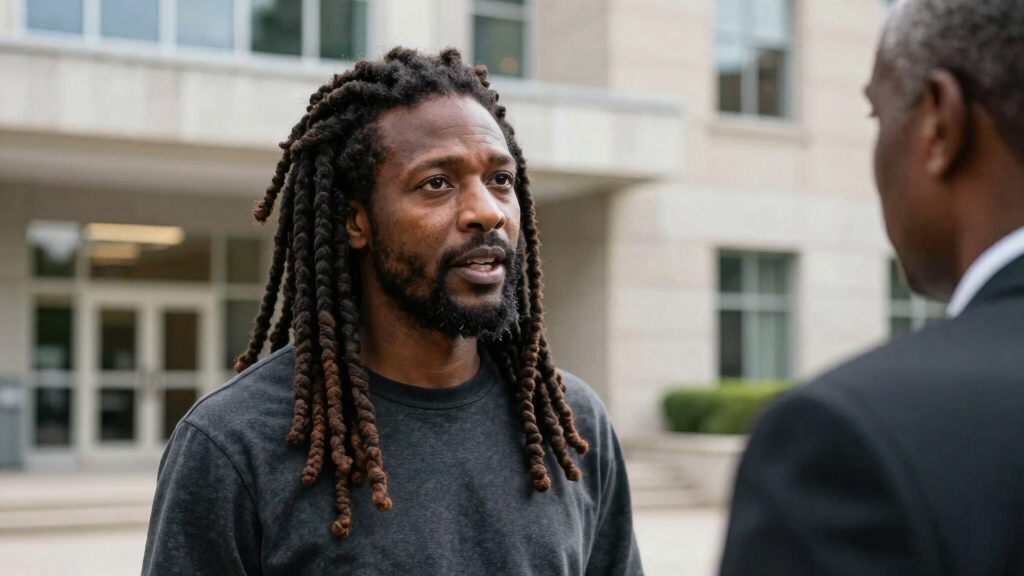
The Supreme Court has dismissed a lawsuit filed by a Rastafarian man claiming prison guards violated his religious rights by cutting his dreadlocks. The ruling emphasizes prison security over religious expression, raising questions about religious freedoms in detention settings.
The U.S. Supreme Court has ruled that a Rastafarian man cannot pursue a lawsuit against prison guards who cut his dreadlocks, citing institutional security concerns and legal precedent. The decision marks a significant ruling on the balance between religious rights and prison safety, impacting similar cases nationwide.
The case involved a Rastafarian inmate who alleged that prison guards violated his religious freedom by forcibly cutting his dreadlocks during incarceration. The man filed a lawsuit claiming the removal of his hair was a violation of his First Amendment rights. The Supreme Court, in a unanimous decision, dismissed the lawsuit, ruling that prison security policies can override religious expressions in detention settings.
The Court’s decision was based on prior legal standards that allow correctional institutions to enforce rules aimed at maintaining safety and order. Justices emphasized that prisons have a compelling interest in security, and that hair regulations are part of those policies. The ruling was authored by Justice John Roberts, who stated that the ‘interests of prison safety can justify restrictions on religious practices.’
Implications for Religious Rights in Prisons
This ruling underscores the ongoing tension between religious freedom and security in correctional facilities. It signals that, at least at the Supreme Court level, institutional safety measures can take precedence over individual religious expressions, which may affect future cases involving religious attire or practices in detention settings. The decision could influence how prisons nationwide craft their policies on religious accommodations.
As an affiliate, we earn on qualifying purchases.
Legal Background on Religious Rights and Prison Security
Previous legal cases have established that prisoners retain some First Amendment rights, including religious freedoms, but these rights can be limited for security reasons. The specific issue of dreadlocks has been a contentious point, with some advocates arguing that they are a core aspect of Rastafarian faith. The Supreme Court’s recent ruling builds on prior decisions that uphold prison policies aimed at safety, even when they conflict with religious practices.
“Prison security concerns can justify restrictions on religious expression, including hair regulations, to maintain order and safety.”
— Justice John Roberts
Unresolved Questions About Broader Religious Accommodations
It remains unclear how this ruling will influence future cases involving religious attire or practices in prisons. The decision sets a legal precedent, but specific policies may vary between jurisdictions. Further legal challenges could clarify the limits of religious freedoms in correctional settings, but no such cases are currently pending before the Court.
Potential Legal Challenges and Policy Revisions in Prisons
Advocates for religious rights may seek legislative or judicial remedies to address restrictions on practices like dreadlocks. Prisons may review and revise their hair and dress policies to balance safety with religious accommodation, but significant changes are unlikely without further legal action. The ruling may also influence other cases involving religious expression in detention contexts.
Key Questions
Does this ruling mean prisoners cannot wear religious attire?
The ruling indicates that prison security can justify restrictions on religious attire, but it does not establish a blanket ban. Each case may be evaluated based on specific security concerns and policies.
Could this decision be challenged in future cases?
Yes, legal advocates may challenge similar restrictions, especially if they believe security policies disproportionately impact religious practices or violate constitutional rights.
What was the main legal reason for dismissing the lawsuit?
The Court cited the state’s compelling interest in maintaining prison security and the precedent allowing restrictions on religious expression for safety reasons.
How does this ruling compare to previous decisions on religious rights in prisons?
This decision aligns with prior rulings that prioritize institutional safety over certain religious expressions, but it emphasizes the broad discretion prisons have in enforcing security policies.
What are the broader implications for religious minorities in detention?
The ruling may limit the scope of religious accommodations in prisons, potentially affecting other groups seeking to practice their faith while incarcerated.
Source: google-trends
Fall Picks
fall essentials
As an affiliate, we earn on qualifying purchases.