

🔍 Read the full analysis: 15 AI-Driven Ergonomic Chairs To Transform Your Office In 2026 on ThorstenMeyerAI.com

Get the little things that make your day delivered free with Prime
- Fast, free delivery on millions of items
- Prime Video, Amazon Music and more included
- Member-only deals all year
TL;DR
In 2026, fifteen new AI-driven ergonomic chairs are launching, promising personalized support and smarter adjustments for office workers. This innovation aims to improve comfort, reduce pain, and boost productivity, marking a significant shift in office furniture design.
In 2026, a wave of 15 AI-driven ergonomic chairs has been introduced to the market, promising to revolutionize office comfort and support through advanced automation and personalized adjustments. These chairs, developed by leading furniture and tech companies, aim to address long-standing issues of back pain and discomfort among office workers, especially as remote and hybrid work models persist. The launch of these AI-enabled chairs marks a significant evolution in office furniture, emphasizing adaptability, health, and productivity.
The new lineup features chairs equipped with smart sensors, machine learning algorithms, and automatic adjustment mechanisms. These chairs can detect user posture, weight distribution, and movement patterns, then automatically modify lumbar support, seat height, and armrest positions to optimize ergonomics in real time. Several models, such as the FlexiSmart Ergo and IntelliSit Pro, incorporate AI to learn individual preferences over time, providing increasingly personalized comfort.
Manufacturers like Thorsten Meyer AI, a leader in ergonomic innovation, highlight that these chairs are designed for diverse users, including larger body types and those with specific health needs. The chairs integrate features like breathable mesh materials, adjustable lumbar support, and durable frames, aiming to balance comfort, longevity, and adaptability. The initial rollout includes models targeting both premium and mid-range markets, with prices ranging from $500 to over $1,500, depending on features.
The 15 picks
- 1
 LiberNovo Omni SE Dynamic Ergonomic Office Chair, Manual Lumbar, 48cmView on Amazon →
 - 2
 FLEXISPOT ErgoX-Pro Premium Ergonomic Office Chair ObsidianView on Amazon →
 - 3
 ELABEST X100 Ergonomic Mesh Office Chair with Footrest, Big and Tall Home Des…View on Amazon →
 - 4
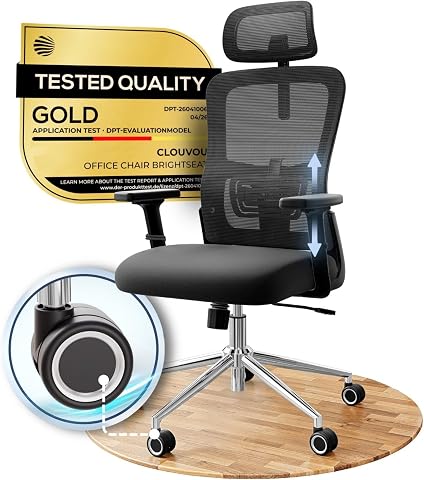 Ergonomic Office Chair with Adjustable Features and Mesh BackView on Amazon →
 - 5
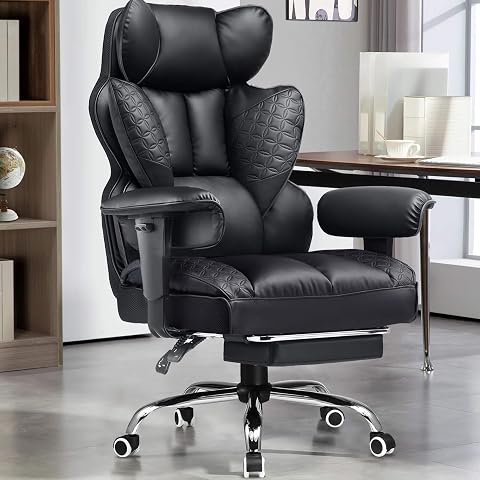 GTPLAYER Big and Tall Gaming Chair 400lbs Heavy Duty Office Chair with Footre…View on Amazon →
 - 6
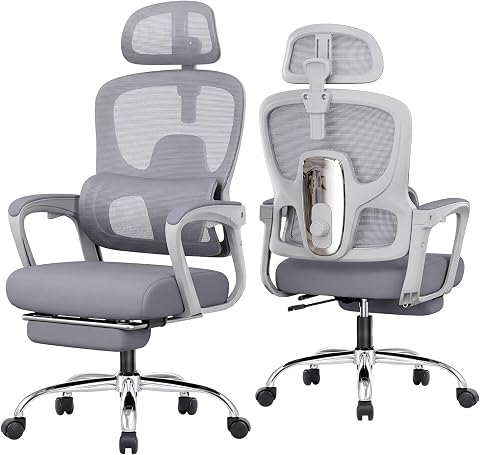 Ergonomic Office Chair with Footrest, 90-145° Reclining Mesh Desk ChairView on Amazon →
 - 7
 Vonesse Office Chair with Adjustable Armrests and Lumbar SupportView on Amazon →
 - 8
 SIHOO M18 Ergonomic Office Chair with Mesh Back and HeadrestView on Amazon →
 - 9
 Ergonomic Mesh Office Chair with 400 lb CapacityView on Amazon →
 - 10
 Office Desk Chair for Long Hours & Lower Back Pain Relief – 4” Thick Molded F…View on Amazon →
 - 11
 Misolant Big and Tall Office Chair with Footrest, High Back Executive Desk Ch…View on Amazon →
 - 12
 TRALT Office Chair Ergonomic Desk Chair – Gaming Chair with Lumbar SupportView on Amazon →
 - 13
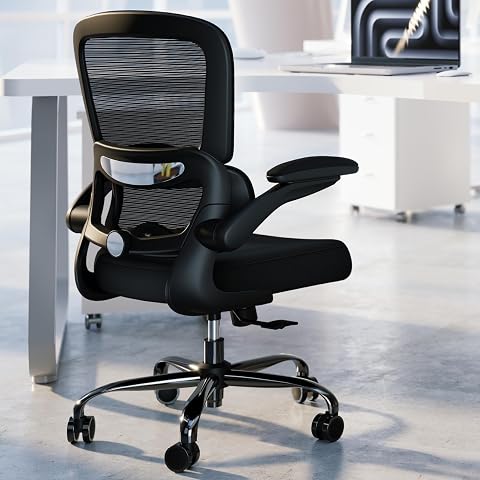 TRALT Office Chair – Ergonomic Mesh Desk Chair with Adjustable Lumbar Support…View on Amazon →
 - 14
 DUMOS Executive Home Office Chair, Ergonomic Mesh Computer Desk Chair with Ad…View on Amazon →
 - 15
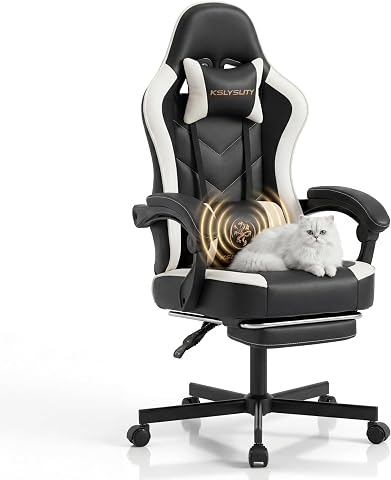 Desk Computer Gaming Chair with Footrest and Lumbar SupportView on Amazon →
Why AI-Driven Office Chairs Matter in 2026
The introduction of AI-driven ergonomic chairs in 2026 represents a notable shift toward personalized, health-focused office environments. These chairs have the potential to reduce work-related musculoskeletal issues, improve overall comfort, and enhance productivity by continuously adapting to user needs. For employers, this innovation could translate into fewer sick days, lower healthcare costs, and increased employee well-being. For consumers, it offers a new level of customization and support that traditional chairs cannot match, especially as remote work becomes more prevalent.
Furthermore, this development underscores the integration of AI into everyday furniture, foreshadowing a broader trend of smart, adaptive workplaces. As the technology matures, future iterations may include predictive adjustments based on work schedules or health data, further personalizing the ergonomic experience. The market response indicates strong demand for smarter, healthier office solutions, making this a pivotal moment in office furniture evolution.
Market Evolution and Prior Developments in Ergonomics
Over the past decade, ergonomic office chairs have increasingly incorporated adjustable features such as lumbar support, armrests, and seat height to improve comfort. Companies like Misolant and SIHOO have led the way with models emphasizing durability and breathability, especially mesh designs suited for warmer climates. However, most traditional chairs rely on manual adjustments, which can be inconvenient or insufficient for personalized comfort.
The integration of AI into office furniture is a recent trend, driven by advances in sensor technology and machine learning. Earlier prototypes and limited commercial models demonstrated the potential for chairs to adapt automatically, but widespread adoption was limited until 2026. The new wave of AI-enabled chairs builds on this foundation, promising smarter, more responsive support tailored to individual users’ habits and health needs.
“Our new line of AI-enabled chairs learns from user behavior to provide optimal support, aiming to prevent common issues like back pain and fatigue.”
— Thorsten Meyer, CEO of MeyerAI Innovations
Unanswered Questions About AI-Enabled Office Chairs
While the new chairs are promising, several questions remain. It is not yet clear how durable the AI components are over long-term use, or how effectively the sensors will perform in different environments. Consumer feedback is still emerging, and data on long-term health impacts or maintenance costs is limited. Additionally, privacy concerns related to data collection by these smart chairs have yet to be fully addressed by manufacturers.
Next Steps in AI Office Furniture Development
Manufacturers plan to expand their AI-enabled chair offerings throughout 2026, with updates that improve sensor accuracy and user customization. Expect further integration of health tracking features, such as posture analytics and fatigue alerts. Industry experts anticipate that feedback from early adopters will guide iterative improvements, and regulatory discussions around data privacy may shape future product features. Consumer adoption will likely increase as prices become more competitive and awareness of ergonomic health benefits grows.
Key Questions
How do AI-driven ergonomic chairs improve comfort?
They automatically adjust lumbar support, seat height, and armrests based on real-time sensor data, providing personalized support that adapts to your posture and movement, reducing discomfort during long work sessions.
Are these chairs suitable for all body types?
Most models are designed with adjustable features and learning algorithms to accommodate diverse body types, including larger users, but individual preferences and needs should be considered when choosing a specific model.
What are the privacy concerns related to AI office chairs?
Since these chairs collect data on user posture and movement, there are concerns about data security and privacy. Manufacturers are expected to implement safeguards, but users should review privacy policies before purchasing.
Will AI chairs replace traditional ergonomic chairs entirely?
While AI chairs offer advanced support, traditional chairs will still be used, especially in settings where automation is less critical. Over time, AI-enabled models are expected to become more affordable and widespread.
Source: ThorstenMeyerAI.com
NFL season / tailgating Picks
team gear
As an affiliate, we earn on qualifying purchases.