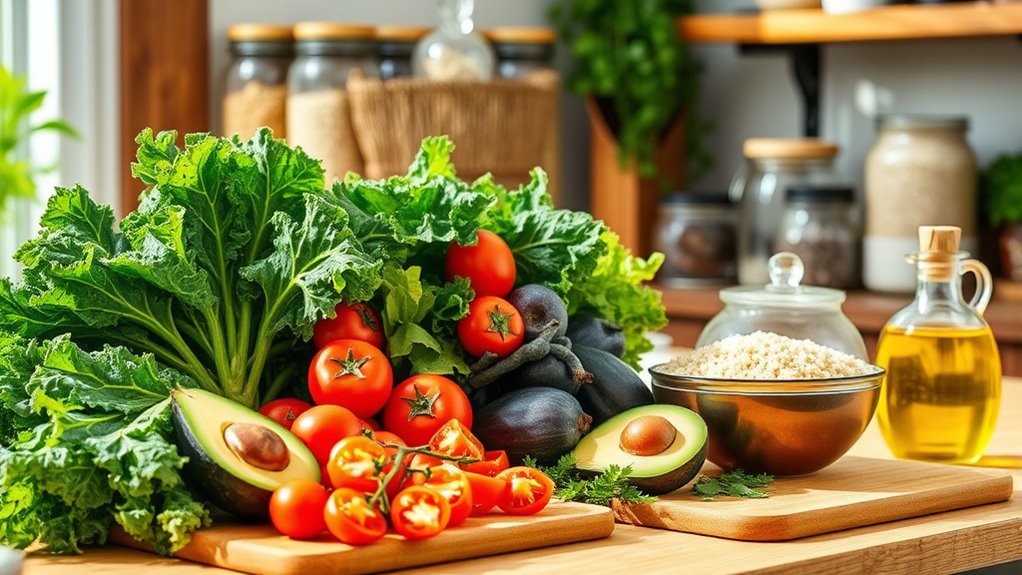

Embracing plant-based cooking at home makes healthy eating simpler, more sustainable, and flavorful. It helps you control ingredients, save time, and experiment with diverse flavors and combinations. Meal prepping with pre-portioned vegetables, grains, and proteins keeps meals balanced and reduces waste. Understanding flavor pairings and seasoning enhances your dishes, turning cooking into a fun, creative process. Keep exploring, and you’ll discover even more ways to enjoy delicious, nutritious plant-based meals every day.

Get the little things that make your day delivered free with Prime
- Fast, free delivery on millions of items
- Prime Video, Amazon Music and more included
- Member-only deals all year
Key Takeaways
- Plant-based cooking promotes health, sustainability, and flavor, making it a rewarding dietary choice.
- Meal planning and prep streamline access to fresh ingredients, reducing waste and last-minute unhealthy choices.
- Understanding flavor pairing enhances dish complexity and satisfaction through natural ingredient combinations.
- Personalization through experimentation and seasoning creates enjoyable, tailored plant-based meals.
- Integrating strategic planning and seasoning fosters consistent, sustainable, and flavorful plant-based cooking at home.

Plant-based cooking has gained popularity as more people seek healthier, sustainable, and flavorful meal options. When you start exploring this style of cooking, one of the smartest ways to make it manageable is through meal prep. Planning your meals ahead of time allows you to stock your fridge with ready-to-eat portions filled with vibrant vegetables, grains, and plant-based proteins. It also saves you from last-minute decisions that often lead to less healthy choices. With meal prep, you can experiment with different flavor pairing combinations, ensuring each dish is balanced and delicious. For example, pairing sweet potatoes with spicy cumin or combining tangy lemon with hearty greens creates layers of flavor that keep your meals exciting and satisfying. This approach encourages consistency and helps you integrate more plant-based ingredients into your diet without feeling overwhelmed.
Additionally, understanding the 16PF traits can help you identify your personal preferences and tailor your meal planning to suit your personality, making the process more enjoyable. As you explore into plant-based cooking, understanding flavor pairing becomes essential. It’s all about creating harmony between ingredients so each bite delivers a complex, satisfying taste. Think about how certain flavors naturally complement each other—like the bitterness of arugula with the sweetness of roasted beets or the acidity of balsamic vinegar with the richness of roasted mushrooms. When you get familiar with these combinations, you’ll find it easier to create meals that are both flavorful and nutritionally balanced. You don’t need to be a culinary expert to master flavor pairing; just trust your palate and experiment. For instance, adding fresh herbs like basil or cilantro can brighten up a hearty grain bowl or stew, while spices such as cumin, paprika, or turmeric can elevate simple vegetable dishes into something flavorful and memorable.
Incorporating meal prep and understanding flavor pairing go hand in hand when you’re cooking plant-based meals at home. Planning your ingredients allows you to think about how flavors will develop and interact over time. When you explore into plant-based cooking, you can also focus on seasoning and seasoning combinations, making sure your meals are both healthy and delicious. Plus, by having pre-portioned ingredients ready, you’re more likely to stick with your plant-based goals, reducing waste and saving time during busy weekdays. Over time, you’ll discover your favorite flavor combinations and develop a more intuitive sense of how to craft meals that are nourishing and full of taste. Ultimately, embracing these strategies makes plant-based cooking not just a healthy choice but an enjoyable culinary adventure.
plant-based meal prep containers
As an affiliate, we earn on qualifying purchases.
As an affiliate, we earn on qualifying purchases.
Frequently Asked Questions
How Do I Ensure Adequate Protein Intake on a Plant-Based Diet?
To guarantee you get enough protein on a plant-based diet, include a variety of plant protein sources like beans, lentils, tofu, tempeh, nuts, and seeds in your meals. Use meal planning strategies such as combining grains with legumes or nuts to boost protein content. Keep track of your intake to meet daily requirements, and experiment with different recipes to keep your diet balanced and satisfying.
What Are Common Pantry Staples for Plant-Based Cooking?
Did you know that having a well-stocked pantry makes plant-based cooking 50% easier? You’ll want a variety of grain varieties like quinoa, rice, and oats for versatility. Keep spice blends on hand to boost flavor without extra calories. Stock canned beans, lentils, and nuts for protein. Don’t forget cooking oils, vinegars, and dried herbs to create delicious, nutritious meals effortlessly.
How Can I Make Plant-Based Meals More Flavorful?
To make your plant-based meals more flavorful, experiment with herb combinations and spice blends. You can add fresh herbs like basil, cilantro, or parsley to brighten dishes, while spice blends such as cumin, paprika, or curry powder deepen flavors. Don’t be afraid to taste and adjust seasonings as you cook. This approach elevates simple ingredients, making your meals more aromatic, savory, and satisfying.
Are There Any Nutritional Supplements Needed for a Plant-Based Diet?
You might need supplements for a plant-based diet, especially Vitamin B12, which isn’t naturally found in plant foods. To guarantee proper Iron absorption, include vitamin C-rich foods like citrus or bell peppers with iron sources. Regularly check with your healthcare provider to monitor your nutrient levels, and consider taking B12 supplements or fortified foods to stay healthy and prevent deficiencies.
How Do I Adapt Traditional Recipes to Be Plant-Based?
To adapt traditional recipes to be plant-based, start by replacing meat with plant-based meat substitutions like tofu, tempeh, or seitan. Swap dairy with dairy alternatives such as almond milk, coconut yogurt, or vegan cheese. You can also experiment with using mashed beans or lentils for texture and protein. These adjustments help you enjoy familiar dishes while keeping them vegan and nutritious.
Conclusion
Embrace plant-based cooking at home to nourish your body, energize your mind, and delight your taste buds. Discover new flavors, explore vibrant ingredients, and enjoy the health benefits that come with every meal. By choosing plants, you’re making a positive impact on your well-being, the environment, and your culinary skills. So, get inspired, get creative, and get cooking—because every plant-based meal is an opportunity to thrive, to enjoy, and to transform your health.
Halloween Picks
halloween
As an affiliate, we earn on qualifying purchases.