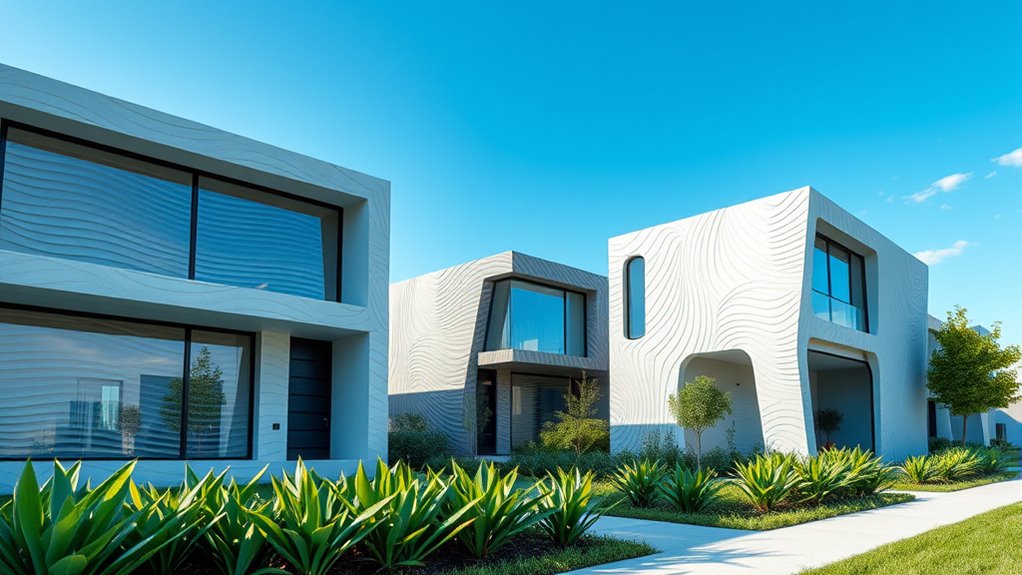

The future of home building with 3D printing and modular homes offers faster, greener, and customizable spaces. These innovative methods reduce construction time and waste while allowing you to tailor your home’s layout and features. Smart integrations enhance comfort and efficiency, making your living environment more adaptable. As technology advances, homes become more sustainable and accessible. Keep exploring to discover how these breakthroughs are reshaping the way you experience your ideal living space.

Get the little things that make your day delivered free with Prime
- Fast, free delivery on millions of items
- Prime Video, Amazon Music and more included
- Member-only deals all year
Key Takeaways
- 3D printing and modular techniques enable faster, customizable, and efficient home construction with reduced waste.
- Sustainable materials like recycled plastics and bio-composites minimize environmental impact and promote eco-friendly living.
- Smart home integration offers seamless automation, sensor monitoring, and energy-efficient features for enhanced comfort.
- Accelerated construction speeds improve accessibility and affordability, allowing quicker move-in and design flexibility.
- Future homes focus on sustainability, adaptability, and smart technology, creating personalized, eco-conscious living environments.
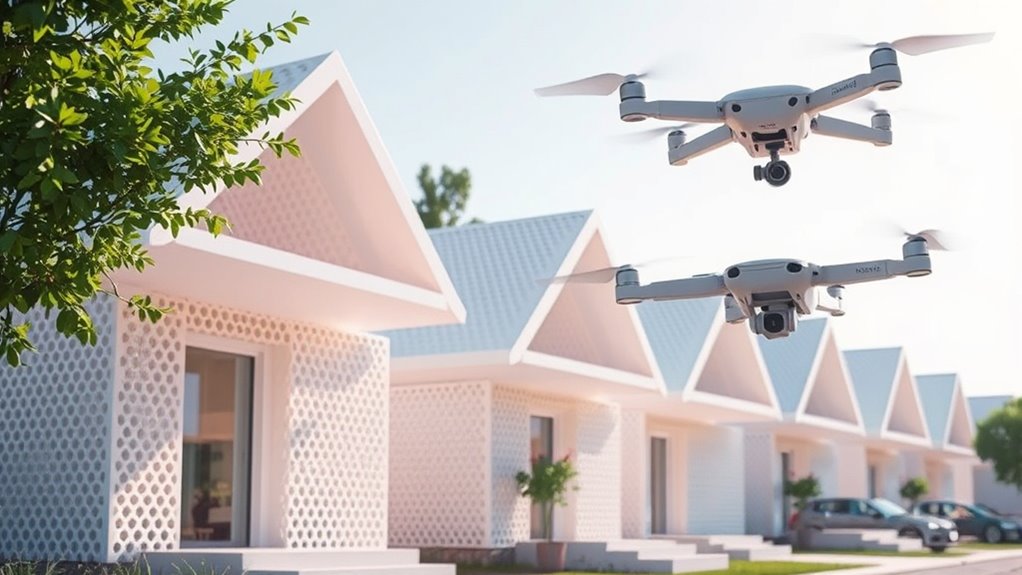
Have you ever wondered what homes of the future will look like? As technology advances, the way we build and design homes is transforming dramatically. One of the most exciting developments is the use of 3D printing and modular construction, which promises faster, more efficient, and eco-friendly housing solutions. These methods are revolutionizing the industry by making homebuilding more sustainable and customizable, aligning perfectly with your desire for innovative living spaces.
Discover how 3D printing and modular construction are shaping the future of sustainable, customizable homes.
In the future, your home could be constructed using sustainable materials like recycled plastics, bio-based composites, and low-impact concretes. These materials reduce the environmental footprint of construction, helping to conserve resources and lower emissions. 3D printing technology enables precise application of these sustainable materials, minimizing waste and allowing intricate designs that traditional methods might struggle to achieve. Imagine walking into a home built with minimal waste, where every component is designed for durability and environmental harmony. This approach not only benefits the planet but also ensures your home remains resilient and energy-efficient over time.
Smart home technology will be seamlessly integrated into these new builds, making your living space more convenient, secure, and energy-efficient. Think about voice-activated systems controlling lighting, climate, and security, or smart sensors that monitor everything from air quality to water usage. These innovations allow you to optimize your energy consumption, reducing costs and your carbon footprint. Modular homes, made from prefabricated sections, will be equipped with advanced automation systems that make management simple and intuitive. The ability to customize your home’s layout and features through smart technology means your living space can evolve with your needs without extensive renovations.
Additionally, advances in home automation and smart connectivity will further enhance the usability and personalization of future homes. 3D-printed and modular homes will also offer rapid construction times, so you can move into your new space much sooner than traditional building methods allow. This efficiency reduces labor costs and accelerates the delivery process, making homeownership more accessible. Plus, the flexibility of these techniques means you can choose designs that reflect your personality and lifestyle, whether you want a compact city dwelling or a spacious family home. The integration of sustainable materials and smart technology ensures that your future home isn’t just about aesthetics but about creating a living environment that’s efficient, adaptable, and environmentally conscious.
Ultimately, the future of home building isn’t just about innovation—it’s about creating smarter, greener, and more personalized spaces. With 3D printing and modular construction leading the way, you’ll have the opportunity to live in homes that are faster to build, better for the planet, and tailored to your unique needs. This new era of homebuilding promises a more sustainable and connected lifestyle, transforming your idea of what a home can be.
3D printed home construction kit
As an affiliate, we earn on qualifying purchases.
As an affiliate, we earn on qualifying purchases.
Frequently Asked Questions
What Are the Environmental Impacts of 3d-Printed Homes?
You might wonder about the environmental impacts of 3D-printed homes. They offer sustainability benefits, like reducing waste through precise material use. Plus, many 3D printing materials are recyclable, which minimizes landfill contributions. This process can lower energy consumption compared to traditional building methods, helping the environment. Overall, 3D-printed homes can be a more eco-friendly option, promoting material recyclability and supporting sustainable construction practices.
How Affordable Are Modular Homes Compared to Traditional Builds?
You might wonder how affordable modular homes really are. The cost comparison shows they’re often less expensive than traditional builds, thanks to faster construction and less waste. Plus, financing options are more flexible, making it easier to get started. But the real surprise? These savings can vary based on design choices and location. So, if you’re seeking affordability without sacrificing quality, modular homes could be your smart move.
What Materials Are Used in 3D Printing for Homes?
You might wonder what materials are used in 3D printing for homes. Typically, sustainable materials like concrete, bioplastics, and recycled composites are employed, thanks to their durability and eco-friendliness. Manufacturing techniques now focus on advanced layering and precision, reducing waste and energy use. This approach guarantees that 3D-printed homes are not only innovative but also environmentally conscious, making them a promising option for future affordable housing solutions.
Are There Any Zoning Restrictions for Modular or 3d-Printed Homes?
You may face zoning challenges and regulatory hurdles when considering modular or 3D-printed homes. Local ordinances often have restrictions on unconventional building methods, which can delay or block approval. It’s essential to check with your city or county’s zoning office, as rules vary widely. While some areas embrace innovative construction, others maintain strict regulations, so understanding local policies helps you navigate potential obstacles effectively.
How Long Does It Typically Take to Construct These Homes?
You’re curious about construction time and project duration for these innovative homes. Typically, modular homes can be built in just a few weeks since modules are assembled off-site, reducing overall construction time. In contrast, 3D-printed homes often take several days to weeks, thanks to rapid printing technology. This quick project duration minimizes delays, allowing you to move in faster compared to traditional building methods.
Conclusion
As you explore the future of home building, remember that 3D-printed homes can cut construction time by up to 70%, making affordable housing more accessible. Modular homes, built quickly and efficiently, are revolutionizing how we think about living spaces. With innovations like these, you’re part of a movement that’s shaping a faster, more sustainable housing industry. Embrace these technologies, and you’ll see how they’re transforming dreams into reality—faster than ever before.
Halloween Picks
halloween
As an affiliate, we earn on qualifying purchases.