
TL;DR

Get the little things that make your day delivered free with Prime
- Fast, free delivery on millions of items
- Prime Video, Amazon Music and more included
- Member-only deals all year
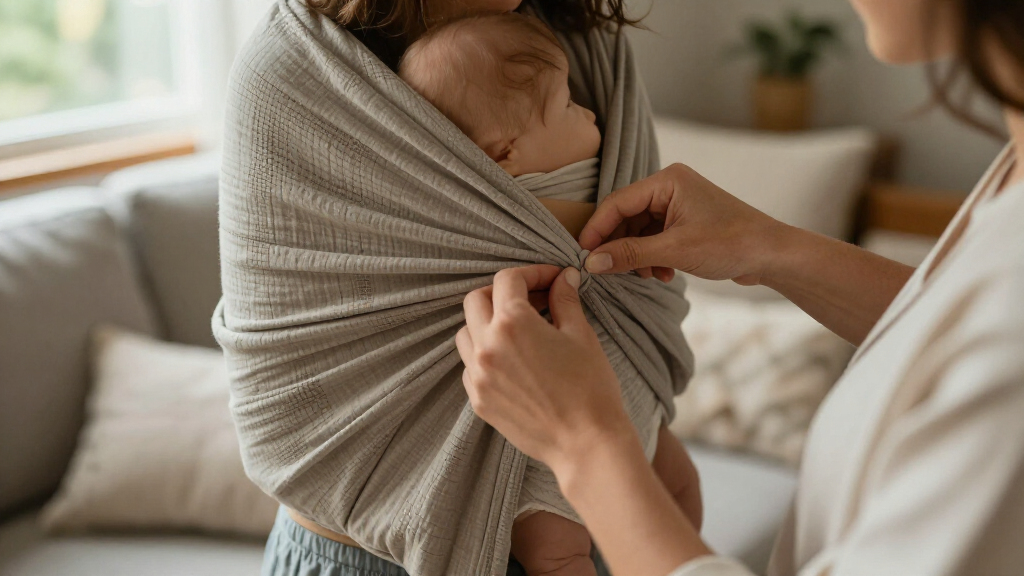
A new ranking highlights the nine best nontoxic baby wraps and ergonomic carriers for 2026, focusing on safety and eco-friendly materials. The list aims to guide parents toward healthier options, amid rising interest in baby product safety.
Manufacturers and consumer guides have released a list of the 9 best nontoxic baby wraps and ergonomic carriers for 2026, highlighting products that prioritize safety, eco-friendly materials, and ergonomic design for infants and caregivers. This development comes as parental awareness of chemical exposure and product safety rises, making such rankings highly relevant for new parents and caregivers.
The list, compiled by a prominent parenting and safety review platform, emphasizes products made from natural, chemical-free fabrics such as organic cotton, bamboo, and hemp. It also features ergonomic carriers designed to support both the baby’s and caregiver’s health, with a focus on comfort and proper weight distribution. The ranking is based on factors including material safety, ergonomic design, durability, and user reviews.
Sources indicate that the increasing consumer interest in non-toxic, sustainable baby products has driven this focus. While the list is not an official safety certification, it reflects a broader market trend toward transparency and health-conscious manufacturing. Experts note that choosing non-toxic materials can reduce infants’ exposure to potentially harmful chemicals, which is especially important during early development.
Why Parents Are Prioritizing Non-Toxic Baby Carriers in 2026
The emphasis on nontoxic materials and ergonomic design in baby carriers signifies a shift toward safer, more sustainable parenting choices. As research continues to highlight the potential health risks associated with certain chemicals in consumer products, parents increasingly seek options that minimize exposure. This trend also reflects broader concerns about environmental impact and the desire for eco-friendly products in everyday life.
Choosing safer carriers can potentially reduce infants’ contact with harmful substances, which may contribute to healthier development. Additionally, ergonomic carriers are linked to better posture for caregivers and proper support for infants, reducing strain and discomfort during prolonged use. Overall, the list underscores a growing market demand for transparency, safety, and sustainability in baby gear.
As an affiliate, we earn on qualifying purchases.
Growing Consumer Demand for Safer Baby Gear in 2026
Interest in non-toxic, eco-friendly baby products has surged over recent years, driven by increased awareness of chemical exposure risks and environmental concerns. Industry data shows a spike in searches and reviews related to safe, natural baby wraps and carriers, especially as parents become more informed about the potential long-term health effects of synthetic materials. While there is no official certification for ‘nontoxic’ products, market trends suggest that manufacturers are responding by offering more transparent ingredient lists and sustainable options.
This trend is further fueled by advocacy from health organizations and consumer safety groups, emphasizing the importance of chemical-free environments for infants. The current ranking reflects this evolving landscape, where product safety and environmental sustainability are now key considerations for parents shopping for baby gear.
Unconfirmed Market Trends and Certification Standards
It is not yet clear whether any official certification or regulatory standards will emerge specifically for ‘nontoxic’ baby carriers in 2026. The ranking is based on consumer reviews and manufacturer transparency, but no formal safety approval exists for this designation. Additionally, the long-term health impacts of specific materials are still under study, and some claims about safety may be based on product labeling rather than independent testing.
Future Developments in Baby Carrier Safety and Standards
Expect ongoing research into the health effects of materials used in baby gear, alongside potential development of industry standards or certifications for ‘nontoxic’ products. Manufacturers may increase transparency and innovation in eco-friendly, chemical-free fabrics. Parents and caregivers should stay informed about new safety guidelines and product recalls to ensure ongoing safety for their infants.
Key Questions
What makes a baby carrier ‘nontoxic’?
A ‘nontoxic’ baby carrier is made from materials free of harmful chemicals, dyes, and synthetic substances, often emphasizing organic or natural fabrics like cotton, bamboo, or hemp.
Are ergonomic carriers safer for babies?
Yes, ergonomic carriers are designed to support proper posture for both the baby and caregiver, reducing strain and promoting healthy development.
Is there an official certification for nontoxic baby products?
Currently, there is no universal certification specifically for ‘nontoxic’ baby carriers. Consumers should look for transparency in ingredient lists and manufacturer safety claims.
How can I identify safe baby wraps and carriers?
Look for products made from organic, chemical-free fabrics, with clear labeling about materials used, and positive reviews emphasizing safety and comfort.
Source: rss
Halloween Picks
halloween
As an affiliate, we earn on qualifying purchases.