
🔍 Read the full analysis: What The Garment Wage Board Signals For Workers Across Bangladesh on ThorstenMeyerAI.com

Get the little things that make your day delivered free with Prime
- Fast, free delivery on millions of items
- Prime Video, Amazon Music and more included
- Member-only deals all year
TL;DR
Bangladesh appointed a six-member board on Nov. 1 to recommend a new minimum wage for garment workers, as protests disrupted 529 factories, according to the manufacturers’ association. Workers are seeking 30,000 taka a month, up from the current 12,500-taka floor; the board has not announced a meeting date or deadline for its recommendation.
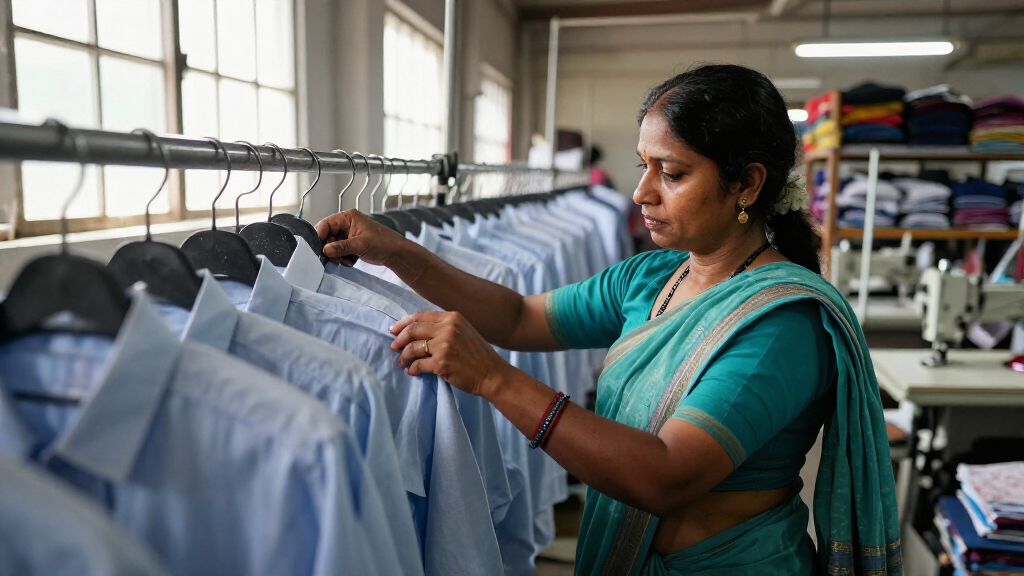
Bangladesh named a six-member garment wage board on Nov. 1 as protests over pay disrupted 529 factories, according to the Bangladesh Garment Manufacturers and Exporters Association (BGMEA). Workers are demanding a monthly minimum of 30,000 taka, more than double the current 12,500-taka floor, but the government has not said when the board will meet or issue a recommendation.
The Ministry of Labour and Employment issued two notifications appointing the board under the Bangladesh Labour Act, as amended in 2026. Its members include chair Sheikh Ashfaqur Rahman, independent member Mosleh Uddin Ahmed of the University of Dhaka, two employer representatives and two worker representatives. The chair is to work with the other members to determine a minimum wage recommendation.
BGMEA’s situation report covered 2,134 factories across five industrial regions. It counted disruptions at 276 of 836 factories in Gazipur and Mymensingh, 185 of 441 in Savar, Ashulia and Jirani, and 68 of 320 in the Dhaka Metropolitan Police area. The report said 987,190 workers left their workplaces. It recorded no affected factories in the areas it covered in Narayanganj and Chattogram. The figures were reported by The Daily Star.
Reuters reported that police used tear gas and water cannon after bricks were thrown during Sunday’s protests. A police vehicle and a police box were set on fire, and Border Guard Bangladesh personnel were deployed. Reuters said factories reopened Monday, Nov. 2, although owners were concerned about further unrest. The reported factory count describes workplaces disrupted after workers left; it does not mean those factories were locked by their owners.
Pay Dispute Threatens Factory Output
The decision puts a formal wage-setting process in motion during a dispute with consequences for workers’ household budgets and the country’s export industry. Disruptions can halt production and put shipment schedules at risk. Labour Minister Ariful Haque Choudhury urged workers to return and warned that prolonged stoppages could delay export shipments and payments from foreign buyers, Reuters and Al Jazeera reported.
The wage dispute also puts pressure on the role of international brands. Workers are asking for higher pay, while manufacturers say the proposed level is not justified. Both sides have pointed to buyer pricing as part of the problem. An International Labour Organization survey from 2016 found that 17% of Bangladeshi suppliers said their customers were willing to reflect minimum-wage increases in the prices they paid. That survey is dated and does not establish how buyers would respond to this wage round.
For workers, the outcome will determine whether the legal minimum better matches their costs. For factories and their customers, a higher wage could affect production expenses and purchasing decisions. The board’s recommendation, and how employers and buyers respond to it, will shape what follows; the appointment alone does not change the current wage.
Products Worth Considering

Philips Hue Smart Light Starter Kit with Bridge and 4 White and Color A19 Bulbs

Dyson V15 Detect Cordless Vacuum

Coway Airmega AP-1512HHS Smart Air Purifier, Black
As an affiliate, we earn on qualifying purchases.
A Review Under the 2026 Law
The current minimum wage of 12,500 taka a month has applied since December 2023. Workers are seeking 30,000 taka, which Reuters converted to about $243 to $245. The demand is a negotiating position, not a wage already approved by the government.
Protests had been building for weeks. The Daily Star reported on Oct. 21 that workers had been blocking roads since mid-October. On Oct. 31, about 30 factories near Ashulia declared holidays, according to Ashulia Industrial Police superintendent Mohammad Mominul Islam Bhuiyan, as reported by Reuters and Al Jazeera. Clashes there injured several people, including police officers, police said.
A 2026 amendment to the Labour Act shortened the interval between minimum-wage reviews from five years to three years, The Daily Star reported. A review was due given the timing of the current wage, but the latest protests and the board’s appointment have made the process an immediate focus. Research cited by the Centre for Policy Dialogue has also warned that automation could put up to 1.22 million garment jobs at risk; that estimate is a longer-term industry concern, not a reported effect of this week’s protests.
“After paying rent, there is very little left for food, our children’s education and other essential expenses.”
— Mahin Hossain, a garment worker, speaking to Reuters
Board Timetable Remains Unknown
The ministry notifications do not state when the board will hold its first meeting, when it will announce a proposed wage structure or whether it has a deadline, The Daily Star reported. It is also not yet clear what wage the board will recommend or how far its members will agree on a figure.
The 529-factory count and worker total come from BGMEA, the employers’ association, and reflect its situation report for Nov. 1. The reporting does not establish how long each disruption lasted or provide an independent count. Reuters reported that factories reopened on Nov. 2, but further protests remained a concern. The eventual effect on production, shipments and buyer prices is not yet known.
Wage Talks Await a First Meeting
The immediate next step is for the appointed board to meet and begin consultations among its worker, employer and independent members. No date or public deadline has been announced. Until the board recommends a wage and the government sets a new structure, the 12,500-taka minimum remains the existing floor.
Workers, factory owners and buyers will be watching for whether the process produces a figure that can be implemented without further disruption. The government’s next public information on the board’s timetable, alongside the course of protests and factory operations, will clarify whether the dispute is moving toward negotiations or another round of stoppages.
Key Questions
What wage are garment workers demanding?
Workers are demanding a minimum wage of 30,000 taka a month. The current minimum is 12,500 taka and has applied since December 2023.
What is the wage board responsible for?
The six-member board is tasked with working out a minimum-wage recommendation through consultation among its chair, an independent member, employer representatives and worker representatives. The appointment itself does not change the current wage.
How many factories were disrupted during the protests?
BGMEA reported disruptions at 529 of 2,134 factories covered by its Nov. 1 situation report. It said 987,190 workers left their workplaces. These are figures from the association’s report, as published by The Daily Star.
When will the board announce a new wage?
No meeting date, announcement date or deadline was stated in the ministry notifications, according to The Daily Star. The timing and amount of any new wage remain unknown.
Source: ThorstenMeyerAI.com