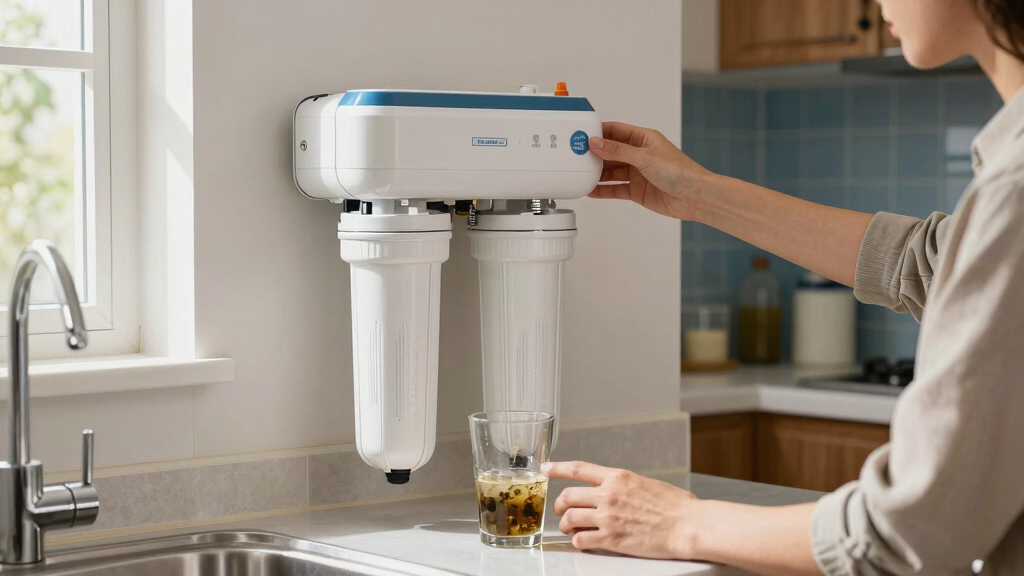

Choosing the right whole house water filter for sediment and chlorine involves balancing filtration power, longevity, ease of installation, and cost. The iSpring WGB32BM stands out for its comprehensive three-stage system, tackling iron, manganese, and industrial contaminants, making it ideal for homes with well water. On the other hand, the GE FXWTC offers a straightforward, NSF-certified solution that excels at chlorine and sediment reduction, suited for city water users. While the iSpring system provides longer-lasting filters and multi-stage filtration, it comes with a higher price point and complexity. Conversely, GE’s simpler design and easy replacement make it more budget-friendly but less comprehensive. Here’s a detailed comparison to help you decide which fits your needs best.
Key Takeaways
- The iSpring WGB32BM offers a multi-stage filtration process, tackling iron, manganese, and industrial contaminants, making it ideal for well water users with sediment and chemical concerns.
- The GE FXWTC provides NSF-certified chlorine and sediment reduction with easy, quarterly filter replacements, suitable for city water systems.
- The iSpring system has a longer filter lifespan, reducing maintenance frequency but at a higher initial cost and installation complexity.
- GE’s filters are more affordable upfront and easier to replace, but they lack the specialized media for heavy metals and iron removal found in iSpring.
- Your choice depends on water source and specific contaminants: choose iSpring for comprehensive filtration, and GE for simpler, cost-effective chlorine and sediment reduction.
| iSpring Whole House Water Filter System, Reduces Iron, Manganese, Chlorine, Sediment, Taste, and Odor, 3-Stage Iron Filter Whole House, Model: WGB32BM |  | Best Overall for Heavy Metal and Industrial Contaminant Removal | Flow Rate: up to 15 GPM | Filter Capacity: 100,000 gallons | Dimensions: 24.5″L x 8″W x 28″H | VIEW LATEST PRICE | See Our Full Breakdown |
| GE FXWTC Whole House Water Filter | Replacement for Water Filtration System | NSF Certified: Reduces Chlorine, Sediment, Rust & Other Impurities | Replace Every 3 Months for Best Results | 2 Filters |  | Best Budget-Friendly for Chlorine and Sediment Reduction | Filter Life: 3 months or 30,000 gallons | Compatibility: Fits systems with 10″ x 2.5″ filters | Certifications: NSF/ANSI | VIEW LATEST PRICE | See Our Full Breakdown |
More Details on Our Top Picks
iSpring Whole House Water Filter System, Reduces Iron, Manganese, Chlorine, Sediment, Taste, and Odor, 3-Stage Iron Filter Whole House, Model: WGB32BM
This iSpring WGB32BM system excels at removing iron, manganese, sediment, chlorine, and industrial solvents, making it a highly versatile choice for homes with well water. Its three-stage filtration includes a sediment filter, catalytic carbon block, and an iron and manganese removal stage, providing comprehensive protection. Compared to the simpler GE FXWTC, it offers longer cartridge life—up to 100,000 gallons—and better suited for households facing multiple contaminants. However, its installation is more complex, often requiring professional help, and the initial investment is higher. The filters are individually wrapped for freshness, and the system is tested to NSF standards, ensuring reliable performance.
Pros:- Effective removal of iron, manganese, and industrial solvents
- Long-lasting filters up to 100,000 gallons
- Multi-stage filtration for comprehensive protection
- DIY installation with available support
Cons:- Higher upfront cost and complexity
- Installation may require professional help
- Larger footprint and more maintenance steps
Best for: Homes with well water that contain sediment, iron, manganese, or industrial pollutants.
Not ideal for: City water users primarily concerned with chlorine or seeking a low-cost, straightforward filter.
- Flow Rate:up to 15 GPM
- Filter Capacity:100,000 gallons
- Dimensions:24.5″L x 8″W x 28″H
- Weight:55 pounds
- Filtration Stages:3
- Certifications:NSF/ANSI
Bottom line: A robust, multi-stage system ideal for well water with heavy metal and industrial contaminant concerns, though it demands more installation effort.
GE FXWTC Whole House Water Filter | Replacement for Water Filtration System | NSF Certified: Reduces Chlorine, Sediment, Rust & Other Impurities | Replace Every 3 Months for Best Results | 2 Filters
The GE FXWTC system offers a straightforward, NSF-certified filtration solution for households primarily concerned with chlorine, sediment, rust, and other common city water impurities. It includes two replacement filters designed to last about three months or 30,000 gallons, making maintenance simple and predictable. Compared to the iSpring, it does not target heavy metals or industrial contaminants but provides reliable reduction of chlorine taste and odor, which is often the main concern in municipal water. Its simplicity and affordability make it attractive for budget-conscious homeowners, though it may require more frequent filter changes and offers less comprehensive protection.
Pros:- Easy to install and replace
- NSF certified for chlorine and sediment reduction
- Affordable upfront cost
- Reliable performance for city water
Cons:- Requires quarterly filter changes
- Limited to chlorine, sediment, and rust removal
- Less effective against heavy metals and industrial pollutants
Best for: City water users seeking effective chlorine and sediment removal with minimal maintenance.
Not ideal for: Homes with well water containing heavy metals, iron, or manganese that require more advanced filtration.
- Filter Life:3 months or 30,000 gallons
- Compatibility:Fits systems with 10″ x 2.5″ filters
- Certifications:NSF/ANSI
- Flow Rate:not specified
- Installation:quick and straightforward
- Weight:varies by replacement
Bottom line: A reliable, cost-effective choice for city households needing basic chlorine and sediment filtration, though it needs frequent filter replacements.
How We Picked
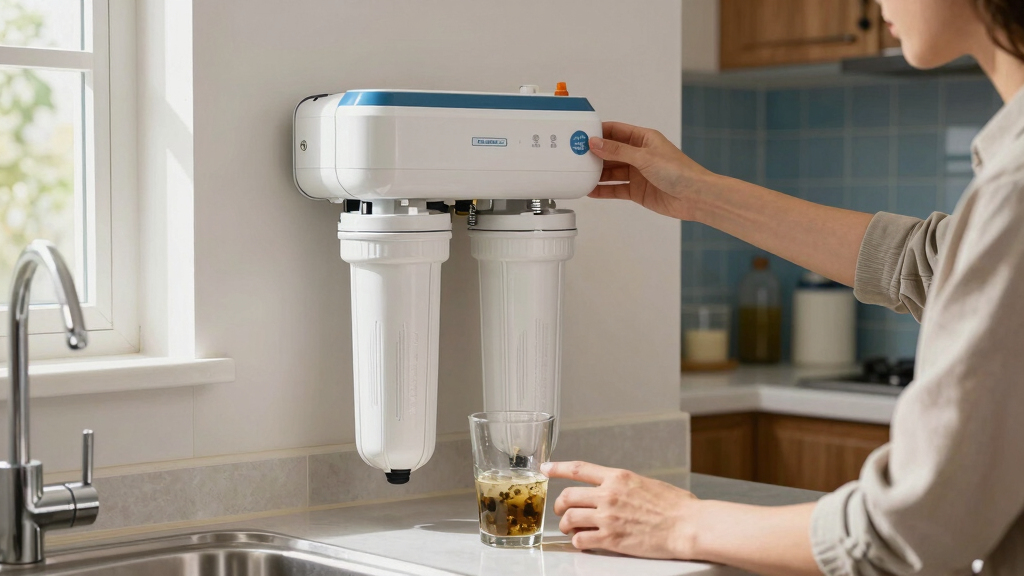
To select the best whole house filters for sediment and chlorine, I evaluated key factors like filtration effectiveness, media types, longevity, installation ease, and customer feedback. I focused on products that target sediment and chlorine specifically, considering water source differences—well versus city water. I compared independent NSF/ANSI certification, media quality, flow rates, maintenance requirements, and overall value. User reviews and technical support were also important to ensure these systems are reliable and well-supported. This approach ensures I recommend options that balance performance, durability, and cost for typical residential needs.
Factors to Consider When Choosing Best Whole House Water Filter For Sediment And Chlorine
When selecting a whole house water filter for sediment and chlorine, it’s essential to consider your water source, specific contaminants, maintenance preferences, and budget. Filters targeting well water often require multi-stage media designed for metals and industrial pollutants, whereas city water filters focus on chlorine, sediment, and odor reduction. Understanding flow rates and cartridge lifespan helps prevent pressure drops and frequent maintenance. Installation complexity varies, so choose a system compatible with your plumbing skills or consider professional help. This guide highlights key factors to match your household needs with the best filtration technology.
Water Source and Contaminants
Identify whether your water source is city municipal supply or well water. Well water often contains iron, manganese, and industrial pollutants requiring a multi-stage system like iSpring WGB32BM. City water typically has chlorine and sediment, making simpler systems like GE FXWTC suitable. Testing your water can clarify which contaminants are present, guiding your choice for targeted filtration.
Filtration Effectiveness and Media
Look for NSF or ANSI certifications confirming the system’s ability to reduce specific contaminants. Media types such as catalytic carbon are effective against chlorine and chemicals, while specialty media like iron and manganese filters are necessary for well water. The more comprehensive the media, the better your water quality, but this often comes with higher costs.
Maintenance and Lifespan
Consider how often you’ll need to replace filters. Systems like iSpring WGB32BM offer long-lasting cartridges up to 100,000 gallons, reducing maintenance frequency. Conversely, simpler filters like GE FXWTC require quarterly replacements, which may be more convenient but more costly over time. Balance your willingness to perform maintenance with your budget.
Installation and Cost
Some systems are DIY-friendly, with straightforward installation, while others may require professional plumbing help. Initial costs vary from affordable options like GE filters to more expensive multi-stage systems like iSpring. Factor in your technical skills and budget to select a system that fits your household and installation comfort level.
Frequently Asked Questions
How often should I replace my whole house water filter?
The replacement frequency depends on the system and your water quality. For city water filters like the GE FXWTC, replacements are typically needed every three months or after filtering about 30,000 gallons. For systems targeting heavy metals and industrial pollutants like iSpring, cartridges can last up to a year or 100,000 gallons, but it’s best to follow manufacturer recommendations and water testing results to ensure optimal performance.
Can I install a whole house filter myself?
Many residential systems are designed for DIY installation, especially those with standard fittings and straightforward setups. However, more complex multi-stage systems like the iSpring WGB32BM may require plumbing skills or professional help to ensure proper installation and maximum performance. Always follow the manufacturer’s instructions and local plumbing codes for best results.
Will a whole house filter remove all contaminants from my water?
While whole house filters can significantly reduce many common impurities like sediment, chlorine, rust, and certain heavy metals, they may not eliminate all contaminants, especially dissolved solids or microbes. For comprehensive purification, additional treatment methods like UV sterilization or reverse osmosis may be necessary, depending on your specific water concerns.
What are the main differences between filters for well water and city water?
Filters for well water typically include media designed to remove iron, manganese, and industrial pollutants, often requiring multi-stage systems like iSpring WGB32BM. City water filters focus on reducing chlorine, sediment, and odor, often with simpler, NSF-certified cartridges such as GE FXWTC. Your choice depends on your water source and the contaminants you need to address.
Are there any downsides to multi-stage filtration systems?
Multi-stage systems like the iSpring WGB32BM tend to have higher initial costs, more complex installation, and potentially more maintenance due to multiple cartridges. However, they provide broader protection against various contaminants and usually have longer filter lifespans. Weigh these factors against your water quality needs and budget to determine if a multi-stage system is right for you.
Conclusion
If you have well water with heavy metals, industrial pollutants, or manganese, the iSpring WGB32BM offers comprehensive filtration that justifies its higher cost and installation effort. For city water users mainly concerned with chlorine, sediment, and rust, the GE FXWTC provides a simple, budget-friendly solution with reliable performance. Your choice should align with your water source, specific contaminants, and willingness for maintenance. Both options can significantly improve your home’s water quality when matched to your needs.