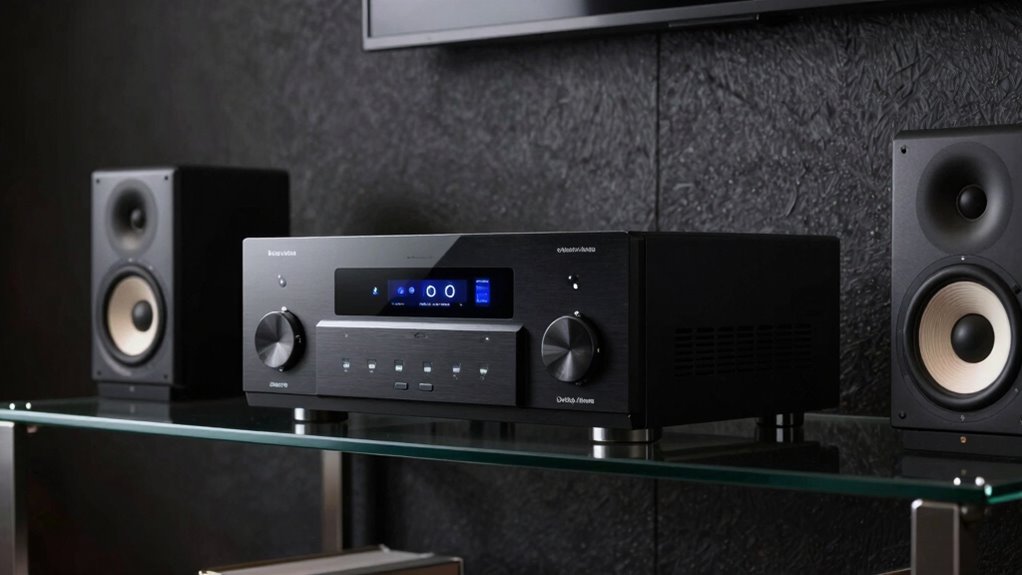

If you’re searching for an AV receiver for Dolby Atmos, you’re likely aiming to create a home theater with immersive, multi-dimensional sound. The best models deliver not just Atmos support but also high power, versatile connectivity, and future-proofing with 8K compatibility. The top overall pick, the Denon AVR-X3700H, balances performance and value, while options like the Yamaha RX-A8A cater to audiophiles seeking premium features. However, buyers face tradeoffs: spending more generally means better build quality and more advanced sound processing, but it also increases cost. Keep reading for a detailed breakdown to help you find the right fit.

Get the little things that make your day delivered free — and shop member deals
- Fast, free delivery on millions of items
- Access to Prime Big Deal Days deals on October 6–7
- Prime Video, Amazon Music and more included
Key Takeaways
- Top picks balance immersive Atmos support with overall sound quality and connectivity options.
- Higher-end models like the Yamaha RX-A8A offer advanced audio formats and future-proofing but come at a premium price.
- Affordable options such as the Denon AVR-X1700H deliver solid Atmos performance without breaking the bank.
- Power output and speaker channel support are critical for large rooms or high-volume setups.
- Ease of use and streaming features vary widely; select a model matching your technical comfort level.
| Onkyo TX–NR5100 7.2-Channel 8K Smart AV Receiver – Black |  | Best Overall for Future-Ready Home Theater and Gaming | Channels: 7.2 | Video Resolution: 8K | Connectivity: HDMI 2.1 | VIEW ON AMAZON | See Our Full Breakdown |
| Denon AVR-S970H 7.2 Channel 8K UHD AV Receiver (90W x 7), Wi-Fi, Bluetooth |  | Best Value for Robust 8K Support and Wireless Streaming | Channels: 7.2 | Power Output: 90W x 7 | Video Resolution Support: 8K/60Hz | VIEW ON AMAZON | See Our Full Breakdown |
| Yamaha RX-A2A AVENTAGE 7.2-Channel AV Receiver | 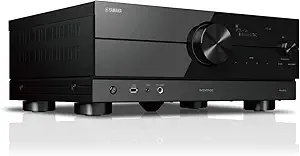 | Best for Premium Home Theater with Versatile Video and Audio | Channels: 7.2 | Supports 8K: Yes | Supports 4K/120: Yes | VIEW ON AMAZON | See Our Full Breakdown |
| Yamaha RX300A 5.2-Channel Home Theater AV Receiver with Dolby Atmos, 4K120/8K HDMI, Bluetooth |  | Best for Compact Setup with Easy Dolby Atmos Integration | Channels: 5.2 | Power: 70W | HDMI Support: 4K120/8K60 | VIEW ON AMAZON | See Our Full Breakdown |
| Denon AVR-X3900H 9.4 Channel AV Receiver with HEOS Multiroom Audio Streaming |  | Best for Power and Multi-Room Flexibility | Channels: 9.4 | Power per channel: 105W | Supports: Dolby Atmos, DTS:X, AURO-3D, IMAX, 8K | VIEW ON AMAZON | See Our Full Breakdown |
| Onkyo TX-NR6100 7.2 Channel THX Certified Network AV Receiver – Black |  | Best Overall for Power and Future-Proofing | Power: 210 W/Ch | Channels: 7.2 | Certification: THX Certified Select | VIEW ON AMAZON | See Our Full Breakdown |
| Sony STR-DH790 7.2-ch Surround Sound Home Theater AV Receiver |  | Best for Simplicity and Video Compatibility | Number of Channels: 7.2 | HDMI Ports: 5 | Supports 4K HDR: Yes | VIEW ON AMAZON | See Our Full Breakdown |
| Yamaha RX-V6A 7.2-Channel AV Receiver with MusicCast |  | Best for Connectivity and Smart Features | Channels: 7.2 | HDMI: 7 in / 1 out with HDMI 2.1 | Video Support: 4K60, 4K120AB, 8K60B | VIEW ON AMAZON | See Our Full Breakdown |
| TX-NR7100 9.2-Channel THX Certified AV Receiver |  | Best for Multi-Room and Advanced Room Correction | Channels: 9.2 | THX Certified: Yes | HDMI Out: 3 | VIEW ON AMAZON | See Our Full Breakdown |
| Yamaha RX-A8A AVENTAGE 11.2-Channel AV Receiver with 8K/4K Support, Dolby Atmos, DTS:X, Auro-3D, Wi-Fi, Bluetooth, MusicCast |  | Best for High-End Immersive Audio and Video | Channels: 11.2 | Supports: 8K60, 4K120, HDCP 2.3, eARC | Audio Formats: Dolby Atmos, DTS:X, Auro-3D | VIEW ON AMAZON | See Our Full Breakdown |
| Denon AVR-X1700H 7.2 Channel AV Receiver – 80W/Channel, Built-in HEOS |  | Best Overall for Versatile Home Theater with 8K Support | Channels: 7.2 | Power per Channel: 80W | HDMI Inputs: 3 dedicated 8K inputs | VIEW ON AMAZON | See Our Full Breakdown |
| Denon AVR-S570BT 5.2 Channel AV Receiver – 8K Ultra HD Audio & Video | 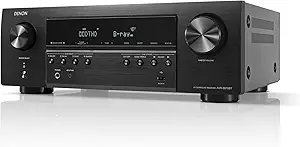 | Best Value for 8K Support in a Compact Package | Channels: 5.2 | HDMI Inputs: 4 HDMI 2.1 | HDMI Output: 1 | VIEW ON AMAZON | See Our Full Breakdown |
| Sony STR-AN1000 7.2ch Home Theater 8K A/V Bluetooth Receiver |  | Best for Ease of Use with Rich Streaming Options | Channels: 7.2 | Output Power: 165W | HDMI Ports: 6 HDMI | VIEW ON AMAZON | See Our Full Breakdown |
| Denon AVR-X1800H 7.2 Channel AV Stereo Receiver (80W x 7), WiFi, Bluetooth |  | Best for Balanced Performance in 7.2 Channels | Channels: 7.2 | Power Output: 80W per channel | HDMI Inputs: 4 | VIEW ON AMAZON | See Our Full Breakdown |
More Details on Our Top Picks
Onkyo TX–NR5100 7.2-Channel 8K Smart AV Receiver – Black
The Onkyo TX–NR5100 stands out for seamlessly combining 8K video support with advanced gaming features like HDMI 2.1 enhancements, VRR, and ALLM, making it a prime choice for users who want both immersive sound and cutting-edge visuals. Compared with the Denon AVR-S970H, it offers better gaming capabilities but comes with a more complex setup process. Its support for high-bitrate audio formats like eARC ensures superior sound quality, especially for high-fidelity content. However, this model’s advanced features can be daunting for less tech-savvy users, and its higher price may deter casual buyers. This pick makes the most sense for tech enthusiasts and gamers who prioritize future-proofing and immersive experience over simplicity.
Pros:- Supports 8K video for future-proofing
- Advanced HDMI 2.1 features for gaming
- Immersive audio with high-bitrate format support
Cons:- Complex setup for some users
- Potentially high cost for casual users
Best for: Home theater enthusiasts and gamers who need cutting-edge video and audio features
Not ideal for: Casual viewers or users seeking a straightforward setup without advanced gaming or future-proof features
- Channels:7.2
- Video Resolution:8K
- Connectivity:HDMI 2.1
- Audio Support:Dolby Atmos, DTS:X, DTS-HD Master Audio, Dolby TrueHD
- Features:VRR, ALLM, eARC
Our verdict“A comprehensive choice for those who want the latest in video and gaming technology without compromise.”
Denon AVR-S970H 7.2 Channel 8K UHD AV Receiver (90W x 7), Wi-Fi, Bluetooth
The Denon AVR-S970H offers a compelling mix of power and versatility, supporting 8K/60Hz pass-through and Dolby Atmos, making it an attractive option for users who want high-quality video with flexible connectivity. Compared to the Yamaha RX-A2A, it provides simpler setup and slightly higher power output per channel for larger spaces. Its eight HDMI ports, including 8K support, make it highly adaptable for multiple devices. Wireless streaming via Wi-Fi and Bluetooth enhances convenience, but its larger footprint can be a drawback for smaller spaces. While it lacks some of the premium calibration and voice control features of higher-end models, it balances performance and affordability well, making it suitable for most home theater setups that prioritize future-proofing without excessive complexity.
Pros:- Supports 8K video pass-through
- Multiple HDMI inputs including 8K support
- Wireless streaming with Wi-Fi and Bluetooth
Cons:- Complex setup may challenge beginners
- Large size may require significant space
Best for: Home theater users seeking a reliable, versatile receiver with strong 8K support and multiple HDMI inputs
Not ideal for: Users who prefer a compact design or advanced voice control and calibration features
- Channels:7.2
- Power Output:90W x 7
- Video Resolution Support:8K/60Hz
- HDMI Ports:8 (6 In/2 Out)
- Wireless Connectivity:Wi-Fi, Bluetooth
Our verdict“A solid, feature-rich option for those who need flexible connectivity and robust 8K video support without premium price tags.”
Yamaha RX-A2A AVENTAGE 7.2-Channel AV Receiver
The Yamaha RX-A2A AVENTAGE is designed for users who desire exceptional video and audio quality, supporting 8K and 4K/120 HDMI pass-through alongside Dolby Atmos and DTS:X. Its advanced calibration with YPAO R.S.C. enhances sound tuning, and its compatibility with voice assistants and Sonos systems adds to its versatility. Compared with the Denon AVR-X3900H, it offers more seamless integration with multi-room systems and voice control, but at a higher price point. Its complex setup may require some technical knowledge, and for users with basic needs, this model might seem overly sophisticated. This receiver is ideal for audiophiles and dedicated home theater enthusiasts seeking high-end features and multi-room capabilities.
Pros:- Supports 8K and 4K/120 HDMI for high-quality video
- Immersive Dolby Atmos and DTS:X surround sound
- Multiple streaming options and voice control
Cons:- Complex setup requiring some technical skill
- Premium price can be a barrier
Best for: Audiophiles and home theater lovers wanting premium calibration and multi-room integration
Not ideal for: Casual users or those seeking simple plug-and-play solutions without extensive setup
- Channels:7.2
- Supports 8K:Yes
- Supports 4K/120:Yes
- HDMI Inputs:7-in/1-out
- Voice Control:Alexa, Siri, Google
Our verdict“Perfect for those who want a high-end, feature-rich receiver with multi-room and voice control capabilities.”
Yamaha RX300A 5.2-Channel Home Theater AV Receiver with Dolby Atmos, 4K120/8K HDMI, Bluetooth
The Yamaha RX300A provides an accessible option for users who want Dolby Atmos support in a smaller package. Its 5.2 channels may limit surround sound compared to larger models, but it still offers immersive Atmos and DTS Virtual:X for a compelling experience. Supporting 4K/120Hz and 8K/60Hz, it handles modern video standards and includes Bluetooth Multipoint for wireless streaming. Compared with the Onkyo TX–NR5100, it is easier to set up and more compact, making it suitable for smaller spaces. However, its lower power output and fewer channels mean it isn’t ideal for large rooms or users seeking multi-zone audio. This receiver is an excellent choice for those prioritizing simplicity and space-saving design.
Pros:- Supports Dolby Atmos and DTS Virtual:X
- Supports high-definition 4K and 8K video
- Easy to set up with Bluetooth Multipoint
Cons:- Limited channels for larger surround sound
- Lower power output may not fill big rooms
Best for: Small room users or those new to home theater who want Dolby Atmos in a compact form
Not ideal for: Large rooms or users requiring extensive multi-channel surround sound
- Channels:5.2
- Power:70W
- HDMI Support:4K120/8K60
- Dolby Atmos:Yes
- Bluetooth:Multipoint
Our verdict“Ideal for small spaces or newcomers seeking Dolby Atmos at an affordable and compact level.”
Denon AVR-X3900H 9.4 Channel AV Receiver with HEOS Multiroom Audio Streaming
The Denon AVR-X3900H pushes the limits with 9.4 channels and 105W per channel, making it suitable for large, immersive setups. Its support for Dolby Atmos, DTS:X, and 8K video, combined with HEOS multi-room streaming, offers a comprehensive entertainment hub. Compared with the Yamaha RX-A2A, it provides more surround sound channels and higher power, ideal for multi-zone systems or large rooms. Its advanced calibration tools like Audyssey MultEQ XT32 help optimize sound, but the complexity of setup and higher cost may be barriers for less experienced users. This receiver is geared toward serious home theater aficionados who demand power, flexibility, and multiroom capabilities in one package.
Pros:- Powerful 105W per channel with immersive sound
- Supports 8K and Dolby Vision for high-quality video
- Multi-room streaming with HEOS and extensive connectivity
Cons:- Complex setup and calibration process
- Higher price point for advanced features
Best for: Large home theaters or multi-zone setups with a focus on immersive sound and multi-room audio
Not ideal for: Small or simple systems where ease of setup and affordability are priorities
- Channels:9.4
- Power per channel:105W
- Supports:Dolby Atmos, DTS:X, AURO-3D, IMAX, 8K
- Video Resolution:4K/8K
- Multi-room:Yes
Our verdict“Designed for serious home theater fans who want maximum power and multi-room flexibility in a single receiver.”
Onkyo TX-NR6100 7.2 Channel THX Certified Network AV Receiver – Black
The Onkyo TX-NR6100 stands out for its impressive 210W per channel, making it ideal for those who want robust sound without sacrificing clarity. Its support for Dolby Atmos and DTS:X combined with 8K HDMI 2.1 ensures compatibility with the latest video standards, surpassing many competitors like the Sony STR-DH790, which has fewer HDMI ports and less power. The THX Certification guarantees high-quality audio, but the setup might challenge less experienced users due to its complexity. Compared with more feature-rich options like the Yamaha RX-A8A, it offers less room correction and streaming versatility, but its straightforward power delivery makes it a top choice for serious home theater enthusiasts who prioritize sound quality and future-proofing.
Pros:- High power output at 210W per channel ensures loud, clear sound
- Supports Dolby Atmos and DTS:X for immersive audio
- 8K HDMI 2.1 for future-proof video compatibility
- THX Certification guarantees high audio quality
Cons:- Complex setup may require technical expertise
- No specific price info makes budgeting difficult
Best for: Power-focused home theater enthusiasts seeking high-volume, immersive sound with network flexibility
Not ideal for: Beginners or users with limited technical knowledge who may find setup complicated
- Power:210 W/Ch
- Channels:7.2
- Certification:THX Certified Select
- Audio Formats:Dolby Atmos, DTS:X
- HDMI:8K with HDMI 2.1 40Gbps
- Zones:Discrete Zone 2 Audio and Video
Our verdict“This receiver is best suited for those who prioritize raw power and future-ready video support without needing extensive multi-room features.”
Sony STR-DH790 7.2-ch Surround Sound Home Theater AV Receiver
The Sony STR-DH790 offers a compelling balance of surround sound and ease of use, making it an appealing option for those new to home theater setups. Supporting Dolby Atmos and DTS:X, it provides immersive audio without the complexity of high-end models like Yamaha RX-A8A. Its 4K HDR pass-through and multiple HDMI inputs make it suitable for most modern home theaters, though its five HDMI ports may limit expansion compared to the Yamaha RX-V6A or Onkyo TX-NR6100. While it lacks built-in Wi-Fi, its straightforward calibration and Bluetooth streaming simplify setup for users who prioritize hassle-free operation over advanced connectivity options. It’s a solid choice for users who want Atmos support without a steep learning curve.
Pros:- Supports Dolby Atmos and DTS:X for immersive sound
- 4K HDR pass-through ensures high-quality video compatibility
- Multiple HDMI inputs for flexible device connections
- Auto calibration simplifies setup
Cons:- Limited to 5 HDMI ports which might be restrictive
- No built-in Wi-Fi for network streaming
Best for: Homeowners looking for an easy-to-set-up Atmos-capable receiver with reliable video pass-through
Not ideal for: Advanced users wanting extensive streaming options or more HDMI inputs
- Number of Channels:7.2
- HDMI Ports:5
- Supports 4K HDR:Yes
- Supports Dolby Atmos:Yes
- Supports DTS:X:Yes
- Dimensions:5 1/4″ tall
Our verdict“Ideal for users seeking a straightforward Atmos experience with solid video support and minimal setup complexity.”
Yamaha RX-V6A 7.2-Channel AV Receiver with MusicCast
The Yamaha RX-V6A makes an excellent choice for those who want both immersive audio and versatile connectivity. Its support for HDMI 2.1 and 8K/4K video ensures future compatibility, while the inclusion of Wi-Fi, Bluetooth, AirPlay 2, and voice control adds a layer of convenience. Unlike the Onkyo TX-NR6100, it offers integrated smart features that appeal to users wanting multi-room control and easy streaming, though setup can be complex due to the abundance of options. While it doesn’t match the power output of the Onkyo, it excels in multi-room audio with MusicCast and advanced room calibration. It suits tech-savvy users who want a feature-rich system that integrates seamlessly into a modern smart home.
Pros:- Supports HDMI 2.1 and 8K/4K video for future-proofing
- Includes Wi-Fi, Bluetooth, AirPlay 2, and voice control
- Supports Dolby Atmos and DTS:X for immersive audio
- MusicCast for multi-room streaming
Cons:- Complex setup with many features may overwhelm beginners
- Requires compatible speakers for full surround experience
Best for: Tech-savvy users wanting a multi-room system with cutting-edge connectivity and immersive sound
Not ideal for: Beginners or those with limited space, as its setup is more involved and it’s larger in size
- Channels:7.2
- HDMI:7 in / 1 out with HDMI 2.1
- Video Support:4K60, 4K120AB, 8K60B
- Connectivity:Wi-Fi, Bluetooth, AirPlay 2, Voice Control
- Audio Formats:Dolby Atmos, DTS:X
- Features:MusicCast multi-room
Our verdict“Best suited for users who want a smart, connected system with immersive surround sound and future-ready video support.”
TX-NR7100 9.2-Channel THX Certified AV Receiver
The TX-NR7100 offers a higher-channel count at 9.2, delivering richer soundscapes for serious home theater setups. Its support for Dolby Atmos and DTS:X, combined with DIRAC Live room correction, makes it a standout for multi-room audio and precise calibration. Its compatibility with Sonos, Bluetooth, and DTS Play-Fi adds streaming flexibility that outshines many competitors like the Yamaha RX-A8A, which focuses more on premium audio features. The setup can be intricate, especially with additional microphones needed for optimal calibration, and its premium pricing may be a barrier for some. Nonetheless, it provides a balanced mix of immersive sound, advanced room correction, and multi-room streaming, making it a top-tier choice for dedicated home theater fans willing to invest.
Pros:- Supports 8K/4K HDMI 2.1 for high-quality video and gaming
- Immersive Dolby Atmos and DTS:X support with 9.2 channels
- Dirac Live room correction for precise calibration
- Multi-room streaming with Sonos, Bluetooth, and DTS Play-Fi
Cons:- Setup complexity requiring technical skills
- Additional microphones needed for optimal calibration
- Higher price point may be prohibitive
Best for: Audiophiles seeking advanced room correction and multi-room streaming in a high-channel-count receiver
Not ideal for: Casual users or those with limited space, due to its complexity and size
- Channels:9.2
- THX Certified:Yes
- HDMI Out:3
- HDMI Version:2.1
- Supports 8K/4K:Yes
- Room Correction:Dirac Live
Our verdict“Ideal for audiophiles who want advanced room correction, multi-room streaming, and immersive multi-channel sound in a premium package.”
Yamaha RX-A8A AVENTAGE 11.2-Channel AV Receiver with 8K/4K Support, Dolby Atmos, DTS:X, Auro-3D, Wi-Fi, Bluetooth, MusicCast
The Yamaha RX-A8A stands as the pinnacle of this lineup, offering 11.2 channels and support for Dolby Atmos, DTS:X, and Auro-3D—delivering a truly enveloping sound environment. Its support for 8K and 4K/120Hz, along with multiple HDMI inputs, makes it highly future-proof. Unlike the Onkyo or Sony models, the RX-A8A incorporates advanced room calibration like YPAO R.S.C. with multi-point measurement, ensuring precise audio performance. Its extensive connectivity options, including Wi-Fi, Bluetooth, and MusicCast, suit users who want seamless smart home integration. However, its large size and complex setup may deter those with limited space or technical experience. This receiver is best for high-end home theaters where ultimate audio quality and multi-dimensional features matter.
Pros:- 11.2 channels and support for Dolby Atmos, DTS:X, and Auro-3D
- Supports 8K and 4K/120Hz for cutting-edge video quality
- Advanced room calibration with YPAO R.S.C. and multipoint measurement
- Multiple smart connectivity options including Wi-Fi, Bluetooth, and MusicCast
Cons:- Complex setup may challenge beginners
- Large footprint requiring ample space
- Premium price may be a barrier for some
Best for: High-end users wanting top-tier immersive sound, multi-room control, and future-ready video features
Not ideal for: Entry-level users or those with limited space who need a simpler, more affordable solution
- Channels:11.2
- Supports:8K60, 4K120, HDCP 2.3, eARC
- Audio Formats:Dolby Atmos, DTS:X, Auro-3D
- Room Calibration:YPAO R.S.C.
- Connectivity:Wi-Fi, Bluetooth, AirPlay 2, MusicCast
- Size:Large
Our verdict“Best suited for those seeking the highest level of immersive audio, multi-dimensional formats, and future-proof video support in a premium package.”
Denon AVR-X1700H 7.2 Channel AV Receiver – 80W/Channel, Built-in HEOS
The Denon AVR-X1700H stands out for its balanced combination of advanced video and audio features, supporting 8K HDMI pass-through and Dolby Atmos, making it ideal for users seeking future-proofing. Compared with the Yamaha RX500A, it offers more straightforward setup and multi-room streaming options, though it may be more complex for absolute beginners. Its 80W per channel provides ample power for most home theaters, but those with very large rooms might find it slightly underpowered. The inclusion of 3 dedicated 8K HDMI inputs and support for HDR formats ensures high-quality video, while built-in HEOS allows seamless multi-room audio. However, its feature set can be overwhelming without prior AV experience, and it lacks 4K upscaling details for non-8K sources. Overall, this model makes the most sense for tech-savvy users who want a comprehensive, future-ready receiver without sacrificing audio quality.
Pros:- Supports 8K HDMI pass-through and Dolby Atmos/DTS:X for immersive audio and video
- Easy setup with on-screen guide and color-coded connections
- Multi-room streaming via Wi-Fi, AirPlay 2, and Bluetooth
Cons:- Complex feature set may require technical knowledge for optimal use
- No mention of 4K upscaling for non-8K sources
Best for: Homeowners wanting a flexible, future-proof AV receiver with multi-room streaming and advanced HDMI features.
Not ideal for: Beginners or those with small spaces who prefer simple plug-and-play setups without advanced features.
- Channels:7.2
- Power per Channel:80W
- HDMI Inputs:3 dedicated 8K inputs
- HDMI Output:1
- Supports:8K/60Hz, Dolby Vision, HDR10
- Audio Formats:Dolby Atmos, DTS:X, DTS Virtual:X
- Voice Control:Alexa, Siri, Google Assistant
Our verdict“This receiver suits experienced users who want a versatile, future-ready system with multi-room capabilities.”
Denon AVR-S570BT 5.2 Channel AV Receiver – 8K Ultra HD Audio & Video
The Denon AVR-S570BT offers a solid 8K support with 4 HDMI 2.1 inputs, making it a compelling choice for budget-conscious users who still want Dolby Atmos and DTS:X. Compared to the Yamaha RX500A, it provides slightly less power (70W x 5), but at a more accessible price point. Its 5.2 channel configuration limits surround sound options somewhat, yet it still delivers impressive immersive audio. Built-in Bluetooth and easy setup make it appealing for casual users or those upgrading from older systems. The tradeoff is reduced power and fewer channels, which could impact performance in larger rooms or with high-demand speaker setups. Overall, this receiver is best for users who want 8K compatibility without the complexity or cost of higher-end models.
Pros:- Supports 8K Ultra HD and HDR formats for high-quality video
- Multiple HDMI 2.1 inputs suitable for gaming and future-proofing
- Built-in Bluetooth for wireless music streaming
Cons:- Limited to 5.2 channels, restricting surround sound depth
- Power output may be insufficient for larger or demanding speakers
Best for: Home entertainment enthusiasts with smaller rooms or those upgrading to 8K without needing extensive channels.
Not ideal for: Large room setups or audiophiles seeking 7.1 or higher channel configurations and more power.
- Channels:5.2
- HDMI Inputs:4 HDMI 2.1
- HDMI Output:1
- Power:70W x 5
- Supports:8K Ultra HD, HDR, Dolby Vision
- Audio Formats:DTS HD Master, Dolby TrueHD
Our verdict“This receiver offers excellent 8K support at a budget-friendly price, ideal for smaller setups or casual users.”
Sony STR-AN1000 7.2ch Home Theater 8K A/V Bluetooth Receiver
The Sony STR-AN1000 delivers immersive sound with 7.2 channels, supporting Dolby Atmos and DTS:X, alongside 8K HDMI connectivity. Its strength lies in its wide array of streaming options, including Bluetooth, Wi-Fi, Chromecast, Apple AirPlay, and Spotify Connect, making it versatile for users who prioritize seamless multi-zone audio. Compared to the Denon AVR-X1700H, it offers a higher power output (165W), which is beneficial for larger rooms or more demanding speakers. Setup is straightforward thanks to its graphical interface and voice control, although some users might find the array of features somewhat overwhelming without prior experience. Its high power consumption and limited detailed specs on some features are tradeoffs. This model makes the most sense for those who want a powerful, feature-rich receiver with excellent streaming versatility.
Pros:- Supports 8K video and immersive Dolby Atmos/DTS:X audio
- Multiple streaming options including Bluetooth, Wi-Fi, Chromecast, AirPlay, Spotify
- High power output (165W) suitable for larger rooms
Cons:- Complex setup may challenge less experienced users
- High power consumption at 240W
Best for: Home theater users who prioritize streaming, multi-zone capabilities, and high power output.
Not ideal for: Users seeking a straightforward, minimalist receiver or those on a tight energy budget.
- Channels:7.2
- Output Power:165W
- HDMI Ports:6 HDMI
- Supports:8K/60Hz, Dolby Atmos, DTS:X
- Connectivity:Wi-Fi, Bluetooth, Chromecast, AirPlay
- Control Method:Voice, graphical interface
Our verdict“This receiver is best for users who want a high-powered, highly versatile streaming-capable system with immersive audio.”
Denon AVR-X1800H 7.2 Channel AV Stereo Receiver (80W x 7), WiFi, Bluetooth
The Denon AVR-X1800H provides a balanced mix of 8K video support and Dolby Atmos/DTS:X for immersive sound, with 7.2 channels and 80W per channel. It combines multiple HDMI inputs with 4 dedicated 8K-ready ports, making it suitable for varied home theater setups. Compared with the Yamaha RX-A2A, it offers a more straightforward interface and similar feature set but at a slightly higher price. Its wireless streaming via Wi-Fi, Bluetooth, and HEOS supports multi-room audio, though its setup can be somewhat intricate for less technically inclined users. The main tradeoff is its limited channel count and premium price, which might be overkill for smaller systems. This model is best for dedicated home theater fans who want high-quality sound and video support without the complexity of higher-channel options.
Pros:- Supports 8K video, Dolby Atmos, and DTS:X for immersive audio and high-res video
- Multiple HDMI inputs, including 4 dedicated 8K ports
- Wireless streaming with Wi-Fi, Bluetooth, and HEOS
Cons:- Limited to 7.2 channels, not ideal for extensive surround setups
- Premium price point for features comparable to lower-cost models
Best for: Home theater enthusiasts with medium-sized rooms seeking a reliable, multi-purpose AV receiver.
Not ideal for: Large, multi-zone setups or users seeking more than 7.2 channels for expansive audio experience.
- Channels:7.2
- Power Output:80W per channel
- HDMI Inputs:4
- Supports:8K/60Hz, Dolby Atmos, DTS:X
- Wireless Streaming:Wi-Fi, Bluetooth, HEOS
- Additional Features:Room calibration, multi-room audio
Our verdict“This receiver offers a well-rounded performance for medium-sized rooms, balancing features and cost effectively.”
How We Picked
I evaluated these AV receivers based on their ability to support Dolby Atmos effectively, considering audio performance, build quality, and reliability. Compatibility with 8K and HDMI standards was also a priority to ensure future-proofing. User interface and ease of setup played a key role, as well as streaming capabilities and overall value for the price. The ranking reflects a balance between performance, features, and affordability, aiming to serve a broad range of home theater needs. Models with advanced audio formats like DTS:X and Auro-3D were favored for their immersive potential, while budget options were included for value-focused buyers.Factors to Consider When Choosing Av Receiver For Dolby Atmos
Choosing the right AV receiver for Dolby Atmos involves understanding several key factors that impact sound quality, usability, and future compatibility. Buyers should consider not just raw power but also how well the receiver integrates with their existing setup and whether it offers the features they need at their budget. Focusing on these aspects helps avoid common pitfalls like underpowered units or incompatible formats, ensuring a satisfying home theater experience.Power and Channel Support
Power output and the number of channels are fundamental because they determine how well the receiver can drive your speakers and fill your room with immersive sound. For larger spaces, a model with at least 7.2 channels and higher wattage per channel is advisable. Be cautious of ratings that seem inflated; real-world performance depends on the amplifier quality and speaker efficiency. Choosing a receiver with more channels than your current setup allows for future expansion or additional speakers.
HDMI and Video Compatibility
Most modern AV receivers support 4K and 8K video standards, but checking for HDMI 2.1 support is vital for compatibility with the latest consoles, players, and streaming devices. An AV receiver with multiple HDMI inputs simplifies connections, while support for HDCP 2.3 ensures compatibility with most streaming content. Failing to prioritize these features can lead to compatibility issues down the line, especially as media standards continue evolving.
Audio Formats and Processing
The core of Atmos support is the ability to process and output Dolby Atmos content, but look for additional formats like DTS:X and Auro-3D if you want maximum flexibility. Advanced processing engines improve sound staging and clarity, especially with multiple height speakers. Beware of cheaper models that claim Atmos support but lack the processing power to deliver a true immersive experience, which can result in a less convincing soundscape.
Usability and Streaming Features
An intuitive interface, mobile app control, and reliable streaming services enhance daily use. Features like AirPlay 2, Chromecast, or built-in Wi-Fi make it easier to integrate with smart home setups. However, some models with extensive features might have a steeper learning curve, so consider your comfort level with technology. Also, firmware updates are crucial to keep the system secure and compatible with new media formats.
Build Quality and Reliability
Durability and consistent performance depend heavily on build quality. Well-constructed units with good heat management and solid components tend to last longer and maintain sound fidelity over time. Investing in a slightly higher-priced model from reputable brands often results in better longevity and fewer technical issues, especially if you plan to use your AV receiver extensively or for many years.
Frequently Asked Questions
Can I use a Dolby Atmos AV receiver with traditional surround sound speakers?
Yes, many Atmos-compatible receivers also support traditional surround sound configurations like 5.1 or 7.1 setups. Atmos adds height channels to create a more immersive experience, but it is compatible with standard speaker arrangements. If you already own a surround sound system, you can typically expand it by adding height speakers or upward-firing modules that are compatible with your existing setup.
How important is 8K support for an Atmos receiver in 2026?
While 8K support is not necessary for Atmos itself, it ensures your receiver is compatible with the latest video standards and future media. If you plan to upgrade your television or streaming devices to 8K, choosing a receiver with HDMI 2.1 and 8K passthrough can help maintain compatibility. For most users focused solely on audio quality, 4K support remains sufficient, but future-proofing with 8K is a smart move if your budget allows.
Should I prioritize power output or channel count?
Both factors matter, but the importance depends on your room size and speaker setup. Higher power output helps drive larger speakers or bigger rooms without distortion, while more channels support complex configurations and additional speakers. For a typical home theater, a 7.2 or 9.2 system with sufficient wattage is a good balance. Overspending on power beyond your room’s needs can be wasteful, so match your choice carefully to your space and speaker specifications.
Is it worth paying extra for a premium Atmos receiver?
Premium models often include advanced processing, higher build quality, more HDMI inputs, and additional audio formats. They can provide better sound clarity, more flexible configurations, and longer-term reliability. However, for smaller rooms or casual use, a mid-range receiver usually suffices. Consider your specific needs and future plans; if you want top-tier sound and features, investing in a higher-end model makes sense, but for most users, a solid mid-range option delivers excellent value.
How do I ensure my existing speakers are compatible with a new Atmos receiver?
Compatibility depends on your speakers’ impedance and power handling capabilities. Check the receiver’s specifications to ensure it can drive your speakers safely. Upward-firing or ceiling speakers for Atmos should be compatible with the receiver’s speaker outputs. If your existing setup lacks height channels, you may need to add compatible speakers or modules designed for Atmos. Consulting your speaker manufacturer’s guidelines helps avoid mismatched components that can diminish sound quality.
Conclusion
For most home theater enthusiasts, the Denon AVR-X3700H stands out as the best overall choice, offering a strong balance of performance, features, and future-proofing. Budget-conscious buyers should consider the Denon AVR-X1700H for reliable Atmos support without excessive cost. Those seeking a premium experience might prefer the Yamaha RX-A8A for its advanced processing and build quality. Beginners or casual users will find the Sony STR-DH790 straightforward and easy to set up, while dedicated audiophiles should look at models like the Yamaha RX-A2A or the TX-NR7100 for maximum immersive potential. Ultimately, your choice hinges on room size, budget, and how much you prioritize future expansion or top-tier features.
NFL season / tailgating Picks
team gear
As an affiliate, we earn on qualifying purchases.