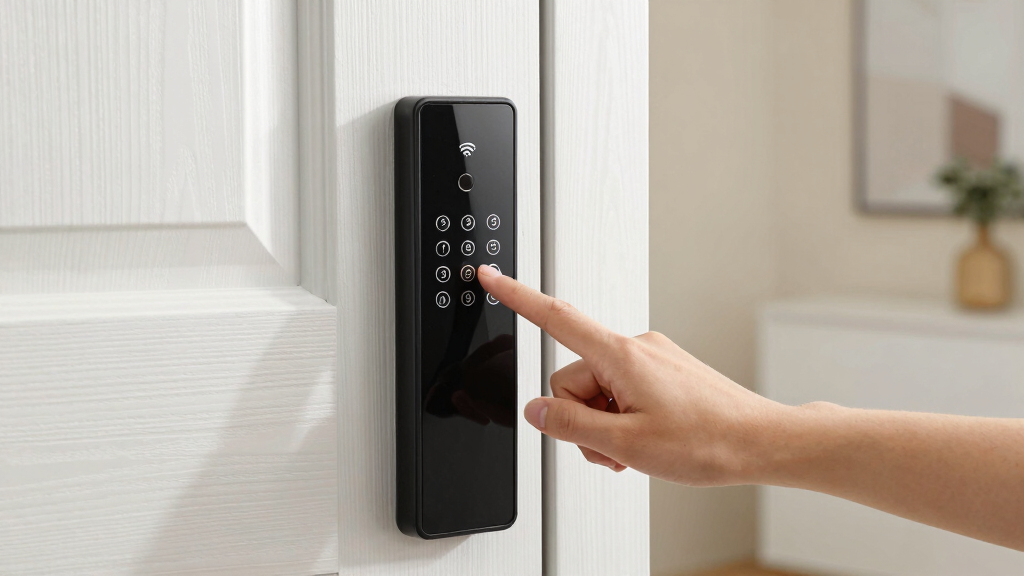
For anyone seeking a reliable smart lock with keypad and wifi, the options can be overwhelming. The best models offer seamless remote access, strong security features, and user-friendly keypads, but they often come with tradeoffs like price or installation complexity. The Veise VE012W stands out as the overall top pick thanks to its solid performance and affordability. Meanwhile, the Philips WiFi Keypad Deadbolt offers a premium experience with advanced app controls, and the Tapo DL100 provides a straightforward, budget-friendly solution. Continue reading for a detailed breakdown of these options and what to consider before making your choice.

Get the little things that make your day delivered free — and shop member deals
- Fast, free delivery on millions of items
- Access to Prime Big Deal Days deals on October 6–7
- Prime Video, Amazon Music and more included
Key Takeaways
- The top-ranked models balance ease of installation, security features, and remote control reliability.
- Price varies widely; premium options tend to offer more advanced features but at a higher cost.
- Battery life and app stability are common pain points that impact everyday usability.
- Some locks prioritize sleek design and integration, while others focus on straightforward keypad access.
- Understanding your specific needs—like smart home integration or budget constraints—drives the best choice.
| Veise VE012W WiFi Fingerprint Smart Lock for Front Door, Matte Black |  | Best Overall | Unlock Methods: App, fingerprint, PIN codes, physical keys, voice commands | WiFi: Built-in 2.4GHz WiFi, no hub required | Fingerprint Recognition: AI self-learning chip, 0.2 seconds, 99.99% accuracy | VIEW LATEST PRICE | See Our Full Breakdown |
| Tapo Smart Wi-Fi Deadbolt Door Lock, Keyless Tactile Buttons, DL100 |  | Best Value Pick | Power Source: 4xAA batteries with USB-C emergency port | Battery Life: Up to 200 days in Wi-Fi mode, 300 days in Bluetooth mode | Certification: BHMA Grade 3 | VIEW LATEST PRICE | See Our Full Breakdown |
| Philips WiFi Keypad Deadbolt with Handle, Built-in WiFi, App Remote Control |  | Best for Easy DIY Install | WiFi Compatibility: 2.4GHz WiFi, no hub needed | Auto-Lock: Yes, customizable from 0-180 seconds | Battery Life: Up to 6 months | VIEW LATEST PRICE | See Our Full Breakdown |
| Philips WiFi Keypad Door Lock with Handle, App Control Smart Deadbolt Lock | 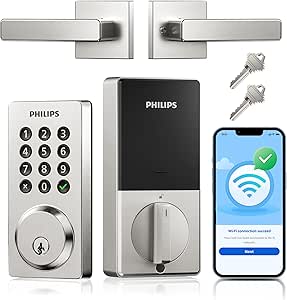 | Best for All-in-One Security | Connectivity: WiFi | Unlock Methods: Key, passcode, app, voice | Password Modes: Up to 100, permanent, one-time, timed | VIEW LATEST PRICE | See Our Full Breakdown |
| Teeho TE012W WiFi Fingerprint Smart Door Lock – Matte Black |  | Best Outdoor Security | Connectivity: WiFi 2.4GHz | Fingerprint Users: 20 | Passcodes: 100 | VIEW LATEST PRICE | See Our Full Breakdown |
| Philips Wi-Fi Front Lock Set with Keypad and Handles |  | Best for Versatile Control and Easy Integration | Compatibility: Most standard doors with thickness 35–50mm | Unlocking methods: App, Fingerprints, PIN Codes, Keys, Voice commands | Auto-lock timer: 30 to 180 seconds | VIEW LATEST PRICE | See Our Full Breakdown |
| smart lock with keypad and wifi | Battery Life | Auto-Lock | Connectivity |
|---|---|---|---|
| Veise VE012W WiFi Fingerprint | — | 10-180 seconds, app-controlled | — |
| Tapo Smart Wi-Fi Deadbolt Door | Up to 200 days in Wi-Fi mode, 300 days in Bluetooth mode | — | — |
| Philips WiFi Keypad Deadbolt w | Up to 6 months | Yes, customizable from 0-180 seconds | — |
| Philips WiFi Keypad Door Lock | Up to 6 months | — | WiFi |
| Teeho TE012W WiFi Fingerprint | — | Yes, 10-180 seconds | WiFi 2.4GHz |
| Philips Wi-Fi Front Lock Set w | Not specified | — | Wi-Fi |
More Details on Our Top Picks
Veise VE012W WiFi Fingerprint Smart Lock for Front Door, Matte Black
The Veise VE012W stands out for its comprehensive access options, including app control, fingerprint, PIN, physical keys, and voice commands, making it highly versatile. Its built-in WiFi allows remote monitoring without a hub, and the AI-powered fingerprint recognition offers quick, accurate unlocking—faster and more reliable than many competitors, like the Philips WiFi Keypad Deadbolt. While the setup process can be complex and batteries are not included, the lock’s robust security features and weather resistance make it ideal for tech-savvy homeowners seeking flexibility and peace of mind. Compared to the Philips model, Veise offers more access methods and AI-driven fingerprint speed, but at the expense of slightly more complicated installation and higher initial cost.
Pros:- Multiple access options including app, fingerprint, PIN, and voice commands
- Remote control and monitoring via built-in WiFi
- Fast, accurate AI fingerprint recognition
- Weather-resistant and durable construction
Cons:- Batteries are not included, requiring extra purchase
- Installation may be complex for some users
- App setup can be intimidating for beginners
Best for: Tech-savvy homeowners who want a highly flexible, all-in-one smart lock with remote control and biometric access
Not ideal for: Users seeking a straightforward, plug-and-play solution or those uncomfortable with complex setup processes
- Unlock Methods:App, fingerprint, PIN codes, physical keys, voice commands
- WiFi:Built-in 2.4GHz WiFi, no hub required
- Fingerprint Recognition:AI self-learning chip, 0.2 seconds, 99.99% accuracy
- Voice Control:Compatible with Amazon Alexa and Google Assistant
- Password Management:Permanent, recurring, time-limited, one-time codes
- Auto-Lock:10-180 seconds, app-controlled
- Battery:8 AA/LR6 alkaline batteries (not included)
- Security Certification:BHMA/ANSI Grade 3
- Material:Zinc alloy
Our verdict“This pick suits homeowners seeking a highly adaptable, secure, and remote-controlled smart lock, despite its slightly complex setup.”
Tapo Smart Wi-Fi Deadbolt Door Lock, Keyless Tactile Buttons, DL100
The Tapo DL100 offers broad compatibility with multiple unlocking methods, including keypad, Bluetooth, and app, at a competitive price point. Its weatherproof design and certification for durability make it suitable for outdoor use, similar to the Teeho TE012W, but with added convenience through real-time activity alerts and customizable codes. While the setup is straightforward for users familiar with smart devices, the need to replace batteries every few months can add ongoing maintenance. Compared to the Veise model, Tapo emphasizes durability and affordability over biometric speed, making it perfect for budget-conscious homeowners who want reliable remote access without extra bells and whistles.
Pros:- Multiple unlocking methods including keypad, Bluetooth, Wi-Fi, and voice commands
- Customizable access codes and activity tracking via app
- Weatherproof and certified for durability
- Affordable with good feature set
Cons:- Requires battery replacements every few months
- Setup may be complex for some users
- Limited to standard lock hole sizes
Best for: Homeowners seeking a durable, multi-method keyless lock with good value and outdoor readiness
Not ideal for: Users preferring biometric or voice-controlled unlocking, or those who dislike frequent battery replacements
- Power Source:4xAA batteries with USB-C emergency port
- Battery Life:Up to 200 days in Wi-Fi mode, 300 days in Bluetooth mode
- Certification:BHMA Grade 3
- Weatherproof Rating:IP54
- Compatible Devices:Alexa, Google Home, Samsung SmartThings
- Door Compatibility:2-1/8” and 1-1/2” lock holes
Our verdict“Ideal for budget-conscious users wanting a weatherproof lock with versatile access options and remote control capabilities.”
Philips WiFi Keypad Deadbolt with Handle, Built-in WiFi, App Remote Control
The Philips WiFi Keypad Deadbolt offers a straightforward upgrade for homeowners wanting remote access with minimal hassle. Its DIY-friendly installation and long battery life—up to 6 months—make it a practical choice, especially compared to models like the Veise with more complex setup. It supports multiple access methods, including PIN, fingerprint, and voice commands, and can be easily controlled via smartphone app. However, the need for batteries (not included) and a WiFi connection within 33 feet for optimal operation could be limitations for some users. Compared to the Veise, this lock emphasizes ease of installation and long battery life but sacrifices biometric speed for simplicity, making it suitable for those less comfortable with tech setup.
Pros:- Easy DIY installation with clear instructions
- Remote control and real-time access via app
- Supports multiple access methods including PIN, fingerprint, and voice
- Long battery life with low-battery alerts
Cons:- Batteries are not included
- WiFi range limited to about 33 feet for optimal performance
- Auto-lock feature requires manual activation
Best for: Homeowners seeking a simple, reliable, and easy-to-install smart lock with remote control
Not ideal for: Tech enthusiasts wanting advanced biometric features or complex automation
- WiFi Compatibility:2.4GHz WiFi, no hub needed
- Auto-Lock:Yes, customizable from 0-180 seconds
- Battery Life:Up to 6 months
- Batteries Included:No
- Fingerprint Speed:0.3 seconds
- Door Thickness Compatibility:1-3/8″ to 1-3/4″ (38mm to 50mm)
Our verdict“This lock makes the most sense for users wanting a straightforward, easy-to-install smart lock with reliable remote access.”
Philips WiFi Keypad Door Lock with Handle, App Control Smart Deadbolt Lock
The Philips WiFi Keypad Deadbolt offers a comprehensive smart lock experience, combining remote control, multiple unlocking options, and robust weather resistance. Its compatibility with Alexa and Google Assistant, along with the ability to set up to 100 custom passwords, makes it suitable for families or shared living spaces. Compared with the Veise model, this lock provides a more traditional deadbolt feel and easier DIY installation, but it doesn’t feature biometric access. While batteries last up to 6 months and the device is weatherproof, the need for WiFi for full functionality and some DIY skills for installation are worth noting. This model is ideal for users prioritizing security and convenience in a weather-resistant package.
Pros:- Remote control and monitoring via WiFi and app
- Multiple unlocking options including key, passcode, and voice
- Up to 100 customizable passwords
- Weatherproof and durable construction
Cons:- Batteries are not included
- Full functionality requires WiFi connection
- Installation may require some DIY effort
Best for: Families or rental hosts needing a versatile, weatherproof smart lock with multiple access modes
Not ideal for: Individuals looking for biometric or fingerprint-based entry, or those preferring minimal setup
- Connectivity:WiFi
- Unlock Methods:Key, passcode, app, voice
- Password Modes:Up to 100, permanent, one-time, timed
- Auto Lock:Yes, 10-180 seconds
- Battery Life:Up to 6 months
- Temperature Range:-31°F to 150°F
- Waterproof Level:IP54
- Pressure Resistance:2200N
Our verdict“This lock fits users wanting a feature-rich, weather-resistant smart lock with multiple access options for family or rental use.”
Teeho TE012W WiFi Fingerprint Smart Door Lock – Matte Black
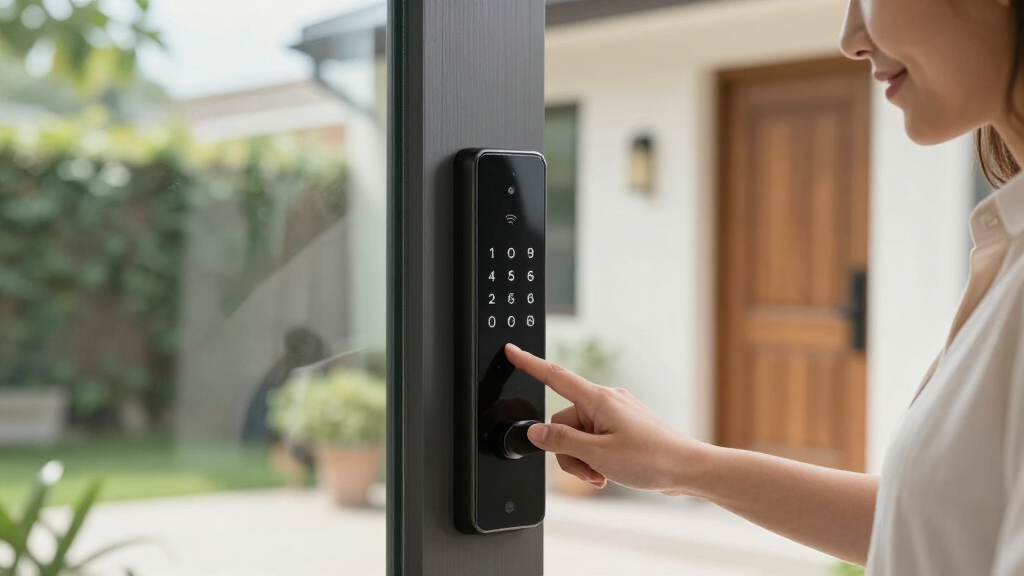
The Teeho TE012W excels as an outdoor smart lock, with weather resistance rated IP55 and multiple unlocking options, including fingerprint, passcode, app, and backup keys. Its anti-peep password feature and break-in alerts add an extra layer of security, making it suitable for homes and offices exposed to the elements. Compared with the Veise, Teeho’s weatherproof design prioritizes outdoor durability, though its fingerprint recognition, while fast, isn’t quite as advanced as Veise’s AI system. Installation is quick, taking about 10-15 minutes, but WiFi connection is essential for remote control. If you need a weather-resistant lock that combines convenience with outdoor security, this model makes a compelling choice.
Pros:- Multiple unlocking methods including fingerprint, passcode, app, and keys
- Weather-resistant with IP55 rating
- Anti-peep password and break-in alerts
- Easy installation within 10-15 minutes
Cons:- WiFi connection required for remote control
- No included screwdriver for installation
- Batteries are not included, adding extra cost
Best for: Outdoor spaces or homes in need of a weather-resistant, secure smart lock with biometric capabilities
Not ideal for: Indoor-only applications or users seeking biometric speed and AI features similar to Veise
- Connectivity:WiFi 2.4GHz
- Fingerprint Users:20
- Passcodes:100
- Batteries:8 AA batteries
- Weather Resistance:IP55
- Security Certification:BHMA Grade 3
- Auto-Lock:Yes, 10-180 seconds
- Installation:Fits doors 1-3/8″–2″ thick
Our verdict“Perfect for outdoor use, this lock offers strong security features and weather resistance, with some setup and connectivity requirements.”
Philips Wi-Fi Front Lock Set with Keypad and Handles
The Philips Wi-Fi Front Lock stands out for its broad range of unlocking options, including app control, fingerprints, PIN codes, keys, and voice commands, making it highly adaptable for different users. Compared with the Veise VE012W, which focuses solely on fingerprint access, this lock offers more flexible entry methods suitable for households with varying preferences. Its auto-lock feature adds an extra layer of security, especially beneficial for busy households or those prone to forgetting to lock up. However, door compatibility can be a concern—it’s compatible with most standard doors but requires confirmation beforehand, and installation might be tricky on non-standard doors. The lack of detailed backup battery info could pose risks if power runs out unexpectedly. Nonetheless, this model makes the most sense for users who want a comprehensive, remotely controllable lock that integrates seamlessly with voice assistants and offers multiple ways to unlock.
Pros:- Multiple unlocking options including app, fingerprint, PIN, keys, and voice commands
- Remote control and monitoring via smartphone app
- Auto-lock feature enhances daily security
Cons:- Requires confirmation of door compatibility before purchase
- Installation may be complex on non-standard doors
- Limited information on backup power and battery life
Best for: Homeowners seeking a versatile, multi-method smart lock with remote control and voice command support
Not ideal for: Renters with non-standard doors or those who prefer simple, straightforward locking mechanisms without extensive setup
- Compatibility:Most standard doors with thickness 35–50mm
- Unlocking methods:App, Fingerprints, PIN Codes, Keys, Voice commands
- Auto-lock timer:30 to 180 seconds
- Connectivity:Wi-Fi
- Installation:Simple screwdriver installation
- Battery life:Not specified
Our verdict“This lock is ideal for users who need flexible, remote-controlled access with multiple entry options, despite some installation and compatibility considerations.”
How We Picked
I evaluated these smart locks based on key factors that matter most to buyers: performance reliability, ease of installation, build quality, security features, and app stability. I also considered value for money and versatility in different home setups. To ensure the selections are relevant, I prioritized products with positive user reviews, strong wifi connectivity, and durable hardware. The ranking reflects a combination of overall performance, feature set, and affordability, making sure each pick serves a distinct user need or budget level.| smart lock with keypad and wifi | Battery Life | Connectivity |
|---|---|---|
| Veise VE012W WiFi Fingerprint | — | — |
| Tapo Smart Wi-Fi Deadbolt Door | Up to 200 days in Wi-Fi mode, 300 days in Bluetooth mode | — |
| Philips WiFi Keypad Deadbolt w | Up to 6 months | — |
| Philips WiFi Keypad Door Lock | Up to 6 months | WiFi |
| Teeho TE012W WiFi Fingerprint | — | WiFi 2.4GHz |
| Philips Wi-Fi Front Lock Set w | Not specified | Wi-Fi |
Factors to Consider When Choosing Best Smart Lock With Keypad And Wifi
Choosing the best smart lock with keypad and wifi involves weighing several important factors. Beyond basic features, consider how the lock integrates with your existing smart home setup, the security protocols it offers, and how easy it is to install and operate. Understanding these elements can help you avoid common pitfalls, like investing in overly complex systems that require professional installation or choosing models with unreliable wifi connectivity. Here are key considerations to keep in mind:Connectivity and App Reliability
Reliable wifi connectivity is essential for remote access and control. Look for locks with proven app stability and encryption protocols to protect your access credentials. Beware of models with frequent connectivity issues, as they can compromise security and convenience. Some locks include fallback options like keypad codes in case of wifi failure, which is a smart feature to consider.
Installation and Compatibility
Many smart locks are designed for DIY installation, but complexity varies. Measure your door’s thickness and compatibility beforehand to prevent surprises. Choosing a model with straightforward installation procedures can save time and money. Also, check if the lock integrates with your existing smart home ecosystem, such as Alexa, Google Assistant, or Apple HomeKit, to maximize compatibility.
Security Features
Security is paramount. Opt for locks with advanced encryption, tamper alarms, and auto-lock features. Consider whether the lock supports multiple access methods—such as fingerprint, keypad, and app control—to enhance flexibility. Remember, a lock with a sturdy physical build and high-quality materials provides better resistance against forced entry.
User Management and Access Controls
Evaluate how easily you can add or revoke users. Locks with digital key sharing or temporary access codes are ideal for households or rentals. Make sure the app allows for simple management without complicated procedures. This feature becomes especially valuable if you frequently grant access to guests or service providers.
Battery Life and Maintenance
Battery longevity can vary, and frequent replacements can become inconvenient. Look for models with low battery alerts and options for emergency power sources. Keep in mind that some locks require more maintenance than others, especially those with fingerprint sensors or mechanical components. Choosing a model with clear battery status indicators helps maintain consistent security.
Frequently Asked Questions
Can I install a smart lock with keypad and wifi myself?
Many smart locks with keypad and wifi are designed for DIY installation, and most come with detailed instructions or video guides. However, some models may require basic tools and moderate technical skills, especially if your door setup is non-standard. If you’re comfortable with minor home projects, you can typically install these locks yourself, but consulting a professional is advised if you encounter compatibility issues or complex wiring.
Will a smart lock with wifi work if my internet goes out?
Generally, smart locks with wifi depend on an active internet connection for remote control. If your wifi is offline, you can usually still unlock the door via keypad or, in some cases, Bluetooth. Some models include a physical key backup or local control options, which are essential for maintaining access during internet outages. Always check if the lock supports local operation without wifi for added peace of mind.
Are smart locks with keypad and wifi secure against hacking?
Security depends on the lock’s encryption standards and software updates. Reputable brands implement strong encryption and regularly release firmware updates to patch vulnerabilities. Avoid models that lack regular updates or use weak encryption protocols. Additionally, enabling two-factor authentication for app access and changing default passwords enhances security against hacking attempts.
What should I consider if I want to integrate the lock into my smart home system?
Check if the lock is compatible with your existing smart home ecosystem—such as Alexa, Google Assistant, or Apple HomeKit—before purchasing. Compatibility ensures seamless voice commands and automation routines. Also, verify whether the lock’s app supports integration with other devices, like security cameras or sensors. Compatibility can significantly simplify management and enhance overall home security.
How long do the batteries last in smart locks with keypad and wifi?
Battery life varies among models, with some lasting several months to over a year on a single set of batteries. Many locks include low-battery alerts to prevent lockouts. Consider locks with power-saving features or rechargeable batteries if you prefer less frequent replacements. Regularly checking battery status through the app helps maintain consistent security and avoids unexpected failures.
Conclusion
The best choice depends on your specific needs: the Veise VE012W offers a balanced mix of performance and affordability, making it ideal for most users. If you prioritize premium features and seamless app control, the Philips WiFi Keypad Deadbolt is worth the investment. For those on a budget or seeking straightforward installation, the Tapo DL100 provides reliable basic functionality. Beginners should focus on models with easy setup, while security-conscious buyers might prefer options with advanced encryption. Consider your home’s existing smart setup, security priorities, and budget to find the perfect fit.
NFL season / tailgating Picks
team gear
As an affiliate, we earn on qualifying purchases.