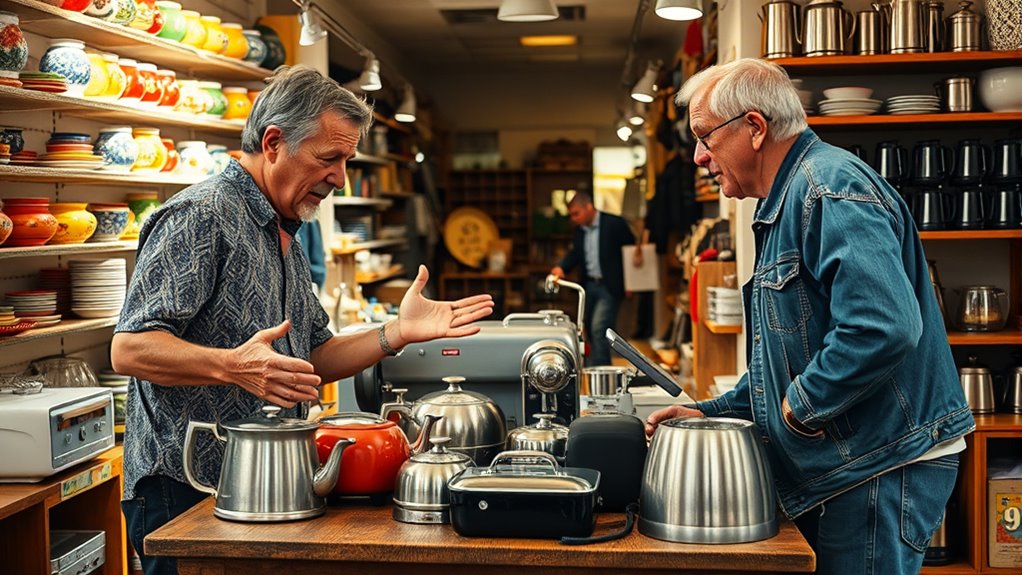

To negotiate furniture and appliance prices effectively, start by researching market rates and comparing prices at different stores. Approach negotiations confidently and politely, offering lower bids to leave room for counteroffers. Build rapport with salespeople, mention better deals elsewhere, and bundle items for discounts. Timing your purchase at month-end or during sales can also boost your bargaining power. Keep practicing these tactics, and you’ll find yourself securing better deals each time.
Get ready for Prime Big Deal Days — try Prime free
Exclusive member deals on October 6–7, plus fast free delivery. Cancel anytime.
As an affiliate, we earn on qualifying purchases.
Key Takeaways
- Research market prices and compare options to strengthen your leverage during negotiations.
- Start with a lower offer and use polite assertiveness to encourage better deals.
- Build rapport with sellers and mention competitor prices to motivate price matching or discounts.
- Bundle multiple items or negotiate extras like delivery or warranties for increased savings.
- Be confident, patient, and ready to walk away if the deal doesn’t meet your expectations.
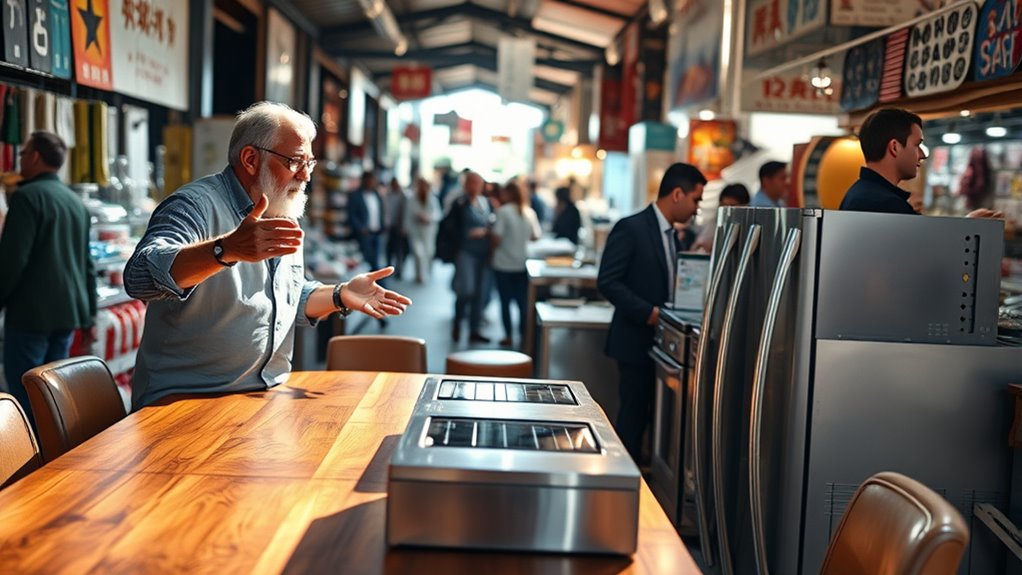
Negotiating prices is a vital skill that can save you money and give you a better deal in any transaction. When you’re shopping for furniture or appliances, mastering the art of effective bargaining can make a significant difference in how much you pay. One of the first steps is to do a thorough price comparison. Before heading to a store or negotiating with a seller, take the time to research prices online and at different outlets. Knowing the going rates gives you leverage and confidence when discussing prices. It also helps you identify genuine deals versus inflated prices, so you don’t overpay.
Understanding bargaining psychology is equally important. Sellers often expect some level of haggling, especially on big-ticket items like furniture or appliances. Approach negotiations with a calm, confident attitude, and don’t reveal your maximum budget upfront. Instead, start with a lower offer, leaving room for the seller to counter and for you to negotiate upward. This signals that you’re serious but also aware of the item’s value. Be polite but assertive, and use silence as a tool—sometimes, a pause can prompt the seller to offer a better deal.
Keep in mind that prices aren’t fixed, and many sellers have wiggle room, especially if they want to close the sale quickly. Building rapport with the salesperson can also work in your favor; people are more likely to give discounts to someone they feel comfortable with. Mentioning that you’ve seen similar items at lower prices elsewhere can motivate a seller to match or beat those offers. However, do this tactfully, focusing on your desire to buy rather than just pushing for a discount.
Timing matters, too. Shopping at the end of the month or during sales events can increase your chances of negotiating a better price since stores are keen to meet sales targets. If you’re purchasing multiple items, bundle them together to negotiate a package deal; this often results in bigger savings. Remember, persistence pays off—if the seller isn’t willing to lower the price initially, politely ask if they can throw in extras like delivery or warranty extensions instead.
Additionally, being aware of popular juice brands can help if you’re considering buying beverages to complement your home setup, as knowing the market can give you leverage in negotiations on related items. In the end, successful price negotiation hinges on preparation, understanding the seller’s perspective, and confidently applying bargaining psychology. Keep your research sharp, stay respectful, and don’t be afraid to walk away if the deal isn’t right. With practice, you’ll become more comfortable haggling and securing the best possible prices on furniture and appliances.
As an affiliate, we earn on qualifying purchases.
Frequently Asked Questions
How Can I Identify a Seller Open to Bargaining?
You can spot a seller open to bargaining by observing their body language and responses, which often reflect their pricing psychology. Look for signs like hesitation or flexibility in price, and ask open-ended questions to gauge their willingness to negotiate. Remember to respect bargaining ethics—if they seem firm, it’s best to accept the price or find other options. An approachable seller usually signals openness through friendly, engaged communication.
Are There Specific Times Best for Negotiating Discounts?
You’re more likely to get a discount during seasonal sales or holiday discounts when sellers aim to clear inventory. Timing your negotiation around these periods gives you leverage, as they’re more open to bargaining. Shop right before major sales end or during off-peak seasons, and don’t hesitate to ask for a better deal. This approach increases your chances of securing a lower price on furniture and appliances.
What Non-Price Factors Can I Leverage During Negotiations?
Ever wondered how to turn a negotiation in your favor? You can leverage non-price factors like your willingness to buy multiple items or flexible delivery dates. Highlighting your knowledge of supply chain issues or product quality can make the seller see your value beyond just price. By emphasizing your readiness to purchase immediately or accept minor imperfections, you create leverage that encourages better offers without directly lowering the price.
How Do I Handle Rejection or Stubborn Sellers?
When a seller rejects your offer or seems stubborn, stay calm and use counteroffer strategies to keep negotiations open. Show genuine interest and use emotional appeal techniques, like emphasizing how much you love the item and your willingness to buy now. This can encourage them to reconsider or make a better offer. Remember, patience and a positive attitude often lead to better deals, even with resistant sellers.
Is It Better to Negotiate in Person or Online?
You should negotiate in person when possible, as it allows for better price comparison and more effective negotiation preparation. Face-to-face interactions give you the chance to read seller cues and respond instantly, often leading to better deals. Online negotiations are convenient, but they lack the personal touch, making it harder to gauge seller flexibility. So, if you can, negotiate in person for stronger leverage and clearer communication.
Conclusion
Now that you’ve learned these haggling tactics, you’re armed with the keys to open better deals. Think of negotiations as a dance—you lead with confidence, listen carefully, and find harmony in compromise. With each successful bargain, you’re painting your own masterpiece of savings, turning what once seemed out of reach into a beautiful victory. Go ahead, step into the showroom with courage—your perfect deal is waiting just around the corner.
NFL season / tailgating Picks
team gear
As an affiliate, we earn on qualifying purchases.