
When shopping for big items, “free delivery” often hides extra costs like assembly fees, delivery insurance, or special handling charges. Delivery zones and accessibility issues can also boost expenses unexpectedly. To avoid surprises, carefully review terms and fine print, ask questions about hidden fees, and consider bundling or local options. Being aware of these hidden costs helps you save money—keep going to discover how to spot and prevent these charges before they add up.

Get the little things that make your day delivered free with Prime
- Fast, free delivery on millions of items
- Prime Video, Amazon Music and more included
- Member-only deals all year
Key Takeaways
- Hidden fees like delivery insurance, special handling, or assembly can significantly increase costs despite “free” delivery offers.
- Delivery zone restrictions and accessibility challenges may incur additional charges or delivery refusal.
- Extra charges for stairs, remote locations, oversized items, or specific delivery times often aren’t included in the initial “free” offer.
- Carefully review terms and fine print to identify potential fees that could be added after the delivery is scheduled or completed.
- To avoid hidden costs, compare providers, bundle items, and communicate clearly about delivery requirements and restrictions beforehand.
large item delivery assembly service
As an affiliate, we earn on qualifying purchases.
As an affiliate, we earn on qualifying purchases.
How “Free Delivery” Can Hide Unexpected Costs

While free delivery might seem like a great deal, it can actually hide unexpected costs that catch you off guard. Retailers often use pricing strategies that mask the true cost of a purchase, influencing customer perceptions of value. When delivery is advertised as free, you might assume there are no additional fees, but many companies compensate through higher product prices or hidden charges. This tactic can make you feel confident about your purchase, but it may lead to surprises at checkout or after delivery. Understanding how these strategies work helps you stay alert to potential extra costs. By recognizing that “free” delivery isn’t always truly free, you can make more informed decisions and avoid feeling misled or overpaying in the end. Additionally, being aware of pricing strategies used by retailers can help you identify hidden fees before completing your transaction. For example, some companies may incorporate shipping costs into the overall product price, making the “free” delivery seem more appealing but ultimately increasing the total amount paid.
What Delivery Fees and Extra Charges Should You Watch For

Even if a retailer advertises free delivery, you should still check for additional fees that could increase your total cost. Delivery insurance might be extra, especially for large or fragile items; it’s worth verifying if it’s included or if you need to add it. Packaging charges can also surprise you—some companies charge for special packaging or handling large items. These fees can add up quickly, making what seemed like a free delivery much more expensive. Always review the fine print before completing your purchase. Look for any mention of hidden charges, and don’t hesitate to ask customer service if anything isn’t clear. Being aware of these potential costs helps you avoid unexpected expenses and keeps your overall purchase within your budget. Additionally, understanding template compatibility/testing can ensure that your home office setup remains efficient and cost-effective, avoiding unnecessary expenses down the line.
How Delivery Zones and Accessibility Fees Can Increase Your Cost
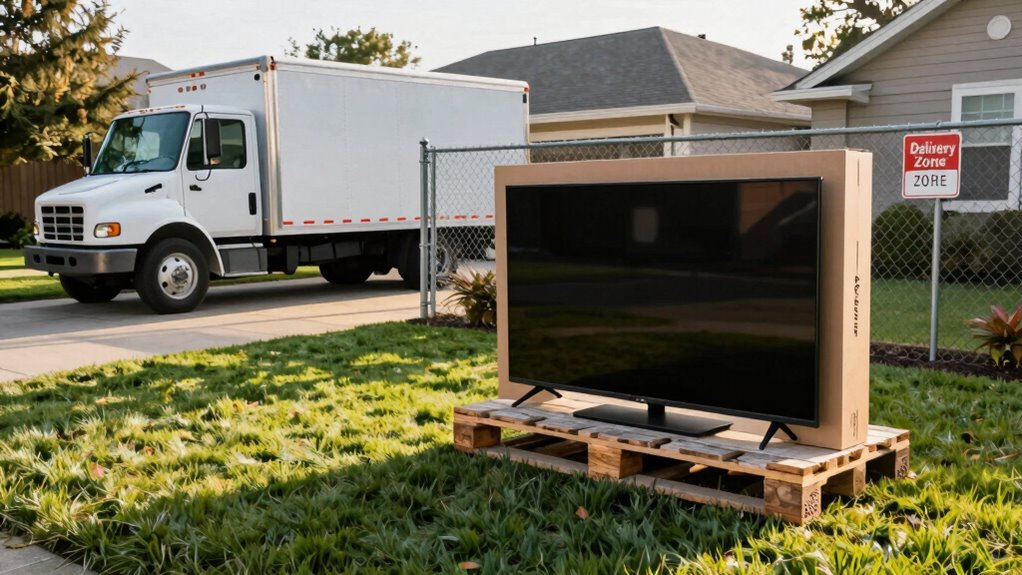
Your delivery cost can jump if you live outside certain zones or in hard-to-reach areas. Many companies add hidden accessibility fees or restrict delivery to specific locations, which can surprise you at checkout. These additional charges can considerably increase the final price of your big item. To avoid unexpected costs, consider smart home safety features like garage security and indoor air monitoring that can make your home more accessible and secure without extra fees. Understanding delivery zone restrictions can help you plan better and prevent unforeseen expenses. Additionally, being aware of industry trends can provide insights into how companies structure their fees and policies, especially regarding vetted wave and wind considerations that impact delivery logistics. Recognizing the importance of solar panels and their applications can also assist in evaluating the feasibility of large deliveries, since specialized handling may be required.
Restricted Delivery Zones
Restricted delivery zones can catch you off guard, as many companies limit free delivery to specific areas. If your address falls outside these designated delivery zones, you may face additional charges or outright denied service. These restrictions can markedly increase your costs, especially for large or bulky items that are difficult to ship. Some companies charge accessibility fees if your location isn’t easily accessible or requires special arrangements. Before purchasing, always check the delivery zone map and confirm that your address qualifies for free or standard delivery. Ignoring these restrictions can lead to unexpected expenses or delays. Being aware of delivery zone limitations helps you avoid surprises and budget more accurately for your big purchase. Additionally, understanding delivery accessibility requirements can help you plan better and prevent unforeseen fees. Knowing about delivery zone restrictions also allows you to coordinate alternative arrangements if needed, ensuring your purchase arrives smoothly. It’s also helpful to verify if there are any special handling requirements for oversized or heavy items to prevent additional costs. Recognizing these delivery restrictions can help you choose the best shipping options and avoid hidden fees.
Hidden Accessibility Fees
While delivery zones limit where companies will ship for free, accessibility fees can quietly boost your costs if your location isn’t easy to reach. If your property requires accessibility improvements, such as special equipment or extra effort from delivery personnel, companies often charge extra fees. These accessibility fees are usually not obvious upfront and can vary based on your specific circumstances. Delivery service options might be limited if your area isn’t considered easily accessible, forcing you to pay additional charges or choose less convenient options. It’s important to clarify these potential costs beforehand and consider whether the delivery service can accommodate your location without extra fees. Being aware of accessibility fees helps you avoid unexpected expenses that can inflate the final price of your big item. Additionally, understanding home accessibility considerations can help you better prepare for potential delivery challenges and costs. Recognizing how delivery logistics can impact your delivery options is crucial to avoid surprise charges, especially if your property’s accessibility features are limited or require special arrangements. Planning ahead for delivery challenges can save you money and stress during the purchase process. Moreover, knowing about delivery zone restrictions can help you determine if your location falls within the free shipping area or if extra steps are necessary.
Increased Final Price
Accessibility fees and limited delivery zones can considerably raise the final cost of your big item. These extra charges often aren’t clear upfront, impacting your overall expenses. Shipping costs can skyrocket if your address falls outside standard zones or requires special handling. This lack of price transparency means you might pay more than expected at checkout. To avoid surprises, always check for any additional fees before purchasing. Understanding delivery zone restrictions helps you plan better and compare options. Being aware of potential costs ensures you don’t get caught off guard by hidden charges. The key is to clarify all possible fees beforehand, so you get a true picture of the total price. Additionally, some delivery fees are influenced by factors like electric dirt bike horsepower, which can affect shipping and handling costs depending on the size and weight of the item. Knowing about delivery zone restrictions and their impact on costs can help you make smarter choices and avoid inflated final prices. Recognizing the regulatory environment surrounding delivery services can also help you anticipate potential delays or additional fees. Being familiar with environmental impact considerations can guide you toward more sustainable delivery options, potentially reducing costs and ecological footprint.
Comparing Free Delivery Offers: What Really Matters
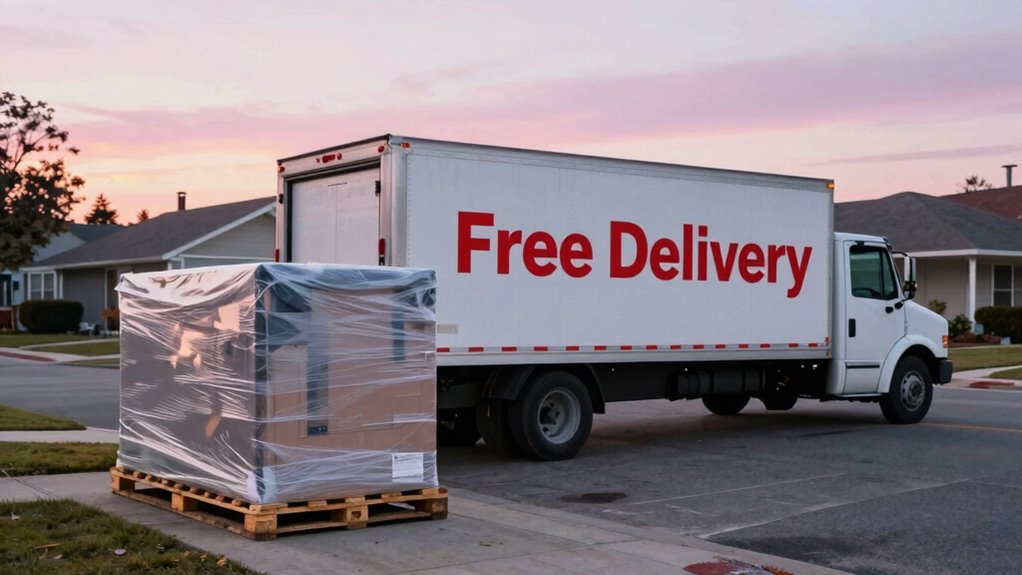
When comparing free delivery offers for big items, it’s vital to look beyond the headline and examine what’s truly included. Not all delivery services are equal; some may charge extra for setup, stairs, or special handling. Conduct a thorough cost comparison to understand the full extent of what’s covered. Don’t assume “free” means zero cost—you might pay hidden fees later. Check if the offer covers the entire delivery process or if there are additional charges for assembly or removal of packaging. By understanding the specifics of the delivery service, you’ll avoid surprises that can inflate your costs. Additionally, being aware of hidden fees and charges can help you make more informed decisions. Understanding the delivery service terms can also help you identify potential restrictions or conditions that could lead to extra charges. Being mindful of filtration and maintenance requirements for delivery providers can help ensure smooth and cost-effective delivery experiences.
How to Read the Fine Print and Spot Hidden Delivery Costs
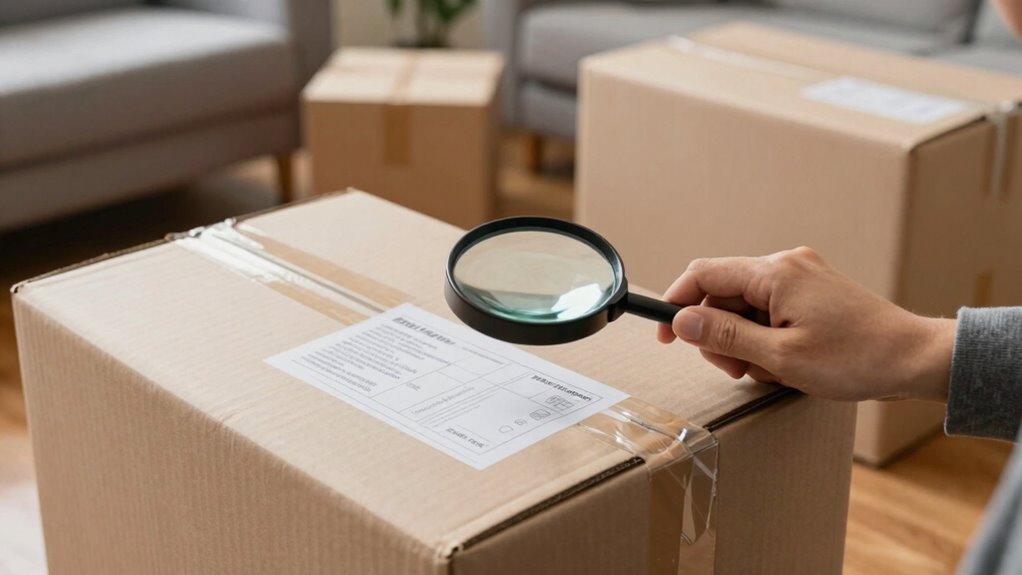
When reviewing delivery offers, you need to scrutinize the fine print to avoid surprises. Pay close attention to the delivery terms and be on the lookout for any additional fees that might pop up later. Knowing what to watch for helps you spot hidden costs before they catch you off guard. Additionally, understanding the delivery history of a retailer can provide insight into their reliability and any potential hidden charges associated with their services. For automotive enthusiasts, considering factors like performance upgrades and how they may influence shipping costs can also be beneficial. Being aware of time symbolism related to delivery schedules can help you better interpret estimated delivery times and plan accordingly.
Scrutinize Delivery Terms
Understanding the fine print of delivery policies is essential to avoid unexpected costs. Carefully review the terms to spot hidden charges, like additional fees for delivery insurance or specific appointment scheduling requirements. Some sellers might require you to select a delivery window, which could include extra fees. Look for clauses about delivery limits, such as if they only deliver to the curb or require you to handle setup. Check if the retailer charges extra for specialized services like inside delivery or handling large items. Also, verify if there are any restrictions on delivery dates or times that could incur additional costs.
- Delivery insurance coverage and costs
- Appointment scheduling and flexibility
- Delivery zone restrictions
- Extra fees for inside or upstairs delivery
- Special handling or setup charges
Watch for Additional Fees
To avoid surprises, it’s essential to carefully read the fine print of delivery policies. Look for any additional fees beyond the advertised “free” delivery, such as charges for delivery scheduling or special packaging considerations. Some companies may charge extra if you need a specific delivery window or require the item to be delivered inside your home. Packaging considerations can also lead to hidden costs, especially if the item needs special handling or assembly. Be wary of fees for stair carryouts, remote locations, or oversized items that don’t fit standard delivery parameters. Always review the terms thoroughly to spot these potential charges before committing, ensuring you don’t get caught off guard by unexpected costs after the purchase.
Tips to Negotiate or Avoid Surprise Delivery Fees
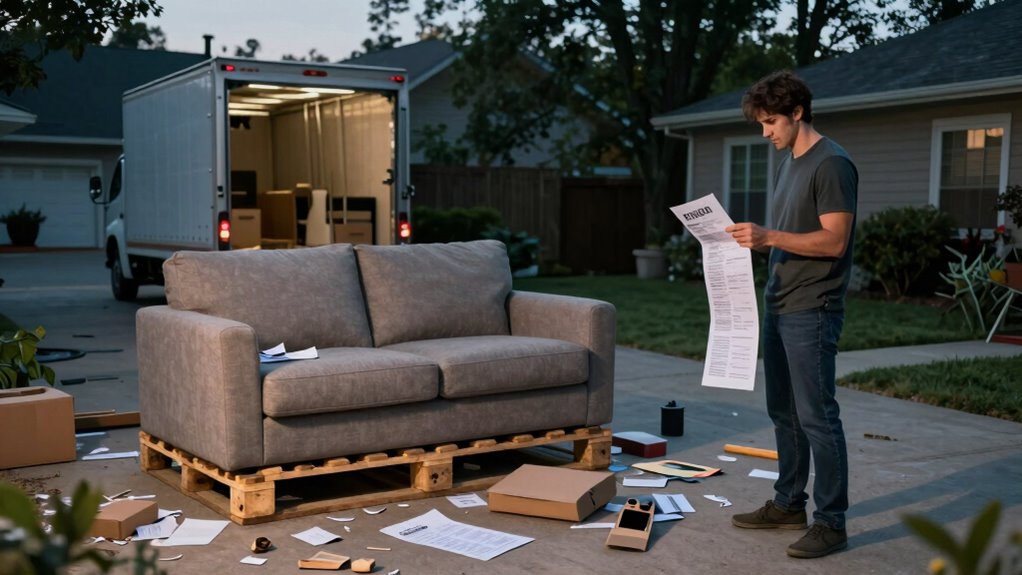
Negotiating or avoiding surprise delivery fees requires you to be proactive and informed before finalizing your purchase. First, ask the retailer if delivery fees include delivery insurance and if there are any hidden packaging costs. Clarify whether fees are fixed or variable based on the item’s size or weight. You can also negotiate for free or reduced delivery by bundling multiple items or offering to pick up the item yourself. Always review the shipping policy carefully to identify potential extra charges. Additionally, inquire about optional services like premium packaging or special handling, which might incur extra costs. Being prepared with these questions helps you avoid unexpected expenses and ensures transparency in the delivery process.
- Ask about delivery insurance and packaging costs upfront
- Negotiate for free or discounted delivery when possible
- Bundle multiple purchases to lower fees
- Clarify if fees are fixed or variable
- Review shipping policies for hidden charges
Practical Steps to Save Money on Delivery When Buying Big Items

Saving money on delivery when buying big items requires a strategic approach. Start by carefully planning your delivery scheduling to avoid rush fees or inconvenient delivery windows. Choose delivery times that fit your schedule to prevent additional charges. Next, consider packaging considerations; opt for sellers who use efficient packaging to reduce weight and size, which can lower shipping costs. When possible, combine purchases or select local delivery options to minimize expenses. Communicate with the seller about available delivery dates and ask if they offer any discounts for flexible scheduling. Also, verify if the item can be shipped via standard methods rather than expedited services. By managing delivery timing and understanding packaging impacts, you can considerably cut costs and avoid hidden delivery fees.
Why Understanding Delivery Terms Can Save You Money
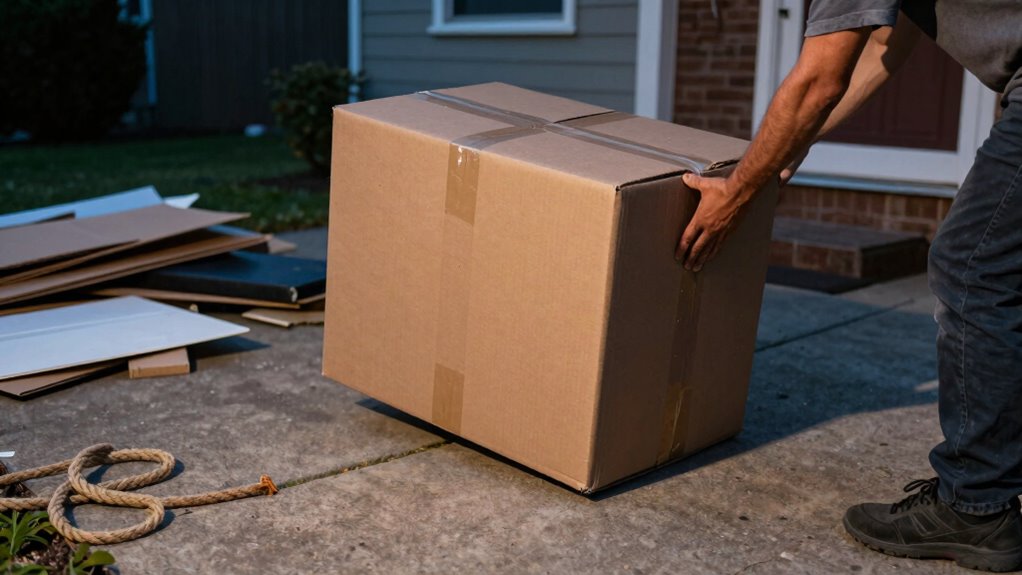
Understanding the specific delivery terms attached to your purchase can prevent unexpected costs from sneaking in. For example, some sellers include delivery insurance, which adds to the overall cost if you’re not aware. Packaging charges can also surprise you if the seller claims extra fees for protecting large items. By reviewing the delivery terms, you can identify hidden fees and choose options that suit your budget.
- Clarify if delivery insurance is included or optional
- Check if packaging charges apply to large items
- Confirm who is responsible for assembly or placement
- Understand the delivery timeframe and potential extra fees
- Know if there are restrictions on delivery locations or times
Being aware of these details helps you avoid costly surprises and make smarter purchasing decisions.
Frequently Asked Questions
Are There Hidden Charges Even With “Free” Delivery Offers?
Yes, even with “free” delivery offers, you might face hidden charges like delivery surcharges and service fees. These costs can sneak in during the checkout process or later on your bill. Always read the fine print and ask about any extra fees upfront. This way, you avoid unexpected expenses and make sure the “free” delivery really doesn’t cost you more than you bargained for.
How Can I Verify if Delivery Zones Affect My Cost?
You can verify if delivery zones affect your cost by using delivery zone mapping tools provided by the retailer or shipping service. These fee verification tools help you see which zones apply to your area and whether additional charges might occur. Check the retailer’s website for zone maps or input your address during checkout to see if delivery costs vary based on your location. This way, you avoid unexpected fees.
What Should I Look for in the Fine Print to Avoid Extra Fees?
Did you know that over 30% of delivery offers hide extra fees? To avoid hidden costs, always read the fine print carefully. Look for details about delivery surcharges, zone restrictions, or minimum purchase amounts. Pay attention to wording around “free delivery,” which often excludes certain areas or larger items. Being vigilant helps you spot potential extra fees upfront and prevents unexpected charges during checkout.
Can I Negotiate Delivery Costs With Retailers?
Yes, you can negotiate delivery costs with retailers. Start by asking about their delivery fee policies directly, and see if they’re open to discounts or promotions. Many retailers are willing to negotiate delivery fee, especially if you’re making a large purchase or buying multiple items. Being friendly and polite can help. Remember, understanding their retailer policies gives you leverage to potentially lower your delivery fee and save money.
Do Delivery Fees Vary by Item Size and Weight?
Yes, delivery fees vary based on item size and weight. If your item’s dimensions or weight exceed standard limits, expect higher costs, especially if it’s outside your delivery zone. Retailers often charge extra for large or heavy items to cover transportation challenges. To avoid surprise fees, check the retailer’s delivery zone restrictions and item dimensions before purchasing, and consider negotiating or choosing a different shipping option if needed.
Conclusion
By shining a light on the hidden costs behind “free” delivery, you can navigate the maze of fees like a savvy traveler. When you read the fine print and ask the right questions, you’ll avoid unexpected charges that can turn your big purchase into a financial storm. Think of it as charting a clear path through fog—armed with knowledge, you’ll land safely on the other side, saving money and peace of mind with every delivery.
Fall Picks
fall essentials
As an affiliate, we earn on qualifying purchases.