
TL;DR
Seoul’s urban running scene is experiencing significant growth, driven by increased health awareness and city infrastructure improvements. This trend is reshaping how residents engage with public spaces and fitness.
Seoul’s urban running scene is experiencing a rapid expansion, with more residents taking to the streets and parks for exercise than ever before. This growth, confirmed through increased participation and coverage, highlights a shift in city lifestyle and health priorities among Seoul’s population.
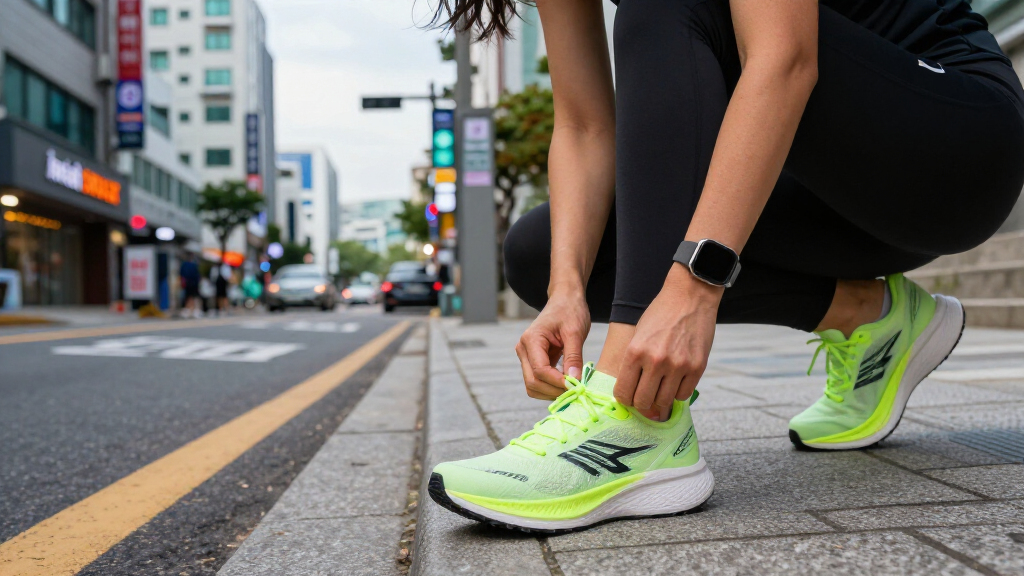
Over the past few years, Seoul has seen a surge in urban running activities, with local parks, riverbanks, and designated trails becoming increasingly popular among diverse age groups. According to recent observations, search interest and media coverage around urban running in Seoul have spiked, indicating a rising trend.
Experts attribute this growth to multiple factors, including improved city infrastructure such as dedicated running lanes, increased health awareness, and the influence of global fitness trends. The COVID-19 pandemic also played a role, prompting many residents to seek outdoor activities that allow for social distancing.
Local running clubs and community events have multiplied, with many newcomers citing motivation to improve health and connect with others as primary reasons for joining. While exact participation numbers are not yet available, anecdotal reports and media coverage suggest the trend is gaining momentum across Seoul’s districts.
Implications of Seoul’s Rising Urban Running Culture
This trend reflects broader shifts in urban health consciousness and lifestyle among Seoul residents. The increase in outdoor physical activity may influence public health outcomes, urban planning, and community engagement. Additionally, it signals a cultural shift towards more active, health-oriented city living, which could impact future infrastructure investments and social dynamics.As an affiliate, we earn on qualifying purchases.
Growing Interest Driven by Infrastructure and Lifestyle Changes
Seoul has long been known for its dense urban environment, but recent years have seen significant investments in public spaces designed to promote outdoor activities. Parks like Hangang Park and Namsan have become focal points for runners, with dedicated lanes and facilities expanding to accommodate the rising number of users.
Media coverage and social media posts indicate a surge in urban running participation, especially among younger residents and middle-aged professionals. The trend aligns with a broader global movement emphasizing health, wellness, and outdoor recreation, amplified by the pandemic’s influence on outdoor activity preferences.
While exact data on participation growth remains unavailable, local authorities and community groups report increased activity and interest, suggesting a sustained upward trajectory.
Unconfirmed Factors Behind the Trend’s Acceleration
It is not yet clear how sustained this growth will be or whether it will lead to long-term changes in urban health patterns. Data on actual participation rates and demographic breakdowns are still emerging, and the influence of external factors such as new infrastructure projects or policy initiatives remains unconfirmed.Monitoring Future Participation and Infrastructure Developments
Local authorities and community groups plan to continue promoting outdoor activities, with potential new investments in dedicated running paths and outdoor fitness zones. Researchers and urban planners aim to track participation data more closely to assess the trend’s longevity and impact on public health.
Expect further coverage as official statistics and community reports become available, providing clearer insights into the scale and sustainability of Seoul’s urban running boom.
Key Questions
What is driving the increase in urban running in Seoul?
The growth is attributed to improved city infrastructure, increased health awareness, pandemic-related outdoor activity shifts, and the influence of global fitness trends.
Are specific areas in Seoul more popular for running?
Yes, parks like Hangang Park and Namsan are among the most popular, supported by dedicated running lanes and facilities that attract large numbers of users.
How is this trend expected to impact Seoul’s urban planning?
It may lead to further investments in outdoor recreational infrastructure and influence city policies aimed at promoting active lifestyles among residents.
Is there official data confirming participation growth?
Official participation data is still emerging, but media reports and community feedback strongly suggest a significant upward trend.
Will this trend continue in the long term?
It remains uncertain; ongoing monitoring and data collection are needed to determine whether the growth will sustain or plateau.
Source: rss