
📊 Full opportunity report: Forecasting Russian Duma Seats: The Trade And Supply-Chain Signal Monitor Perspective on IdeaNavigator AI — validation score, market gap, and execution plan.

Get the little things that make your day delivered free — and shop member deals
- Fast, free delivery on millions of items
- Access to Prime Big Deal Days deals on October 6–7
- Prime Video, Amazon Music and more included
TL;DR
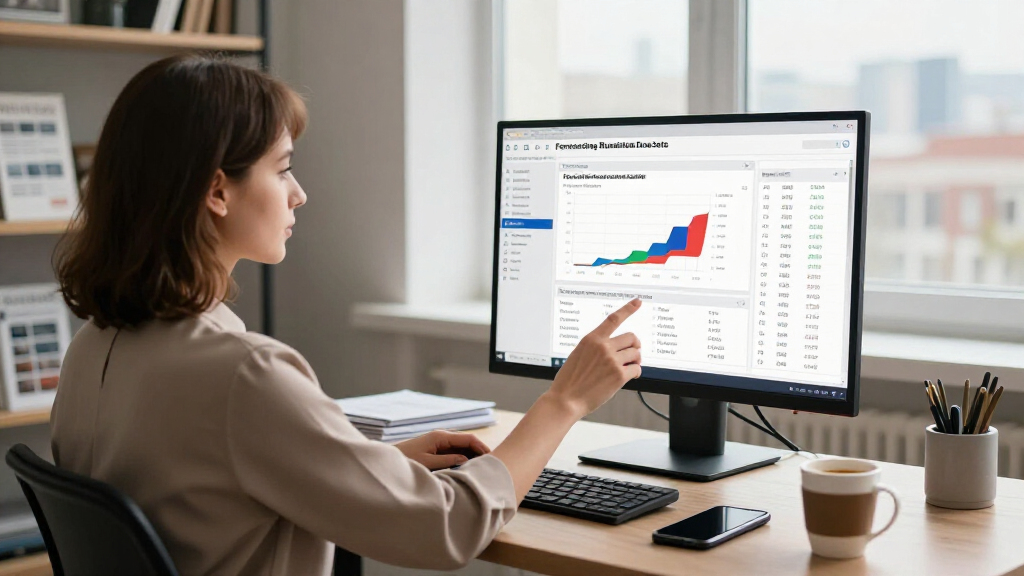
A specialized trade and supply-chain signal monitor predicts that United Russia will win between 340 and 354 seats in the next Russian Duma election. This forecast is based on real-time geopolitical and trade signals, offering early insights for supply-chain operations managers.
A trade and supply-chain signal monitor predicts that United Russia will win between 340 and 354 seats in the upcoming Russian State Duma election, based on real-time geopolitical and trade signals. This forecast, if accurate, could influence supply-chain planning and geopolitical risk assessments for businesses operating in or with Russia.
The forecast is derived from a specialized signal monitor that analyzes geopolitical and trade developments, focusing on signals relevant to supply-chain and trade exposure management. According to the monitor, the likelihood of United Russia winning between 340 and 354 seats is currently high, with an 88/100 confidence level as per Polymarket signals.
This prediction relies on a combination of real-time news, forum discussions, official filings, and trade data, filtered through a role-specific lens to inform operations managers about potential political shifts that could affect supply chains. The analysis indicates a narrow majority for United Russia, which could impact trade policies, sanctions, and international relations, thereby influencing global supply networks connected to Russia.
While the forecast provides a timely early warning, it remains subject to change as new geopolitical or trade developments emerge. The monitor emphasizes that such signals are probabilistic and should be integrated into broader risk management strategies.
Implications for Supply-Chain and Trade Operations
This forecast matters because a shift in the Russian political landscape could alter trade policies, sanctions, and international relations affecting supply chains. Businesses managing trade exposure with Russia need early signals to adjust logistics, sourcing, and risk mitigation strategies accordingly. The forecast offers a role-specific, real-time insight that can inform decision-making in a rapidly changing geopolitical environment.
As an affiliate, we earn on qualifying purchases.
Recent Developments in Russian Politics and Trade Signals
Russian political forecasts traditionally rely on polling and electoral analysis, but recent developments have seen an increased focus on real-time signals from geopolitical and trade sources. The upcoming Duma election, scheduled for 2024, is expected to be a pivotal event, with United Russia aiming to maintain or strengthen its majority amid ongoing international sanctions and trade tensions.
Trade and supply-chain signals have become more volatile due to sanctions, diplomatic shifts, and regional conflicts, prompting supply-chain managers to seek early indicators of political change. The recent rise of a specialized signal monitor, which filters geopolitical and trade signals relevant to operational decision-making, marks a shift toward role-specific, real-time intelligence.
While traditional polling suggests stability for United Russia, the signal monitor’s current forecast indicates a narrow majority, highlighting the importance of integrating real-time geopolitical signals into operational planning.
Factors That Could Alter the Election Forecast
While the current signals point toward a narrow majority for United Russia, the forecast remains uncertain due to unpredictable geopolitical shifts, possible sanctions, and domestic political dynamics. New developments, such as diplomatic breakthroughs or escalations, could significantly alter the predicted outcome, and the signal monitor’s predictions should be integrated with other intelligence sources for comprehensive risk assessment.
Monitoring Developments and Updating Forecasts
The forecast will be refined as additional geopolitical and trade signals emerge closer to the election date in 2024. Supply-chain managers and geopolitical analysts should continue to track the signal monitor, official election updates, and international developments to adjust their risk assessments and operational strategies accordingly. The next major milestone will be the official campaign period and any early voting results, which could provide further clarity.
Key Questions
How reliable is the forecast predicting the number of seats for United Russia?
The forecast is based on a high-confidence signal monitor analyzing real-time geopolitical and trade signals, with an 88/100 confidence level from Polymarket. However, it remains probabilistic and subject to change as new developments occur.
What specific signals does the monitor analyze?
The monitor analyzes news, forum discussions, official filings, trade data, and other geopolitical indicators relevant to Russia’s political and trade environment, filtered for operational decision-making relevance.
How should supply-chain managers use this forecast?
Managers should incorporate this early signal into broader risk assessments, adjusting logistics, sourcing, and contingency plans based on potential political shifts indicated by real-time signals.
Could the actual election outcome differ significantly from the forecast?
Yes. Political and trade signals are probabilistic, and unforeseen events or shifts could lead to different results. The forecast is a tool for early warning, not a definitive prediction.
When will the next update to this forecast be available?
The forecast will be updated as new signals and developments emerge, with closer monitoring expected in the lead-up to the 2024 election, particularly during the campaign period.
Source: IdeaNavigator AI
NFL season / tailgating Picks
team gear
As an affiliate, we earn on qualifying purchases.