
🔍 Read the full analysis: Essential AI-Powered Home Automation Devices To Consider In 2026 on ThorstenMeyerAI.com
Open a free Amazon Business account
Business pricing, bulk buying and tax-exempt orders.
Create a free accountAs an affiliate, we earn on qualifying purchases.
TL;DR
In 2026, a range of AI-powered home automation devices are transforming smart homes. This article highlights 14 top picks, emphasizing compatibility, local processing, and user-friendliness for diverse needs.
Several new AI-powered home automation devices have been released in 2026, offering enhanced features like local AI processing, broader ecosystem compatibility, and intuitive interfaces. These developments are shaping the future of smart homes, providing consumers with more responsive, private, and versatile automation options.
Leading the market, the Home Energy Monitor with IoT and AI integration stands out for its comprehensive energy insights and automation capabilities, making it the top overall choice. The SwitchBot AI Hub offers seamless integration with support for Matter protocol and local storage, appealing to those seeking flexible ecosystem compatibility. The Multi-Functional AI Voice Control Panel provides an intuitive voice interface, catering to users prioritizing ease of control.
Market analysis indicates that the most popular devices combine AI with local processing, reducing latency and enhancing privacy. Compatibility remains a key factor, with many devices supporting multiple protocols like Zigbee, Z-Wave, and Thread to ensure integration with existing smart home systems. Cost remains a consideration, with premium devices offering advanced features and budget options providing basic automation functions. Ease of setup and user interface are critical, especially for beginners, though more advanced users may prefer customizable options that come with a steeper learning curve.
Device selection depends heavily on whether users prefer centralized hubs or direct device control, influencing automation complexity and scalability. Many devices now support multiple protocols, future-proofing setups and enabling easier upgrades. Security practices vary, but reputable brands emphasize encryption and regular updates to protect user privacy. Overall, the market continues to evolve rapidly, with new AI features and integrations emerging regularly.
The 14 picks
- 1
 SwitchBot AI Hub with OpenClaw Support and Local Camera StorageView on Amazon →
 - 2
 Hubitat Elevation C-8 Pro Smart Home Automation Hub – Matter 1.5, Z-Wave 800…View on Amazon →
 - 3
 Multi-Functional AI Voice Control Panel with Mechanical LCD Keys and Secondar…View on Amazon →
 - 4
 Home Energy Monitor – Real Time Electricity Usage Monitor with AI-Powered Ana…View on Amazon →
 - 5
 SenseCAP Watcher W1-A Physical AI Agent, Clear Enclosure, Compatible with Hom…View on Amazon →
 - 6
 iSG Box SE ZB Smart Home Hub with Preinstalled Home AssistantView on Amazon →
 - 7
 AI-Powered Smart Home DevicesView on Amazon →
 - 8
 iSG Box SE Smart Home Hub with Preinstalled Home AssistantView on Amazon →
 - 9
 Arduino Home Automation Projects: Automate Your Home Using the Arduino PlatformView on Amazon →
 - 10
 SwitchBot Smart mmWave Radar Motion Sensor, Bluetooth Presence Sensor with Dy…View on Amazon →
 - 11
 Meross Presence Sensor MS605, IP67 Battery-Powered, Matter Over ThreadView on Amazon →
 - 12
 AI-Powered Smart Home Guide 2026: A Step-by-Step Guide to Designing, Optimizi…View on Amazon →
 - 13
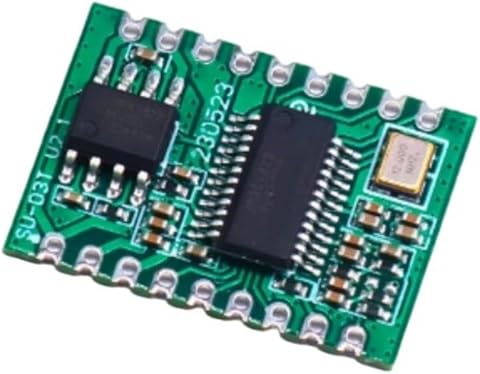 Local AI Voices Command Processor for Home Automation SystemsView on Amazon →
 - 14
 AI Powered Smart Home Guide for Beginners 2026View on Amazon →
Why These Devices Will Transform Smart Homes in 2026
The proliferation of AI-powered home automation devices in 2026 signifies a shift toward more intelligent, private, and adaptable living environments. These devices enhance energy efficiency, security, and convenience, reducing manual effort and optimizing home management. For consumers, this means greater control, improved privacy through local processing, and the ability to customize automation to personal preferences. As compatibility and AI capabilities expand, homes will become more integrated and responsive, impacting daily routines and long-term energy and security management.
Market Trends and Development of AI Home Devices in 2026
Over the past few years, AI integration in home automation has grown rapidly, driven by advances in machine learning, IoT connectivity, and user demand for smarter, more private solutions. Early 2020s saw the emergence of cloud-based AI devices, but recent trends favor local processing for privacy and speed. The adoption of open standards like Matter has facilitated interoperability, enabling devices from different brands to work together more seamlessly. Manufacturers are now focusing on user-friendly interfaces and multi-protocol support to cater to a broad spectrum of consumers, from tech enthusiasts to novices.
Leading brands such as Home Energy Monitor, SwitchBot, and others have launched devices with AI features like zone detection, predictive automation, and voice control. The market is also seeing a rise in multi-functional hubs that serve as central control points, integrating multiple protocols and AI capabilities into unified systems. As the ecosystem matures, consumers are increasingly seeking devices that balance advanced AI features with ease of use, security, and affordability.
Unresolved Questions About AI Home Devices in 2026
While many devices boast advanced AI features and broad compatibility, it remains unclear how widespread adoption will be among average consumers, especially regarding security concerns and ease of integration. The long-term durability of local AI processing hardware and software updates is still being tested, and some users may face challenges in troubleshooting complex systems. Additionally, the impact of evolving standards like Matter on existing device ecosystems is still unfolding, with some uncertainties about backward compatibility and future support.
Upcoming Developments and Market Directions for 2026
Manufacturers are expected to release more AI-powered devices with enhanced local processing and multi-protocol support throughout 2026. Integration with emerging standards and increased focus on user privacy will likely continue to shape the market. Consumers should anticipate firmware updates, new device launches, and expanded automation capabilities, with some companies exploring AI-driven predictive maintenance and energy optimization features. Industry analysts predict a growing emphasis on security enhancements and simplified setup processes to broaden adoption.
Key Questions
Do I need a central hub for AI-powered home automation devices?
Not necessarily. Many devices can operate directly via Wi-Fi or Bluetooth, but a hub can simplify management, improve reliability, and enable more complex automations. Choosing a hub depends on your automation needs and future expansion plans.
How secure are AI-powered home automation devices in 2026?
Security varies, but reputable brands prioritize encryption, regular firmware updates, and local processing to enhance privacy. Always choose devices from trusted manufacturers and keep software up-to-date.
Can I upgrade or expand my AI home system later?
Yes. Most systems are designed to be scalable, especially those supporting open standards like Matter. Compatibility with multiple protocols also facilitates future upgrades and additions.
What should I consider when choosing AI home automation devices?
Focus on compatibility with your existing ecosystem, local versus cloud processing preferences, ease of setup, security features, and overall value. Balancing these factors helps ensure a system that meets your needs now and in the future.
Source: ThorstenMeyerAI.com
Flea & tick season Picks
flea and tick prevention
As an affiliate, we earn on qualifying purchases.