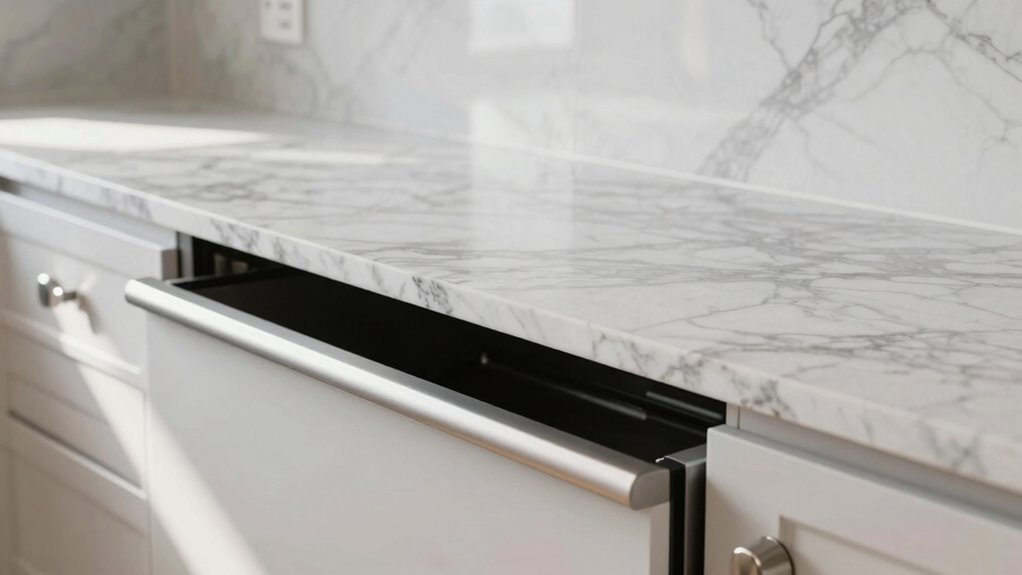

When comparing slide-in and freestanding ranges, many overlook the difference in the countertop gap, which affects your kitchen’s look and maintenance. Slide-in models fit flush with your counters for a sleek finish but can have gaps if not installed precisely, leading to cleaning and safety issues. Freestanding ranges usually have finished sides and less gap concern, but may not look as seamless. Keep exploring to discover how you can minimize gaps effectively and improve your kitchen’s safety and style.
Key Takeaways
- Slide-in ranges require precise measurements to minimize countertop gaps, creating a sleek, built-in look.
- Freestanding ranges have finished sides and larger gaps, which can be more visible and affect aesthetics.
- Proper gap sizing in slide-ins prevents debris buildup, making cleaning and maintenance easier.
- Installing filler strips or sealants can reduce gaps and enhance safety in both range types.
- Accurate installation and sealing improve kitchen safety, prevent damage, and maintain a seamless appearance.
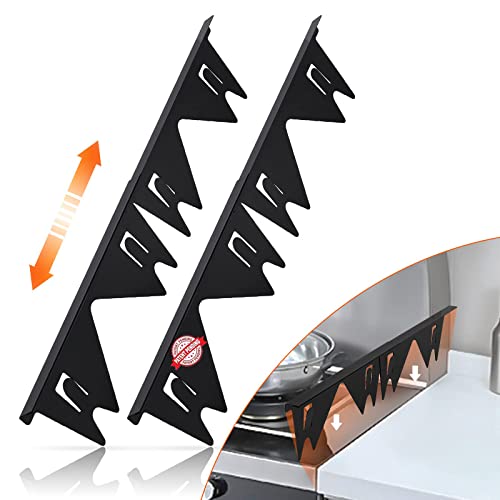
Stainless Steel Stove Gap Covers,Stove Gap Filler, Range Trim Kit, Stove Gap Guards, Heat Resistant and Easy to Clean, Easy retractable Length 13.8" to 27.5", Width 0.79",Black(2PCS)
- Adjustable Length: 13.8 to 27.5 inches
- Suitable for Gaps 1-18mm: Fits gaps between 1mm and 18mm
- Universal Compatibility: Fits flat and uneven surfaces
As an affiliate, we earn on qualifying purchases.
As an affiliate, we earn on qualifying purchases.
What Are the Main Differences Between Slide-In and Freestanding Ranges?

Have you ever wondered what sets slide-in ranges apart from freestanding ones? The main difference lies in installation challenges and appliance compatibility. Slide-in ranges are designed to fit seamlessly into your countertop with minimal gaps, creating a built-in look. However, this means you need precise measurements and custom adjustments during installation, making it more challenging than installing a freestanding range. Freestanding models are versatile and easier to install because they can be placed anywhere with standard hookups. They also come with finished sides, so exact appliance compatibility isn’t as critical. With slide-in ranges, you’ll need to ensure your cabinetry and countertops accommodate the specific dimensions, which can complicate installation but results in a sleek, integrated appearance. Additionally, understanding home appliance compatibility is essential for ensuring your chosen range fits perfectly within your kitchen setup. Proper knowledge of installation requirements can help prevent mismatched measurements and ensure a smoother setup process.
What Is the Countertop Gap, and Why Is It Important?
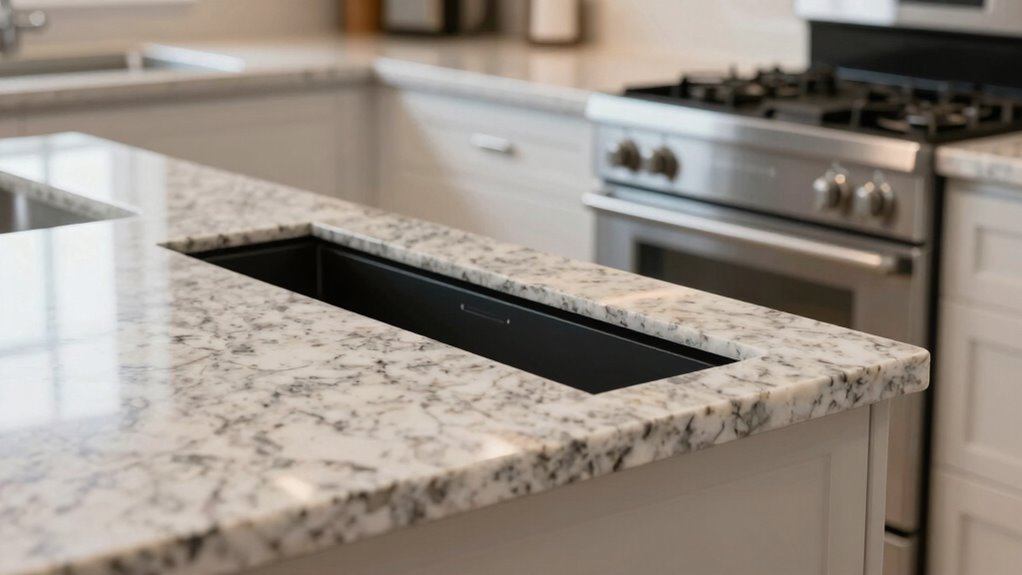
Curious about the countertop gap and its significance? This small space between your range and countertop can impact your kitchen’s look and functionality. Here are three reasons it matters:
- Installation challenges: An improper gap can make installing your range tricky, especially if the fit isn’t precise.
- Countertop compatibility: Some ranges don’t sit flush, leading to uneven surfaces that can cause damage over time.
- Aesthetic and safety concerns: Gaps can trap crumbs and debris, making cleaning harder and affecting your kitchen’s clean look.
- Proper engine upgrades can improve overall appliance fit and performance, ensuring your range sits securely and functions correctly.
Understanding this gap helps you choose the right range and ensures a smooth installation. It also minimizes potential issues related to installation challenges and countertop compatibility down the line.
How Does the Gap Affect Cleaning and Maintenance of Your Range?
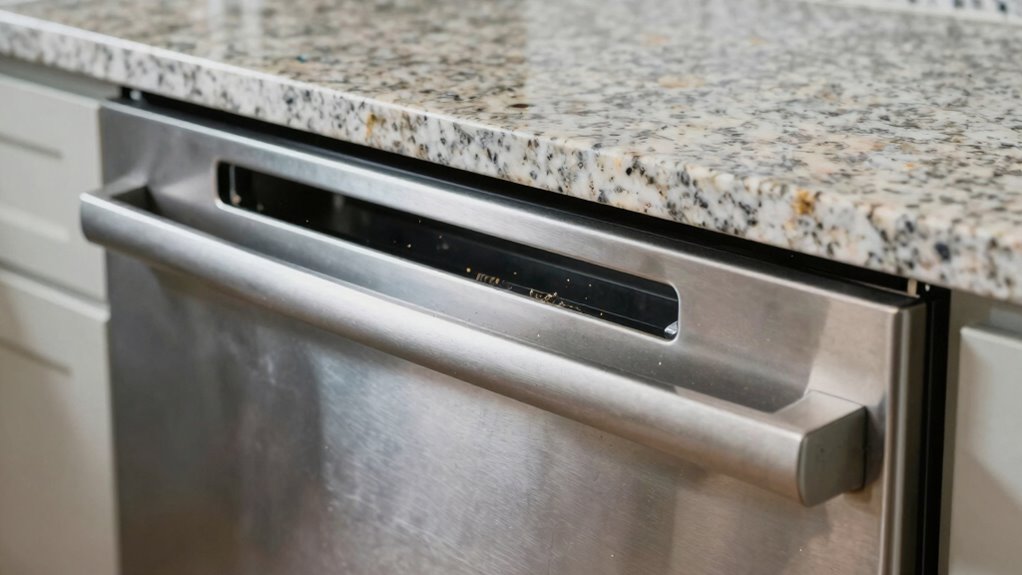
The gap between your range and countertop can considerably influence how easy it is to keep your kitchen clean. Debris, grease, and crumbs tend to fall into this space, making grout maintenance challenging if you have tiled surfaces. Regularly cleaning this gap prevents buildup that can harbor bacteria. Using proper countertop sealing helps create a barrier against spills and stains, simplifying cleanup. Without adequate sealing, liquids can seep into grout lines, increasing the need for frequent grout maintenance. For smooth, sealed surfaces, cleaning is quicker and more effective. You’ll want to regularly inspect this area and reseal as needed, ensuring that dirt and grime don’t accumulate. Proper range installation practices can help minimize the size of this gap and reduce ongoing cleaning challenges. Additionally, understanding gap management best practices can further enhance ease of maintenance and keep your kitchen hygienic. Being aware of how sealant quality impacts long-term maintenance can also make a significant difference in your cleaning routine. Regular maintenance and choosing high-quality sealants can dramatically extend the lifespan of your countertops and improve overall kitchen cleanliness.
How Does the Countertop Gap Impact Kitchen Design and Functionality?
The gap between your range and countertop isn’t just a functional concern—it also shapes your kitchen’s overall design and usability. A well-considered gap influences countertop durability, installation precision, and visual flow. Here’s how it impacts your space:
- Aesthetics: A seamless look depends on minimal gaps, making your kitchen appear sleek and modern.
- Ease of Use: Proper gaps improve functionality, preventing food and debris buildup that hampers cleaning.
- Durability: An appropriately sized gap reduces stress on countertops, preventing cracks or damage over time.
- Installation Accuracy: Ensuring the right gap size facilitates a proper fit, which is crucial for both safety and appearance.
Choosing the right range type ensures a precise installation, enhancing both form and function. The gap’s size and finish can make or break your kitchen’s look, so consider these factors carefully.
Pros and Cons of Gaps in Slide-In and Freestanding Ranges
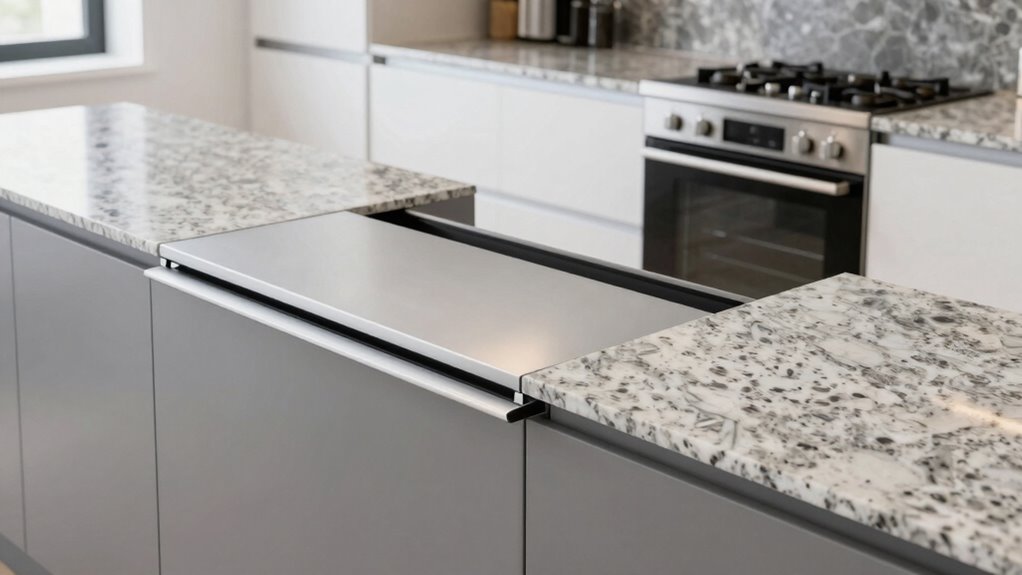
Gaps between your range and countertop can create a sleek look, but they also pose practical challenges. You’ll need to contemplate how these gaps affect cleaning, safety, and spill prevention. Understanding the pros and cons helps you choose the best option for your kitchen. Additionally, incorporating cultural or artistic decor, such as Indonesian masks, can add a unique aesthetic touch to your space. Indonesian decor masks can serve as statement pieces that reflect cultural heritage and enhance the visual appeal of your kitchen or living area. Consider installation techniques to ensure your range fits seamlessly and minimizes gaps, which can also influence kitchen safety by preventing debris buildup and ensuring proper appliance alignment.
Seamless Aesthetics vs. Cleaning
While slide-in ranges often feature a seamless look that integrates smoothly with your countertops, this design can make cleaning around the edges more challenging. The sleek aesthetic appeal enhances your kitchen’s appearance and allows for easier appliance customization. However, you’ll need to evaluate the trade-offs:
- Ease of Cleaning: Gaps in freestanding ranges make wiping spills easier, while seamless slide-ins may trap crumbs and grime.
- Aesthetic Appeal: Seamless designs create a modern, high-end look that many find more attractive.
- Maintenance: Gaps can require more frequent cleaning to prevent buildup, but they simplify spot-cleaning around the appliance’s edges.
Choosing between these options depends on whether you prioritize a unified look or effortless cleaning.
Safety and Spill Prevention
Seams and gaps in slide-in and freestanding ranges directly impact safety and spill prevention, influencing how well your kitchen stays clean and secure. Gaps can trap crumbs, liquids, and grease, making spill safety more challenging. If spills aren’t quickly contained or cleaned, they can create slip hazards or damage flooring. Conversely, a well-sealed range reduces the risk of spills seeping into gaps, improving overall safety. Gap prevention is key for maintaining a tidy, hazard-free cooking environment. Slide-in ranges often have minimal gaps, enhancing spill safety, but they require precise installation. Freestanding models may have larger gaps, which can be harder to clean and control. Proper installation techniques can further improve the seal and reduce gaps, enhancing safety and spill prevention. Additionally, understanding range sizing can help in selecting the right model to minimize gaps and improve fit. Choosing the right style depends on your focus on safety and your ability to manage spill prevention effectively. Proper kitchen safety measures can further minimize risks associated with gaps and spills. Implementing correct cleaning habits can also prevent buildup that worsens spill management over time. Paying attention to manufacturer guidelines ensures that ranges are installed and maintained correctly for optimal safety.
Can You Fix or Minimize the Countertop Gap?
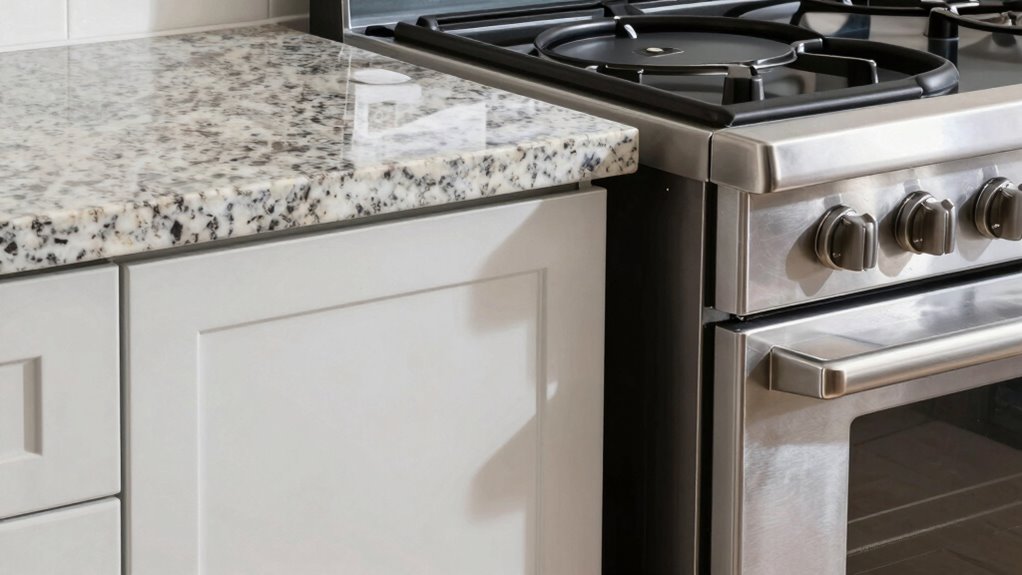
If you notice a gap between your cooktop and the countertop, there are practical ways to fix or minimize it. First, explore countergap solutions like installing filler strips or trim pieces to bridge the space. Second, you can use countertop sealing or caulking to fill small gaps and prevent debris buildup. Third, consider repositioning or adjusting the cooktop if possible, ensuring a snug fit. These methods help improve safety and aesthetics while making cleanup easier. Using durable, heat-resistant materials for sealing ensures longevity and effective gap reduction. Additionally, selecting heat-resistant sealants designed for kitchen environments can further enhance the durability of your repairs. Incorporating professional installation can also ensure a precise fit and reduce the risk of future gaps. To prevent gaps from recurring, regular maintenance of your appliances and countertops is essential. Remember, addressing the countergap proactively avoids potential hazards and enhances your kitchen’s appearance. Properly maintaining kitchen appliances and understanding common issues can help prevent gaps from forming over time. Additionally, consulting best gear and knife roundups can help you select the most reliable and safe materials for repairs. With simple fixes, you can notably improve both safety and functionality around your cooktop area.
Frequently Asked Questions
Are There Specific Countertop Materials That Work Better With Ranges?
You should choose countertops with high durability and good material compatibility for your range. Materials like quartz, granite, and solid surface work well because they resist heat, scratches, and stains. Avoid softer surfaces like laminate, which can be damaged easily. Consider your cooking habits and maintenance preferences to match the right material, ensuring your countertop stays beautiful and functional alongside your range.
Can the Gap Cause Safety Issues or Hazards?
Imagine a small gap between your range and countertop as a tiny crack in a dam—seemingly harmless, but it can cause safety issues. That gap can trap crumbs or liquids, increasing risks of gas leaks or electrical hazards. If not sealed properly, it could lead to dangerous situations, especially with gas or exposed wiring. Regularly inspecting and sealing the gap helps prevent potential hazards and keeps your kitchen safe.
How Does the Gap Influence the Resale Value of a Home?
The gap can impact your home’s resale value and appeal. If it looks unintentional or poorly finished, buyers might see it as a sign of lower quality or maintenance issues, reducing interest. Conversely, a well-designed, seamless look can boost your home’s attractiveness and perceived value. Paying attention to the gap guarantees your kitchen appears polished and inviting, helping you get the best resale value and making a great impression on potential buyers.
Are There Custom Solutions to Eliminate or Reduce the Gap?
Yes, you can find custom solutions to eliminate or reduce the gap. Imagine a seamless kitchen where your range fits perfectly; this is possible with custom trim and professional installation. These options create a sleek, integrated look, hiding gaps for a cleaner appearance. By opting for a seamless installation, you guarantee your range complements your countertops perfectly, elevating your kitchen’s style and functionality without the hassle of gaps or mismatched edges.
Does the Gap Affect the Overall Energy Efficiency of the Range?
Yes, the gap can impact your range’s energy efficiency by causing energy loss through heat dissipation. When there’s a larger gap, heat can escape more easily, making your appliance work harder and consume more energy. To minimize this effect, guarantee a snug fit or use custom solutions that reduce the gap, improving heat retention and overall efficiency. Proper installation helps keep your range operating at its best.
Conclusion
So, next time you’re dazzled by those sleek ranges, remember the glorious countertop gap—your kitchen’s tiny rebellion. It’s the secret thrill of cleaning, the unintentional aesthetic statement, and the reason your pots sometimes tip over. Embrace the gap or fix it, but don’t pretend it’s not there. After all, who needs seamless design when you can have a charming reminder that even your appliances have quirks? Happy cooking—and cleaning around your rebellious range!