

📊 Full opportunity report: Revolutionize Your Marketing With AI Automation Tools In 2026 on ThorstenMeyerAI.com — validation score, market gap, and execution plan.
TL;DR
In 2026, AI automation tools are reshaping marketing strategies across industries, supporting everything from lead generation to content creation. This development is driven by new platforms and workflows, with ongoing innovations and some uncertainties about long-term platform stability.
AI-powered marketing automation tools are increasingly being adopted across industries in 2026, supporting a wide range of activities from email campaigns to lead generation. This shift is driven by advancements in AI technology, which enable more efficient, personalized, and scalable marketing strategies. The adoption of these tools is considered a significant development in digital marketing, with many companies reporting improved performance and efficiency.
Several leading AI platforms and tools have announced new features tailored for marketing automation in 2026. Notably, tools like ChatGPT Enterprise and Claude have integrated advanced automation capabilities, allowing marketers to build complex workflows that include content creation, customer segmentation, and real-time analytics. Industry experts, such as Thorsten Meyer, emphasize that broad workflow coverage remains a key advantage, enabling businesses to connect multiple marketing channels seamlessly.
According to sources from ThorstenMeyerAI.com, guides such as the original analysis and 25 AI Tools for Digital Marketing highlight that platform-independent strategies are more resilient to rapid interface and feature changes. Many companies are also exploring niche, platform-specific tools for targeted tasks, although these may face quicker obsolescence.
Why AI Automation is a Game-Changer for Marketing in 2026
The integration of AI automation tools into marketing strategies in 2026 is transforming how businesses operate, offering increased efficiency, personalization, and scalability. Marketers can now automate complex workflows that previously required manual effort, leading to faster campaign deployment and improved customer engagement. This shift is particularly relevant for companies aiming to stay competitive in a rapidly evolving digital landscape, where agility and data-driven decision-making are crucial.
However, the rapid pace of technological change also introduces challenges, such as platform dependency and the need for continuous learning to keep workflows current. The adoption of AI automation is expected to lead to significant productivity gains but also requires careful planning and strategic integration.
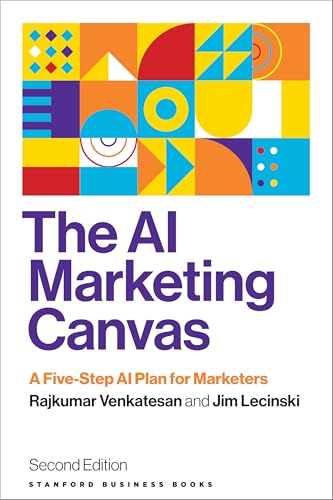
The AI Marketing Canvas, Second Edition: A Five-Step AI Plan for Marketers
As an affiliate, we earn on qualifying purchases.
As an affiliate, we earn on qualifying purchases.
Evolution of AI-Powered Marketing Tools in 2026
Over the past few years, AI-driven marketing tools have evolved from simple automation scripts to sophisticated systems capable of managing entire marketing funnels. Early adopters in 2024 began integrating AI chatbots and content generators, but by 2026, the landscape has expanded to include comprehensive platforms supporting multi-channel workflows. Industry reports from ThorstenMeyerAI.com indicate that the focus has shifted toward broad, system-level automation strategies, emphasizing workflow design and process integration rather than isolated tools.
Recent product launches and updates from major AI platforms demonstrate a trend toward platform neutrality, allowing marketers to build flexible, durable systems. Despite this progress, some uncertainty remains about long-term platform stability, as interfaces and features continue to evolve rapidly.
“Broad workflow coverage remains a key advantage, enabling businesses to connect multiple marketing channels seamlessly.”
— Thorsten Meyer
Uncertainties Around Long-Term Platform Stability
While AI automation tools are rapidly advancing in 2026, it remains unclear how long platform-specific solutions like Claude or ChatGPT Enterprise will remain stable and relevant. Frequent interface updates, feature deprecations, and evolving pricing models pose risks to long-term workflow consistency. Experts emphasize that strategies based on platform-neutral methods are more likely to endure, but the rapid pace of change makes it difficult to predict future stability with certainty.
Next Steps in AI Marketing Automation Development
In the coming months, expect continued innovation in AI automation tools, with new features aimed at improving integration, analytics, and personalization. Companies will likely focus on building flexible, platform-agnostic workflows that can adapt to changing AI landscapes. Additionally, industry conferences and vendor updates will provide insights into emerging best practices and new tools, helping marketers stay ahead of the curve.
Key Questions
How can AI automation improve my marketing efforts in 2026?
AI automation can streamline workflows, personalize customer interactions, and optimize campaign performance, leading to increased efficiency and better results.
Are platform-specific AI tools more reliable than platform-neutral solutions?
Platform-specific tools may offer more precise instructions but are more vulnerable to interface changes. Platform-neutral frameworks tend to be more durable over time.
What are the risks of adopting AI automation now?
The main risks include platform dependency, rapid feature obsolescence, and the need for ongoing learning to keep workflows current.
What should I focus on when choosing AI marketing tools?
Prioritize tools that support comprehensive workflows, are platform-agnostic, and align with your specific marketing goals and outcomes.
What developments are expected in AI marketing automation in the next year?
Expect enhancements in integration capabilities, real-time analytics, and more user-friendly interfaces, along with increased emphasis on flexible, durable workflows.
Source: ThorstenMeyerAI.com