
📊 Full opportunity report: Why Beauty Searches Are Turning To Pluralibacter Gergoviae on IdeaNavigator AI — validation score, market gap, and execution plan.

Get the little things that make your day delivered free — and shop member deals
- Fast, free delivery on millions of items
- Access to Prime Big Deal Days deals on October 6–7
- Prime Video, Amazon Music and more included
TL;DR
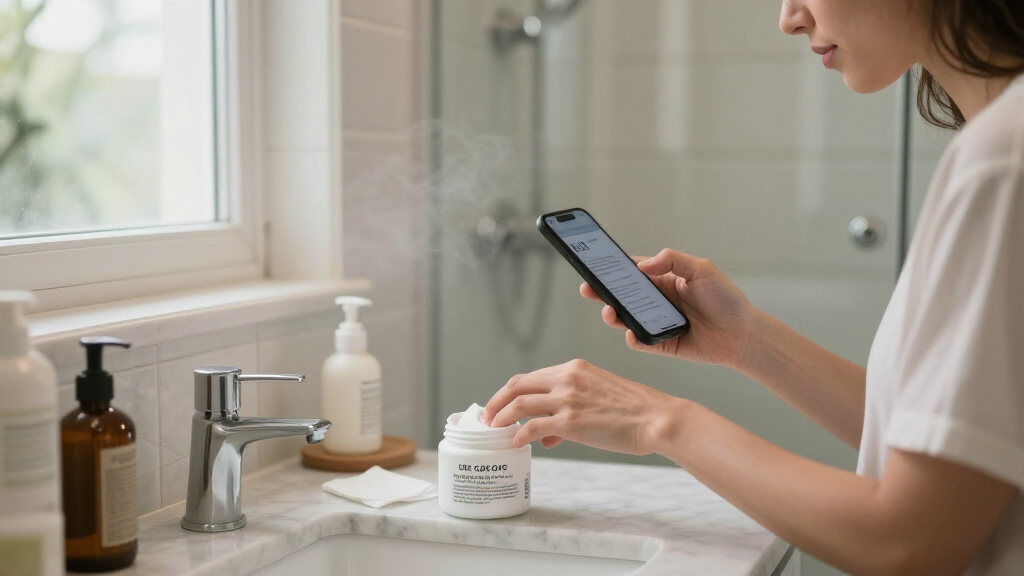
A beauty-industry trend-monitoring proposal points to Google Trends activity around Pluralibacter gergoviae and shampoo contamination as a possible signal for a focused news-monitoring service. The material gives an 88/100 signal score, but does not identify a contaminated product, a regulator notice, or evidence that a specific contamination event has occurred.
Search interest around Pluralibacter gergoviae and shampoo contamination has been flagged as a possible early-warning topic for beauty-industry operators, in a proposal for a targeted trend-monitoring service. The proposal assigns the topic a Google Trends signal score of 88/100, but reports no confirmed contaminated shampoo, product recall, or regulatory action.
The proposal, published by IdeaNavigator AI, frames the search trend as a test case for a service that would monitor Google Trends and similar feeds for developments relevant to people working in beauty. It says the goal would be to turn relevant items into short briefs explaining what changed, why it matters, and what action might be appropriate. The intended users are operators who need to respond quickly to developments affecting their work.
The document presents the 88/100 score as a signal of search interest, not as a measure of contamination risk, product prevalence, or the number of affected consumers. It gives no measurement window, comparison baseline, geographic breakdown, or underlying search-volume figures. That leaves the score’s scale and meaning difficult to assess independently.
The proposal recommends testing the service manually before building it: prepare a brief on this topic and two other fast-moving developments, deliver them to five potential users, and check whether the information changes a decision or is forwarded to a colleague. That is a proposed validation exercise, not evidence that a monitoring product has launched or that customers have subscribed.
Search Signals Versus Safety Alerts
For beauty businesses, a possible contamination concern can warrant attention because product-safety developments may affect customer communications, quality checks, supplier discussions, and operational decisions. A focused monitor could help staff notice relevant reporting sooner than a broad industry roundup, particularly if it separates actionable developments from general online discussion.
But search interest alone does not establish a safety incident. Without an identified product, a testing result, an official notice, or reporting that substantiates contamination, readers should not treat the trend score as proof that shampoo has been contaminated. The distinction matters for consumers as well as businesses: repeating an unverified connection between a bacterium and a product category can create alarm without clarifying whether any product is affected.
The proposal’s practical question is whether a timely, role-specific summary changes what an operator does. Its suggested five-person test could offer early feedback on usefulness, but it would not establish the accuracy of the signal, the size of the market, or whether the service would reliably identify safety events.
shampoo with antibacterial properties
As an affiliate, we earn on qualifying purchases.
As an affiliate, we earn on qualifying purchases.
The Proposed Beauty Monitoring Test
The idea is presented as a narrow first use case for monitoring developments in the beauty market. Rather than build a broad news service immediately, the proposal suggests tracking search trends and related feeds, filtering items for a defined professional audience, then writing concise decision briefs. The Pluralibacter gergoviae query is an example of the kind of fast-moving topic the system might flag.
Its timing rationale is that a same-day update may be more useful to an operator than waiting for a weekly roundup. That is the proposal’s product thesis; the document does not provide evidence comparing same-day alerts with weekly summaries or showing that relevant users have missed a specific contamination development.
The suggested business model is a subscription for professional users. The first validation step would be direct delivery of three briefs to five people who fit the intended audience, followed by checking whether they act on or share the information. No completed interviews, user responses, pricing, product launch, or paid demand are reported.
What the Trend Score Cannot Show
The proposal does not specify when the 88/100 score was recorded, what period it covers, how Google Trends was queried, or what comparison underlies the number. It also does not establish whether the searches reflect consumer concern, professional research, news coverage, or another cause. The figure should be read only as a reported signal score, not as a percentage or a measure of contamination likelihood.
No affected brand, product batch, country, laboratory finding, health impact, recall, or official investigation is named. The material also provides no statement from a manufacturer or regulator. As a result, it is not possible from this information to confirm that a shampoo contamination event has occurred or to determine whether any product requires consumer action.
It remains unclear whether the trend is persistent or temporary, whether other search and news feeds corroborate it, and whether beauty professionals would find the proposed briefs useful enough to pay for. Those questions require further reporting and direct validation.
Testing the Monitor With Operators
The next step described in the proposal is a manual test with five potential users. The team would provide three briefs, including one on the Pluralibacter gergoviae search signal, then record whether recipients change a decision or pass an item to a colleague. No timetable beyond a suggested test during the current week is given, and no results have been announced.
Before presenting the topic as a product-safety development, a monitor would need to check for corroborating evidence in credible news reports, official notices, and product or laboratory information. If such evidence emerges, the brief could identify the product and jurisdiction, attribute claims to the relevant authorities or company, and distinguish confirmed findings from open questions. Until then, the proposed opportunity is a test of news monitoring and user demand, not confirmation of contaminated shampoo.
Source: IdeaNavigator AI
Key Questions
Has contamination of a shampoo product been confirmed?
No confirmed contamination event is identified in the proposal. It does not name a product, manufacturer, regulator notice, or test result.
What does the 88/100 score mean?
The proposal labels it a Google Trends signal score, but gives no date range, baseline, geographic scope, or calculation method. It cannot be interpreted as an 88% chance of contamination.
What is being proposed?
A targeted service that would monitor trends and other feeds, then send beauty-industry operators brief summaries of developments that may affect their work. The proposal suggests testing the idea with five potential users before building it.
What information would confirm a real product-safety issue?
Useful evidence could include an official regulator notice, a company statement, verified laboratory findings, or credible reporting that identifies the product and the relevant circumstances. The proposal provides none of those details.
Source: IdeaNavigator AI
NFL season / tailgating Picks
team gear
As an affiliate, we earn on qualifying purchases.