

📊 Full opportunity report: 2026 In AI: 13 Projects To Watch on ThorstenMeyerAI.com — validation score, market gap, and execution plan.

Get the little things that make your day delivered free — and shop member deals
- Fast, free delivery on millions of items
- Access to Prime Big Deal Days deals on October 6–7
- Prime Video, Amazon Music and more included
TL;DR
In 2026, thirteen AI projects are emerging as significant developments, with confirmed advances in natural language processing, autonomous systems, and ethical AI. This report identifies what is confirmed, what remains uncertain, and why these initiatives matter for the future of technology.
Thirteen AI projects are currently underway or scheduled for release in 2026, with several already announced by leading tech companies and research institutions. These developments are discussed in the original analysis. These initiatives aim to advance natural language processing, autonomous systems, and ethical AI, reflecting the sector’s rapid growth and strategic importance. The developments could significantly influence how AI integrates into daily life, industry, and policy, as explored in Can These Portable SSDs Enhance Your AI Projects In 2026?.
Among the confirmed projects, OpenAI plans to release GPT-5, promising improvements in language understanding and contextual reasoning. Google DeepMind is advancing its AlphaCode project, targeting more sophisticated coding assistance. Additionally, Microsoft announced an enhanced version of Azure AI services, emphasizing better integration and safety features. Several startups and academic groups are also working on AI models focused on ethical decision-making, bias reduction, and explainability.
While these projects have been publicly disclosed or hinted at through official channels, details about their full capabilities, deployment timelines, and potential limitations are still emerging. For more context, see trade and supply-chain operations signal monitor. Some initiatives, such as autonomous vehicle AI systems, remain in testing phases, with regulatory and safety considerations still under review. The landscape indicates a mix of confirmed product launches and ongoing research efforts that could reshape AI’s role in 2026.
The 13 picks
- 1
 Jackery HomePower 3600 Plus Portable Power Station, 3600W AC Output, 3584Wh L…View on Amazon →
 - 2
 EF ECOFLOW DELTA 3 Max Portable Power Station, 2048Wh LFP Battery, 2400W / 34…View on Amazon →
 - 3
 Jackery Explorer 2000 v2 Portable Power Station, 2042Wh, 2200W AC Output, LiF…View on Amazon →
 - 4
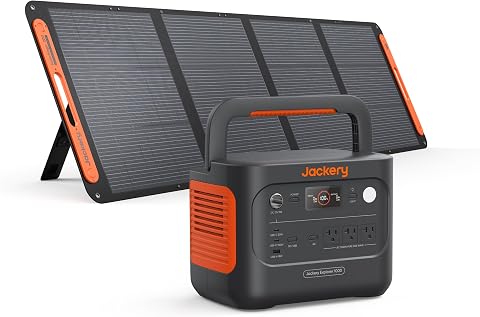 Jackery Solar Generator 1000 V2 with 200W Solar Panel, 1070Wh, 1500W AC, Fast…View on Amazon →
 - 5
 Anker SOLIX C1000 Gen 2 Portable Power Station, 1024Wh, 2000W, Camping, Emerg…View on Amazon →
 - 6
 Jackery Explorer 1000 v2 Portable Power Station, 1070Wh, 1500WView on Amazon →
 - 7
 Jackery Explorer 300 Portable Power Station, 292Wh, LiFePO4 Battery, Solar Ge…View on Amazon →
 - 8
 EF ECOFLOW Portable Power Station Delta 3 Classic, 1024Wh, 1800W AC, LiFePO4…View on Amazon →
 - 9
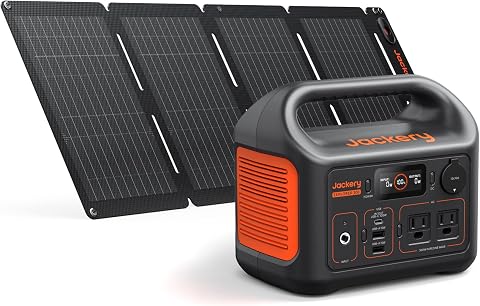 Jackery Solar Generator 300 with 40W Solar Panel, 292Wh, 300W AC OutputView on Amazon →
 - 10
 BLUETTI Elite 30 V2 Portable Power Station 288Wh 600W LFP Solar GeneratorView on Amazon →
 - 11
 Portable Power Station 300W, 192Wh LiFePO4 Battery Solar Generator with Carry…View on Amazon →
 - 12
 EnginStar Portable Power Station 300W 296Wh Battery Bank with 110V Pure Sine…View on Amazon →
 - 13
 HOWEASY Portable Power Station, 88Wh Solar Generator with 120W Peak OutputView on Amazon →
Why These AI Projects Are Critical in 2026
This collection of projects matters because they represent the frontier of AI development, with potential impacts across industries, governance, and everyday life. Confirmed advancements like GPT-5 and improved autonomous systems could revolutionize communication, automation, and decision-making processes. Ethical AI initiatives aim to address longstanding concerns about bias and safety, which are crucial for public trust and regulatory acceptance. The year 2026 could thus mark a pivotal point in AI maturity and societal integration.
Key Developments Shaping 2026’s AI Landscape
The AI sector has seen rapid growth over the past few years, driven by breakthroughs in deep learning, increased computational power, and expanding investment from tech giants and governments. Major projects like OpenAI’s GPT series, Google’s DeepMind, and Microsoft’s Azure AI have set industry standards. In 2026, these efforts are continuing with new versions and features, while emerging startups are exploring niche applications such as ethical AI and bias mitigation. Previous years’ regulatory discussions and public debates about AI safety are influencing project priorities, emphasizing transparency and safety features.
While some projects are extensions of existing models, others are pioneering new approaches in autonomous systems, natural language understanding, and AI governance. The landscape remains dynamic, with some initiatives still in early phases and others nearing deployment, creating a complex picture of progress and uncertainty.
“Ethical AI projects this year will focus heavily on bias reduction and explainability, addressing societal concerns that have grown over recent years.”
— Michael Chen, CTO of InnovateAI
Unresolved Questions About Project Timelines and Capabilities
Many details about the full capabilities, deployment timelines, and regulatory approval processes for these projects remain unclear. For example, the exact features of GPT-5 and its release date have not been officially confirmed. Similarly, autonomous vehicle AI systems are still undergoing testing, with safety and legal issues unresolved. The pace of regulatory changes and public acceptance also introduces uncertainty about how quickly these projects will be adopted widely.
Next Steps for Monitoring 2026 AI Developments
Stakeholders should watch for official announcements from companies like OpenAI, Google, and Microsoft throughout 2026, especially regarding product launches and regulatory updates. Industry conferences, research publications, and government policy statements will provide critical insights into progress and challenges. Continued evaluation of safety, ethical standards, and deployment readiness will shape the future trajectory of these projects and their societal impact.
Key Questions
What are the most anticipated AI projects in 2026?
Key projects include OpenAI’s GPT-5, DeepMind’s advancements in AlphaCode, and Microsoft’s updated Azure AI services, among others focused on ethical AI and autonomous systems.
When can we expect these AI projects to be publicly available?
Some projects like GPT-5 are expected to be announced or released in the latter half of 2026, but exact dates are still unconfirmed. Others may still be in testing phases or limited deployments.
What are the main risks associated with these AI developments?
Potential risks include safety concerns with autonomous systems, bias and fairness issues, and regulatory challenges that could delay or restrict deployment.
How might these projects impact everyday life?
They could enhance communication, automate more tasks, improve decision-making, and raise new questions about privacy, ethics, and AI governance.
Source: ThorstenMeyerAI.com
NFL season / tailgating Picks
team gear
As an affiliate, we earn on qualifying purchases.