
In 2025, soft textures are winning because they meet our growing need for comfort, well-being, and sustainability. As society shifts towards self-care and authentic experiences, industry trends embrace plush fabrics, natural textures, and cozy materials in fashion, home, and tech products. These textures create feelings of safety, relaxation, and mindfulness, making everyday spaces and accessories more inviting. If you want to understand how this cozy-comfort trend is shaping your world, there’s more to discover ahead.
Key Takeaways
- Growing emphasis on well-being and self-care is driving demand for soft, comforting textures across industries.
- Industry trends favor natural, eco-friendly materials that promote authenticity, sustainability, and cozy aesthetics.
- Soft textures enhance emotional well-being by reducing stress and fostering mindfulness and emotional resilience.
- Innovations in manufacturing make plush, sustainable textiles more affordable and accessible for everyday use.
- DIY projects with recycled and eco-friendly materials support personalized comfort and sustainable living practices.

blunique Ultra Soft Cozy Faux Fur Throw Blanket, Fuzzy Plush Thick Bubble Blanket, Luxury Fluffy Blanket for Couch, Sofa, Bedroom, and Living Room, 50×60 Inches, Cream White
- Luxurious Dual-Sided Fabric: 800GSM faux rabbit fur and soft plush
- Stylish Bubble Texture: High-low wave bubble design
- Exceptional Softness: Silky faux fur and cozy flannel
As an affiliate, we earn on qualifying purchases.
As an affiliate, we earn on qualifying purchases.
Why Comfort Became a 2025 Standard in Fashion, Home, and Tech
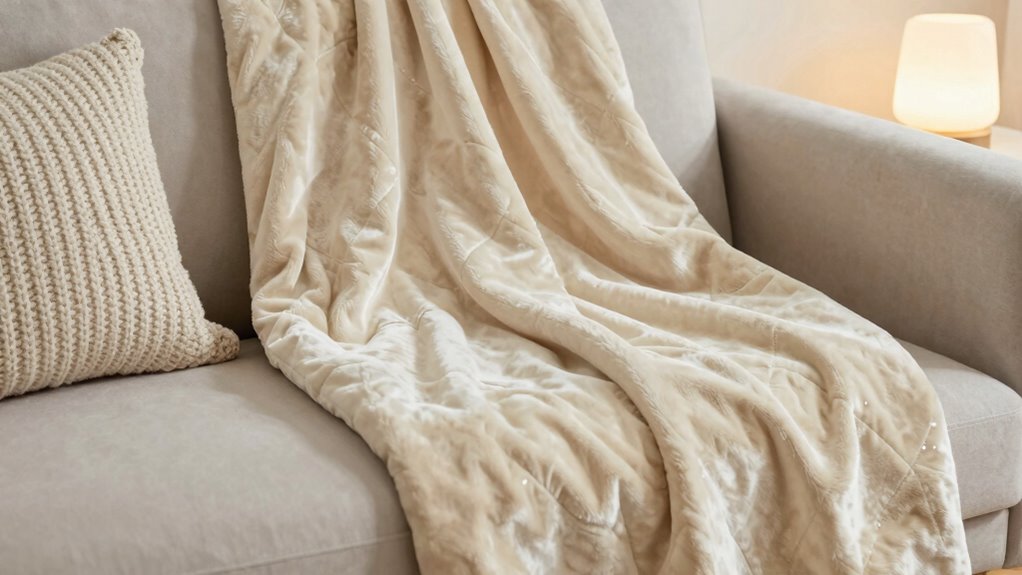
The shift toward comfort as a 2025 standard stems from a fundamental change in how people prioritize well-being and flexibility. In fashion, you’re noticing luxury branding embracing softer, more relaxed styles that still convey sophistication. Minimalist aesthetics now focus on clean lines and simple designs, emphasizing comfort without sacrificing elegance. Home designs favor cozy textures and functional layouts that support daily well-being. Tech innovations are also aligning with this trend, offering devices that are not only sleek but easy to use and comfortable to engage with. This movement reflects a broader desire for authenticity and self-care, leading brands across sectors to prioritize comfort as a core value. Additionally, eco-friendly craft ideas and tissue paper insights are increasingly used in home renovations to create inviting, cozy spaces efficiently. The incorporation of sustainable materials further enhances the sense of warmth and authenticity in modern design. As a result, comfort has become an essential element, blending luxury and minimalism to meet evolving consumer expectations, driven by a growing emphasis on well-being-centered design. The rise of natural textures in various industries underscores this shift towards genuine comfort and sustainable aesthetics.
The Emotional Benefits of Soft Textures for Well-Being
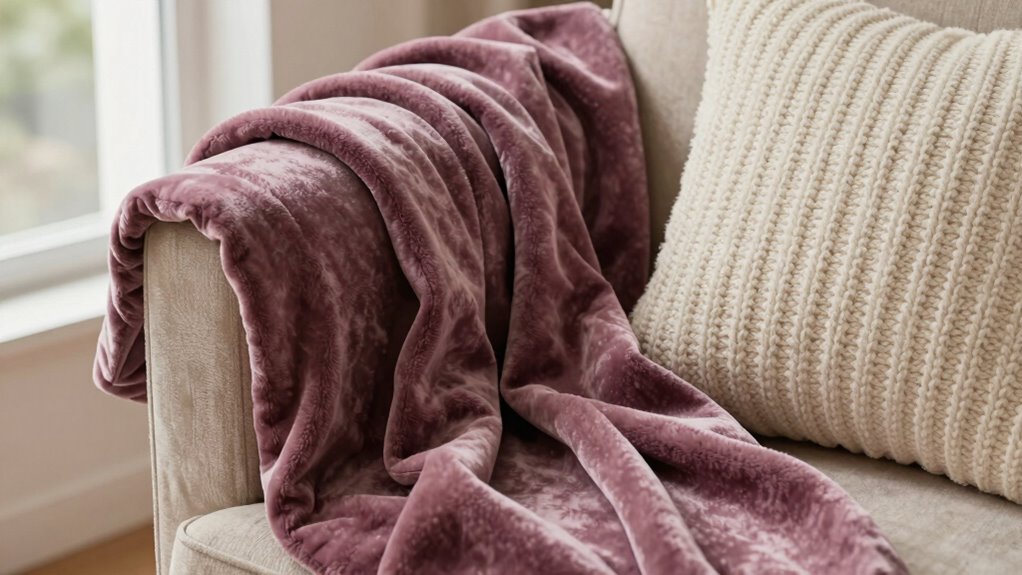
Soft textures can help you feel calmer by reducing stress and anxiety, making everyday moments more peaceful. They also boost your emotional comfort, creating a sense of safety and warmth. When you relax with cozy materials, it’s easier to practice mindful relaxation and reconnect with yourself. Additionally, incorporating sustainable fabric technologies can enhance softness while supporting environmental goals. Using eco-friendly recycled materials in gardening or outdoor furniture care techniques can extend the life of your textiles and reduce waste. Properly caring for your soft textiles through water damage prevention and rug cleaning techniques ensures they remain a comforting presence in your space. Paying attention to indoor air quality by reducing dust and microplastics can also improve your overall comfort and health. Furthermore, selecting high-quality soft fabrics can ensure durability and long-lasting comfort in your home.
Reduces Stress and Anxiety
Have you ever noticed how running your fingers over a plush blanket instantly calms your nerves? Soft textures promote stress relief by triggering a soothing sensory response, helping to lower your heart rate and ease tension. When you surround yourself with cozy fabrics, your body naturally releases feel-good hormones like oxytocin, which can reduce feelings of anxiety. This tactile comfort provides a simple yet powerful way to support your mental health, especially during stressful moments. Additionally, precious metal IRAs can serve as a stable financial complement to your emotional well-being by offering a secure investment option in uncertain times. By integrating soft materials into your environment—whether through cushions, blankets, or clothing—you create a calming atmosphere that helps manage daily pressures. Soft textures serve as a gentle reminder to slow down, relax, and prioritize your emotional well-being.
Enhances Emotional Comfort
When you wrap yourself in plush fabrics, you often feel an immediate sense of emotional comfort that words can’t quite express. Soft textures create a soothing environment, making it easier to engage in mindful meditation and connect with your feelings. This tactile experience can boost your emotional resilience by grounding you in the present moment and reducing emotional overwhelm. The gentle touch of cozy fabrics helps you feel safe and supported, encouraging a calmer mindset. Incorporating soft fabrics into your surroundings can also help create a consistent and comforting environment that promotes emotional stability. Over time, these textures foster a sense of stability and warmth that nurtures your emotional well-being. When your surroundings embrace softness, you naturally find it easier to process emotions and build resilience against daily stressors. Soft textures become a tangible source of comfort, strengthening your emotional health. Additionally, incorporating car accessories that feature soft materials can enhance your vehicle’s interior ambiance, further promoting a sense of relaxation and emotional comfort during your daily drives.
Promotes Mindful Relaxation
Because gentle textures can anchor your awareness in the present moment, they naturally foster mindful relaxation. When you touch soft fabrics or cozy materials, your mind shifts away from worries and distractions, encouraging a sense of calm. This tactile experience helps you become more aware of your body and feelings, supporting emotional self-care. Incorporating soft textures into your environment creates a soothing atmosphere that invites you to slow down and breathe deeply. As you focus on these gentle sensations, you cultivate mindfulness, reducing stress and enhancing emotional well-being. Over time, this mindful practice becomes a natural part of your routine, making it easier to manage daily tension and find peace amid life’s chaos. Soft textures truly support your emotional health through mindful relaxation. Additionally, integrating sensory-friendly materials reminiscent of performance parts like soft, high-quality fabrics can enhance comfort and promote relaxation.
Innovative Designs Making Plush Materials More Affordable

Innovative designs are transforming the plush material industry by making high-quality, cozy fabrics more affordable for consumers. Companies are now leveraging sustainable sourcing to reduce costs while maintaining eco-friendly standards, ensuring materials are ethically harvested and environmentally responsible. Additionally, innovative manufacturing techniques, like automation and 3D knitting, streamline production processes, considerably lowering expenses. These advancements enable brands to produce plush textiles at scale without sacrificing quality or comfort. As a result, you can enjoy luxurious, soft furnishings without the hefty price tag. This shift not only democratizes access to plush textures but also promotes eco-conscious choices. By combining sustainable sourcing with cutting-edge manufacturing, designers are making plush fabrics more accessible, durable, and affordable—fueling the cozy-comfort movement in 2025. Sustainable sourcing methods are particularly influential in reducing environmental impact while supporting ethical labor practices. The integration of advanced manufacturing techniques further enhances efficiency and cost-effectiveness in producing plush materials. Furthermore, ongoing innovations in material technology continue to improve the durability and softness of these fabrics over time. Moreover, these advancements are fostering innovative design options that cater to diverse consumer preferences. In addition, research and development efforts are focused on creating even more sustainable and resilient plush fibers for future collections.
How Social Media Is Making Cozy Textures a Trend
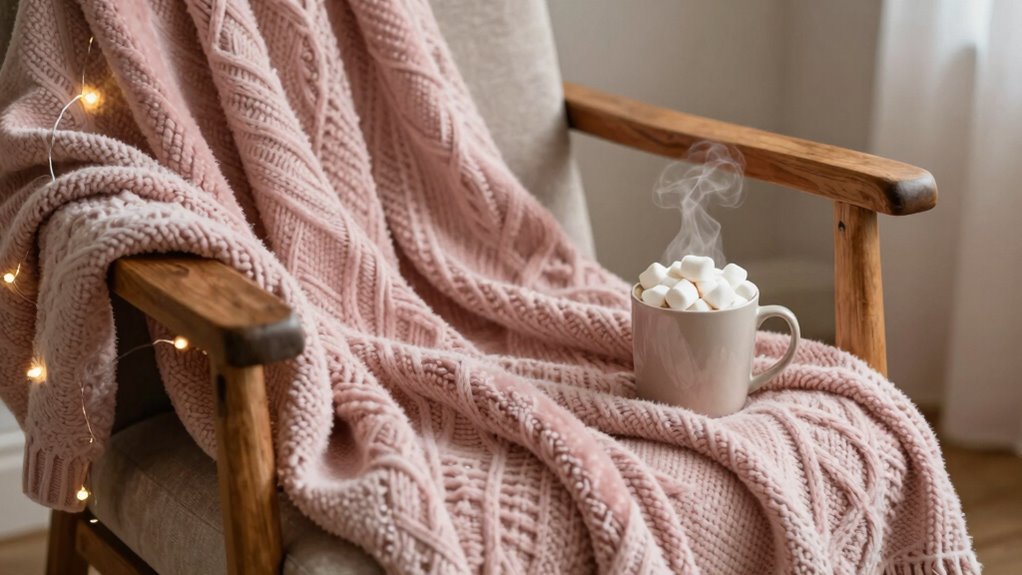
Social media platforms have swiftly turned cozy textures into a widespread trend by showcasing their comfort and style to millions. Their influence on fashion and interior design is undeniable, making soft fabrics like faux fur and plush velvets highly desirable. Trendsetting platforms such as Instagram, TikTok, and Pinterest amplify this movement by highlighting cozy spaces and stylish textures daily.
Here’s how social media influences this shift:
- Viral videos demonstrate how to incorporate plush textures into your home.
- Influencers share cozy styling tips that resonate widely.
- Hashtags like #CozyVibes or #SoftTextures boost visibility.
- User-generated content creates a sense of community around comfort.
This constant stream of inspiration fuels your desire for cozy, inviting environments, making soft textures an essential trend in 2025.
Creating Warm, Inviting Spaces With Plush Fabrics
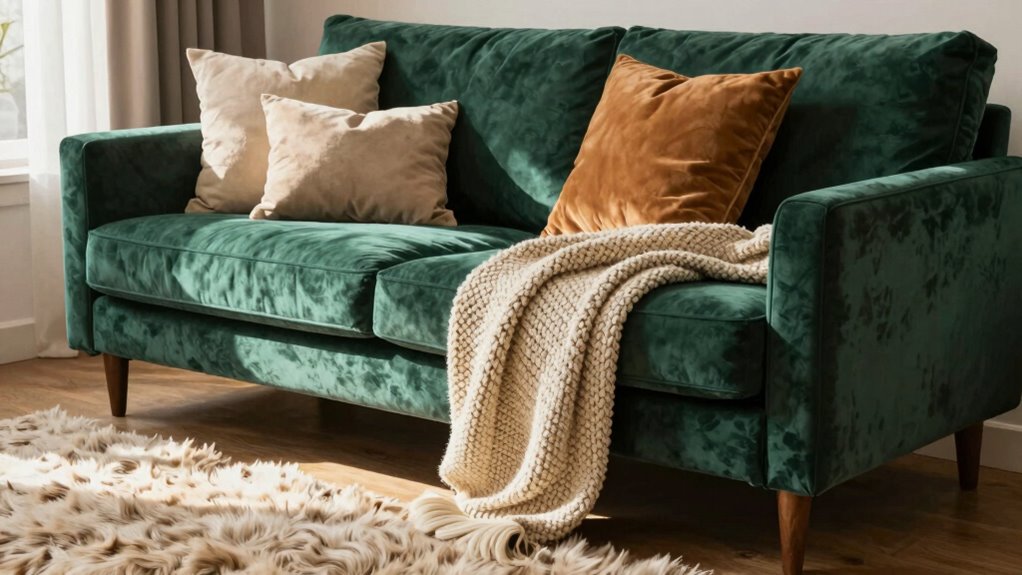
To create a warm, inviting space, start by choosing soft, textured fabrics that invite touch and comfort. Layer different materials to add depth and coziness, making the room feel more inviting. Don’t forget to incorporate plush accessories like throw pillows and blankets to complete the inviting atmosphere. Incorporating minimalist design principles can further enhance the sense of calm and simplicity in your space. Paying attention to texture and layering techniques can make a significant difference in creating a cozy environment. Exploring material variety can help you select the most inviting textiles for your space, while considering temperature treatments like hot and cold therapy options can add an extra layer of comfort and wellness. Understanding shipwreck preservation techniques can also inspire unique texture combinations that add character and history to your decor.
Choosing Soft, Textured Fabrics
Choosing soft, textured fabrics can instantly transform your space into a cozy haven. To create an inviting atmosphere, focus on fabrics that offer luxury softness and tactile appeal. Here are four ways to choose the right materials:
- Opt for plush velvets or chenilles that feel sumptuous to the touch.
- Mix textures like boucle and faux fur for added visual interest.
- Prioritize natural fibers such as wool or cotton for breathability and comfort.
- Look for fabrics with subtle weaves or raised patterns to enhance tactile appeal.
Layering for Coziness
Layering plush fabrics is one of the most effective ways to create a warm, inviting space. Start with seasonal layering by mixing different textures and weights of fabrics, like a chunky knit throw over a velvet sofa. This approach adds depth and comfort, making your space feel cozy year-round. Pay attention to color coordination by selecting hues that complement each other—neutral tones for serenity or bold shades for vibrancy—to unify the layered look. Combining various plush fabrics, such as faux fur pillows with soft velvets, enhances tactile appeal and visual warmth. Don’t be afraid to experiment with patterns and shades, but keep the palette cohesive. Thoughtful layering transforms your space into a relaxed oasis that beckons you to unwind and feel at home.
Incorporating Plush Accessories
Adding plush accessories is a simple yet impactful way to make your space feel warm and inviting. You can instantly elevate comfort with items like luxury bedding that feels soft against your skin or plush pet accessories that keep your furry friends cozy. To enhance your decor, consider these options:
- Layer plush throw pillows on couches and beds for added texture.
- Add a plush rug to create a soft, welcoming surface underfoot.
- Incorporate plush pet accessories to make your pets feel loved and comfortable.
- Use plush blankets or throws to effortlessly add warmth and style.
- Incorporate market trends, such as the rise of tactile textures like plush fabrics, which are increasingly favored in interior design. The growing popularity of tactile textures highlights a shift toward prioritizing sensory comfort in home decor, making plush fabrics a top choice for creating cozy environments. Additionally, the rise of tactile textures like plush fabrics reflects a broader focus on home comfort and personalization in interior styling. As consumers seek out textural variety, plush textiles stand out for their ability to combine visual softness with tactile richness, further driving their popularity.
Why Comfort-Focused Clothing Is on the Rise
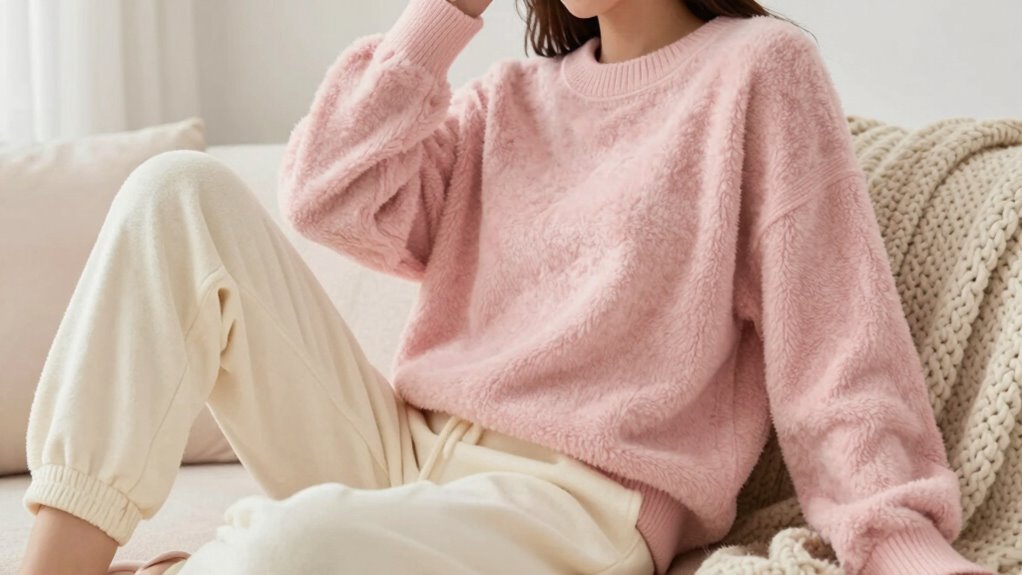
As more people prioritize comfort in their daily lives, clothing that emphasizes ease and relaxation has surged in popularity. You’re drawn to luxury loungewear that offers softness and effortless style, making it perfect for both lounging and casual outings. Comfort-focused clothing satisfies your desire for sensory stimulation, providing cozy fabrics that feel gentle against your skin. This shift reflects a broader move away from restrictive fashion toward pieces that support your well-being and mental ease. You want clothing that adapts to your lifestyle, offering versatility without sacrificing comfort. As a result, brands are designing more relaxed, high-quality garments that meet this demand, blending luxury with practicality. Comfort isn’t just a trend; it’s becoming a fundamental aspect of everyday fashion.
Tech Accessories That Add Cozy Appeal Without Sacrificing Function
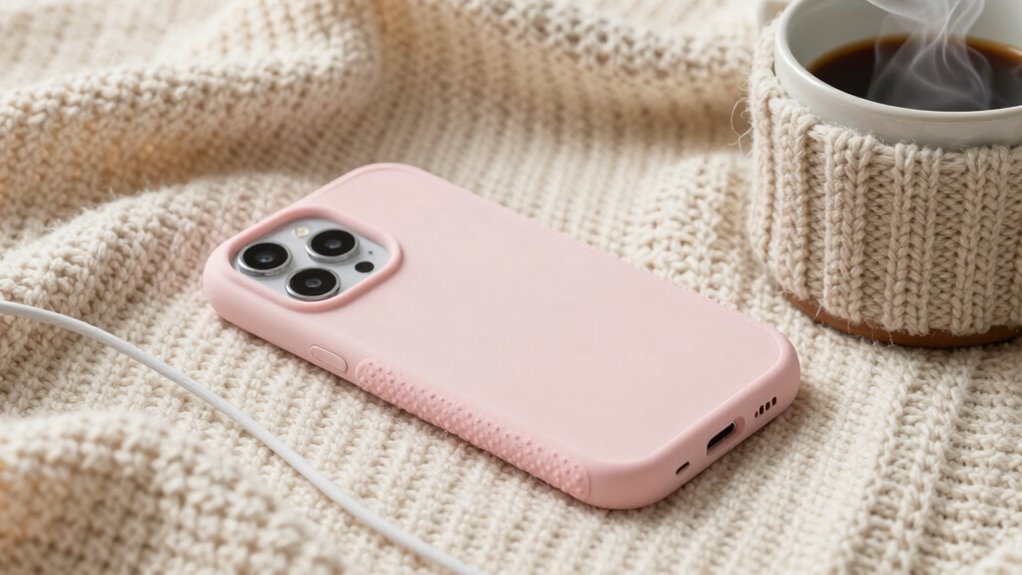
Tech accessories now blend cozy appeal with practical functionality, making them essential for a comfort-focused lifestyle. You can enjoy tech gadgets that feature plush fabrics and ergonomic design, ensuring both style and ease of use. Here are four must-have cozy tech accessories:
- Weighted blankets with built-in pockets for charging devices
- Soft silicone or fabric-covered phone cases for a warm feel
- Ergonomic keyboard and mouse combos with plush cushioning
- Wireless chargers wrapped in velvety textures for effortless charging
These accessories combine soft textures with smart design, so you don’t have to sacrifice comfort for function. They enhance your space’s cozy vibe while keeping your tech needs met, making your daily routine more inviting and efficient.
Comparing Popular Soft Materials: Sherpa, Velour, and More
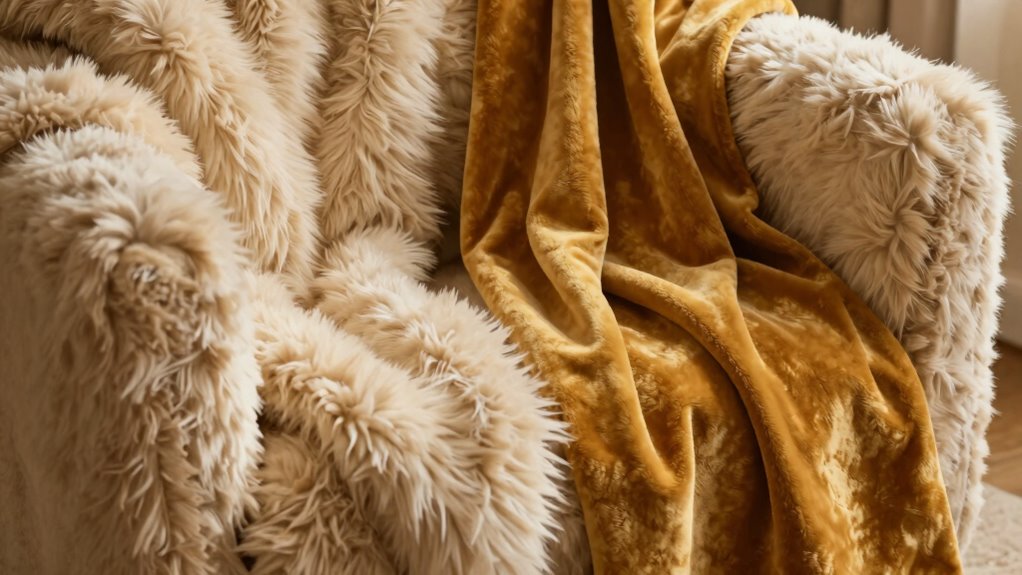
When choosing cozy tech accessories, the softness of the materials plays a big role in how inviting they feel. Sherpa offers plush warmth, made from luxury fibers that mimic shearling, giving a rich, cozy touch. Velour, with its smooth, velvety surface, combines elegance and comfort, often crafted from sustainable textiles that reduce environmental impact. Fleece is lightweight yet insulating, making it popular for everyday use, while minky fabric feels irresistibly soft, perfect for tactile appeal. Comparing these materials, Sherpa and minky excel in plushness, whereas velour provides a sleek, luxurious finish. Using sustainable textiles in these soft materials helps you enjoy comfort without compromising eco-conscious values. Ultimately, your choice depends on whether you prioritize plush warmth, silky smoothness, or a balance of both.
Easy Ways to Incorporate Soft Textures Into Your Daily Life

Adding soft textures to your daily routine is simpler than you might think. Small changes can make a big difference, and DIY hacks are a fun way to do this sustainably. Here are four easy ideas:
- Use DIY hacks like sewing plush covers for your cushions with recycled fabrics.
- Swap out your regular towels for plush, sustainable sources like organic cotton or bamboo.
- Add a cozy throw blanket made from eco-friendly materials to your sofa or bed.
- Incorporate soft rugs crafted from recycled fibers to make your space inviting.
These simple steps help you enjoy soft textures daily while supporting sustainable sources. With a bit of creativity, comfort becomes a natural part of your routine.
Frequently Asked Questions
How Do Soft Textures Influence Consumer Purchasing Decisions in 2025?
Soft textures influence your purchasing decisions in 2025 by offering psychological comfort and heightened sensory appeal. When you feel the plushness of a fabric or the cushioned surface of a product, it creates a sense of safety and relaxation. This tactile experience appeals to your senses, making you more likely to choose items that provide cozy, comforting feelings, ultimately shaping your buying choices toward softer, more inviting options.
Are There Any Environmental Concerns With Popular Plush Materials?
You might wonder if plush materials pose environmental concerns, and they do. Recycling challenges make it tough to repurpose these fabrics, leading to more waste. Chemical usage during production can also threaten ecosystems and human health. To address this, seek out brands that prioritize sustainable sourcing, eco-friendly dyes, and recyclable materials. By doing so, you help reduce environmental impact and support a shift toward more responsible manufacturing practices.
How Do Cultural Differences Impact Soft Texture Preferences Worldwide?
Cultural aesthetics and sensory preferences greatly influence your soft texture choices worldwide. In some cultures, you might prefer plush, velvety fabrics that evoke luxury and comfort, while others favor natural, breathable textures aligned with minimalist ideals. These differences shape your preferences, making soft textures a reflection of cultural values. Understanding these nuances helps you select materials that resonate with your cultural background and sensory experiences.
What Innovations Are Emerging in Sustainable Soft Fabric Production?
Imagine fabrics weaving a greener future, and you’ll see innovations blooming. You’re likely to notice biodegradable fibers that break down gently, leaving no trace, and recycled textiles transforming waste into soft, luxurious materials. These innovations not only soften your world but also protect it, turning sustainability into a cozy embrace. As producers refine these eco-friendly fabrics, you get to enjoy comfort while helping preserve the planet’s delicate balance.
Can Soft Textures Improve Mental Health and Stress Reduction Long-Term?
Soft textures can boost your mental health and reduce stress long-term by enhancing mindfulness practices and sensory therapy. When you surround yourself with cozy fabrics, you naturally become more present and relaxed, helping to lower anxiety. Incorporate these textures into your daily routine, like using soft blankets or clothing, to create a calming environment. Over time, this sensory comfort can strengthen your resilience and promote sustained emotional well-being.
Conclusion
Just like the timeless comfort of a favorite blanket, embracing soft textures in 2025 reminds us that sometimes, true luxury is found in simple warmth. As we surround ourselves with plush fabrics and cozy tech, we nurture our well-being and create spaces that feel like home. Remember, in a world that’s constantly changing, choosing comfort is a quiet act of self-care—your own little sanctuary amidst life’s chaos.