Using salvaged wood and vintage stones is a great way to make your projects more eco-friendly and unique. Reclaimed materials reduce waste, lower carbon emissions, and support sustainable practices. They also carry historical charm and unique textures that new materials can’t match. Whether for flooring, walls, or decorative elements, these materials add character and durability. Stick with us to discover more ways these reclaimed materials can transform your space beautifully and responsibly.
Key Takeaways
- Reclaimed wood and vintage stones reduce environmental impact by decreasing waste and conserving natural resources.
- These materials carry historical significance, adding character and cultural value to projects.
- Their unique textures and patinas enhance aesthetic appeal and authenticity in design.
- They are versatile for applications like flooring, walls, pathways, and furniture.
- Using salvaged materials promotes sustainability and supports eco-friendly construction practices.
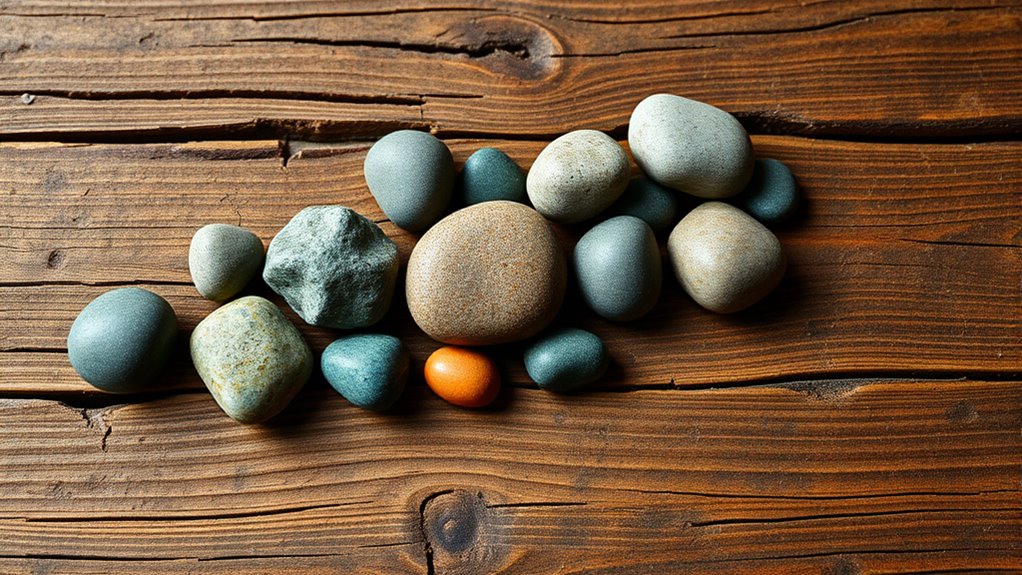
Have you ever considered how reclaiming materials can benefit both the environment and your projects? When you choose to incorporate salvaged wood and vintage stones, you’re embracing sustainable practices that reduce waste and lower your carbon footprint. It’s a smart move that aligns with eco-friendly goals, but it also offers a chance to connect with history through the preservation of unique materials. Reclaimed materials carry stories from the past, making each piece more meaningful and adding character to your project. Instead of relying on new resources, you’re giving old materials a second life, which helps decrease the demand for newly quarried stone or freshly cut timber. This approach promotes a circular economy, where reuse becomes a crucial component of construction and design.
Using salvaged wood isn’t just about environmental benefits; it’s also about appreciating its rich history. Many reclaimed woods come from old barns, factories, or historic buildings, carrying with them a sense of craftsmanship and time gone by. When you select such wood, you’re participating in historic preservation—protecting and maintaining pieces of history that might otherwise be lost. The aged wood often has a distinct texture and patina that new materials can’t replicate, infusing your project with authenticity and charm. Plus, reclaimed wood tends to be more durable because it was seasoned over decades, making it a reliable choice for flooring, beams, or furniture.
Reclaimed wood offers authentic charm, durability, and a connection to history for your projects.
Vintage stones, similarly, bring a sense of permanence and tradition. These stones may have been part of centuries-old structures, and reusing them supports the idea of sustainability while honoring architectural heritage. You can use reclaimed stones for pathways, walls, or decorative accents, giving your project a timeless appeal. By choosing vintage stones, you’re not only reducing waste but also preserving the character and craftsmanship of historic construction. This practice underscores a respect for the environment and the cultural significance embedded in these materials.
Incorporating reclaimed wood and vintage stones demonstrates a commitment to sustainable practices that benefit the planet and honor history. It’s a way to create something beautiful and functional while reducing environmental impact. You’re not just building or renovating; you’re participating in a movement that values resourcefulness and respects the stories embedded in these materials. So, next time you plan a project, consider the power of reclaimed materials—they’re a tangible link to the past and a step toward a more sustainable future.
Frequently Asked Questions
How Do Reclaimed Materials Affect Building Insulation?
Using reclaimed materials can positively impact your building’s insulation benefits by enhancing thermal performance. Salvaged wood, for example, often has natural insulating properties, helping to keep your space warmer in winter and cooler in summer. Vintage stones can also contribute to insulation, especially when used creatively in walls or as decorative elements. Overall, reclaimed materials not only add character but support energy efficiency, making your building more sustainable.
Are Salvaged Wood and Vintage Stones Environmentally Sustainable?
While it might be a gentle stretch to call them perfectly eco-friendly, salvaged wood and vintage stones generally support sustainable building practices. Their eco-friendly sourcing reduces demand for new materials, and preservation techniques ensure these resources are reused effectively. By choosing these materials, you help minimize waste, lower environmental impact, and promote conservation, making your project a thoughtful step toward a more sustainable future.
What Are the Cost Differences Between Reclaimed and New Materials?
You’ll find that reclaimed materials often have higher upfront costs but offer significant cost savings over time due to their material durability. Salvaged wood and vintage stones tend to be more resilient, reducing replacement expenses. While new materials might be cheaper initially, they often require more maintenance and replacements, which can add up. Overall, investing in reclaimed materials can balance initial costs with long-term savings and sustainability benefits.
How Do Reclaimed Materials Impact Property Resale Value?
Imagine holding a piece of history in your hands—reclaimed materials can boost your property’s resale value by symbolizing dedication to historic preservation. These unique elements add aesthetic appeal, making your home stand out to buyers who value character and sustainability. Using salvaged wood and vintage stones not only enhances visual charm but also signals environmental responsibility, creating an emotional connection that can elevate your property’s desirability and market value.
What Safety Precautions Are Necessary When Installing Reclaimed Materials?
When installing reclaimed materials, you need to prioritize safety. Always wear appropriate safety gear like gloves, goggles, and a dust mask to protect against splinters, dust, and debris. Follow proper installation techniques, such as secure fastening and checking for structural integrity, to prevent accidents. Make sure the workspace is well-ventilated and clear of hazards. Taking these precautions helps guarantee a safe and successful installation process.
Conclusion
Choosing reclaimed materials like salvaged wood and vintage stones is like planting seeds for a sustainable future. You’re not just building; you’re nurturing a legacy that breathes new life into old treasures. Every piece you incorporate adds to a tapestry of history, resilience, and beauty. By making mindful choices, you become a steward of the Earth’s stories, turning your project into a living affirmation that the past can beautifully shape the future.