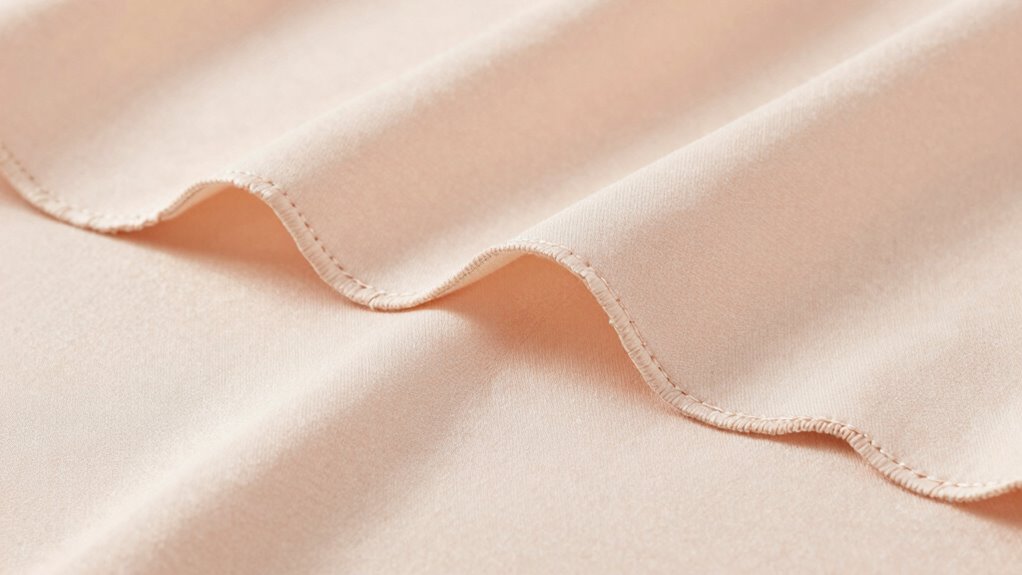

To incorporate scalloped details subtly, opt for small, delicate edges on cushions, curtains, or trim that blend seamlessly with your existing decor. Choose neutral tones and keep patterns minimal to avoid overpowering your space. Balance scalloped accents with clean lines and simple furniture, and focus on proportion to maintain a refined look. If you prefer ways to add charm without overwhelm, discover more ideas to gently integrate these timeless details.
Key Takeaways
- Use small, delicate scalloped edges on cushions, curtains, or trim to add subtle elegance without overpowering the space.
- Pair scalloped accents with neutral colors and minimalistic designs to maintain a sophisticated, understated look.
- Incorporate scalloped details on accessories like table runners or picture frames for gentle, decorative touches.
- Balance scalloped patterns with simple, clean-lined furniture to prevent visual clutter and preserve a harmonious aesthetic.
- Focus on proportional sizing—small scallops on larger items and subtle textures to keep the trend refined and unobtrusive.

Ohocut Scalloped Pillow Cover Pack of 2 Spring Chenille Decorative Throw Pillow Covers Cute Boho Couch Pillow Covers Aesthetic Funky Preppy Pillow Cases for Sofa Living Room (Cream White, 18×18 Inch)
- Material: Thick, durable chenille fabric
As an affiliate, we earn on qualifying purchases.
As an affiliate, we earn on qualifying purchases.
What Are Scalloped Details: And Why Are They So Charming?
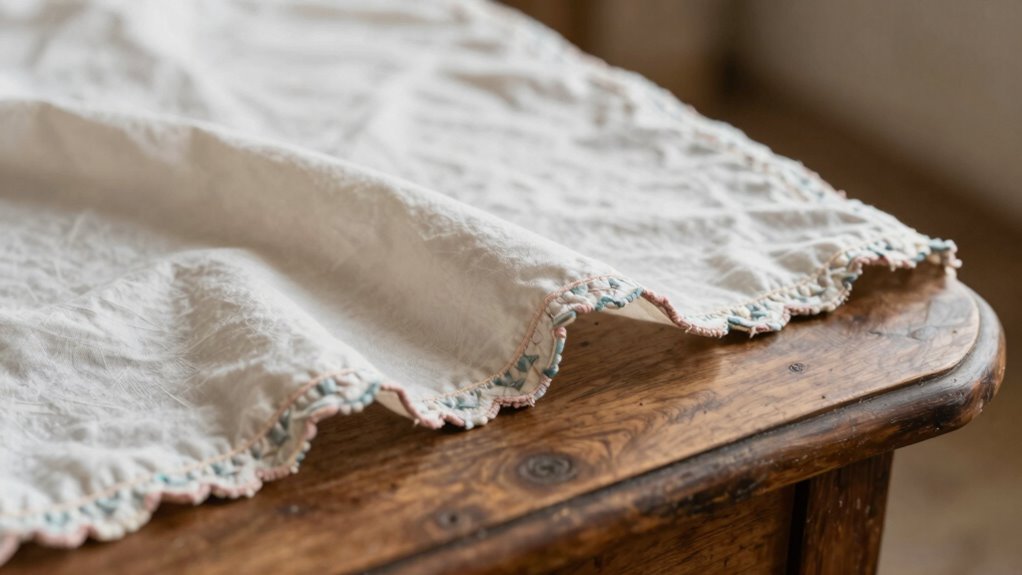
Scalloped details are decorative edges characterized by a series of rounded, semi-circular curves that create a delicate, wave-like pattern. They bring a touch of vintage charm, reminiscent of old-world craftsmanship, while also fitting seamlessly into modern simplicity. These curves soften sharp lines, adding visual interest without overwhelming your space. Whether on furniture, trim, or accessories, scalloped accents evoke a sense of elegance and handcrafted appeal. Their timeless appeal allows you to blend nostalgic character with sleek minimalism, making them versatile for various styles. You don’t need bold designs to make an impact—subtle scalloped details can enhance your decor with understated sophistication. This delicate pattern offers a charming way to introduce texture and personality without cluttering your aesthetic. Incorporating design trends and subtle details like scallops can elevate your decor in a refined way. Understanding vintage craftsmanship helps appreciate the historical roots that make scalloped details so enduring and versatile in modern design. Recognizing decorative patterns can also inspire you to experiment with different ways to incorporate scalloped elements into your space. Exploring decorative motifs can further inspire creative applications of this charming pattern.
How to Choose Subtle Scalloped Accents That Fit Your Style or Space
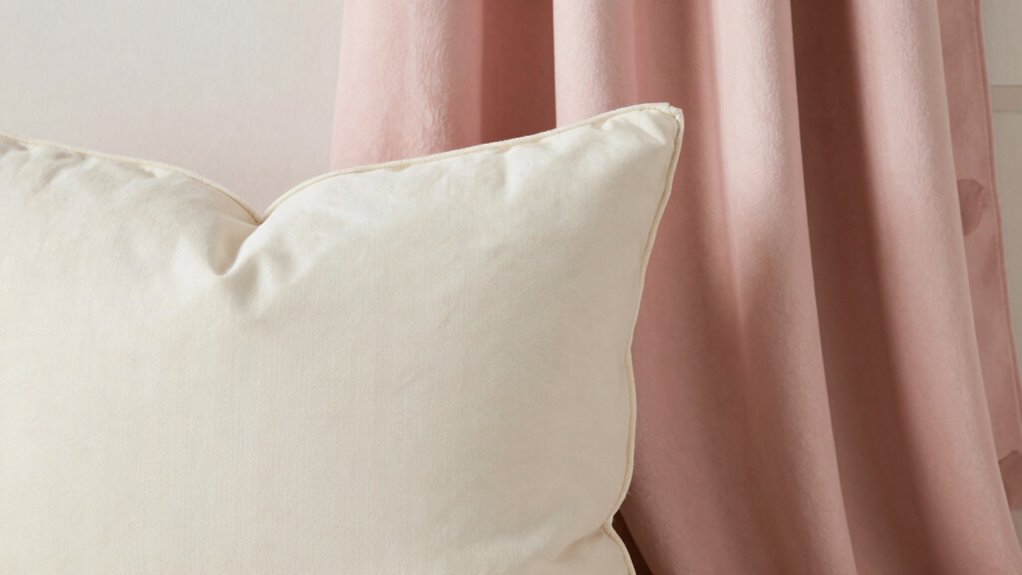
Choosing subtle scalloped accents that complement your style or space starts with understanding your overall decor theme. Think about whether you prefer a classic, modern, or eclectic look, and select accents that align seamlessly. For example, if you love fashion accessories, opt for delicate scalloped edging on cushions or curtains for a refined touch. For architectural features, consider subtle scalloped molding or trim that adds character without overwhelming the room. To keep it cohesive, focus on sizes, colors, and materials that match your existing palette and textures. Incorporating sound vibrations can also inspire a calming atmosphere, subtly influencing your design choices and ambiance. Additionally, exploring different decorative techniques can help you find unique ways to incorporate scalloped details that enhance rather than overpower your space. Understanding how contrast ratios affect visual depth can guide you in selecting elements that balance subtlety with impact.
Easy Ways to Incorporate Scalloped Touches Without Overdoing It

To add scalloped touches without overwhelming your space, choose subtle details that blend seamlessly. Pair these accents with neutral colors to keep the look balanced and sophisticated. This approach helps create a cohesive aesthetic that feels both playful and refined, without overdoing the effect. Incorporating natural light and wellness touches can further enhance the cozy atmosphere, creating a harmonious and inviting environment. Additionally, selecting timeless design elements ensures your decor remains stylish and adaptable over time. Embracing minimalist principles can help maintain clarity and balance, preventing any design from feeling cluttered. Paying attention to design proportions can also enhance the overall harmony of your space, making delicate scalloped details more impactful and functional.
Select Subtle Details
Even when you want to add a touch of scalloped detail, subtlety makes the biggest impact. To do this, focus on small, refined accents rather than bold statements. For furniture styles, choose pieces with delicate scalloped edges on chair backs or tabletops, keeping the look sophisticated. In fabric patterns, opt for subtle scalloped trim on curtains or throw pillows—this adds charm without overwhelming the space. Keep the overall design simple by balancing these details with clean lines and neutral tones. Remember, less is more when it comes to subtle scalloped touches. Incorporating visual cues can help maintain a light, airy feel in your design. Think about integrating small scalloped accents in outdoor furniture or decorative accessories to enhance your space seamlessly. Paying attention to design harmony ensures that these details complement rather than clutter your environment. Additionally, understanding surface finishes helps in selecting materials that highlight these delicate details beautifully. Using the right DIY tools can make creating these subtle touches easier and more precise. Small details make a big difference—so choose them wisely.
Balance With Neutral Colors
Incorporating scalloped details with neutral colors creates a balanced and sophisticated look that feels effortless. Neutral color palettes, like soft beiges, whites, and muted greys, serve as a perfect backdrop for scalloped accents, guaranteeing they stand out without overwhelming your space. This approach aligns with minimalist design principles, emphasizing simplicity and clean lines. When you choose scalloped touches in neutral tones, you create a subtle yet charming focal point that adds texture and visual interest without cluttering your decor. Keep the rest of your space understated, allowing the scalloped details to shine naturally. This method ensures your design remains refined and balanced, making your decor feel both modern and timeless. Incorporating visual hierarchy can further enhance how these details draw attention without overpowering the overall aesthetic. Additionally, understanding design balance helps in maintaining a cohesive and inviting environment, ensuring the scalloped accents complement rather than compete with other elements. Recognizing color harmony can also elevate the overall look by ensuring all tones work seamlessly together.
Tips for Balancing Scalloped Details With Other Design Elements

Balancing scalloped details with other design elements requires careful consideration to prevent the design from feeling overwhelming or cluttered. Focus on pattern pairing to make sure scallops complement rather than compete with other patterns. Keep scale balancing in mind; if your scalloped trim is bold, pair it with simpler, more understated pieces to avoid visual overload. Incorporating visual hierarchy can help emphasize key design elements while maintaining harmony. Additionally, drawing inspiration from golf heritage can provide unique ideas for subtle yet meaningful accents that celebrate tradition without overpowering the overall look. Paying attention to color coordination can further enhance the harmony between scalloped details and surrounding elements. Recognizing design balance principles ensures that each element contributes to a cohesive and elegant overall aesthetic.
DIY Ideas for Adding Subtle Scalloped Decor and Accessories

Adding subtle scalloped details to your decor is a great way to introduce charm without overwhelming your space. You can easily incorporate scalloped fabric into pillow covers, curtains, or table runners for a soft, elegant touch. To create DIY scalloped borders, use fabric scissors or a rotary cutter to cut a gentle arc along the edges of your chosen material. Sew or glue these borders onto items like lampshades, picture frames, or storage boxes for a custom, understated look. These simple projects allow you to experiment with scalloped designs without committing to large-scale changes. The key is to keep the scallops small and delicate, ensuring they add just enough visual interest while maintaining a subtle, sophisticated vibe. Incorporating environmental impact of tissue paper and creative design techniques inspired by AI-driven innovation can help you develop even more unique and personalized decor ideas. Additionally, selecting well-drained soil and full sun conditions for any fabric-based projects ensures they hold up well over time and maintain their aesthetic appeal. Paying attention to wearable medical alert technology can inspire you to incorporate functional yet stylish elements into your decor, blending practicality with elegance.
Common Mistakes to Avoid When Using Scalloped Trends

While scalloped details can beautifully enhance your decor, it’s easy to make mistakes that disrupt their subtle charm. One common error is choosing between trendy vs traditional styles, which can lead to a cluttered look if not balanced well. Avoid going too bold with large, exaggerated scallops that overpower the space; instead, opt for a subtle touch that complements your existing decor. Another mistake is mixing too many styles—pairing bold scalloped patterns with delicate furnishings can feel mismatched. Keep your design cohesive by maintaining a consistent approach. Finally, don’t overlook scale—small scallops can look delicate, while large ones might feel overwhelming. Aim for harmony, balancing trendiness with tradition, and boldness with subtlety for an elegant, timeless effect.
Frequently Asked Questions
Can Scalloped Details Be Used in Minimalist Interior Design?
Yes, you can incorporate scalloped details into minimalist interior design. Try adding scalloped furniture, like a sofa or side table, to introduce subtle charm without overwhelming the space. Focus on minimalist decor integration by choosing pieces with gentle curves and clean lines, ensuring the scalloped elements complement your overall aesthetic. Keep the color palette simple, and you’ll achieve a sophisticated look that adds personality without clutter.
What Color Palettes Complement Scalloped Accents Best?
You’ll find that soft neutrals like beige, taupe, and blush complement scalloped accents beautifully, creating a gentle, cohesive look. For a pop of contrast, consider pairing with muted greens or blues through color pairing and complementary hues, which add depth without overwhelming your space. Stick to subtle shades for a minimalist vibe, and let the scalloped details add a touch of elegance without overpowering your overall design.
Are Scalloped Patterns Suitable for Outdoor Decor?
Yes, scalloped patterns work well for outdoor decor, especially when you consider that 75% of seasonal outdoor decor involves weather-resistant materials. Scalloped details add a charming touch without overwhelming your space. Use weather-resistant fabrics or ceramics with scalloped edges to create a subtle, stylish look. This trend enhances your outdoor areas, making them inviting and unique while withstanding the elements.
How Do I Maintain Scalloped Fabric or Wallpaper Over Time?
To maintain scalloped fabric or wallpaper, you should regularly clean and care for them. For fabric, follow the manufacturer’s fabric care instructions, gently vacuum or spot clean to prevent dust buildup. With wallpaper, avoid excessive moisture, and gently wipe with a damp cloth to remove dirt. Keep an eye on any signs of wear and address them promptly to preserve the scalloped details’ subtle charm and guarantee longevity.
What Are Budget-Friendly Ways to Add Scalloped Touches?
Did you know DIY projects save you up to 65% compared to hiring pros? To add scalloped touches affordably, try using fabric options like scrap or inexpensive cotton for DIY projects such as pillow trims or curtain edges. You can also create scalloped borders with painter’s tape and paint for a chic look. These budget-friendly ideas let you incorporate the trend subtly without breaking the bank.
Conclusion
By choosing subtle scalloped details, balancing them with other design elements, and avoiding overstatement, you create a space that’s charming yet refined. Embrace small touches, experiment with different textures, and trust your style. Whether you add a scalloped trim or a decorative accent, let these delicate details enhance your space without overwhelming it. With mindful choices, you’ll craft a look that’s effortlessly elegant, beautifully balanced, and uniquely yours.