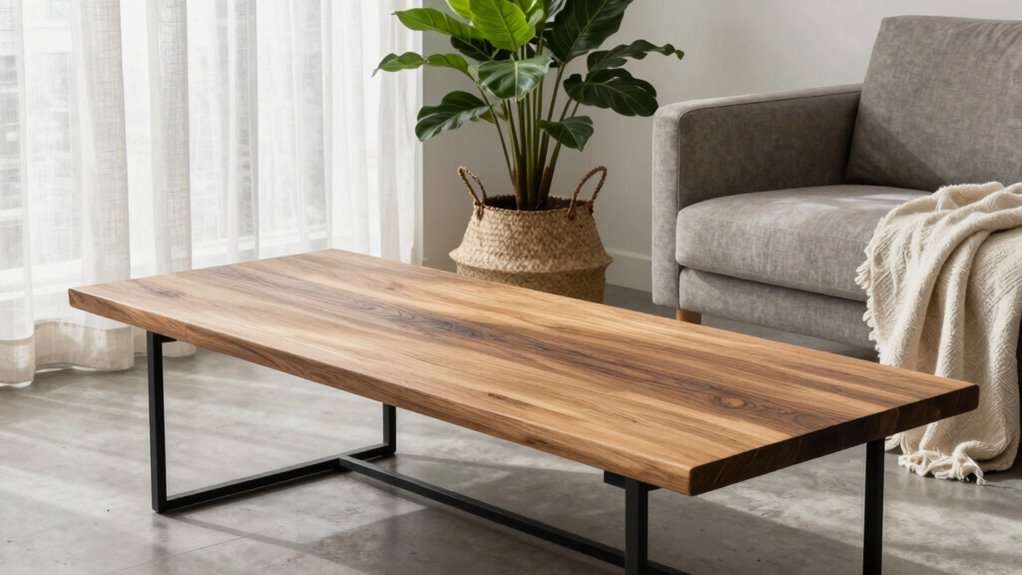

To achieve sustainable decor that doesn’t look ‘crunchy,’ focus on modern materials like biodegradable plastics, recycled glass, and upcycled textiles. Opt for sleek designs using responsibly sourced wood, natural dyes, and eco-friendly fabrics that add texture without sacrificing style. Reclaimed metals and minimalist fixtures can elevate your space while supporting sustainability. If you want to discover more stylish, eco-conscious options, keep exploring how these materials seamlessly blend beauty and eco-friendliness.

Get the little things that make your day delivered free — and shop member deals
- Fast, free delivery on millions of items
- Access to Prime Big Deal Days deals on October 6–7
- Prime Video, Amazon Music and more included
Key Takeaways
- Use sleek, minimalist designs with natural materials like bamboo, cork, or reclaimed wood for a modern look.
- Incorporate biodegradable plastics and recycled metals for stylish, eco-friendly fixtures and accents.
- Choose natural dyes and organic fabrics to achieve rich, chemical-free textures without a “crunchy” appearance.
- Opt for upcycled furniture and vintage pieces that add character while maintaining a polished aesthetic.
- Focus on high-quality, responsibly sourced materials with contemporary finishes to ensure sustainability without sacrificing style.
sustainable modern decor accessories
As an affiliate, we earn on qualifying purchases.
As an affiliate, we earn on qualifying purchases.
Why Eco-Friendly Decor Looks Modern and Chic
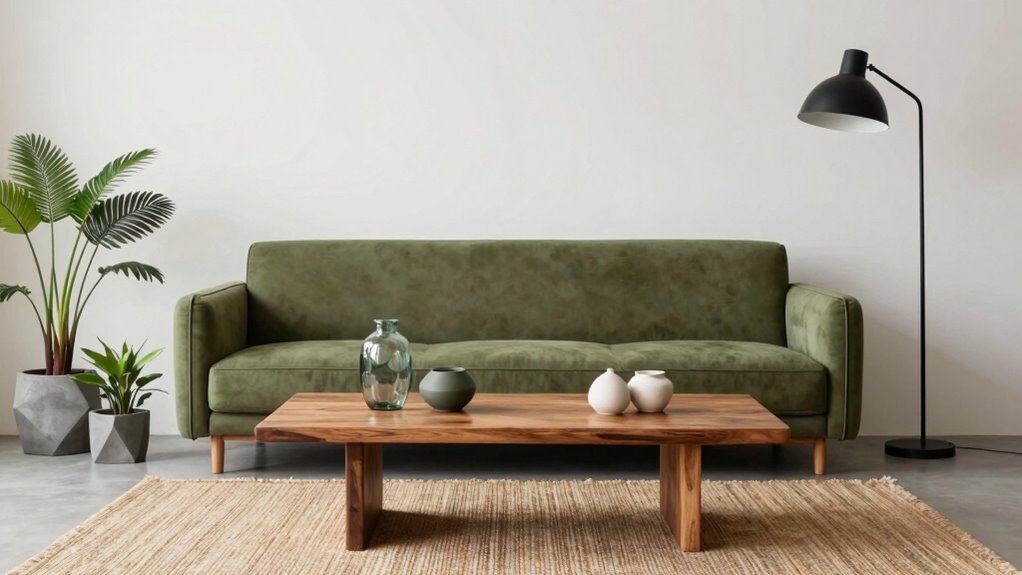
Eco-friendly decor often appears sleek and contemporary because it embraces clean lines, natural materials, and minimalist designs. You’ll notice that many modern spaces incorporate biodegradable plastics, which offer a lightweight, stylish alternative to traditional materials while reducing environmental impact. Recycled metals also play a key role, transforming scrap into elegant fixtures and accents that add a modern touch. These materials lend a polished, sophisticated look that aligns with current design trends, proving that sustainability and style go hand in hand. Using biodegradable plastics and recycled metals isn’t just eco-conscious—it’s a way to achieve a chic aesthetic without sacrificing your commitment to the environment. This approach shows that eco-friendly decor can be both beautiful and functional, fitting seamlessly into any contemporary space. Recyclable materials are increasingly popular because they support sustainable design practices. Additionally, incorporating upcycled elements can further enhance the sustainability of your decor while adding unique visual interest. Incorporating innovative eco-materials can also inspire fresh, modern design ideas that keep your space both stylish and sustainable. Moreover, utilizing biodegradable plastics can help reduce plastic waste and promote a circular economy in your design choices. Embracing sustainable design principles not only benefits the environment but also elevates the overall aesthetic of your home.
How to Choose Sustainable Materials for Your Home
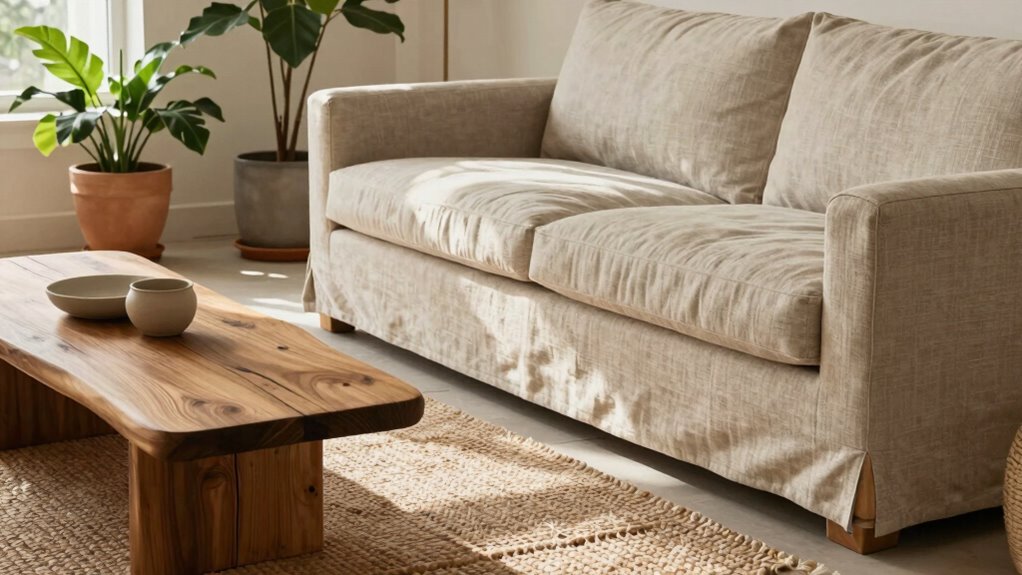
When selecting sustainable materials for your home, it’s important to prioritize products that are responsibly sourced, durable, and low in environmental impact. Consider upcycling furniture to give old pieces new life, reducing waste and avoiding new resource consumption. This eco-friendly approach adds character and uniqueness to your space. Additionally, look for materials made with natural dyes, which are less toxic and more environmentally friendly than synthetic alternatives. Natural dyes also bring rich, organic tones to your decor, enhancing its aesthetic appeal. Focus on durability to ensure your choices stand the test of time, reducing the need for frequent replacements. For example, choosing electric bikes with robust construction can support sustainable commuting habits, further minimizing your carbon footprint. Incorporating Free Floating elements into your design can promote natural airflow and reduce reliance on artificial climate control, supporting a healthier environment. Selecting sustainable building materials that are both eco-friendly and long-lasting can significantly decrease your home’s environmental impact. To maximize sustainability, look for products with low environmental impact certifications, which ensure responsible manufacturing practices. Being mindful of low VOC emissions can also help create a healthier indoor environment by reducing toxic chemical exposure. By combining upcycling furniture and natural dyes, you create a stylish, eco-conscious home that’s both beautiful and sustainable.
Sustainable Materials for Interior Design: Fabrics, Wood, and More
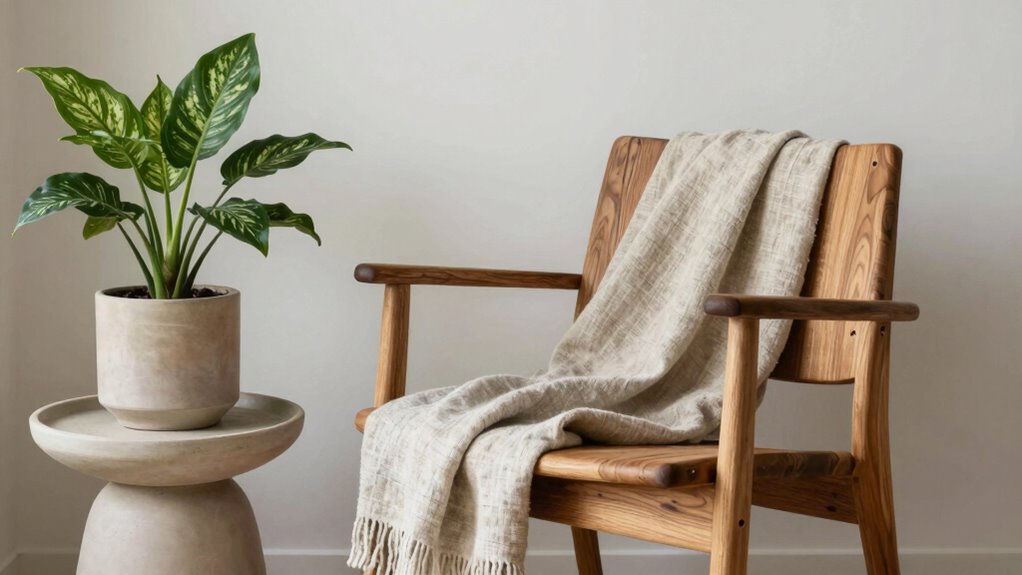
Choosing sustainable materials for your interior design involves selecting fabrics, woods, and other elements that minimize environmental impact while maximizing durability and beauty. Opt for upcycled textiles, which give new life to discarded fabrics, reducing waste and creating unique textures. Reclaimed lumber offers a stylish, eco-friendly alternative to new wood, adding character and history to your space. Incorporate these materials with confidence, knowing you’re making environmentally conscious choices. Here’s a quick comparison:
| Material Type | Benefits |
|---|---|
| Upcycled textiles | Reduces waste, adds unique character |
| Reclaimed lumber | Saves trees, adds rustic charm |
| Organic fabrics | Naturally grown, fewer chemicals |
| Sustainable wood | Certified sources, eco-friendly harvesting |
Innovative Eco-Friendly Materials Transforming Modern Interiors
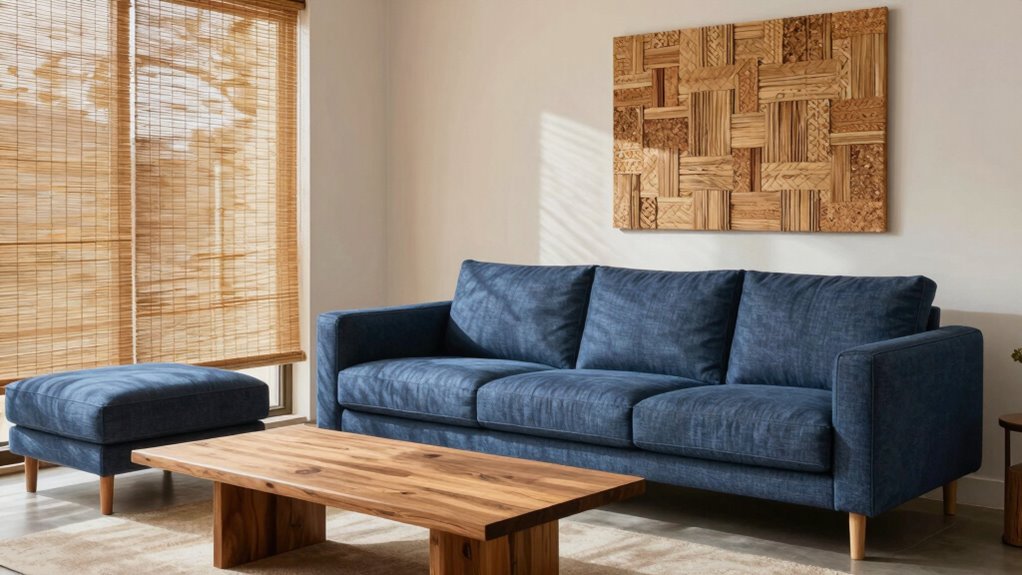
Innovative eco-friendly materials are revolutionizing modern interiors by providing sustainable options that don’t compromise style or functionality. Biodegradable plastics are now used in furniture and decor, offering durable, eco-conscious alternatives to traditional plastics. These materials break down naturally, reducing long-term waste. Recycled glass is another game-changer, transforming old bottles and windows into stunning countertops, tiles, and decorative accents. Its versatility allows you to create vibrant, unique designs while repurposing waste. Additionally, advancements in fabric technology enable textiles to be treated with eco-friendly finishes that enhance durability and stain resistance without harmful chemicals. Smart locks and office gear further contribute to sustainable spaces by improving energy efficiency and security. These materials combine sustainability with sleek aesthetics, proving that eco-friendly choices can be both modern and attractive. By incorporating biodegradable plastics and recycled glass into your space, you’re making a stylish statement that aligns with environmental responsibility without sacrificing elegance or practicality.
Tips for Sourcing Eco-Friendly Decor That Looks Polished
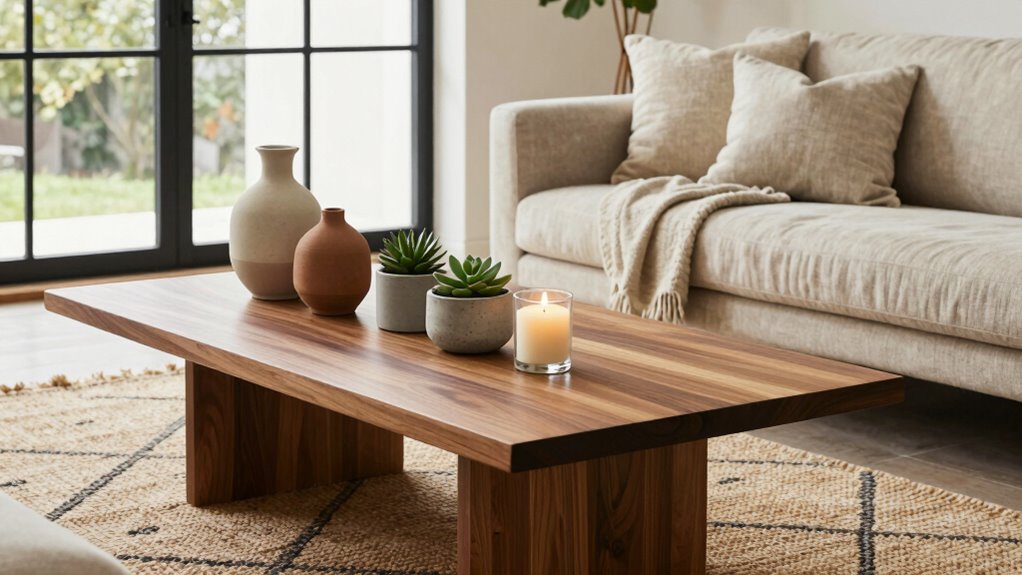
Finding eco-friendly decor that looks polished is easier than you might think with a little guidance. Start by exploring artistic upcycling—repurposing vintage furniture or decor pieces adds character and reduces waste. Look for minimalist sustainability options, such as sleek, simple designs made from sustainable materials, to achieve a clean, sophisticated look. Prioritize brands that emphasize transparency and eco-conscious practices, ensuring your decor aligns with your values. Incorporate natural textures like bamboo, cork, or reclaimed wood for a refined yet eco-friendly aesthetic. Avoid overly “crunchy” styles by opting for curated, minimalist pieces that blend form and function seamlessly. Additionally, understanding sustainable materials can help you make more eco-conscious choices. When selecting decor, consider the future of economies and how evolving markets are influencing sustainable product options. Staying informed about environmental impact can further guide your eco-friendly decor decisions. Being aware of floating on water as a sustainable design trend can also inspire innovative, eco-friendly decor ideas. With thoughtful sourcing, you can create a polished space that’s both stylish and sustainable without sacrificing elegance. Incorporating eco-friendly manufacturing practices can further ensure your decor supports broader environmental goals.
Frequently Asked Questions
How Can I Tell if Decor Is Genuinely Sustainable or Just Labeled Green?
To tell if decor is genuinely sustainable, look for certification labels like FSC or Green Guard, which verify eco-friendly practices. You should also check sourcing transparency—brands that openly share where and how their materials are sourced tend to be more trustworthy. Avoid products with vague claims or no verifiable information. Ultimately, doing a bit of research helps guarantee you’re choosing decor that’s truly sustainable, not just labeled as such.
Are There Affordable Options for High-Quality Eco-Friendly Decor?
Yes, you can find budget-friendly options for luxury eco decor that don’t compromise quality. Look for brands that prioritize sustainable materials and transparent sourcing. Thrift stores and online marketplaces often offer high-quality, eco-friendly pieces at lower prices. Additionally, consider DIY projects with reclaimed or natural materials, which can give your space a luxurious feel without breaking the bank. Staying informed about eco-labels helps guarantee your decor is genuinely sustainable.
Can Sustainable Materials Be as Durable as Conventional Ones?
Yes, sustainable materials can be just as durable as conventional ones. When you compare durability and material longevity, you’ll find many eco-friendly options, like bamboo, recycled metal, and reclaimed wood, stand up well over time. These materials often undergo treatments that enhance their strength, ensuring your decor lasts. So, you don’t have to sacrifice durability for sustainability—many eco-friendly choices offer long-lasting, resilient options that meet your needs.
How Do Eco-Friendly Decor Choices Impact Indoor Air Quality?
Imagine fresh, crisp air replacing stale, chemical-laden fumes in your home. Eco-friendly decor choices improve air quality by reducing chemical emissions from traditional materials. You’ll breathe easier, noticing less irritation and better overall health. These sustainable options lower harmful pollutants, creating a cleaner, healthier environment. By choosing eco-conscious decor, you actively contribute to better indoor air quality, transforming your space into a safe haven free from harmful chemical emissions.
What Are Common Misconceptions About Sustainable Interior Design?
You might think all eco-friendly interior design is expensive or looks “crunchy,” but that’s not true. Many believe sustainable decor relies solely on natural materials, yet eco-friendly certifications guarantee quality without sacrificing style. Be wary of greenwashing tactics, which companies use to appear eco-conscious without real commitment. Recognizing genuine sustainability helps you avoid misconceptions and choose decor that’s both stylish and environmentally responsible.
Conclusion
Choosing sustainable decor doesn’t mean sacrificing style—you can create a chic, modern space that’s eco-friendly. Did you know that the global green building materials market is expected to reach $600 billion by 2025? By selecting innovative, eco-conscious materials, you’ll not only elevate your home’s aesthetic but also contribute to a healthier planet. So go ahead, embrace sustainable design choices that look polished and feel good to be in.
NFL season / tailgating Picks
team gear
As an affiliate, we earn on qualifying purchases.