
Choosing a smart thermostat capable of managing multiple zones can significantly improve your home’s comfort and energy efficiency. In 2026, options like the Amazon Smart Thermostat, ecobee Smart Thermostat Premium, and Google Nest Thermostat stand out for their features and capabilities. Each has its unique strengths and tradeoffs, so I’ll help you understand what makes each suitable for different needs and where they might fall short.
Key Takeaways
- The Amazon Smart Thermostat offers ease of installation and seamless Alexa integration, but requires a C-wire for most setups.
- ecobee’s SmartSensor system adds precise zone control and air quality monitoring, ideal for larger homes with complex HVAC systems.
- Google Nest excels in simple setup and energy savings with learning capabilities, but may need professional help for complicated wiring.
- Cost and compatibility vary; ecobee tends to be pricier but includes more sensors and features, while Amazon and Nest are more budget-friendly.
- All three support voice control and app management, but their regional compatibility and system requirements differ.
| Amazon Smart Thermostat – Save money and energy – Works with Alexa and Ring – C-wire required |  | Best Overall for Ease of Use and Alexa Integration | Size: 3.56 x 3.56 x 0.84 inches | Weight: 3.86 oz | Compatibility: Most 24V HVAC systems | VIEW LATEST PRICE | See Our Full Breakdown |
| ecobee Smart Thermostat Premium with Smart Sensor and Air Quality Monitor |  | Best for Advanced Multi-Zone Control and Air Quality | Size: 4.9 x 4.9 x 1 inches | Display: Vibrant touchscreen | Connectivity: Wi-Fi | VIEW LATEST PRICE | See Our Full Breakdown |
| Google Nest Thermostat – Smart Thermostat for Home – Programmable Wifi Thermostat – Charcoal |  | Best for Simple Setup and Energy Savings | Size: 3.3 x 3.3 x 1.21 inches | Display: LCD, 2 inches | Connectivity: Wi-Fi 2.4/5 GHz | VIEW LATEST PRICE | See Our Full Breakdown |
More Details on Our Top Picks
Amazon Smart Thermostat – Save money and energy – Works with Alexa and Ring – C-wire required
The Amazon Smart Thermostat stands out for its straightforward installation process and tight integration with Alexa, making it a top pick for those already invested in Amazon’s ecosystem. It handles multiple zones by syncing with select Echo devices or Amazon Smart Air Quality Monitors, allowing you to automate temperature adjustments based on presence detection or readings. However, its reliance on a C-wire means some homes might need additional wiring or adapters, which can complicate setup. Compared with ecobee, it lacks the advanced sensor support but compensates with a simpler, more accessible interface. It’s best suited for users who prioritize voice control and a quick setup over extensive sensor support.
Pros:- Easy guided installation via Alexa app
- Strong Alexa voice control support
- Automatic routines based on presence detection
- Rebate and energy savings incentives
Cons:- Requires a C-wire or additional power adapter
- Limited sensor support for zone-specific control
- Wi-Fi only 2.4 GHz connectivity
Best for: Smart home enthusiasts who use Alexa devices and want an easy, budget-friendly multi-zone solution.
Not ideal for: Homes without a C-wire or those seeking sophisticated air quality monitoring and sensor-based zoning.
- Size:3.56 x 3.56 x 0.84 inches
- Weight:3.86 oz
- Compatibility:Most 24V HVAC systems
- Connectivity:Wi-Fi 2.4 GHz
- Power:C-wire required or adapter
- Display:Touch buttons
Bottom line: A practical, user-friendly choice for Alexa users needing basic multi-zone control and automation.
ecobee Smart Thermostat Premium with Smart Sensor and Air Quality Monitor
The ecobee Smart Thermostat Premium makes a compelling case for homeowners needing precise zone management with dedicated sensors. It includes multiple SmartSensors, which can be placed in different rooms to tailor temperature control accurately across multiple zones. Its built-in air quality monitor adds extra value, alerting you to poor indoor air conditions. Compared to Nest, ecobee’s sensor array offers more granular control, making it ideal for larger or more complex homes. The setup is straightforward, especially with the included Power Extender Kit, but the higher price point can be a barrier for budget-conscious buyers. It’s perfect for those who want detailed control and air quality monitoring in a multi-zone setup.
Pros:- Includes multiple SmartSensors for accurate zone control
- Built-in air quality monitoring and alerts
- Supports most HVAC systems with Power Extender Kit
- Seamless app and voice control integration
Cons:- Higher cost than basic thermostats
- Requires some technical setup for optimal sensor placement
- Premium features may require subscription
Best for: Homes needing precise, sensor-based zoning and air quality management.
Not ideal for: Small apartments or users with simple single-zone HVAC systems seeking basic control.
- Size:4.9 x 4.9 x 1 inches
- Display:Vibrant touchscreen
- Connectivity:Wi-Fi
- Compatibility:Most 24VAC HVAC systems
- Sensors:Multiple included SmartSensors
- Air Quality:Built-in monitor
Bottom line: Best suited for homeowners who want detailed zone control paired with air quality insights and flexibility.
Google Nest Thermostat – Smart Thermostat for Home – Programmable Wifi Thermostat – Charcoal
The Google Nest Thermostat offers a sleek, minimalistic design and automatic learning capabilities that adapt to your routines. While it doesn’t come with dedicated sensors like ecobee, it still manages multiple zones through its learning algorithms and integration with Google Home ecosystem. Setup is usually straightforward, often requiring minimal wiring; however, some users with complex systems might need professional installation. Its energy-saving features, including turning itself down when you’re away, are appealing, but the absence of extensive zoning options may limit its effectiveness in larger homes with multiple independent zones. It works best for basic multi-zone control in smaller homes or those prioritizing simple automation and energy efficiency.
Pros:- Easy DIY installation with clear instructions
- Automatic learning and energy saving features
- Supports voice control via Google Assistant
- App control with remote access
Cons:- Limited zone-specific sensors
- Less granular control compared to ecobee
- Requires stable internet for full features
Best for: Homeowners seeking an easy-to-install, energy-efficient thermostat with simple multi-zone management.
Not ideal for: Large, multi-room homes with complex zoning needs requiring dedicated sensors.
- Size:3.3 x 3.3 x 1.21 inches
- Display:LCD, 2 inches
- Connectivity:Wi-Fi 2.4/5 GHz
- Compatibility:Most 24V HVAC systems
- Learning:Automatic routines
- Power:C-wire or power accessory
Bottom line: Ideal for users wanting a straightforward, energy-conscious thermostat with minimal setup fuss.
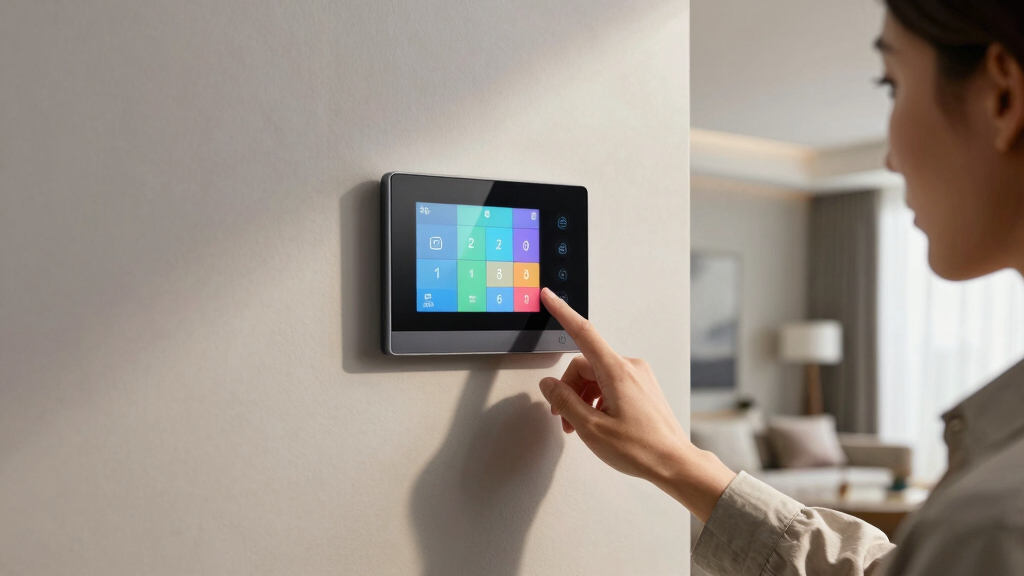
How We Picked
Our selection process focused on smart thermostats that excel at managing multiple zones, considering factors like ease of installation, compatibility with various HVAC systems, sensor support, app usability, and voice control integration. We compared features, user reviews, and potential drawbacks to identify models that deliver reliable zone control without excessive complexity or cost. Our goal was to find options suitable for different home sizes, budgets, and tech ecosystems, ensuring each picks has a clear role in the multi-zone smart thermostat market.
Factors to Consider When Choosing Best Smart Thermostat For Multiple Zones
Finding the best smart thermostat for multiple zones involves understanding your home’s HVAC setup, wiring, and how much control and automation you desire. Key factors include sensor support for precise zoning, compatibility with your existing system, ease of installation, and integration with your preferred smart home ecosystem. Price ranges vary, so balancing features against your budget is essential. The following sections will guide you through these considerations to help you choose the right model for your needs.
Compatibility and Wiring
Before purchasing, verify your HVAC system’s voltage and wiring configuration. Most multi-zone thermostats require a C-wire for consistent power, especially those with multiple sensors or advanced features. Some models, like the Nest, can work without a C-wire but may need additional accessories. Check your system compatibility carefully to avoid installation surprises.
Sensor Support and Zoning
For managing multiple zones effectively, look for thermostats that support multiple sensors. ecobee’s SmartSensor system offers dedicated room sensors, making it ideal for larger homes or spaces with independent heating and cooling needs. Conversely, models like Nest rely more on learning routines, which work well for smaller or less complex homes.
Ease of Installation and App Control
Installation complexity varies; some thermostats are designed for DIY setups, while others might require professional help. App usability is equally important, enabling remote control and scheduling. Devices like the Amazon and Nest offer intuitive apps, but ecobee’s sensor management features add extra steps that might need more setup time.
Energy Efficiency and Additional Features
Energy savings are central to smart thermostats. Look for features like learning algorithms, occupancy sensors, and air quality monitoring. ecobee’s air quality alerts and sensor-based zoning provide more control, while Nest’s adaptive routines focus on optimizing energy use through learning.
Frequently Asked Questions
Can these thermostats manage multiple zones effectively?
Yes, ecobee’s model offers dedicated sensors for each zone, providing precise control over different areas, making it ideal for larger homes. The Amazon Smart Thermostat can work with select Echo devices to automate zones based on presence detection, but it doesn’t support dedicated sensors for individual rooms. Nest’s learning algorithms adapt to your routines but lack dedicated zone sensors, so they are more suitable for smaller or less complex homes.
Do I need a professional to install these thermostats?
Installation difficulty varies. The Amazon Smart Thermostat is designed for DIY installation if your wiring is compatible. The ecobee and Nest thermostats are also DIY-friendly but can be more complex if your HVAC system lacks a C-wire or has multiple zones. In such cases, professional installation can ensure proper setup and optimal performance.
Which thermostat offers the best energy savings?
All three models support energy-saving features, but ecobee’s advanced sensors and air quality monitoring provide the most precise control, potentially leading to greater savings in larger homes. Nest’s learning routines automatically optimize energy use based on occupancy patterns. Amazon’s model offers basic energy savings through routines and rebates but lacks dedicated zone sensors.
Are these thermostats compatible with all HVAC systems?
Most modern 24V HVAC systems are compatible with these thermostats, but it’s essential to check your specific system’s voltage and wiring. ecobee includes a Power Extender Kit for systems without a C-wire, while Nest can work without one in many cases. Amazon’s model requires a C-wire, so verify your wiring before purchasing.
Can I control these thermostats remotely?
Yes, all three models support remote control via their respective apps and voice assistants. Amazon’s thermostat integrates seamlessly with Alexa, ecobee with Alexa and Apple HomeKit, and Nest with Google Assistant. This allows you to adjust temperature settings conveniently from anywhere, as long as you have an internet connection.
Conclusion
If you prioritize simple installation and ecosystem integration, the Amazon Smart Thermostat is a solid choice for Alexa users. For homeowners seeking detailed zone control and air quality management, the ecobee SmartSensor offers best-in-class features. Those looking for an easy, energy-efficient solution with minimal fuss will find the Google Nest Thermostat fits their needs well. Consider your home size, HVAC complexity, and preferred smart home platform when making your decision.