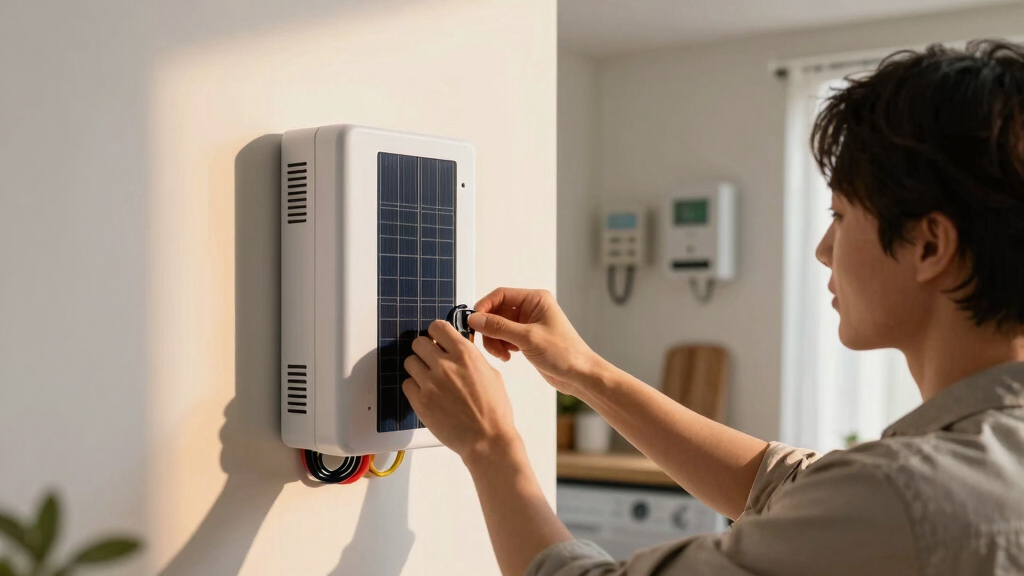

When searching for the best home battery backup system, the goal is to find a reliable solution that keeps your essential appliances running during power outages. The APC BX1500M stands out as the overall top pick for its balance of performance and affordability, while the ECO-WORTHY 48V Power Station offers impressive capacity for larger, whole-home backup needs. The main challenge in this category is balancing capacity, cost, and ease of installation—higher capacity often means higher prices and complexity. Continue reading for a detailed comparison to help you choose the right backup system for your home.

Get the little things that make your day delivered free with Prime
- Fast, free delivery on millions of items
- Prime Video, Amazon Music and more included
- Member-only deals all year
Key Takeaways
- High-capacity units like ECO-WORTHY and Jackery provide extensive backup power suitable for whole-home use, but come at a higher cost.
- Pure sine wave inverters, found in premium models like CyberPower CP1500PFCLCD, ensure safe power delivery for sensitive electronics.
- Size and portability vary widely; compact units are easier to install but may offer limited backup duration.
- Cost is often proportional to capacity and features; budget options like APC BE600M1 are suitable for small essentials.
- Ease of use and installation are critical; some systems require professional setup, while others are plug-and-play.
| APC BX1500M UPS Battery Backup & Surge Protector for Computers and Electronics |  | Best Overall Home Battery Backup System | VA Capacity: 1500VA | Wattage: 900W | Backup Runtime at 100W: 68 minutes | VIEW LATEST PRICE | See Our Full Breakdown |
| CyberPower EC850LCD Ecologic UPS Battery Backup and Surge Protector |  | Best Value for Moderate Home Backup | Number of Outlets: 12 | Outlet types: Six battery backup & surge, six surge protected | Warranty: 3 years including battery | VIEW LATEST PRICE | See Our Full Breakdown |
| CyberPower CP1500AVRLCD3 Intelligent LCD UPS Battery Backup |  | Best for Multiple Critical Devices | Capacity: 1500VA/900W | Outlets: 12 NEMA 5-15R | Input: NEMA 5-15P | VIEW LATEST PRICE | See Our Full Breakdown |
| ECO-WORTHY 48V Home Backup Power Station with 5120Wh LiFePO4 Battery and 5000W Inverter |  | Best for Long-Lasting, High-Capacity Backup | Battery Capacity: 5120Wh | Battery Voltage: 48V | Inverter Power: 5000W | VIEW LATEST PRICE | See Our Full Breakdown |
| CyberPower CP1500PFCLCD PFC Sinewave UPS Battery Backup and Surge Protector |  | Best for Sensitive Electronics and Active PFC Power Supplies | Capacity: 1500VA/1000W | Outlets: 12 NEMA 5-15R | Input Plug: NEMA 5-15P | VIEW LATEST PRICE | See Our Full Breakdown |
| APC BE600M1 UPS Battery Backup & Surge Protector for Computer, Router, NAS |  | Best Compact Backup for Small Electronics | Runtime at 100W load: 23 minutes | Number of outlets: 5 with battery backup, 2 surge-only | USB port: 1.5A | VIEW LATEST PRICE | See Our Full Breakdown |
| GOLDENMATE 1500VA/1000W Lithium UPS Battery Backup & Surge Protector, White |  | Best Long-Lasting, High-Quality Power Backup | Battery Type: LiFePO4 | Capacity: 1500VA/1000W | Outlets: 8 NEMA 5-15P | VIEW LATEST PRICE | See Our Full Breakdown |
| Jackery HomePower 3600 Plus Power Station, 3584Wh, 3600W AC Output |  | Best Portable, High-Capacity Power Station | Capacity: 3584Wh | AC Output: 3600W | Parallel Output: 7200W | VIEW LATEST PRICE | See Our Full Breakdown |
| home battery backup system | Outlets | Capacity |
|---|---|---|
| APC BX1500M UPS Battery Backup | 10 (5 battery backup + 5 surge-only) | — |
| CyberPower EC850LCD Ecologic U | — | — |
| CyberPower CP1500AVRLCD3 Intel | 12 NEMA 5-15R | 1500VA/900W |
| ECO-WORTHY 48V Home Backup Pow | — | — |
| CyberPower CP1500PFCLCD PFC Si | 12 NEMA 5-15R | 1500VA/1000W |
| APC BE600M1 UPS Battery Backup | — | — |
| GOLDENMATE 1500VA/1000W Lithiu | 8 NEMA 5-15P | 1500VA/1000W |
| Jackery HomePower 3600 Plus Po | — | 3584Wh |
More Details on Our Top Picks
APC BX1500M UPS Battery Backup & Surge Protector for Computers and Electronics
The APC BX1500M stands out as the best overall choice for most home users seeking reliable backup power. It offers a solid 1500VA/900W capacity, which is sufficient for computers, networking gear, and small electronics, and surpasses smaller models like the CyberPower CP1500PFCLCD in capacity and stability. Its automatic voltage regulation (AVR) ensures stable power during fluctuations, and the LCD display makes monitoring straightforward. However, it isn’t suited for high-demand appliances like refrigerators, and replacing the battery involves purchasing a separate component. Its waveform may not be ideal for sensitive audio or medical equipment, making it more suitable for general electronics than specialized devices. This unit is perfect for home office setups or media centers that need dependable backup without complex installation.
Pros:- Provides dependable 1500VA/900W backup for critical electronics
- Automatic Voltage Regulation maintains stable power during fluctuations
- Intuitive LCD display shows real-time status and battery info
- Energy Star certified for efficiency
Cons:- Not suitable for high-demand appliances like refrigerators or space heaters
- Battery replacement requires purchasing a separate module
- Output waveform may not be compatible with all sensitive equipment
Best for: Home office users or media setups needing reliable, easy-to-manage backup power for electronics
Not ideal for: Homes with high-demand appliances like refrigerators or space heaters, due to limited wattage and waveform concerns
- VA Capacity:1500VA
- Wattage:900W
- Backup Runtime at 100W:68 minutes
- Outlets:10 (5 battery backup + 5 surge-only)
- Surge Protection Rating:789 joules
- Energy Star Certified:Yes
Our verdict“This model suits users needing a reliable, straightforward backup for essential electronics without demanding high power loads.”
CyberPower EC850LCD Ecologic UPS Battery Backup and Surge Protector
The CyberPower EC850LCD offers a compelling balance of capacity and energy savings, making it ideal for users with a moderate number of devices. With 12 outlets, including ECO-controlled outlets that reduce power consumption, it exceeds the smaller APC BX1500M in outlet quantity and energy efficiency. Its multifunction LCD provides detailed real-time status, which is helpful for managing multiple devices. The 3-year warranty including the battery adds peace of mind. Nonetheless, the limited outlet count may not suit larger setups, and full feature access requires a software download. While it doesn’t offer the same capacity as higher-end models, it delivers enough backup for a typical home office or entertainment system at a more affordable price point, especially with its energy-saving features.
Pros:- Includes ECO mode to reduce energy consumption and costs
- Multifunction LCD panel for detailed real-time status
- 3-year warranty including battery
- Energy-saving outlets
Cons:- Limited to 12 outlets, which may be insufficient for larger setups
- Requires software download for full management features
- Lower capacity than some higher-end models
Best for: Home users with moderate device loads seeking energy efficiency and detailed monitoring
Not ideal for: Large households or setups with many devices, due to its limited outlet number
- Number of Outlets:12
- Outlet types:Six battery backup & surge, six surge protected
- Warranty:3 years including battery
- Power cord length:5 feet
- Connected Equipment Guarantee:$100,000
Our verdict“This UPS makes sense for households prioritizing energy efficiency and detailed device management on a moderate scale.”
CyberPower CP1500AVRLCD3 Intelligent LCD UPS Battery Backup
The CyberPower CP1500AVRLCD3 is designed for users with multiple devices needing reliable backup, such as workstations, networking gear, and entertainment systems. Its 1500VA/900W capacity and 12 outlets—half protected by backup power—offer versatility. The color LCD display provides detailed real-time info, and its automatic voltage regulation stabilizes power during fluctuations. Compared to the APC BX1500M, it offers similar capacity but with additional USB ports and a user-friendly color display. Its simulated sine wave may not be suitable for all sensitive equipment, and replacing the battery can be costly after warranty. This model suits tech-savvy users who want detailed monitoring and robust backup for multiple electronics without complex installation.
Pros:- Reliable 1500VA/900W capacity for multiple devices
- Color LCD display with detailed real-time updates
- Automatic Voltage Regulation enhances power stability
- USB charging ports for added device convenience
Cons:- Limited to NEMA 5-15R outlets, may not fit all setups
- Battery replacement can be costly post-warranty
- Simulated sine wave may not suit sensitive electronics
Best for: Tech enthusiasts or small business owners needing backup for multiple critical devices
Not ideal for: Homes with very high power demands or sensitive audio equipment needing pure sine wave power
- Capacity:1500VA/900W
- Outlets:12 NEMA 5-15R
- Input:NEMA 5-15P
- USB Ports:1 Type-A, 1 Type-C
- Display:Multifunction color LCD
- Warranty:3 years including battery
Our verdict“This UPS is well-suited for users with multiple critical devices who want detailed monitoring and stable power, provided the waveform is compatible with their equipment.”
ECO-WORTHY 48V Home Backup Power Station with 5120Wh LiFePO4 Battery and 5000W Inverter
The ECO-WORTHY 48V Power Station offers a substantial 5120Wh capacity with a 5000W pure sine wave inverter, making it ideal for prolonged outages and high-power needs. Unlike smaller UPS models, its expandable design with Bluetooth and WiFi allows for remote monitoring and system expansion—up to 163.84kWh—useful for whole-home backup or emergency use. Compared to the smaller APC BX1500M, its capacity is orders of magnitude higher, but it involves a complex setup and higher initial investment. This unit is better suited for users comfortable with professional installation and seeking a scalable solution for entire home backup or outdoor use. Its high cost and installation complexity are tradeoffs for its long-lasting power and expandability.
Pros:- Massive 5120Wh capacity provides extended backup duration
- Pure sine wave inverter supports sensitive electronics
- Expandable system supports multiple inverters and batteries
- Smart communication with Bluetooth and WiFi
Cons:- Requires professional installation and separate shipment of components
- Higher initial cost compared to plug-and-play solutions
- Complex setup may be daunting for novices
Best for: Homeowners needing extended backup power or those planning for future expansion of their energy system
Not ideal for: Users seeking a plug-and-play solution or with budget constraints, due to higher cost and setup complexity
- Battery Capacity:5120Wh
- Battery Voltage:48V
- Inverter Power:5000W
- Inverter Type:Pure Sine Wave
- Communication:Bluetooth, WiFi, CAN/RS485
- Expansion Capacity:Up to 163.84kWh
Our verdict“This power station suits power users and homeowners prepared for professional installation seeking scalable long-term backup capabilities.”
CyberPower CP1500PFCLCD PFC Sinewave UPS Battery Backup and Surge Protector
The CyberPower CP1500PFCLCD is designed for users with active PFC power supplies, such as high-end computers and servers. Its 1500VA/1000W capacity with a pure sine wave output ensures compatibility and stable power delivery. The color LCD display provides detailed real-time info, similar to the CyberPower CP1500AVRLCD3, but with a focus on high-quality sine wave power. Its multiple outlets and USB ports make it versatile, and automatic voltage regulation ensures consistent power. The larger size and weight could pose challenges for limited spaces, and replacing the battery after the warranty can be costly. This unit makes the most sense for tech-savvy users who need reliable, clean power for sensitive, high-performance equipment, especially those with PFC modules that can’t handle simulated sine wave inverters.
Pros:- Provides reliable sine wave output suitable for active PFC devices
- Multiple outlets with surge protection and USB charging
- Color LCD for detailed, real-time status updates
- Automatic voltage regulation enhances stability
Cons:- Batteries can be costly to replace after warranty
- Bulky size and weight may limit placement options
- Limited to 5-foot power cord, possibly requiring extension
Best for: Power users with high-performance computers or servers requiring clean, sine wave power
Not ideal for: Casual users with basic electronics, as it may be overkill and larger than necessary
- Capacity:1500VA/1000W
- Outlets:12 NEMA 5-15R
- Input Plug:NEMA 5-15P
- USB Ports:1 Type-A, 1 Type-C
- Display:Color LCD
- Warranty:3 years including battery
Our verdict“This UPS makes sense for users with high-performance, sensitive equipment that demands high-quality sine wave power and detailed monitoring.”
APC BE600M1 UPS Battery Backup & Surge Protector for Computer, Router, NAS
This UPS stands out for its simplicity and affordability, making it ideal for protecting essential devices like computers, routers, and NAS systems during outages. Compared to the GOLDENMATE 1500VA, it offers a smaller capacity but is much easier to set up and maintain, especially with its straightforward battery replacement process. Its limited runtime at higher loads means it’s best for short-term backup rather than prolonged outages, but it effectively shields devices from power surges. The USB port adds convenience for charging phones, which is often overlooked in smaller units. However, with only five outlets and a short runtime at 100W, it may fall short for users with multiple high-power devices or longer outages. If your needs are basic and space is at a premium, this model provides reliable protection without complexity.
Pros:- Provides reliable backup power for essential electronics
- Surge protection shields devices from damaging power surges
- Easy to replace batteries keeps long-term costs low
- Includes USB port for charging phones during outages
Cons:- Limited runtime at higher loads reduces usefulness for extended outages
- Battery replacement requires purchasing separate batteries
- Only 5 outlets may be insufficient for larger setups
Best for: Small households or office setups needing reliable short-term backup for critical electronics
Not ideal for: Users requiring longer backup times or protecting multiple high-power devices simultaneously
- Runtime at 100W load:23 minutes
- Number of outlets:5 with battery backup, 2 surge-only
- USB port:1.5A
Our verdict“This model works best for small-scale, short-duration backup needs where simplicity and affordability matter.”
GOLDENMATE 1500VA/1000W Lithium UPS Battery Backup & Surge Protector, White
The GOLDENMATE 1500VA stands out for its advanced LiFePO4 battery, delivering over a decade of reliable service with more than 3000 charge cycles. Compared with the APC BE600M1, it offers significantly longer backup time and cleaner, pure sine wave power, which is crucial for sensitive electronics. Its multiple outlets, smart LCD display, and USB ports provide versatile device management and real-time monitoring. The quiet cooling system and low noise level make it suitable for office or home environments where noise matters. Nevertheless, its larger size and higher cost may be overkill for those with basic backup needs, and it may not work seamlessly with generator-supplied power without proper verification. This pick is ideal for tech-savvy users seeking durability and stable power for critical equipment.
Pros:- Long-lasting LiFePO4 battery with over 10 years of reliable use
- Pure sine wave output ensures safe power for sensitive devices
- Multiple outlets and USB ports for flexible device connection
- Smart LCD display provides real-time system info
Cons:- May not support generator-supplied power effectively
- Requires outlet voltage verification before use
- Cooling fan activates automatically during heavy battery use
Best for: Tech enthusiasts or professionals requiring a durable, long-term backup solution for sensitive equipment
Not ideal for: Budget-conscious users or those with only occasional power outages needing simple backup
- Battery Type:LiFePO4
- Capacity:1500VA/1000W
- Outlets:8 NEMA 5-15P
- Cooling System:Advanced cooling with quiet fan
- Charge Cycles:3000+
- Operating Time:Over 10 years
Our verdict“This model suits users who prioritize durability, clean power, and long-term reliability for critical electronics.”
Jackery HomePower 3600 Plus Power Station, 3584Wh, 3600W AC Output
The Jackery HomePower 3600 Plus excels in portability and capacity, making it suitable for whole-house backup or outdoor emergencies. With a massive 3584Wh capacity and 3600W AC output, it can power multiple large appliances simultaneously, which sets it apart from smaller UPS options like the APC BE600M1. Its ability to expand via parallel connection and multiple charging options—including solar—adds flexibility for extended outages. The long lifespan of 6,000 cycles and lightweight design make it a practical choice for those who need mobility along with power. However, for very large households or high-power tools, multiple units are needed, increasing overall cost and complexity. Heavier than comparable portable units, it’s best suited for users who need serious capacity without sacrificing mobility.
Pros:- High capacity with expandable options for extended use
- Multiple charging methods including solar, AC, and gas generator
- Long lifespan with high-cycle durability
- Portable and lightweight with luggage-style design
Cons:- Requires multiple units for very large household needs
- Potentially high overall cost with capacity expansion
- Heavy weight despite being lighter than similar models
Best for: Homeowners needing high-capacity, portable backup for large appliances or outdoor use
Not ideal for: Small households or users with limited budget seeking a simple, stationary backup system
- Capacity:3584Wh
- AC Output:3600W
- Parallel Output:7200W
- Voltage:120V & 240V in parallel
- Lifespan:6,000 cycles, 10 years
- Charging Time (AC+DC):2 hours
- Weight:Approximately 29.3% lighter than comparable models
Our verdict“This power station is perfect for users who need portable, high-capacity backup for large appliances or outdoor activities, despite its higher price and weight.”

How We Picked
Products were selected based on a combination of key factors including capacity, inverter type, usability, build quality, and price. Priority was given to systems capable of supporting essential home appliances during outages, with a focus on safety features like pure sine wave inverters. We also considered user-friendliness, installation complexity, and overall value for different budgets. The rankings reflect a balance between performance and practicality, ensuring each pick serves a distinct need—whether for small backup, whole-home power, or portable solutions.Factors to Consider When Choosing Best Home Battery Backup System
Choosing the best home battery backup system involves understanding several critical factors. First, consider the capacity needed to support your essential devices during outages; larger homes typically require higher capacity, but that also means greater cost and space. Next, look at the inverter type—pure sine wave inverters provide cleaner power, ideal for sensitive electronics, while modified sine wave options are cheaper but less reliable. Ease of installation is another vital aspect; some systems are plug-and-play, whereas others demand professional setup. Additionally, evaluate the system’s scalability and compatibility with your existing solar or energy setup if applicable. Finally, budget and long-term maintenance costs should influence your decision, ensuring the system offers good value over its lifespan.Capacity and Power Output
The primary consideration when selecting a home battery backup is the capacity, typically measured in watt-hours (Wh) or kilowatt-hours (kWh). Larger capacity units can support more devices or keep critical appliances running longer during outages. However, higher capacity systems usually come with increased costs and installation complexity. For most homeowners, balancing capacity with budget is essential—consider what appliances are most critical and plan accordingly. Remember, a system with ample surge power is necessary to start high-demand appliances like refrigerators or sump pumps.Inverter Quality and Waveform
The inverter converts stored DC power into usable AC power. Pure sine wave inverters produce smooth, clean power compatible with all electronics and sensitive devices, reducing risk of damage. Modified sine wave inverters are more affordable but may cause noise, higher heat, or reduced lifespan of some electronics. For backup systems that support computers, medical devices, or home automation, investing in pure sine wave technology is often worth the extra cost. This tradeoff is critical for ensuring your devices operate safely and efficiently during outages.Ease of Installation and Use
Some systems are designed for quick, DIY setup, often with plug-and-play features, making them suitable for most homeowners. Others require professional installation, especially larger, whole-home solutions that need integration with your electrical panel. Consider your comfort level with electrical work and whether you prefer a portable power station or a permanently installed system. Ease of use also includes monitoring features—digital displays or app connectivity can help you track capacity, performance, and maintenance needs easily.Scalability and Compatibility
Many modern systems can be expanded by adding extra batteries or integrating with solar panels. If you plan to grow your energy independence, choosing a scalable system makes sense. Compatibility with existing solar setups can also influence your choice, especially if you want to maximize renewable energy use. Check whether the system supports smart home integration or grid-tie configurations, as these features can improve flexibility and convenience over time.Cost and Long-term Value
Prices for home backup systems vary widely, reflecting differences in capacity, features, and build quality. While budget options may suffice for basic needs, investing in higher-capacity or pure sine wave systems can offer better protection for your electronics and longer backup durations. Consider long-term costs such as maintenance, replacement batteries, and potential upgrades. A higher upfront investment can often lead to greater reliability and lower ongoing expenses, especially if you experience frequent outages or want a future-proof setup.Frequently Asked Questions
Can I run my entire house on a home battery backup system?
Running an entire house depends on the capacity and inverter power of your backup system. Most portable or small systems are limited to supporting essential devices like Wi-Fi routers, lights, and small appliances. For whole-home backup, larger, professionally installed systems are needed, typically integrated with your electrical panel and possibly solar energy. These setups can support multiple circuits and appliances, but they come with higher costs and installation requirements. Understanding your power needs and selecting a system that matches those requirements is key to effective backup power.How long can a home battery backup system realistically power my home?
The backup duration depends on the system’s capacity and your load. For example, a 10 kWh system might keep critical devices running for several hours, but if you run high-power appliances, the duration shortens significantly. Smaller units designed for emergency use may last only an hour or two, while larger, whole-home systems can provide power for days if properly sized. Carefully calculate your essential loads and choose a system with enough capacity to meet those needs for your expected outage length.Are portable power stations a good alternative to traditional home backup systems?
Portable power stations like Jackery or ECO-WORTHY are excellent for temporary backup or outdoor use, offering flexibility and ease of setup. However, their capacity is generally limited compared to fixed systems, making them more suitable for essential devices rather than whole-home support. If you experience frequent outages or need a permanent solution, investing in a dedicated home backup system will provide more consistent, long-term reliability. For occasional emergencies or outdoor activities, portable units are a convenient choice.What is the typical lifespan of a home battery backup system?
Most systems have a lifespan of 5 to 15 years, depending on the quality of components and usage patterns. Batteries, especially lithium-based ones, tend to degrade over time and will need replacement eventually. Regular maintenance and proper usage can extend the lifespan, but it’s important to budget for eventual battery replacement. Higher-quality systems with smart monitoring features can help you track battery health and plan for maintenance proactively.Is it worth investing in a home battery backup with solar compatibility?
Yes, integrating solar with your backup system can significantly reduce running costs and increase sustainability. Solar-compatible systems allow you to recharge batteries using renewable energy, decreasing reliance on the grid during outages and normal operation. This setup can also provide long-term savings and energy independence, especially if you have ample sunlight. However, it involves higher initial costs and more complex installation, so assessing your solar potential and long-term goals is essential before investing.Conclusion
The best choice depends on your specific needs and budget. The APC BX1500M offers excellent overall performance for most households, making it ideal for those seeking a reliable, affordable backup. If capacity is a priority, the ECO-WORTHY 48V Power Station provides extensive power for whole-home support, perfect for larger households or critical systems. For beginners or those wanting portability, systems like the Jackery HomePower 3600 Plus deliver ease of use and flexibility. Budget-conscious buyers should consider smaller units like the APC BE600M1, which handle essential devices without breaking the bank. Ultimately, your choice should align with your power needs, future expansion plans, and whether you prefer a portable or integrated solution.