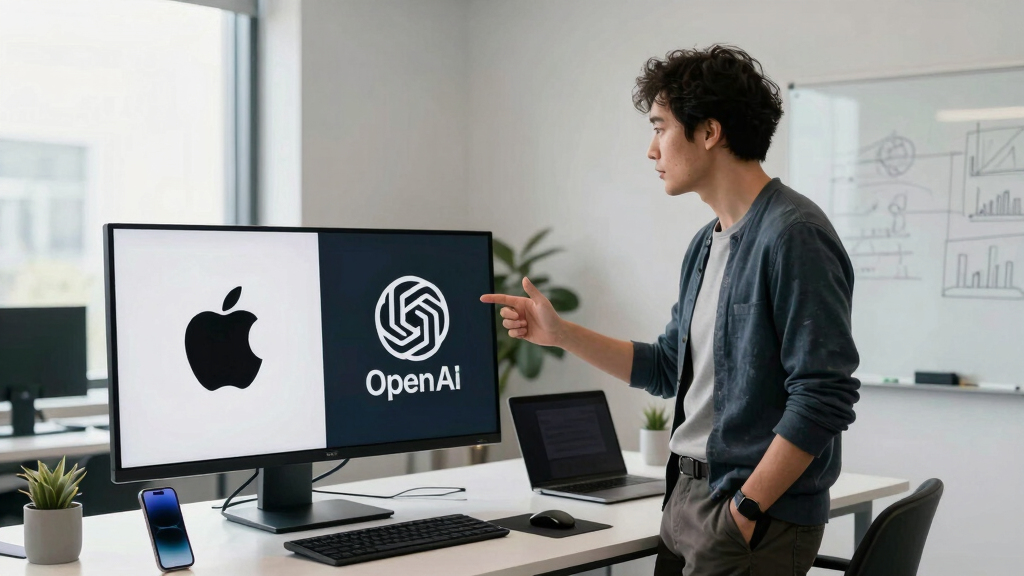

📊 Full opportunity report: Apple And OpenAI Conflict: What It Tells Us About Tech Industry Risks on IdeaNavigator AI — validation score, market gap, and execution plan.

Get the little things that make your day delivered free with Prime
- Fast, free delivery on millions of items
- Prime Video, Amazon Music and more included
- Member-only deals all year
TL;DR
Apple has sued OpenAI, accusing former employees of stealing trade secrets. This legal conflict underscores broader risks in the tech industry related to AI innovation and corporate security.
Apple has filed a lawsuit against OpenAI, accusing former employees of stealing trade secrets related to artificial intelligence development. This legal action highlights ongoing concerns over intellectual property security within the rapidly evolving AI industry and involves two of the sector’s most influential companies. The case underscores the increasing risks companies face as AI technology becomes a key competitive asset.
According to court filings, Apple alleges that ex-employees of the company transferred proprietary AI research and development data to OpenAI before leaving their positions. The lawsuit claims that these individuals misappropriated confidential information, which could give OpenAI an unfair advantage in AI innovation. Apple has sought injunctions and damages, asserting that the theft damages its competitive edge.
OpenAI has not publicly responded to the lawsuit but is reportedly cooperating with authorities. The case is currently in the early stages, with legal proceedings expected to unfold over the coming months. Experts note that this dispute is part of a broader pattern of legal conflicts over AI intellectual property, as companies seek to protect their investments amid a fiercely competitive landscape.
Implications for AI Industry Security and Competition
This lawsuit emphasizes the heightened risks of trade secret theft in the AI sector, where proprietary data can be highly valuable. It raises questions about employee mobility and the adequacy of existing legal protections. The case could set important legal precedents affecting how tech companies safeguard their innovations and manage intellectual property rights in a fast-moving environment.
AI trade secret protection software
As an affiliate, we earn on qualifying purchases.
As an affiliate, we earn on qualifying purchases.
Rising Legal Tensions in AI Development
Over the past few years, major tech firms have become increasingly involved in legal disputes over AI technology and trade secrets. Notably, disputes over proprietary algorithms and data have led to several high-profile lawsuits. The Apple-OpenAI case adds to this trend, illustrating the growing importance of legal frameworks to regulate AI innovation and protect corporate assets. This case also reflects broader industry concerns about employee exits and data security.
“The dispute highlights the vulnerabilities in current employee exit protocols, especially in highly competitive sectors like AI.”
— Industry expert
Unclear Details About the Alleged Theft
It is not yet clear how much proprietary information was transferred or the specific nature of the trade secrets involved. The legal proceedings are ongoing, and details remain under seal or are yet to be disclosed publicly. The full scope of the alleged misconduct and its impact on both companies is still emerging.
Next Steps in the Legal and Industry Response
The lawsuit is expected to proceed through preliminary hearings over the next few months. Both companies may file additional motions or disclosures. Industry observers anticipate that this case could influence future legal strategies regarding employee confidentiality agreements and corporate data security policies. Additionally, other companies may review and strengthen their internal safeguards against similar risks.
Key Questions
What are trade secrets in the context of AI development?
Trade secrets refer to confidential business information, such as algorithms, data sets, or proprietary processes, that provide a competitive advantage and are protected by legal agreements.
Could this lawsuit affect the AI industry as a whole?
Yes, it could set legal precedents that influence how companies protect their intellectual property and manage employee exits, potentially leading to stricter security measures across the sector.
Has OpenAI responded publicly to the lawsuit?
No, OpenAI has not issued a public statement regarding the case as of now.
What might be the broader industry implications of this dispute?
The case highlights the need for stronger legal and security frameworks to prevent data theft and protect proprietary AI research amid intense competition.
When will the legal proceedings conclude?
The timeline is uncertain; proceedings are expected to unfold over the coming months with potential for extended litigation depending on case developments.
Source: IdeaNavigator AI
Fall Picks
fall essentials
As an affiliate, we earn on qualifying purchases.