To stop overpaying on Amazon, set up a reliable price-tracking system that alerts you to genuine price drops, not temporary sales. Choose tools with accurate historical data, customize alerts for your favorite products, and monitor price trends over time. Avoid false alarms by comparing data across sellers and focusing on authentic long-term declines. Mastering these steps helps you catch real deals—discover how to optimize your setup for smarter shopping.
Key Takeaways
- Choose reliable tools like Keepa or CamelCamelCamel that provide accurate price history and real-time alerts.
- Set specific target prices for each product and customize alert thresholds to avoid false positives.
- Monitor long-term price trends to identify genuine discounts rather than short-term spikes.
- Regularly update your tracked items and adjust alert settings based on seasonal sales and market fluctuations.
- Compare historical data across sellers to ensure price drops are authentic and worth purchasing.
Why Monitoring Amazon Prices Saves You Money
Monitoring Amazon prices regularly helps you spot the best deals before they disappear. Understanding price psychology and consumer behavior plays a key role in saving money. When you track prices consistently, you become aware of typical fluctuations and can recognize genuine discounts from temporary price hikes. This price awareness enables you to act swiftly when a true deal appears. Recognizing price patterns also helps you avoid overpaying during high-demand periods. This awareness prevents impulse buys and helps you avoid overpaying, especially during high-demand periods. By observing patterns, you gain insight into how prices change based on factors like sales, demand, or seller strategies. This price tracking enhances your ability to time your purchases effectively. For instance, understanding how contrast ratio and other image quality factors vary with pricing can help you decide when to invest in higher-end equipment at a better value. Additionally, leveraging consumer behavior insights can further refine your purchasing timing and negotiation strategies. This knowledge empowers you to make informed purchasing decisions, ensuring you buy at the right moment. Ultimately, staying vigilant with price tracking leverages your understanding of consumer behavior, leading to smarter spending and significant savings on Amazon.
How Amazon Price Fluctuations Work and When to Watch for Price Drops
Understanding how Amazon prices fluctuate is key to timing your purchases effectively. Price volatility means prices can change frequently due to supply, demand, or promotional periods. Seasonal trends profoundly impact pricing; for example, prices often drop during major holidays or end-of-season sales. Recognizing that Amazon adjusts prices in response to market shifts and consumer behavior, so staying alert helps you catch discounts. Being familiar with market fluctuations can give you an edge in knowing when to buy. Additionally, dynamic pricing strategies employed by Amazon can cause prices to change rapidly, emphasizing the need for continuous monitoring. Amazon’s use of algorithmic pricing makes it even more important to stay vigilant, as prices can shift unexpectedly based on various factors. Monitoring price trends over time can help you identify patterns and better anticipate drops, saving you money. Knowing when to watch for price drops involves tracking these seasonal patterns and being aware of temporary fluctuations. Typically, prices tend to dip during specific times like Black Friday, Prime Day, or back-to-school seasons. Additionally, Free Floating pricing strategies can cause prices to fluctuate unexpectedly, making continuous monitoring even more important. By understanding these patterns, you can better anticipate when prices will fall and avoid overpaying on items you want.
Setting Up an Amazon Price-Tracking System (Step-by-Step)
To set up your Amazon price-tracking system, start by choosing reliable tracking tools that fit your needs. Next, set clear price alerts to notify you when prices drop to your target levels. Additionally, incorporating tracking technology that track electric dirt bike pricing can help you identify the best deals on popular models. Utilizing local automation features can further streamline your monitoring process and ensure you don’t miss out on significant discounts.
Choose Tracking Tools
Choosing the right tracking tools is essential for setting up an effective Amazon price-tracking system. You need reliable tracking software that updates prices frequently and provides accurate data. Look for tools that allow alert customization, so you can tailor notifications based on your preferred price drops. Consider these features:
- Compatibility with your device and browser
- Customizable alerts for specific price thresholds
- User-friendly interface for quick setup and adjustments
- Accurate data collection ensures you can make well-informed purchasing decisions and avoid overpaying. Additionally, selecting tools with seamless integration can enhance your user experience and streamline tracking processes, especially when you want to incorporate real-time updates for maximum efficiency. Incorporating automated alerts can help you stay ahead of price changes without constant monitoring. To maximize effectiveness, choosing tools with customizable alert settings allows you to receive notifications tailored precisely to your desired savings targets.
Set Price Alerts
Setting up price alerts is a crucial step in your Amazon tracking system because it guarantees you’re notified as soon as prices drop to your desired level. By doing so, you avoid missing genuine discounts, especially when considering product reviews and shipping costs that affect overall value. Use tools like CamelCamelCamel or Keepa to set alerts at your target price. When configuring alerts, consider factors like whether the deal includes free shipping or if shipping costs are high, which can impact your savings. Additionally, monitoring price history helps you determine if a drop is truly a deal or just a temporary fluctuation. Keeping an eye on price fluctuations can provide further insight into the best times to buy. Here’s a quick overview:
| Tip | Explanation |
|---|---|
| Set realistic targets | Base your alert on current price trends and reviews |
| Include shipping costs | Ensure the total price matches your budget |
| Track product reviews | Confirm quality before purchase |
Monitor Regularly
Regular monitoring is essential to stay ahead of price fluctuations and guarantee you don’t miss out on the best deals. Consistently checking your tracked items ensures you catch drops at the right moment. To optimize your price tracking, decide on a monitoring frequency that suits your buying habits—whether daily, weekly, or bi-weekly. This helps you stay informed without becoming overwhelmed. Consider these key strategies:
- Use automated tools for real-time updates
- Adjust monitoring frequency based on deal volatility
- Keep a record of historical price trends to identify genuine drops
Monitoring frequency is particularly important to adapt your tracking to seasonal or market changes. Incorporating privacy preferences into your awareness can also remind you to stay vigilant about safe shopping practices, especially during sales events. Additionally, leveraging technological tools like price-tracking apps can significantly enhance your ability to respond quickly to price drops. Staying aware of market trends can help you anticipate when prices might drop, giving you an extra edge in securing the best deals.
Choosing the Best Tools and Apps for Amazon Price Alerts

Finding the right tools and apps for Amazon price alerts can considerably boost your ability to snag deals before they disappear. Look for options that provide accurate notifications, analyze product reviews, and factor in shipping costs. Reliable apps like Keepa, CamelCamelCamel, and Honey offer features such as price history tracking and alert customization. To help you compare, here’s a quick overview:
| Tool/App | Key Features |
|---|---|
| Keepa | Price history charts, browser extension |
| CamelCamelCamel | Price drop alerts, detailed product data |
| Honey | Automatic coupon application, price alerts |
Choosing the right app guarantees you get timely updates on genuine drops, saving you money and avoiding false alarms. Additionally, understanding market fluctuations can help you better interpret price trends and maximize savings. Being aware of price patterns enables smarter purchasing decisions and prevents overpaying during temporary price spikes. Developing an understanding of pricing trends can further refine your ability to identify the best moments to buy.
How to Use Price History Data to Find the Best Deals
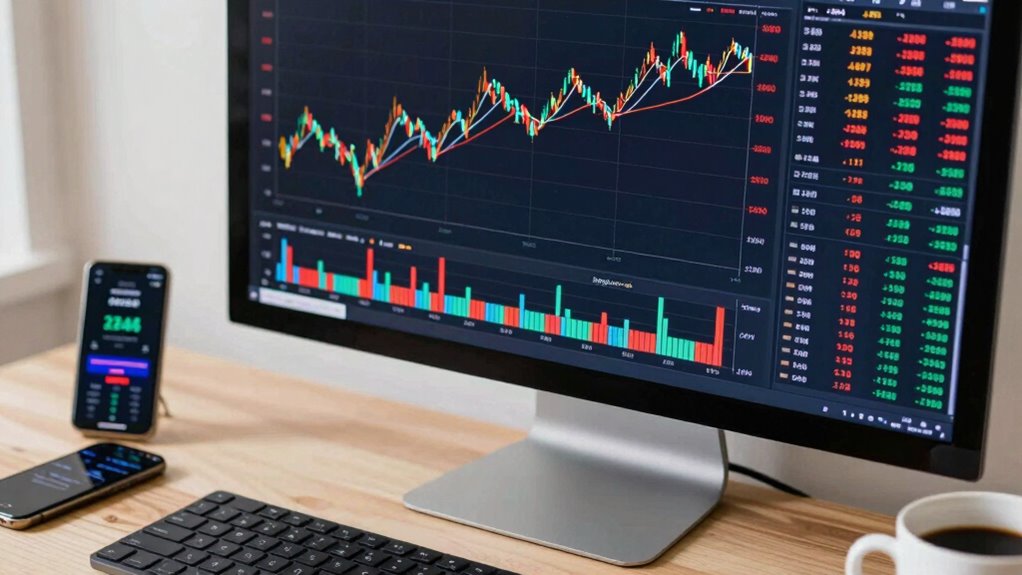
By examining price history data, you can identify patterns and pinpoint the best times to buy. Analyzing the price trend over time reveals when prices typically drop or rise, helping you avoid overpaying. Using historical data, you can recognize seasonal fluctuations and recurring discounts, making your purchasing smarter.
To leverage this data effectively, consider:
- Tracking long-term price trends to spot consistent drops
- Comparing historical data across different sellers for the same product
- Noting the timing of past price dips to predict future deals
This approach allows you to buy when prices are genuinely low, rather than during short-lived sales. By understanding the historical data, you make informed decisions that maximize savings and prevent unnecessary expenses.
Spotting Genuine Price Drops vs. Temporary Sales on Amazon
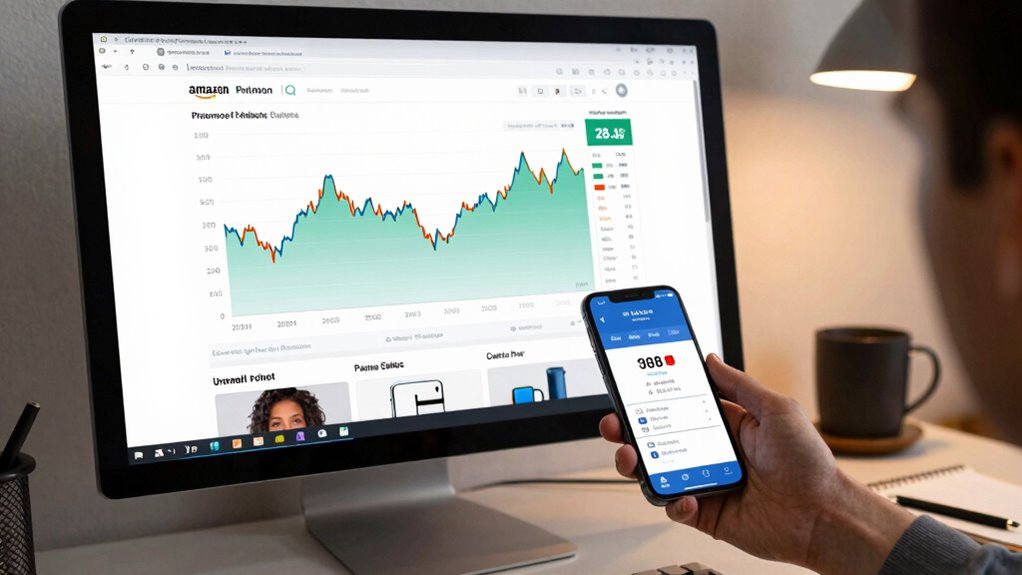
Understanding whether a price drop on Amazon is genuine or just a fleeting deal is essential for making smart purchases. Temporary sales often trigger pricing psychology tactics, encouraging quick buys, but they don’t always mean you’re getting the best deal. To spot real price drops, look for consistent downward trends over time, not just one-day discounts. Check historical data, and compare prices across different sellers.
| Price Trend | Sale Duration | Seller Reputation |
|---|---|---|
| Steady decline | Weeks or months | Trusted or Amazon itself |
| Short spikes | Days or hours | Unknown or third-party |
| Consistent drops | Long-term | Reliable |
Customer loyalty is built on honest deals, so avoid falling for fleeting sales. Focus on true drops to maximize savings.
Customizing Alerts and Notifications for Your Favorite Products
To stay ahead of price changes on your favorite products, customizing alerts and notifications is essential. Personalized notifications guarantee you’re instantly informed when prices drop to your target range, saving you time and money. By setting up customized alerts, you avoid unnecessary noise from irrelevant deals and focus only on what matters. Consider these strategies:
Customize alerts to stay informed and save time on the best Amazon deals.
- Define specific price thresholds for each product to receive precise alerts.
- Choose notification methods that suit your preferences, like email or app alerts.
- Regularly update your favorite products and price targets to stay current.
This tailored approach maximizes your chances of catching real Amazon drops, helping you avoid overpaying and ensuring you get the best deals at the right time. Customized alerts keep you in control, making price tracking more effective.
Common Mistakes to Avoid When Tracking Amazon Prices

While customizing alerts helps you stay on top of price drops, overlooking common mistakes can undermine your efforts. One mistake is ignoring pricing psychology; prices often seem lower due to psychological pricing tricks, so don’t rely solely on the numbers. Instead, compare prices over time to confirm a real drop. Another mistake is disregarding customer reviews, which provide insight into product quality and whether a deal is worth it. Relying only on price alerts without evaluating reviews can lead to overpaying for subpar items. Also, set unrealistic expectations—waiting for the lowest possible price isn’t always practical. Be patient and consistent, and always verify the authenticity of deals. Avoid these pitfalls to ensure your price tracking saves you money and helps you make smarter purchases.
Combining Price Tracking With Other Shopping Strategies

To get the best deals, you should combine price tracking with other shopping strategies like comparing prices across different sellers and timing your purchases for sales events. Using coupons and deals alongside price alerts can maximize savings and guarantee you don’t miss out. Integrating these tactics helps you make smarter, more informed buying decisions.
Price Comparison Tactics
Combining price tracking with other shopping strategies can substantially boost your chances of scoring the best deals on Amazon. To maximize savings, compare prices across multiple sellers and marketplaces, ensuring you’re not missing hidden discounts. Use discount psychology by recognizing how prices ending in .99 or special offers influence your perception of value. Always factor in shipping costs, as a lower item price might be offset by high shipping fees, negating the deal’s attractiveness. Consider these tactics:
- Cross-check prices on third-party sites or apps
- Evaluate shipping costs alongside item prices
- Look for bundle deals or retailer-specific promos
This multi-layered approach helps you make smarter purchasing decisions, avoiding overpaying and snagging genuine Amazon drops.
Timing Your Purchases
Timing your purchases plays a key role in maximizing savings when using price tracking tools on Amazon. By understanding seasonal discounts, you can plan to buy during events like Black Friday or Prime Day, when prices often drop considerably. Combining this with price anchoring—comparing current prices to historical lows—helps you identify genuine deals, preventing overpayment. Keep an eye on seasonal trends to anticipate discounts and avoid rushing purchases at full price. Waiting for these ideal moments ensures you capitalize on drops that align with your price tracking insights. This strategic approach reduces impulse buys and guarantees you get the best value, especially when you’re aware of seasonal discounts and how they influence pricing cycles. Timing your purchases effectively is essential for smarter shopping.
Coupon and Deal Integration
Wondering how to maximize your savings on Amazon? Integrating coupons and deals with your price-tracking tools boosts your shopping strategy. Look out for opportunities like product bundling, where buying items together often yields discounts. Keep an eye on seasonal discounts, which can drastically lower prices during specific times of the year. To enhance your savings, consider these tactics:
- Use coupon codes alongside price alerts to stack discounts.
- Combine deals on related products for even greater savings.
- Watch for seasonal sales that align with your tracked price drops.
Maintaining Your Price-Tracking System for Long-Term Savings

To guarantee your price-tracking system continues to save you money over the long term, you need to stay proactive in maintaining and updating it regularly. Keep an eye on subscription services that offer tools or alerts, ensuring they remain accurate and relevant. Update your tracking parameters whenever Amazon introduces seasonal discounts or changes pricing strategies. Review your monitored products periodically to avoid outdated alerts or false positives. Adjust your thresholds if market trends shift, especially during major sales events like Prime Day or Black Friday. Consistently refine your system to adapt to Amazon’s pricing patterns, and stay informed about new features or updates in your tracking tools. This ongoing maintenance ensures you catch the best deals and maximize your long-term savings.
Frequently Asked Questions
How Often Should I Check My Amazon Price Alerts for Optimal Savings?
You should check your Amazon price alerts daily or every couple of days to stay ahead of price fluctuations. This alert frequency helps you catch genuine drops without missing out. Monitoring regularly guarantees you act quickly when prices dip, maximizing savings. If you notice stable prices over time, you can reduce how often you check. Staying attentive to price fluctuations keeps you from overpaying and secures the best deals.
Can Price Tracking Tools Predict Future Amazon Price Drops Accurately?
Price tracking tools can’t predict future Amazon price drops with complete accuracy because of unpredictable price fluctuations. They monitor historical data and current trends to give you a good idea, but tracking accuracy varies, and sudden sales or promotions can still surprise you. To maximize savings, regularly check these tools, stay alert for sudden price changes, and act quickly when you see a good deal.
Are There Any Risks Associated With Using Third-Party Price-Tracking Apps?
Yes, using third-party price-tracking apps can pose risks. You might jeopardize your data privacy if the app collects personal information or browsing habits. Additionally, poor app security could expose your device to malware or hacking. Always choose reputable apps with strong security measures, read reviews, and be cautious about granting unnecessary permissions. Protecting your data and device ensures you enjoy the benefits without unnecessary risks.
How Do Amazon’s Dynamic Pricing Strategies Affect Price Tracking Accuracy?
A penny saved is a penny earned, so understanding Amazon’s dynamic pricing strategies is key. These strategies cause frequent price fluctuations, making it tricky for your price tracking tools to stay accurate. Amazon often adjusts prices for competitive pricing reasons, which can lead to sudden drops or hikes. To stay ahead, regularly update your tracking setup and consider external factors influencing pricing for the most reliable results.
What Are Best Practices for Managing Multiple Tracked Products Efficiently?
To manage multiple tracked products efficiently, start with clear product categorization to organize items by type or priority. Use notification customization to set alerts for significant price drops, avoiding unnecessary updates. Regularly review your categories and notifications to stay aligned with your shopping goals. This approach simplifies tracking, guarantees you catch genuine price drops, and saves you time by focusing only on relevant deals.
Conclusion
So, while you’re busy catching those elusive Amazon price drops, remember it’s all about patience and the right tools. Ironically, the more you obsess over every tiny fluctuation, the more you save—yet it’s easy to get lost in the details. Keep your system simple, stay vigilant, and enjoy the thrill of snagging deals without the stress. After all, the best bargains come to those who watch quietly, not obsessively. Happy saving!