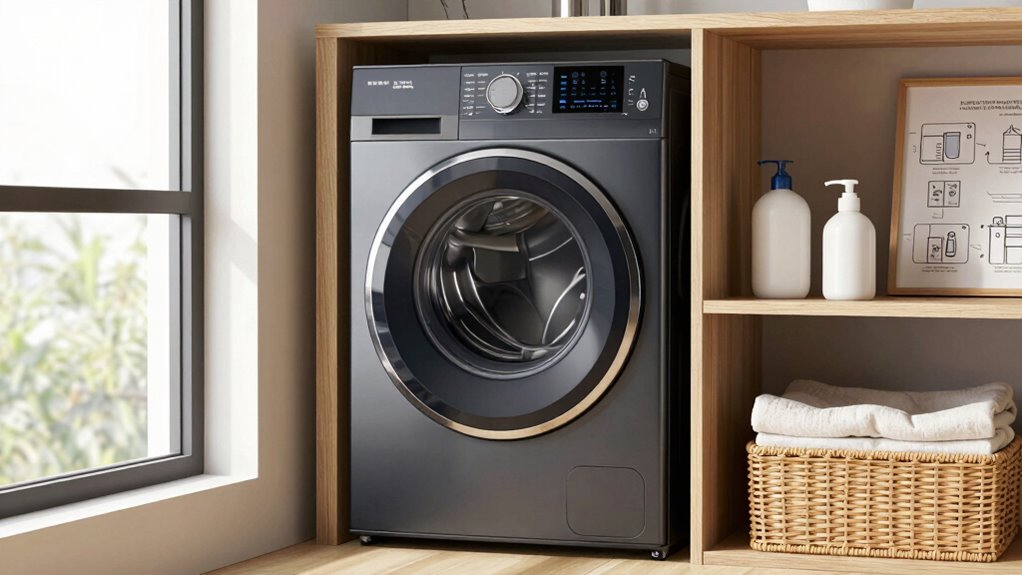
To prevent your ventless dryer from taking forever, guarantee it’s installed properly by following manufacturer guidelines. Choose a spacious, accessible location with good airflow, away from quiet zones, and maintain clearances for ventilation. Use a dedicated electrical circuit, secure drain connections, and check for proper grounding. Regularly clean filters and vents to keep everything running smoothly. For detailed tips on installation and maintenance that ensure efficiency, keep exploring the essential steps.

Get the little things that make your day delivered free with Prime
- Fast, free delivery on millions of items
- Prime Video, Amazon Music and more included
- Member-only deals all year
Key Takeaways
- Ensure proper placement with adequate clearance around the dryer for airflow and safety.
- Maintain unobstructed ventilation pathways and regularly clean lint filters and vents.
- Use a dedicated electrical circuit with correct grounding and wiring specifications.
- Install drainage systems correctly with secure, sloped pipes to prevent leaks and backups.
- Follow manufacturer installation instructions for ventilation, electrical, and space requirements.
As an affiliate, we earn on qualifying purchases.
Why Proper Installation Is Key to Ventless Dryer Efficiency
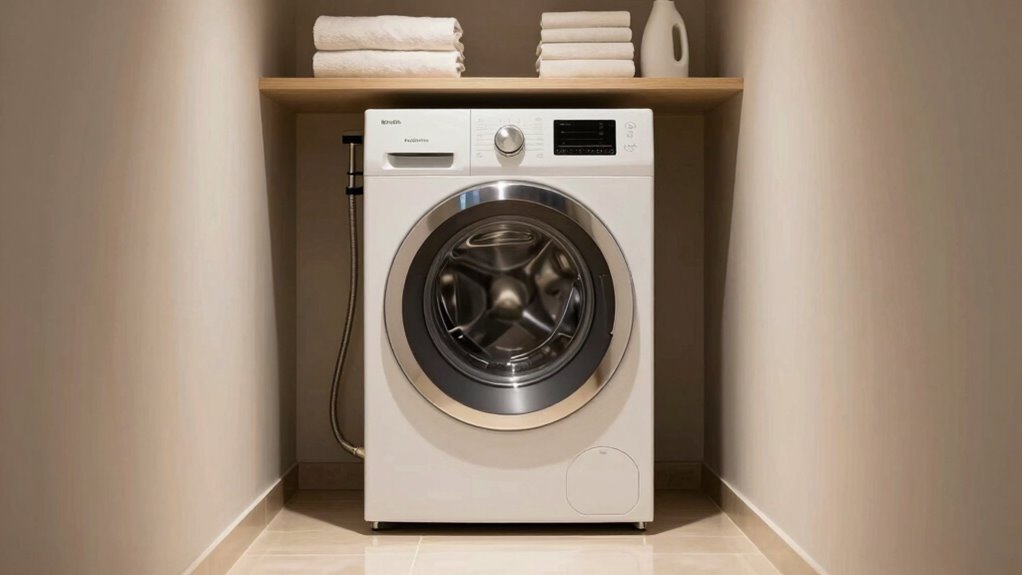
Proper installation is vital to guaranteeing your ventless dryer works efficiently. When installed correctly, it maximizes energy efficiency, helping you save on electricity bills and reduce environmental impact. Proper setup also minimizes noise, making your laundry area more comfortable. Making sure the dryer is level prevents unnecessary vibrations that can cause excess noise and wear. Adequate ventilation is essential, even for ventless models, to maintain optimal airflow and performance. Avoiding improper placement or blocking airflow pathways helps your dryer operate quietly and efficiently. Ensuring correct installation techniques can prevent future issues like increased energy consumption or disruptive noise. Additionally, understanding performance metrics can help you monitor and optimize your dryer’s operation over time. Paying attention to humidity management and maintenance in high-traffic areas can further extend your dryer’s lifespan and efficiency. Regular inspection of airflow pathways ensures your unit continues to operate at peak performance. By paying attention to installation details, you prevent future issues like increased energy consumption or disruptive noise. Ultimately, a correct setup guarantees your ventless dryer performs reliably, quietly, and efficiently for years to come. Properly managing airflow pathways is also crucial for maintaining overall efficiency and preventing blockages that can lead to malfunctions.
How to Choose the Best Location for Your Ventless Dryer
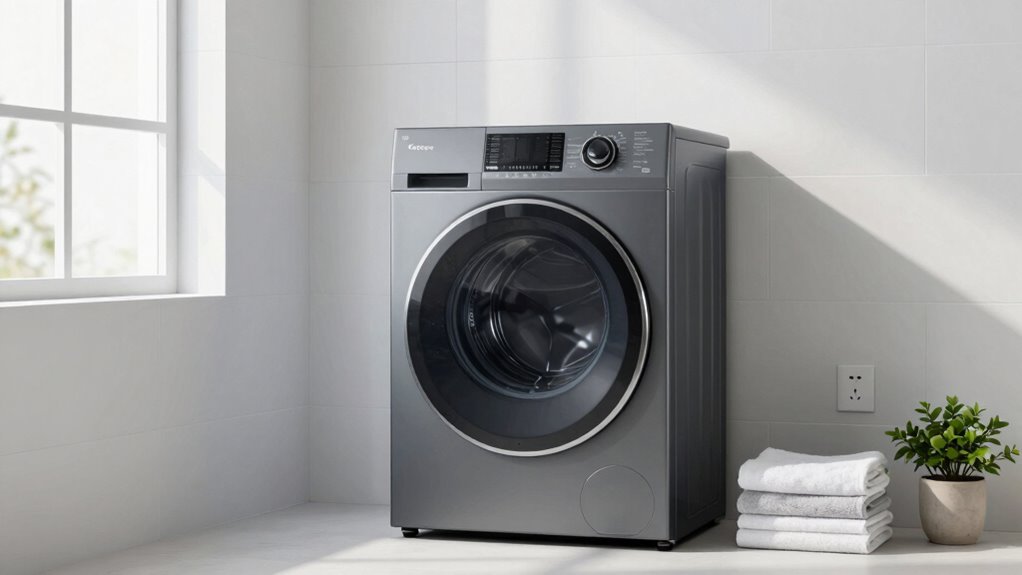
Choosing the right location for your ventless dryer is vital to guarantee it operates efficiently and quietly. Look for space-saving options that maximize your laundry area without sacrificing accessibility. Position the dryer where it’s close to electrical outlets and a nearby water source, if needed. To reduce noise, choose a spot away from bedrooms or quiet zones, and consider installing it in a closet or corner with some soundproofing. Make sure there’s enough clearance for proper airflow and maintenance access, but avoid placing it in cramped spaces that might hinder performance or increase noise levels. Proper ventilation is essential for optimal dryer function and safety. Additionally, understanding shipwreck preservation techniques can inspire innovative ways to improve airflow and moisture control in confined spaces. Ensuring adequate airflow management can further enhance the dryer’s efficiency and longevity. Incorporating nail biology knowledge can also help in designing better housing materials that resist moisture buildup. Paying attention to moisture control strategies can prevent mold and mildew issues inside the dryer or surrounding area. By selecting an ideal location, you’ll enhance the dryer’s efficiency and keep noise to a minimum, making laundry day less disruptive.
How to Check Clearances and Ensure Good Ventilation
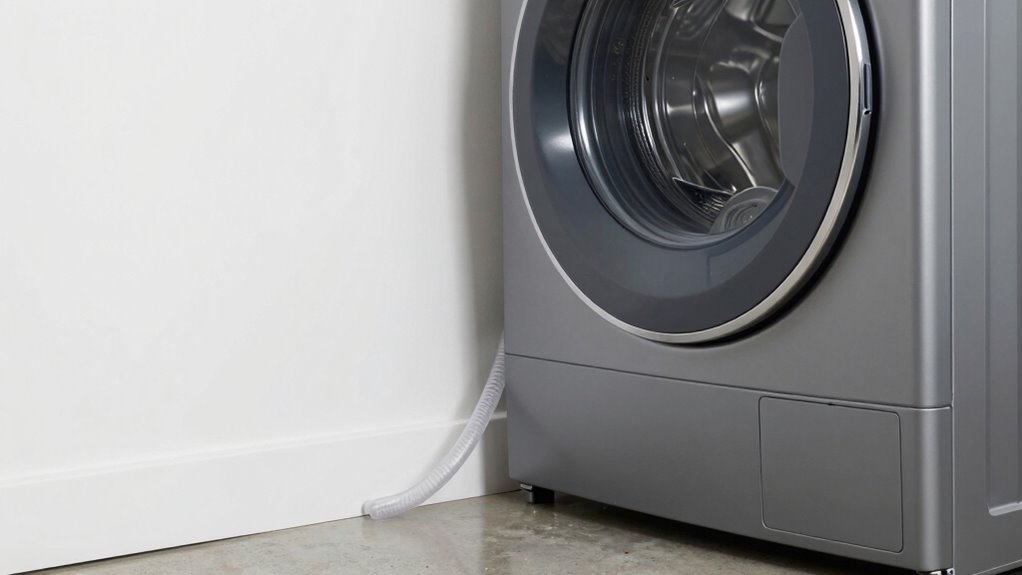
Start by measuring the clearance space around your dryer to make sure it has enough room to operate safely. Next, guarantee there’s proper airflow by checking vents and avoiding obstructions. Good ventilation helps your dryer run efficiently and prevents potential issues. Incorporating Free Floating principles, such as ensuring unobstructed airflow, can further enhance your dryer’s performance and safety. Regularly inspecting wiring for signs of damage can prevent fire hazards caused by heat buildup or faulty connections. Additionally, maintaining proper ventilation ensures that moisture and heat are effectively expelled, prolonging the lifespan of your dryer. Ensuring adequate clearance around the dryer is also crucial for optimal operation and safety. Paying attention to ventilation efficiency can help prevent overheating and ensure your dryer functions smoothly.
Measure Clearance Space
To guarantee your ventless dryer operates efficiently and safely, it’s essential to measure the clearance space around the unit. Proper space measurement ensures you meet the clearance requirements specified by the manufacturer. Start by checking the dryer’s installation manual for the minimum distance needed on all sides, especially the top and back. Use a tape measure to confirm these clearances are maintained; this prevents overheating and allows for adequate airflow. Remember, insufficient space can cause longer drying times and increase the risk of malfunctions. Keeping these clearances within recommended limits also helps prevent airflow issues that could compromise the dryer’s performance. Proper installation practices are crucial for optimal operation and safety. Keep in mind that different models may have specific clearance needs, so double-check the manufacturer’s guidelines. Accurate measurement and adherence to clearance requirements are vital for peak performance and safety. Additionally, understanding the importance of proper ventilation can help prevent issues related to poor airflow and ensure your dryer functions optimally. Proper airflow around the dryer also helps to extend its lifespan and maintain energy efficiency. Ensuring adequate space around the appliance is a key factor in achieving safe operation and preventing potential hazards.
Promote Proper Airflow
Ensuring proper airflow around your ventless dryer helps it run efficiently and safely. Good ventilation improves energy efficiency by allowing the dryer to operate at ideal temperatures without overworking. Check that there’s enough clearance space around the unit—avoid clutter or obstructions that can restrict airflow. Proper airflow also reduces noise levels, making your laundry area more comfortable. Make sure vents and filters are clean and unobstructed, as dirt buildup can hinder airflow and decrease performance. Proper ventilation prevents overheating and ensures faster drying times. Additionally, regularly inspecting airflow pathways can help identify potential issues before they affect your dryer’s operation. Maintaining ventilation standards not only enhances performance but also prolongs the lifespan of your appliance. Using a ventless dryer with proper airflow management can further maximize efficiency and convenience. Proper airflow is especially important in compact spaces to ensure consistent drying results. By maintaining clearances and good airflow, you’ll maximize your dryer’s efficiency, extend its lifespan, and enjoy quieter operation. Keep air circulating freely to get the best results from your ventless dryer, and consider airflow optimization techniques for optimal performance.
Setting Up the Right Electrical Connections for Safety
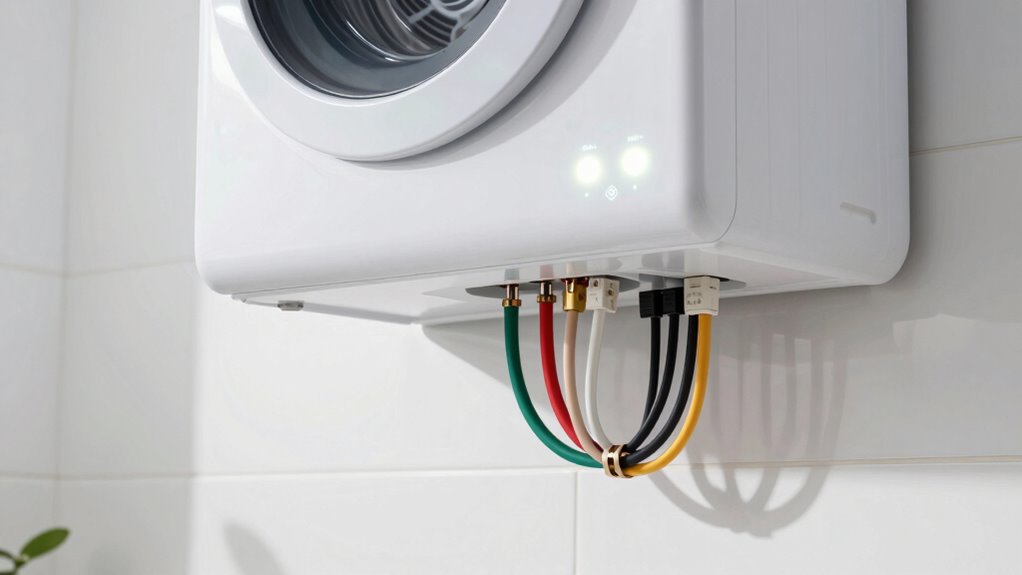
Before installing your ventless dryer, it’s crucial to set up the electrical connections correctly to guarantee safety and proper operation. Use a dedicated circuit to prevent overloads, ensuring energy efficiency and user convenience. Verify the voltage matches your dryer’s requirements, typically 120V or 240V. Proper grounding is essential to avoid electrical hazards. Here’s a quick visual:
| Connection Type | Voltage | Safety Feature |
|---|---|---|
| Dedicated Circuit | 120V/240V | Prevents overload |
| Grounded Outlet | Yes | Protects against shocks |
| Proper Wiring | Correct gauge | Ensures efficiency |
Failing to follow these rules can cause safety issues and reduce your dryer’s lifespan. Correct electrical setup keeps your appliance running smoothly and safely. Ensuring proper wiring is completed correctly is vital for both safety and efficiency. Additionally, understanding electrical codes can help ensure compliance and safety during installation. Proper adherence to installation guidelines can prevent future electrical problems and extend the lifespan of your appliance.
Installing a Proper Drainage System to Prevent Water Backup
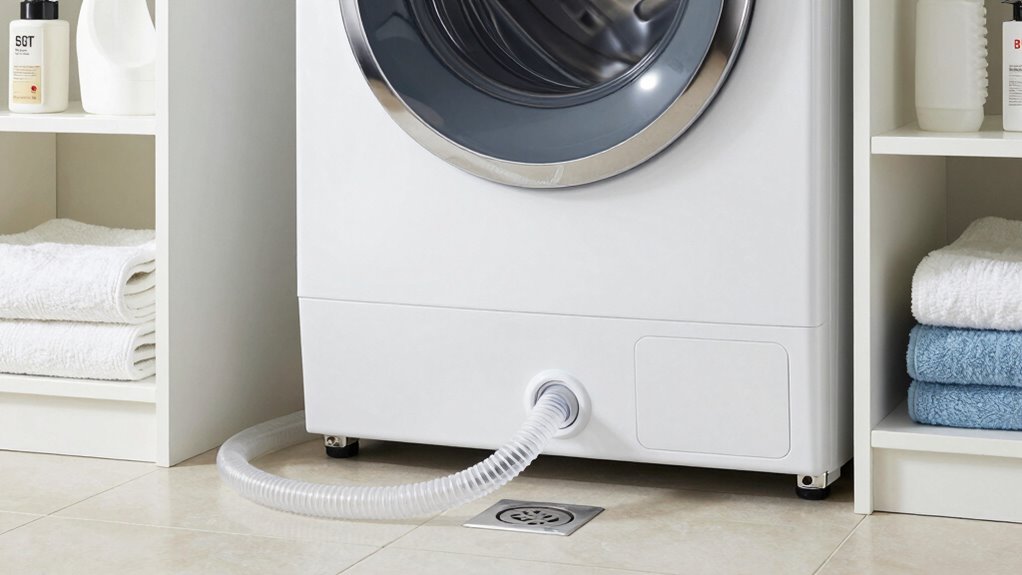
Installing a proper drainage system is essential to prevent water backup and avoid potential damage to your home. You need to connect drainage pipes correctly from your ventless dryer to direct water into a suitable outlet or drain. Make sure the pipes are secure and have a slight slope to ensure smooth water flow. Regularly check the water reservoir to monitor the amount of condensation collected. If it fills up, it can cause water to spill or back up into the dryer. Installing an automatic drain or an easily accessible drainage point helps keep the system functional and prevents water from pooling. Properly managing this drainage system guarantees your ventless dryer operates efficiently without leaks or water damage.
How to Follow Your Dryer’s Installation Instructions
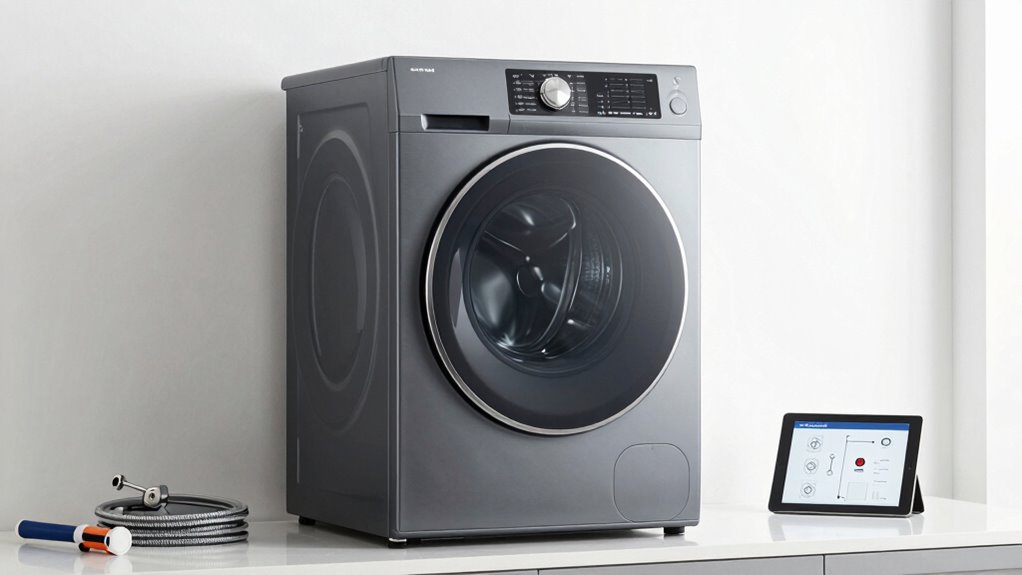
To make sure your ventless dryer functions properly, you need to carefully follow the manufacturer’s installation instructions. Proper setup is essential for peak dryer maintenance and efficient operation. Start by reading the manual thoroughly before beginning installation, paying attention to space requirements and ventilation guidelines. Confirm your laundry room design allows for adequate airflow, easy access for maintenance, and proper electrical connections. Skipping or misinterpreting instructions can lead to longer drying times and potential damage. Follow each step precisely, including positioning and securing the dryer correctly. This not only helps prevent future issues but also keeps your dryer running smoothly over time. By adhering to the instructions, you’ll maximize your ventless dryer’s performance while simplifying maintenance routines.
Common Mistakes to Avoid During Ventless Dryer Installation
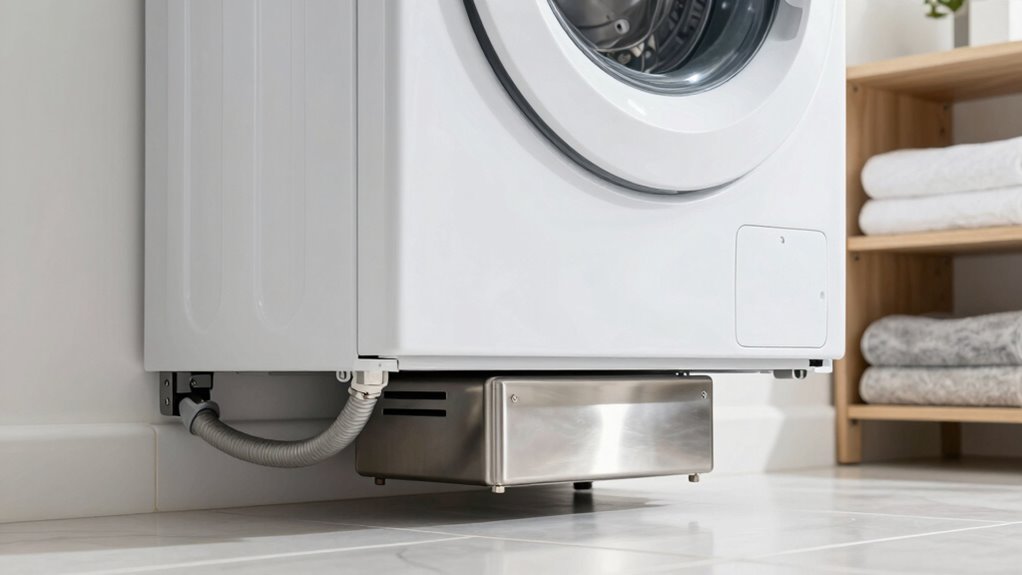
Many common mistakes can compromise the efficiency and safety of your ventless dryer installation, so it’s important to stay vigilant throughout the process. One key error is improper ventless dryer placement; placing it too close to walls or furniture can restrict airflow and reduce performance. Confirm there’s adequate space around the unit for proper ventilation and maintenance routines. Ignoring manufacturer guidelines on clearance can lead to overheating or damage over time. Additionally, neglecting regular maintenance routines, like cleaning filters and checking airflow, can cause longer drying times and potential malfunctions. Avoid rushing the setup process, and double-check all connections and clearances. By paying attention to ventless dryer placement and sticking to recommended maintenance routines, you’ll ensure your dryer operates safely and efficiently for years to come.
How to Test Your Installation for Safety and Performance
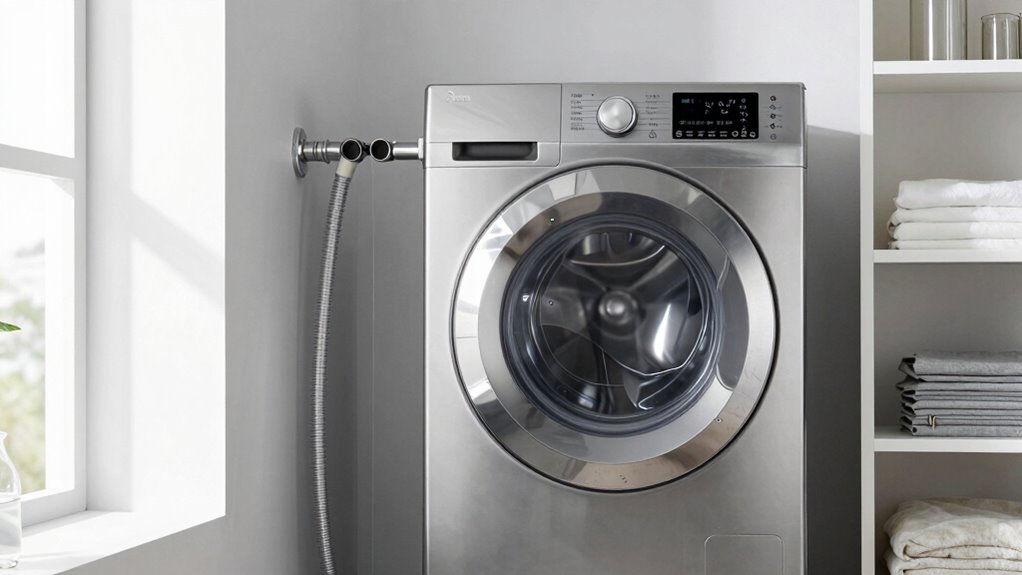
Once you’ve installed your ventless dryer, it’s important to check that everything is working safely and efficiently. Start by inspecting proper ventilation to guarantee air flows correctly and prevents buildup. Then, verify your electrical connections are secure and meet safety standards to avoid potential hazards.
Proper Ventilation Checks
Proper ventilation is essential to guarantee your ventless dryer operates safely and efficiently. First, check that humidity control systems are functioning correctly by monitoring moisture levels in the laundry area. Excess humidity can lead to mold and reduce drying efficiency. Ensure that the ventless dryer’s filters and air pathways are clear of obstructions, allowing proper airflow. This not only improves performance but also helps with noise reduction, minimizing operational sound. Listen for any unusual noises during operation, which could indicate airflow issues or loose components. Conduct a visual inspection for air leaks or blockages around the unit. Regularly testing these aspects ensures your dryer maintains ideal performance, remains safe to use, and keeps noise levels low for a more comfortable environment.
Electrical Safety Verification
Ensuring your ventless dryer’s electrical safety is vital for both essential performance and peace of mind. You need to verify that the electrical grounding is secure, preventing potential shocks. Check that circuit protection devices, like circuit breakers, are properly rated and functioning. Test the dryer’s power cord for any damage or loose connections, ensuring safe operation. Confirm that the outlet provides the correct voltage and is grounded correctly. Use a multimeter to verify that the dryer’s electrical connections are solid and that no wiring issues exist. Regularly inspecting these elements can prevent electrical hazards and guarantee peak performance.
- Confirm proper electrical grounding before use
- Ensure circuit protection devices are functioning
- Inspect the power cord for damage
- Verify correct voltage at the outlet
- Use a multimeter for connection testing
Troubleshooting Common Installation Problems That Lengthen Drying Time
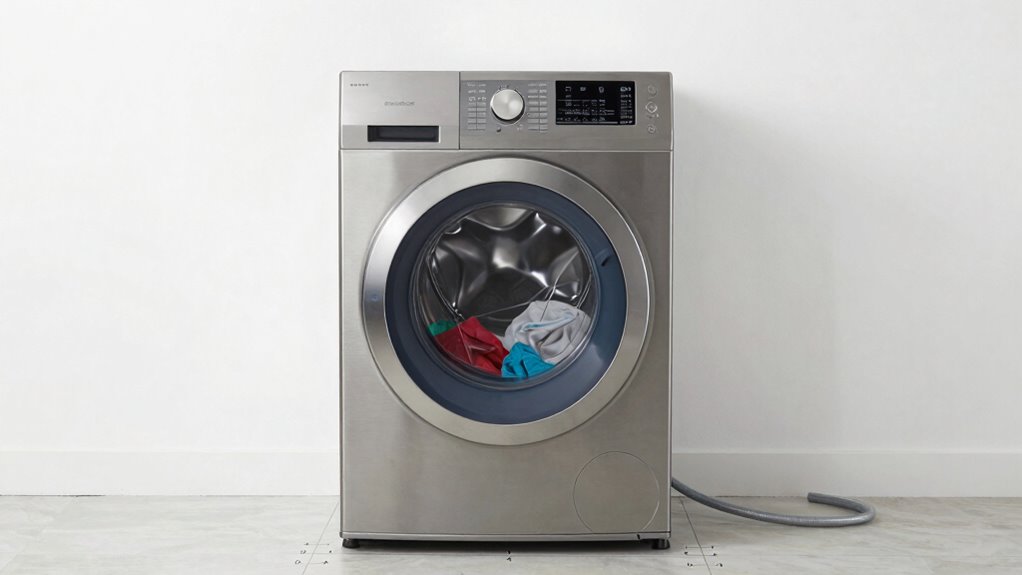
Installation issues can considerably extend the drying time of ventless dryers, making your laundry routine more frustrating. If your dryer isn’t performing efficiently, start by checking for proper ventless dryer maintenance, ensuring filters and moisture sensors are clean. Faulty or incorrectly installed drainage or water collection systems can cause longer drying cycles. Troubleshooting drying cycles involves verifying that the dryer is level and that the airflow isn’t obstructed. Improper setup, such as incorrect electrical connections or inadequate ventilation, can also hinder performance. By addressing these common installation problems, you can improve drying times markedly. Regularly inspecting and correcting installation issues helps maintain ideal operation, preventing unnecessary delays and ensuring your ventless dryer works as efficiently as possible.
Tips for Maintaining Your Ventless Dryer for Peak Performance
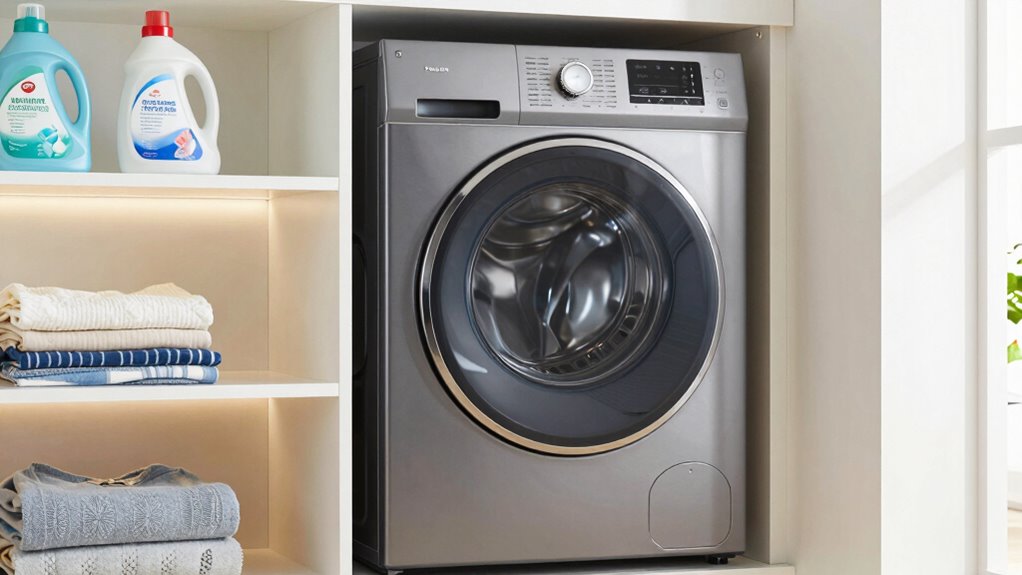
To keep your ventless dryer running at its best, regular maintenance is essential. Proper upkeep boosts energy efficiency and reduces noise, helping your dryer perform efficiently. To achieve this, regularly clean the lint filter after each load and inspect vents for blockages. Empty the moisture reservoir to prevent mold growth and maintain airflow. Check the door seals and hinges for wear and replace if needed. Additionally, ensure the dryer’s drum and internal components are free of lint and debris.
- Clean the lint filter and vents frequently
- Empty the moisture reservoir regularly
- Inspect and replace door seals as needed
- Keep internal components free of lint and debris
- Schedule professional maintenance annually for peak performance
Frequently Asked Questions
Can Ventless Dryers Be Installed in a Closet?
Yes, you can install a ventless dryer in a closet, but you need to follow proper ventless dryer placement and closet installation tips. Make certain the closet has adequate ventilation, enough space around the unit, and proper electrical connections. You might need to add a venting system or dehumidifier to prevent moisture buildup. Always check the manufacturer’s guidelines and local building codes to ensure safe, efficient operation.
Do Ventless Dryers Need Special Electrical Outlets?
Did you know that about 80% of homes in the US have the right electrical setup for ventless dryers? These dryers usually need a dedicated 120V outlet with a standard three-prong plug, so most households already have compatible power outlet setups. You don’t typically need special electrical requirements, but it’s wise to verify your dryer’s specifications to confirm power outlet compatibility and avoid any electrical issues.
How Loud Are Ventless Dryers During Operation?
Ventless dryers are generally quiet during operation, with noise levels typically between 50 to 70 decibels. You might notice some sound, but good sound insulation in the unit helps minimize noise transfer to your living space. If you prefer a quieter environment, look for models with enhanced sound insulation features. Overall, ventless dryers are designed to operate efficiently without creating significant disruption.
Are Ventless Dryers Suitable for Large Families?
Yes, ventless dryers are suitable for large families because they offer excellent ventless efficiency, which speeds up family laundry. They handle large loads effectively and save space, making them ideal for busy households. Plus, their energy-efficient design helps you save on utility bills. You can rely on a ventless dryer to keep up with the frequent laundry demands of a large family, making chores quicker and more manageable.
How Often Should I Clean the Dryer’s Filter and Drainage System?
Think of your dryer like a vintage radio; it needs regular care to perform well. You should clean the filter after every load to prevent lint buildup and guarantee efficiency. Drainage cleaning depends on usage, but a good rule of thumb is once a month. Regular filter maintenance and drainage cleaning keep your ventless dryer running smoothly, saving you time and energy while preventing potential fire hazards.
Conclusion
Think of your ventless dryer as a finely tuned orchestra—each part must play in harmony for the best performance. When you follow the installation rules, you’re conducting a symphony of efficiency, speed, and safety. Skip a beat, and the melody falters, leaving you waiting longer. So, set the stage right, check every note, and let your dryer perform at its peak. With proper care, you’ll enjoy a smooth, effortless rhythm of perfectly dry clothes every time.
NFL season / tailgating Picks
team gear
As an affiliate, we earn on qualifying purchases.