
Switching to reusable essentials like cloth towels, shopping bags, and water bottles helps you cut down on waste and benefit the environment. By replacing single-use items with durable alternatives, you reduce landfill waste and pollution. These small changes not only support eco-friendly habits but can also save you money over time. Keep exploring ways to make your daily routine more sustainable, and you’ll find even more simple actions to help protect the planet.

Get the little things that make your day delivered free with Prime
- Fast, free delivery on millions of items
- Prime Video, Amazon Music and more included
- Member-only deals all year
Key Takeaways
- Replacing paper towels with cloth towels extends product life and reduces landfill waste.
- Using reusable shopping bags decreases dependence on single-use plastic bags and cuts pollution.
- Incorporating reusable water bottles and coffee cups minimizes disposable container waste.
- Small daily swaps, like mesh produce bags, contribute to significant environmental benefits over time.
- Adopting reusable essentials fosters sustainable habits and supports eco-friendly brands.
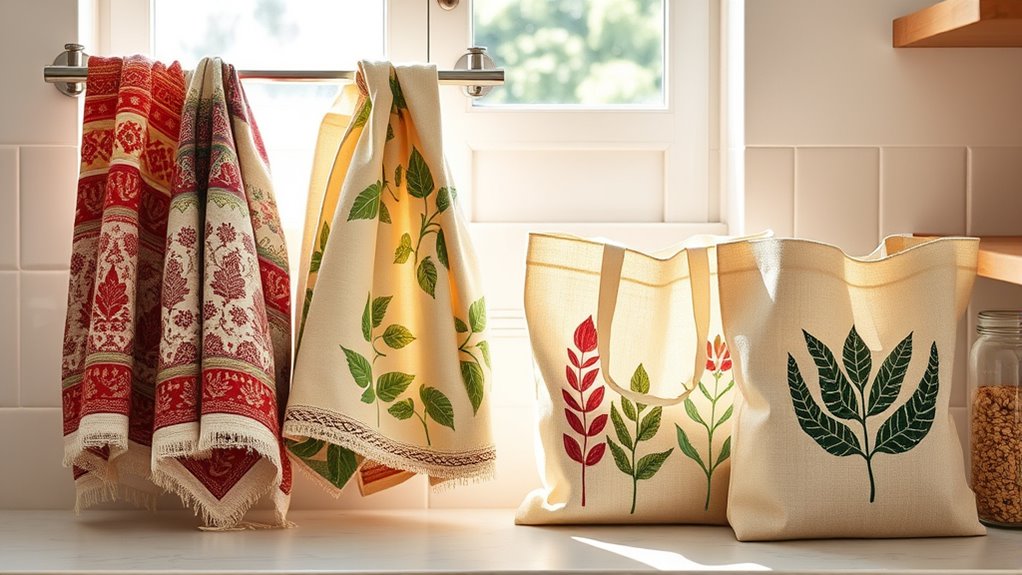
Have you ever considered how much waste you generate from single-use items? Every day, you probably toss out plastic bags, paper towels, and disposable packaging without much thought. Switching to reusable essentials can considerably cut down that waste, making a meaningful impact on the environment. One of the simplest yet most effective changes is replacing paper towels with cloth towels. Not only do cloth towels last longer, but they also reduce the need for constant repurchasing, helping you cut down on landfill waste. Similarly, switching to reusable shopping bags is a practical step. Instead of grabbing plastic bags at the store, you can carry durable, eco-friendly options that hold up after multiple uses. This simple swap decreases the demand for single-use plastics and minimizes plastic pollution.
Switch to cloth towels and reusable bags to significantly reduce daily waste and protect the environment.
When it comes to packaging, opting for eco friendly packaging materials is another crucial move. Many companies now offer products in biodegradable or recyclable packaging, which means your purchases contribute less to landfill overflow. You can also choose brands that prioritize sustainable clothing options, ensuring your wardrobe is eco-conscious from the inside out. By selecting garments made from organic cotton, hemp, or recycled fabrics, you’re supporting sustainable practices that reduce water usage, chemical runoff, and textile waste. These choices help diminish the environmental footprint of your wardrobe and set an example for others.
Incorporating reusable essentials into your daily routine also encourages a shift toward more mindful consumption. For example, replacing plastic produce bags with mesh or cloth bags keeps your fruits and vegetables fresh while eliminating unnecessary plastic waste. Using refillable water bottles and coffee cups further reduces reliance on disposable containers. As you adopt these habits, you’ll start noticing how convenient and cost-effective they are—saving you money while helping the planet. Plus, choosing products with eco friendly packaging or sustainable clothing options often means supporting ethical brands committed to reducing their environmental impact.
Making these changes doesn’t require a complete overhaul of your lifestyle. Small, consistent actions add up over time, creating a ripple effect that can influence those around you. By switching to cloth towels, reusable shopping bags, and selecting products with eco friendly packaging and sustainable clothing options, you’re actively contributing to waste reduction and promoting a healthier planet. Every reusable item you adopt is a step toward less pollution, less landfill overflow, and a more sustainable future. So, start today—your choices matter more than you think, and they can inspire others to follow suit.
As an affiliate, we earn on qualifying purchases.
Frequently Asked Questions
How Do Reusable Products Compare in Cost Over Time?
Switching to reusable products saves you money over time because of cost savings on disposable items. While the initial investment might be higher, you’ll reduce ongoing expenses for paper towels, plastic bags, and more. Plus, you’ll lessen your environmental impact by cutting down on waste. Over the long run, reusable essentials are a smart choice that benefits your wallet and the planet, making them a worthwhile switch.
What Are the Best Cleaning Practices for Reusable Items?
Did you know that proper cleaning can extend the life of your reusable items by up to 50%? To keep them in top shape, follow good cleaning techniques like washing cloth towels and bags regularly in hot water with eco-friendly detergents. Maintain routines such as air drying when possible, and avoid fabric softeners. This guarantees your reusable essentials stay fresh, hygienic, and durable for longer, saving you money and reducing waste.
Are Reusable Essentials Safe for Sensitive Skin?
Reusable essentials like cloth towels and shopping bags can be safe for sensitive skin if you choose the right fabrics. Look for hypoallergenic options that minimize fabric allergens, and wash them regularly to prevent skin irritation from dirt, bacteria, or residue. Avoid rough textures or synthetic fibers that might cause irritation. By caring for your reusable items properly, you guarantee they remain gentle and safe for your skin.
How Can I Store Reusable Products Hygienically?
You can store your reusable products hygienically by using breathable storage solutions like mesh bags or open baskets, which help prevent moisture buildup. Wash and dry them thoroughly before storing, and avoid overcrowding to promote airflow. To prevent odors, consider placing a small sachet of baking soda or essential oils nearby. Regularly clean your storage area to keep everything fresh and make certain your reusable essentials stay clean and safe to use.
What Are Some Lesser-Known Reusable Essentials to Try?
You should try reusable produce wraps made from eco-friendly fabrics like beeswax or silicone, which are innovative and sustainable. Consider reusable snack bags with innovative designs that are easy to clean and versatile, or explore bamboo utensil sets for eco-friendly dining. These lesser-known essentials help reduce waste and promote sustainability, allowing you to embrace eco-conscious habits in everyday life. They’re practical, stylish, and good for the planet.
Conclusion
By making simple switches to cloth towels, shopping bags, and other essentials, you’re planting seeds for a greener tomorrow. Every reusable item is like a tiny boat sailing toward a cleaner planet, reducing waste ocean-wide. As you embrace these changes, you become a beacon of hope, lighting the way for others. Remember, even small ripples can turn into waves of change—so keep riding that tide toward sustainability and watch the Earth bloom with gratitude.
Fall Picks
fall essentials
As an affiliate, we earn on qualifying purchases.