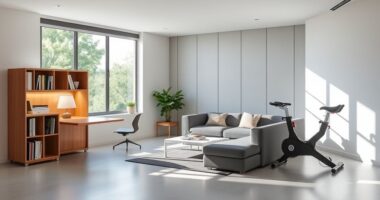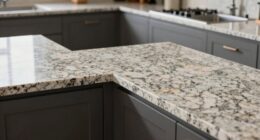
Japandi blends Japanese and Scandinavian styles, creating a warm, tranquil space with natural textures like wood and soft fabrics, using muted tones for calmness. Minimalism, on the other hand, emphasizes sleek, geometric designs with smooth surfaces, monochromatic palettes, and a focus on simplicity. Both promote calm environments but achieve this through different textures and cultural influences. If you want to explore how these styles shape peaceful interiors, keep exploring what makes each unique.
Key Takeaways
- Japandi blends Japanese warmth and Scandinavian simplicity, emphasizing tactile textures and natural materials for a cozy, tranquil feel.
- Minimalist design focuses on sleek, smooth surfaces and monochromatic palettes for visual clarity and efficiency.
- Japandi uses muted, earthy tones and soft textures to evoke warmth, whereas Minimalism favors stark colors and crisp textures for a clean look.
- Both styles prioritize intentional material selection but differ in tactile experience—cozy and layered versus sleek and flat.
- Japandi fosters layered harmony and tactile warmth, while Minimalism emphasizes purposefulness and visual order.

When choosing a style for your home, understanding the differences between Japandi and Minimalist design can help you create a space that truly reflects your personality. Both styles emphasize simplicity and calm, but they approach these goals through distinct cultural influences and material textures. Japandi combines elements from Japanese and Scandinavian aesthetics, resulting in a look that’s warm, tranquil, and balanced. You’ll notice the use of natural materials like wood, rattan, and ceramics, which evoke a sense of connection to nature. The textures in Japandi interiors tend to be soft and tactile, such as linen cushions, woven rugs, and smooth ceramics, adding warmth and depth to the space. These textures are carefully curated to foster comfort without sacrificing elegance. The color palette often features muted tones like beige, taupe, and charcoal, complemented by natural wood finishes that emphasize simplicity and tranquility. Incorporating texture variety is key to achieving this layered yet harmonious look.
Minimalist design, by contrast, emphasizes clean lines, open spaces, and a restrained color scheme. Its cultural influences stem from modern Western philosophies that prioritize functionality and efficiency. Material textures in Minimalist interiors are typically sleek and smooth, such as polished concrete, glass, and metal. You might find a focus on flat surfaces and geometric forms, with little ornamentation. The textures aim to create a sense of clarity and order, minimizing visual noise. The color palette usually sticks to monochromatic shades like white, black, and gray, with occasional bold accents to provide focal points. This approach ensures your space feels uncluttered and purposeful.
While Japandi’s textures invite you to touch and feel the environment, fostering a sense of warmth and coziness, Minimalism’s textures emphasize visual simplicity and crispness. Both styles, however, require intentional selection of materials to maintain their essence. When choosing between the two, consider how much tactile warmth you want in your space versus a sleek, pared-down look. Recognizing these cultural influences and material textures will help you craft a home that not only looks beautiful but also feels authentic and aligned with your lifestyle.
Frequently Asked Questions
Which Style Is More Budget-Friendly to Implement?
You’ll find minimalist style more budget-friendly to implement because it relies on simple, fewer pieces and versatile designs. For cost comparison, Japandi often involves higher-quality materials and specific design elements that can increase expenses. To save, use budget tips like repurposing existing furniture or choosing affordable decor. Minimalism’s straightforward approach generally means less spending, making it a practical choice if you want a calming aesthetic without breaking the bank.
How Do Lighting Choices Differ Between Japandi and Minimalist Designs?
You’ll notice lighting choices differ between Japandi and minimalist designs. Japandi emphasizes warm ambient illumination with soft, natural tones, creating a cozy atmosphere. Accent lighting highlights natural textures like wood and ceramics, adding depth. Minimalist spaces favor sleek, functional fixtures with bright, even ambient illumination that emphasizes simplicity. Accent lighting is minimal, often used sparingly to draw focus on key design features, keeping the space clean and uncluttered.
Can These Aesthetics Be Mixed in One Space?
Yes, you can definitely mix Japandi and minimalist styles in one space. This fusion potential allows you to create design harmony by blending clean lines, natural materials, and simple forms from both aesthetics. Focus on balancing warm wood tones with sleek, understated furniture, and keep clutter minimal. By thoughtfully combining these elements, you’ll craft a calming environment that reflects the serene, functional beauty of both styles seamlessly.
What Are Common Pitfalls When Adopting Each Style?
When adopting Japandi or minimalist styles, you might struggle with maintaining design consistency and clutter management. Avoid mixing too many contrasting elements that don’t match; stick to a cohesive color palette and simple furniture. Be mindful not to over-decorate—clutter can quickly disrupt the calming effect. Regularly evaluate your space to make certain it stays uncluttered and consistent with the chosen aesthetic, keeping it serene and harmonious.
How Do These Styles Influence Mood and Mental Well-Being?
Like a gentle breeze, these styles soothe your mind by creating spaces of clarity and peace. They positively influence your mood through their emotional impact, reducing stress and promoting relaxation. With clean lines and natural elements, Japandi and Minimalist design foster calmness, helping you feel more centered and balanced. By embracing simplicity, you turn your environment into a sanctuary that nurtures mental well-being and encourages mindfulness every day.
Conclusion
Imagine designing your living space with either Japandi’s warm, cozy vibe or minimalist’s sleek simplicity. For instance, a person choosing Japandi might include soft textiles and natural woods, creating a calming haven after a busy day. Alternatively, opting for minimalism means clean lines and uncluttered surfaces, promoting peace through simplicity. Both styles offer serenity, but your choice depends on whether you prefer a cozy or streamlined atmosphere. Whichever you pick, you’ll craft a peaceful, inviting space tailored to your mood.