
Smart lighting trends are transforming your home with energy-efficient LED bulbs that reduce power use while offering customizable colors and brightness. You can easily control everything through voice commands or apps, creating personalized scenes for different moods or occasions. Integration with other smart devices makes your environment more seamless and immersive. Advances like automated adjustments based on your routines ensure convenience and savings. Discover how these innovations can elevate your space as you explore more about the latest in smart lighting.
Key Takeaways
- Transition from basic LED bulbs to intelligent systems that adapt brightness and color for energy efficiency.
- Integration of voice control and hands-free operation for enhanced user convenience and accessibility.
- Use of personalized lighting scenes and aesthetic customization to match moods, decor, and events.
- Seamless connectivity with other smart home devices for immersive, synchronized environments.
- Adoption of AI and automation technologies that learn routines to optimize lighting and energy use.

Smart lighting is rapidly transforming how we illuminate our homes and workplaces, offering more control, efficiency, and customization than ever before. With these advancements, you no longer have to settle for standard lighting setups. Instead, you can tailor your environment to suit your mood, activity, or time of day, creating a space that feels just right. One of the key benefits of modern smart lighting is its emphasis on energy efficiency. These systems often include LED bulbs that consume considerably less power than traditional incandescent lights, helping you cut down on energy bills while reducing your carbon footprint. Many smart lights also feature adaptive brightness controls and scheduling options, ensuring they only use energy when needed. For example, you can set your lights to dim automatically at night or turn off when nobody’s in the room, optimizing energy consumption without sacrificing comfort or convenience.
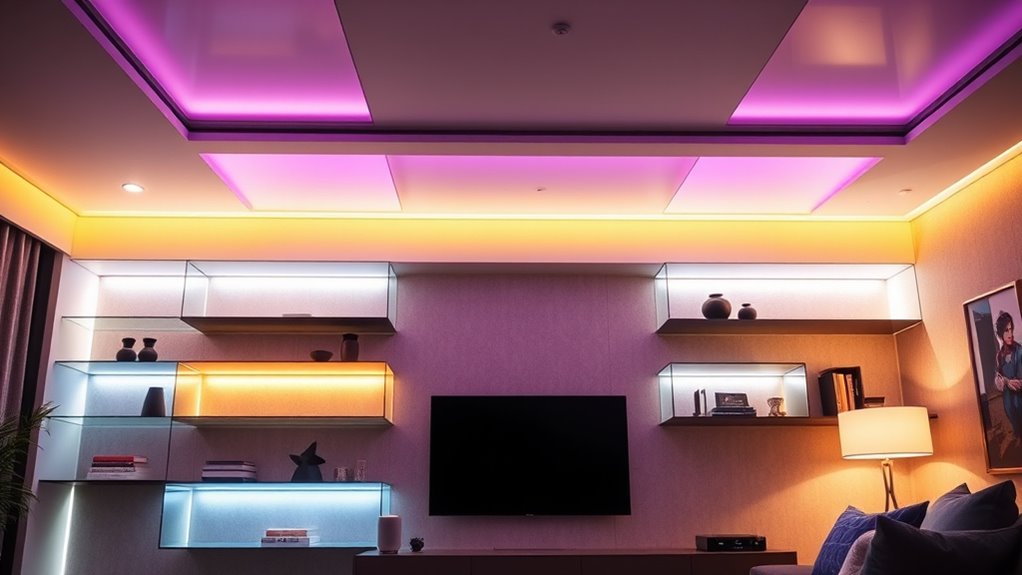
Beyond efficiency, aesthetic customization has become a major trend in smart lighting. You now have access to a vast palette of colors, shades, and intensities that you can adjust with a tap or voice command. This level of personalization allows you to match your lighting to your decor, mood, or specific events. Want a warm, cozy glow for movie night? Simply select your preferred hue and brightness. Hosting a party? Bright, vibrant colors can set the perfect mood. The ability to customize lighting scenes makes your space more dynamic and expressive, giving you full creative control over how your environment looks and feels. Additionally, smart lighting integrates seamlessly with other smart home devices, so you can synchronize your lights with music, movies, or alarms, creating immersive experiences tailored to your preferences.
As technology advances, voice control has become a common feature in smart lighting systems. With a simple voice command, you can turn lights on or off, adjust their brightness, or change colors without lifting a finger. This hands-free operation not only adds convenience but also enhances accessibility, especially if you have mobility challenges. Smart assistants like Amazon Alexa, Google Assistant, or Apple HomeKit make it easy to integrate your lighting into your broader home automation setup. Over time, these systems learn your habits and routines, automatically adjusting lighting to fit your schedule. This automation further boosts energy efficiency, as your lights respond intelligently to your presence and needs. Additionally, advanced technology such as DLP projectors is influencing the way home entertainment spaces are designed, providing high-quality visuals that complement smart lighting systems for a fully immersive experience.
Frequently Asked Questions
How Secure Are Voice-Controlled Smart Lighting Systems From Hacking?
You might wonder how secure your voice-controlled smart lighting system is from hacking. These systems use wireless encryption to protect your data, but vulnerabilities can still exist. Regular firmware updates are vital, as they patch security flaws and improve protection. If you keep your device updated and guarantee your network has strong encryption, you minimize risks. Staying vigilant helps you enjoy smart lighting without compromising your security.
Can Smart Lighting Systems Be Integrated With Existing Home Automation?
You can definitely integrate smart lighting systems with your existing home automation setup. However, you might face some integration challenges and compatibility issues, especially if your current devices use different protocols or standards. To guarantee smooth integration, check if your smart lighting is compatible with your home automation hub or system. Staying updated on supported devices and software updates helps minimize these issues, making your smart home more seamless and efficient.
What Are the Energy Savings Benefits of Smart Lighting Compared to Traditional Bulbs?
You might think smart lighting isn’t worth it, but it offers significant energy efficiency that saves you money long-term. Compared to traditional bulbs, smart lights use less energy, reduce waste, and have adjustable brightness, cutting your electricity bills. Plus, features like scheduling and motion sensors optimize usage, leading to better cost savings and environmental benefits. This makes smart lighting a smart investment for your home’s energy management.
How Long Do Smart LED Bulbs Typically Last Before Needing Replacement?
Smart LED bulbs typically last between 15,000 to 25,000 hours, which means you won’t need frequent replacements. Their long bulb lifespan considerably reduces your replacement frequency compared to traditional bulbs. You can expect to enjoy years of reliable lighting, often up to 10-15 years depending on usage. This durability makes smart LED bulbs a convenient and cost-effective choice, providing consistent brightness without the hassle of early bulb replacements.
Are Smart Lighting Options Suitable for Outdoor or Weather-Exposed Areas?
You might wonder if smart lighting works well outdoors or in weather-exposed areas. Yes, many smart lights now feature weather resistance and outdoor durability, making them suitable for patios, gardens, or pathways. Just make certain you select models specifically designed for outdoor use, as they’re built to withstand rain, snow, and temperature changes. Properly chosen, these smart lighting options can enhance your outdoor spaces while lasting longer in harsh weather conditions.
Conclusion
Just like a skilled conductor guiding an orchestra, embracing smart lighting transforms your space into a harmonious symphony of convenience and innovation. With the latest trends—from LED bulbs to voice control—you hold the baton to orchestrate perfect ambiance effortlessly. As technology evolves, your home becomes a vibrant stage where every light change sets the mood. So, step into this luminous future and let your smart lighting lead the way to a brighter, smarter life.