TL;DR

Get the little things that make your day delivered free with Prime
- Fast, free delivery on millions of items
- Prime Video, Amazon Music and more included
- Member-only deals all year
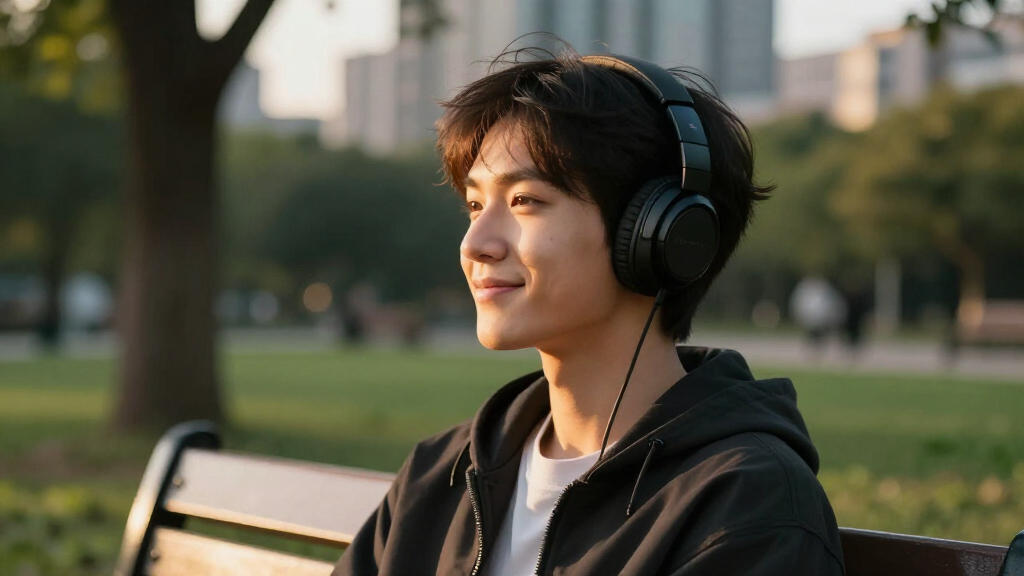
In 2026, leading brands have launched noise cancelling headphones integrated with advanced AI technology, enhancing sound quality and noise reduction. The top models include Bose, Apple, and Sony, offering improved comfort and battery life. This development reshapes how consumers experience immersive sound in noisy environments.
In 2026, the headphone industry has seen a wave of new models equipped with AI-driven noise cancelling technology, offering significantly improved sound quality and noise reduction capabilities. For an overview of the top models, see the original analysis. These innovations are being led by brands like Bose, Apple, and Sony, aiming to meet the demands of travelers, remote workers, and audiophiles. The integration of artificial intelligence into noise cancelling algorithms marks a major step forward, promising a more personalized and effective listening experience.
Several brands have unveiled headphones that leverage AI to adapt noise cancellation in real-time, analyzing environmental sounds and adjusting parameters dynamically. Learn more about the best options in this guide. The Bose QuietComfort Ultra, Apple AirPods Pro 3, and Sony WH-CH720N are among the top contenders, each incorporating different AI features to optimize noise reduction and sound quality.
Manufacturers emphasize that these models balance noise cancellation with sound fidelity, ensuring users do not sacrifice audio richness for silence. This trend is detailed in the comprehensive review. Comfort remains a key focus, with ergonomic designs and lightweight materials tailored for long-term wear. Battery life continues to improve, with some models offering over 30 hours of playback, supported by fast-charging capabilities. Durability features such as water and sweat resistance are also common, making these headphones suitable for various environments.
Industry analysts note that the AI integration allows for smarter noise management, such as detecting specific noise profiles (e.g., airplane engines vs. street noise) and adjusting accordingly. This adaptive approach aims to deliver a more seamless and personalized listening experience across different settings.
The 7 picks
- 1
 Bose QuietComfort Headphones – Wireless Bluetooth Over Ear Noise Cancelling w…View on Amazon →
 - 2
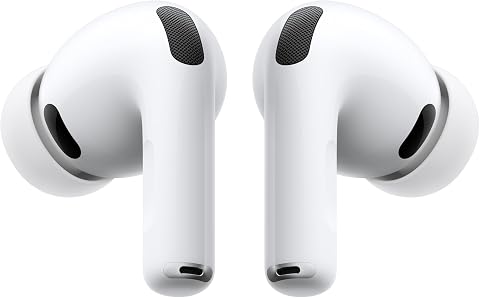 Apple AirPods Pro 3 Wireless Earbuds with Active Noise CancellationView on Amazon →
 - 3
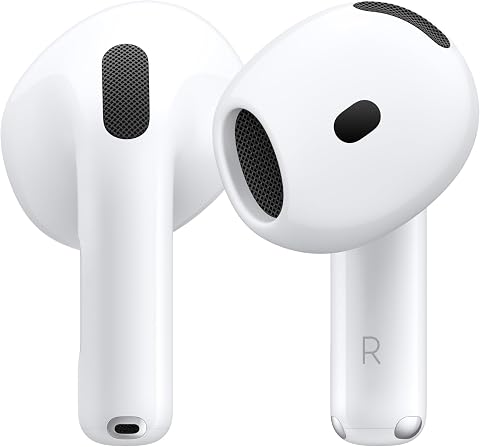 Apple AirPods 4 Wireless Earbuds with Active Noise CancellationView on Amazon →
 - 4
 Sony WH-CH720N Wireless Noise Cancelling Over-Ear Headphones, BlackView on Amazon →
 - 5
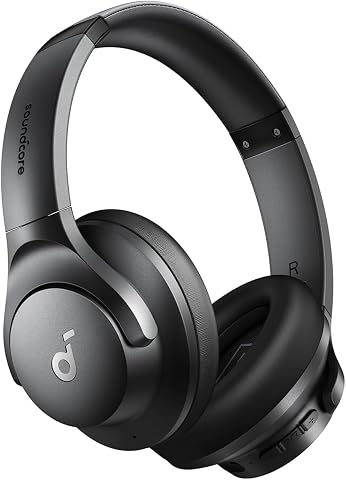 Soundcore by Anker Q20i Hybrid Active Noise Cancelling Headphones, BlackView on Amazon →
 - 6
 Hybrid Active Noise Cancelling Bluetooth Headphones Wireless HeadphonesView on Amazon →
 - 7
 Bluetooth Headphones with Active Noise Cancelling, Over-Ear, Foldable, WirelessView on Amazon →
Impact of AI-Enhanced Noise Cancellation in 2026
The integration of AI into noise cancelling headphones in 2026 represents a significant advancement in personal audio technology. Consumers now benefit from more effective noise reduction tailored to their environment, improving focus, relaxation, and overall listening quality. This shift also influences the competitive landscape, pushing brands to innovate faster and prioritize user-centric features. For remote workers and frequent travelers, these improvements can enhance productivity and comfort, making high-quality noise cancelling headphones a standard accessory in daily life.
Evolution of Noise Cancelling Technology Leading to 2026
Over the past decade, noise cancelling headphones have evolved from basic active noise reduction models to sophisticated devices incorporating multiple microphones and digital processing. The breakthrough in 2026 is the addition of AI, which allows for real-time environment analysis and adaptive noise management. Earlier models relied on fixed algorithms and manual adjustments, but the new AI-powered devices can automatically optimize performance based on user activity and surroundings.
This progression is driven by advancements in machine learning, miniaturization of sensors, and increased consumer demand for seamless, high-quality audio experiences. Leading brands have invested heavily in AI research, resulting in headphones that not only block noise more effectively but also deliver richer sound tailored to individual preferences.
Remaining Questions About AI-Driven Noise Cancelling Headphones
While AI-powered noise cancelling headphones show promising improvements, it is still unclear how well these models perform across all environments, such as extremely loud settings or in cases of hardware malfunctions. Long-term durability of AI components and user privacy concerns related to environmental data collection are also areas needing further evaluation. Additionally, the cost of these advanced models remains high, potentially limiting accessibility for some consumers.
Upcoming Developments and Market Expectations
Manufacturers are expected to continue refining AI algorithms, aiming for even more personalized sound profiles and better noise reduction in diverse environments. Future models may incorporate additional sensors for biometric data, further customizing the listening experience. Market competition will likely drive prices down over the next year, making high-end AI noise cancelling headphones more accessible. Consumer feedback from early adopters will shape the next wave of innovations, emphasizing comfort, battery efficiency, and integration with other smart devices.
Key Questions
How does AI improve noise cancelling in 2026 models?
AI allows headphones to analyze ambient sounds in real-time and adjust noise cancellation dynamically, providing more effective and personalized noise reduction tailored to the environment and user preferences.
Are AI-powered noise cancelling headphones worth the extra cost?
For users seeking the best noise reduction and sound quality, AI-enhanced models offer significant benefits. However, the value depends on individual needs and budget, as premium models tend to be more expensive.
Will AI noise cancelling headphones be suitable for outdoor use?
Yes, most current models are designed for outdoor environments, with features like adaptive noise cancellation that can handle variable noise levels, though extreme environments may still challenge their capabilities.
How long do AI noise cancelling headphones last on a single charge?
Battery life varies, but many models now offer over 30 hours of playback, with fast-charging features providing several hours of use from just a few minutes of charging.
Source: ThorstenMeyerAI.com
NFL season / tailgating Picks
team gear
As an affiliate, we earn on qualifying purchases.