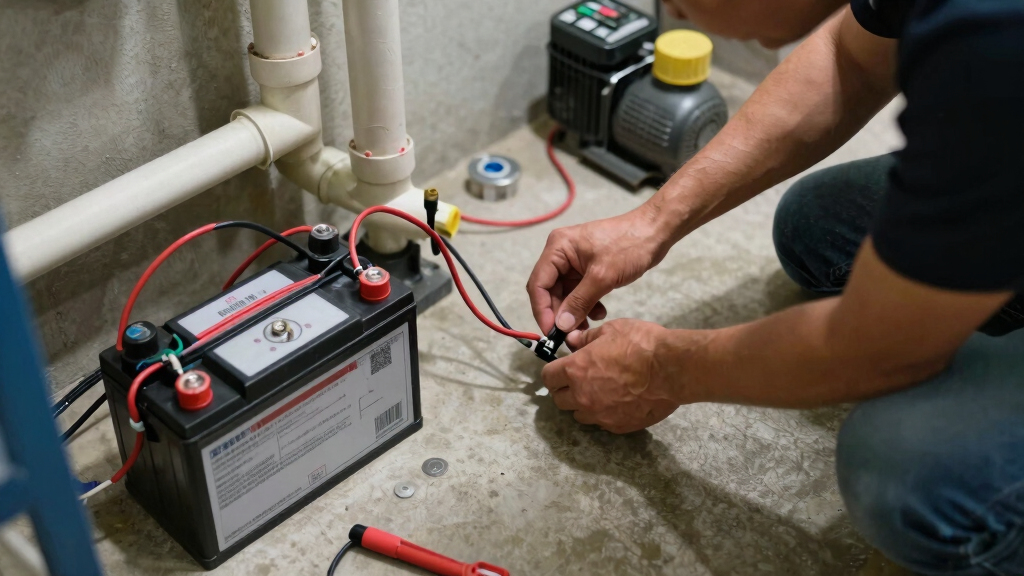

When choosing a battery backup sump pump system, I look for options that combine power, reliability, and ease of installation. The Basement Watchdog Big Combo stands out for its WiFi monitoring and dual-pump setup, making it ideal for those wanting remote alerts. The Wayne WSS30VN offers a robust, preassembled unit with high flow capacity, perfect for heavy-duty needs. For those seeking advanced control and compatibility with various batteries, the Viopumpo 2000W system provides seamless operation with LCD monitoring. Meanwhile, the PumpSpy 2000W emphasizes safety features like smart cooling and overcharge prevention. Each choice involves tradeoffs: some prioritize smart technology, others raw power or ease of installation.
Key Takeaways
- Power capacity varies from 1,850 GPH to 5,100 GPH, affecting how much water can be pumped during a power outage.
- Remote monitoring and alerts are features only some systems, like Basement Watchdog, provide, which is key for maintenance and early warning.
- Installation complexity ranges from plug-and-play units to more involved plumbing, influencing suitability for DIYers.
- Battery compatibility and runtime depend on the system’s design and battery type, impacting long-term reliability.
- Premium features such as LCD displays, smart cooling, and automatic switchover improve safety but add to cost.
| The Basement Watchdog Big Combo CONNECT Preassembled Primary & Battery Backup Sump Pump System – WiFi-Capable w/Add-on Module (CITS-50) |  | Best Overall for Smart Monitoring and Dual Pump Redundancy | Primary Pump Capacity: 3,540 GPH at 10 ft. | Backup Capacity: 1,850 GPH at 10 ft. | Flow Rate: 73.3 GPM | VIEW LATEST PRICE | See Our Full Breakdown |
| WAYNE – 1/2 HP Sump Pump with Integrated Vertical Float Switch and 12 Volt Battery Back Up Capability |  | Best for Heavy-Duty, High-Flow Needs | Flow Rate: 5,100 GPH | Horsepower: 0.5 HP | Lifting Height: 20 ft. | VIEW LATEST PRICE | See Our Full Breakdown |
| 2000 Watt sump pump backup battery system, automatic switchover to battery inverter power, remote LCD | 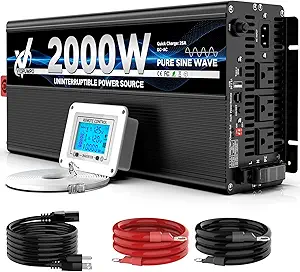 | Best for Advanced Control and Compatibility | Power Output: 2000W | Charger: 25A, supports fast charging | Protection Features: Overheat, low voltage, overcharge | VIEW LATEST PRICE | See Our Full Breakdown |
| PumpSpy 2000W Sump Pump Battery Backup System, Safe Backup with Intelligent Cooling |  | Best for Safety and Smart Cooling Features | Power Output: 2000W | Cooling System: Smart cooling | Protection Features: Overcharge, overheat | VIEW LATEST PRICE | See Our Full Breakdown |
More Details on Our Top Picks
The Basement Watchdog Big Combo CONNECT Preassembled Primary & Battery Backup Sump Pump System – WiFi-Capable w/Add-on Module (CITS-50)
This system shines in its combination of reliable power and smart technology. Its WiFi capability and real-time alerts provide peace of mind, especially for those who want to remotely monitor their sump. The dual-pump setup offers redundancy, reducing failure risk. Compared with simpler units, it offers more sophisticated maintenance alerts, but this comes at a higher price and slightly more complex installation. The primary pump’s capacity of 3,540 GPH delivers solid performance, while the backup provides 1,850 GPH, sufficient for most basement needs.
Pros:- WiFi monitoring with real-time alerts
- Dual pumps for increased reliability
- Compatibility with AGM and wet-cell batteries
- Easy to connect to Basement Watchdog app
Cons:- Higher cost due to smart features
- Requires additional purchase of WiFi module
- Installation can be more involved
Best for: Homeowners seeking a high-tech, reliable backup with remote alerts
Not ideal for: Users preferring a simple, budget-friendly system without smart features
- Primary Pump Capacity:3,540 GPH at 10 ft.
- Backup Capacity:1,850 GPH at 10 ft.
- Flow Rate:73.3 GPM
- Power Source:AC & Battery
- Voltage:12V DC
- Dimensions:8.75″L x 11.75″W x 18″H
Bottom line: Ideal for tech-savvy homeowners who want reliable, monitored backup power with redundancy.
WAYNE – 1/2 HP Sump Pump with Integrated Vertical Float Switch and 12 Volt Battery Back Up Capability
This unit is designed for those who need substantial pumping power during outages. Its up to 5,100 GPH flow rate makes it suitable for large basements or areas prone to flooding. The integrated float switch simplifies installation, and the all-in-one design minimizes plumbing hassle. Compared to more complex systems, it offers less in terms of remote monitoring but excels in raw power and durability. Its sturdy construction and long-lasting design make it a dependable choice for demanding conditions.
Pros:- High flow rate of 5,100 GPH
- Preassembled for quick install
- Durable construction with a 3-year warranty
- Simple to use with built-in float switch
Cons:- Battery not included, additional cost
- Limited smart features
- Bulkier size may restrict installation in small pits
Best for: Homeowners with large sump pits or heavy water inflow during storms
Not ideal for: Users seeking remote alerts or smart monitoring features
- Flow Rate:5,100 GPH
- Horsepower:0.5 HP
- Lifting Height:20 ft.
- Power Source:12V DC + AC
- Dimensions:13.5″L x 9″W x 15.5″H
- Warranty:3 years
Bottom line: Best suited for large or heavily flooded basements where raw power is crucial.
2000 Watt sump pump backup battery system, automatic switchover to battery inverter power, remote LCD
This system offers seamless power with pure sine wave output and a versatile charger supporting multiple battery types. Its remote LCD monitor provides detailed info on voltage, power, and battery status, which is rare among backup systems. Compared with simpler battery units, it offers more comprehensive safety features, making it suitable for users who want maximum control and peace of mind. The easy assembly and wall-mount options improve installation flexibility, but its high price reflects the advanced technology.
Pros:- Pure sine wave output for safety
- Remote LCD display with real-time info
- Supports multiple battery types
- Overcharge and overload protection
Cons:- Higher cost
- Requires some technical setup
- No included batteries
Best for: Tech-savvy users wanting compatibility with various batteries and detailed system info
Not ideal for: Budget-conscious buyers or those wanting plug-and-play simplicity
- Power Output:2000W
- Charger:25A, supports fast charging
- Protection Features:Overheat, low voltage, overcharge
- Remote Control:LCD display
- Dimensions:Unknown
- Warranty:12 months
Bottom line: Perfect for users who want maximum control, safety, and compatibility with various batteries.
PumpSpy 2000W Sump Pump Battery Backup System, Safe Backup with Intelligent Cooling
This backup system emphasizes safety with advanced features like trickle charging, smart cooling, and overcharge prevention. Its design supports powering two sump pumps simultaneously, making it ideal for larger or critical basements. Compared to other units, its focus on safety prolongs battery life and prevents overheating. While it offers standard backup power, the added cooling technology provides an extra layer of reliability during long outages. It’s a solid choice for those prioritizing safety and longevity.
Pros:- Overcharge and overheating protection
- Supports two pumps simultaneously
- Smart cooling system
- Trickle charge maintains battery readiness
Cons:- Requires deep-cycle batteries (sold separately)
- Limited remote monitoring
- Slightly higher price for safety tech
Best for: Homeowners wanting a safe, reliable backup with smart safety features
Not ideal for: Buyers seeking simple, basic backup without extra safety tech
- Power Output:2000W
- Cooling System:Smart cooling
- Protection Features:Overcharge, overheat
- Supports:Two pumps
- Dimensions:17.5 x 6.75 x 4 inches
- Weight:10.5 pounds
Bottom line: Excellent for safety-conscious users who want dependable backup with smart safety features.
How We Picked
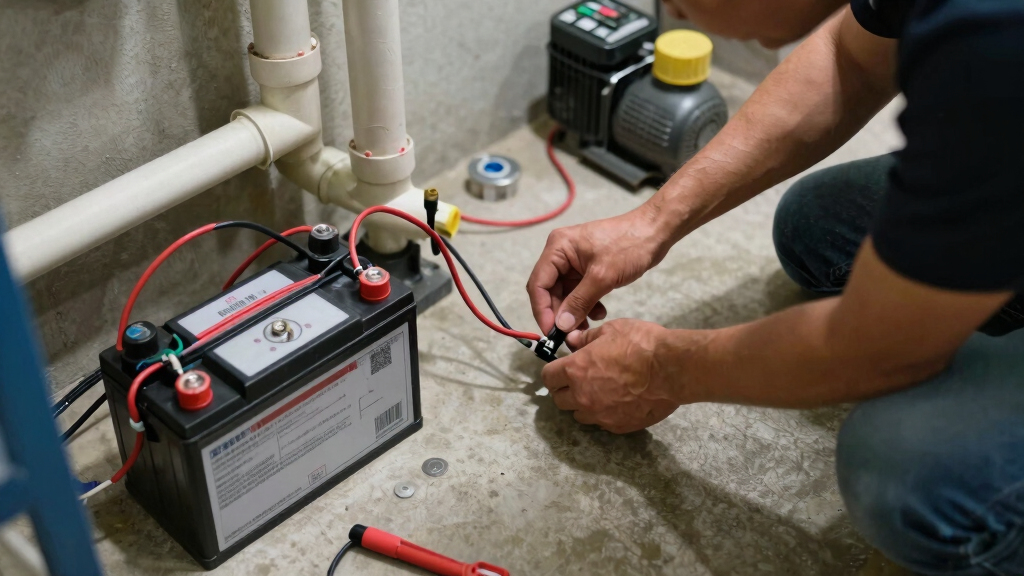
My selection process focused on systems that deliver reliable backup power, ease of installation, and smart features. I analyzed user reviews, technical specifications, and the overall build quality, comparing flow rates, battery compatibility, and monitoring capabilities. Priority was given to units with proven performance during power outages, good customer support, and compatibility with common batteries. Tradeoffs such as higher cost versus advanced features were also considered to recommend options suitable for a range of users—from DIY homeowners to those wanting fully automated solutions.
Factors to Consider When Choosing Best Battery Backup Sump Pump System
Choosing the best battery backup sump pump system depends on your home’s size, power needs, and whether you prioritize advanced features or straightforward reliability. I recommend considering flow capacity, ease of installation, battery compatibility, monitoring features, and overall durability. For smaller homes or budget-conscious buyers, simple plug-and-play units might suffice, while larger or more valuable basements benefit from systems with remote alerts and dual pumps. Here, I break down key aspects to help you pick the right system.
Power Capacity and Flow Rate
The flow rate determines how much water the system can pump during an outage. Systems range from about 1,850 GPH to over 5,100 GPH. Larger basements or areas prone to flooding require higher capacity units, like the Wayne WSS30VN, to handle heavy inflows efficiently. Smaller or less flood-prone homes can opt for lower-capacity systems, which are often less expensive and easier to install.
Smart Features and Remote Monitoring
Systems like Basement Watchdog offer WiFi alerts, push notifications, and app integration, providing peace of mind during storms or outages. If you want to be notified immediately of pump issues, these features are worth the extra cost. However, they add complexity to installation and require ongoing subscriptions or app management. Simpler units focus solely on power and flow, suitable for those who prefer straightforward operation.
Ease of Installation and Maintenance
Plug-and-play units like the Wayne WSS30VN are quick to install, often in minutes, making them perfect for DIYers. Others, like the Basement Watchdog, may require more plumbing or wiring, especially with WiFi modules. Maintenance considerations include battery replacement, system diagnostics, and whether the system provides alerts for maintenance needs. Ensure your setup matches your comfort level with installation complexity.
Battery Compatibility and Runtime
The type of batteries supported (AGM, wet-cell, lithium) impacts cost and longevity. Systems designed for deep-cycle batteries tend to last longer during outages. Runtime depends on the battery capacity and pump power; higher-capacity batteries provide longer backup periods. Consider your typical storm duration and the cost of batteries when evaluating options.
Durability and Safety Features
Look for units with overload protection, cooling systems, and overcharge prevention. These features extend system life and prevent damage during extended outages. Robust construction and warranties further indicate a system built to last. For critical basements, safety features like smart cooling and safety shutoffs can prevent battery overheating and failures.
Frequently Asked Questions
How long will a backup system run during a power outage?
The runtime depends on the battery size and pump power. Most systems can operate for several hours to a full day with a properly sized deep-cycle battery. For example, the Basement Watchdog can run intermittently for days on a large AGM battery, while smaller units may only last a few hours. It’s essential to match your expected storm duration with the battery capacity you choose.
Do I need a special battery for my backup sump pump?
Many backup systems support AGM, wet-cell, or lithium deep-cycle batteries. AGM batteries are popular due to their durability and maintenance-free design, making them ideal for backup power. Always verify the system’s compatibility and choose a battery that meets the recommended capacity and specifications for optimal performance and longevity.
Can I install a backup system myself?
Installation difficulty varies. Plug-and-play models like Wayne WSS30VN are straightforward and suitable for DIYers, requiring minimal plumbing. More advanced systems with WiFi or multiple components may need some plumbing and wiring skills. Carefully read the manufacturer’s instructions and consider professional help if unsure, especially when dealing with electrical connections and batteries.
Are smart monitoring systems worth the extra cost?
Smart systems provide real-time alerts, remote monitoring, and maintenance notifications, which can be invaluable during severe weather. They allow you to respond quickly to pump failures or power loss, potentially preventing basement flooding. However, they do come with higher initial costs and may require ongoing app management. If you value peace of mind and remote oversight, they are often worth the investment.
What is the most reliable backup sump pump system?
Reliability depends on build quality, battery compatibility, and safety features. Units like the Basement Watchdog and PumpSpy, with their emphasis on safety, monitoring, and dual pump setups, tend to be more dependable during extended outages. Choosing a reputable brand with positive reviews and a solid warranty will further enhance reliability.
Conclusion
For homeowners prioritizing smart technology, remote alerts, and redundancy, the Basement Watchdog Big Combo is a clear winner. Those with large basements or high water inflow should consider the Wayne WSS30VN for its high flow capacity. If advanced control and compatibility with various batteries matter most, the Viopumpo 2000W offers excellent flexibility. Meanwhile, safety-conscious users who want intelligent safety features and long-lasting performance might prefer the PumpSpy system. Your choice should align with your home’s size, flood risk, and desired level of automation.