To prevent fires and improve dryer safety, you should clean your vent at least once a year, more frequently if you do heavy laundry or have long vent runs. Watch for signs like longer drying times, overheating, or lint buildup, which indicate it’s time for cleaning. Regular maintenance keeps your dryer running efficiently and reduces fire risks. Continue to explore for detailed tips on how to keep your vent safe and clear.
Key Takeaways
- Clean your dryer vent at least once a year to prevent lint buildup and reduce fire risk.
- Increase cleaning frequency to every six months if you have heavy laundry or long vent routes.
- Watch for signs like longer drying times, overheating, or burning smells indicating vent blockage.
- Use proper tools such as vent brushes and vacuums for thorough lint removal; avoid using unsuitable equipment.
- Schedule professional inspections if you notice persistent issues or are unsure about cleaning safety.
Why Dryer Vent Safety Is Critical for Your Home
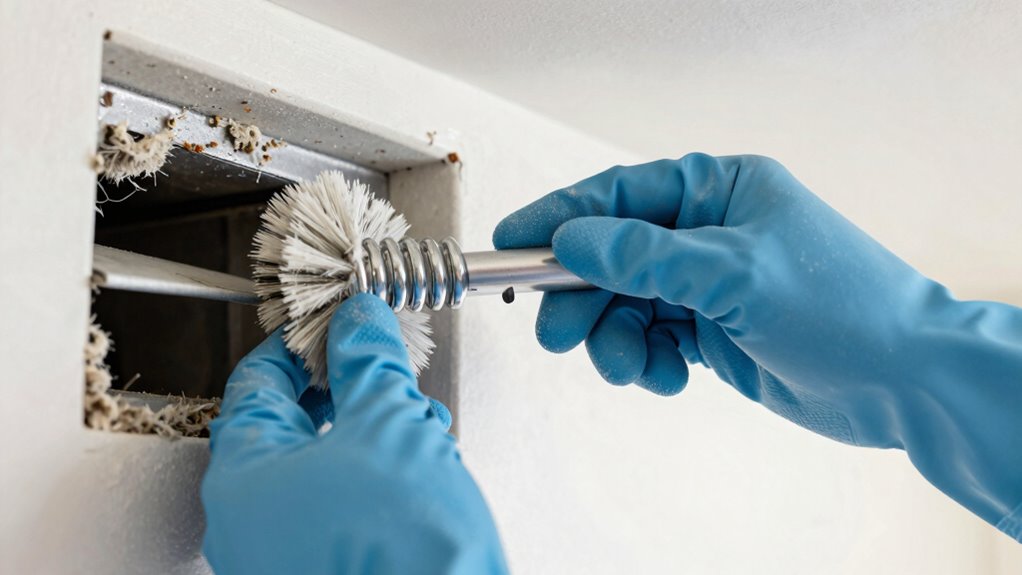
Dryer vent safety is essential because neglecting it can lead to serious hazards in your home. A clogged or dirty vent increases the risk of a fire hazard, as lint buildup is highly combustible. When your dryer’s ventilation efficiency drops, it forces the appliance to work harder, which can cause overheating. This strain not only wastes energy but also considerably raises the chance of a fire starting inside the vent system. Regularly maintaining and cleaning your dryer vent ensures proper airflow, reducing the risk of dangerous blockages. Proper ventilation maintenance can significantly improve your dryer’s safety and performance. Keeping your vent clear helps prevent fires and keeps your dryer operating safely and efficiently. Routine inspections are also vital to identify potential issues early and prevent costly damages. Prioritizing vent safety is a simple step that protects your home and loved ones from preventable accidents. Proper maintenance is key to ensuring your dryer operates safely and efficiently over time. Additionally, staying informed about fire prevention best practices can further safeguard your household. Regularly inspecting and cleaning your vent system is an easy way to prevent fire hazards and ensure your home remains safe.
How Often Should You Clean Your Dryer Vent for Safety
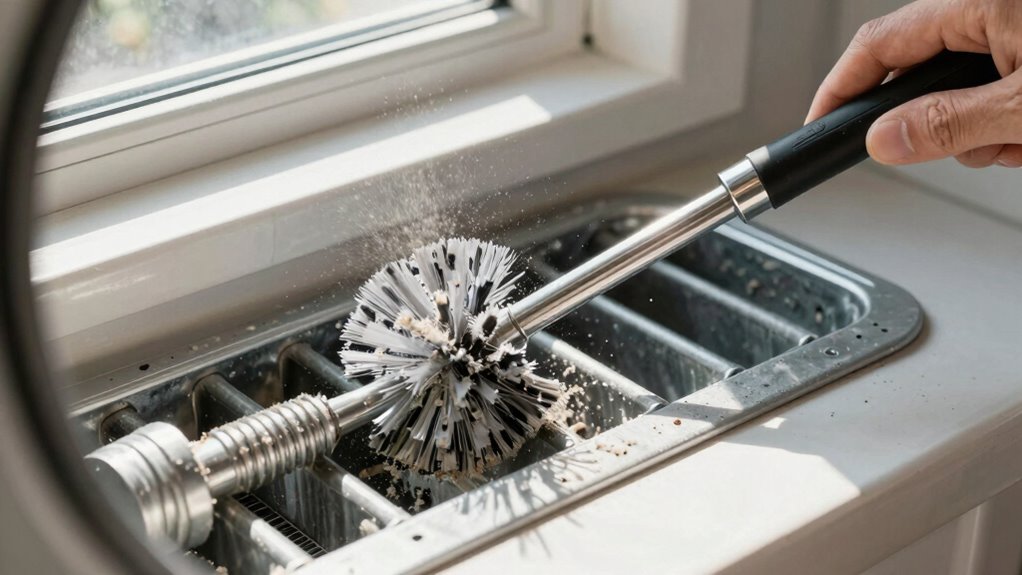
You should clean your dryer vent at least once a year, but some situations may require more frequent attention. Watch for signs like longer drying times or musty odors, which indicate it’s time to clean. Ignoring these cues can lead to safety risks like fires or carbon monoxide buildup.
Recommended Cleaning Frequency
To maintain safety and prevent fire hazards, it is essential to clean your dryer vent regularly. Typically, you should clean your dryer vent at least once a year to reduce lint buildup and prevent vent obstructions. If you do heavy laundry or have a long vent route, consider cleaning it every six months. Neglecting this schedule allows lint and debris to accumulate, increasing the risk of fires and decreasing dryer efficiency. Regular maintenance not only keeps your home safe but also extends your dryer’s lifespan. Remember, cleaner vents mean safer, more efficient drying and a lower fire risk. Additionally, cleaning schedule helps you stay on top of maintenance and avoid costly repairs. Regular inspections can help identify potential hazards early before they lead to serious safety issues. Creating a maintenance routine ensures that your dryer vent remains clear and safe over time. Staying informed about vent cleaning techniques can also improve the effectiveness of your efforts. Moreover, understanding the importance of lint buildup prevention can help you implement better cleaning practices and further reduce fire risks.
Signs You Need Cleaning
Regularly cleaning your dryer vent is essential, but sometimes signs indicate it’s overdue for attention. If you notice your dryer takes longer to dry clothes or feels unusually hot, it could be due to vent blockage from lint buildup. Lint accumulation significantly reduces airflow, increasing fire risk and decreasing efficiency. Reduced airflow increases fire risk and decreases efficiency. Additionally, incorporating natural filtration systems in your ventilation setup can help maintain cleaner air quality and reduce buildup. Implementing proper vent cleaning techniques can further prevent dangerous blockages and improve dryer performance.
Safety Risks of Neglect
Neglecting to clean your dryer vent can lead to serious safety hazards, including house fires and carbon monoxide buildup. When lint accumulates, fire hazards increase, putting your home at risk. The buildup can also cause your dryer to overheat, leading to potential fires. Additionally, blocked vents trap moisture and lint, releasing harmful particles into your home’s air, which pose health risks. Regular cleaning reduces these dangers, helping prevent fires and protecting your family’s health. Ensuring your dryer vent is clear is a simple, essential step in maintaining safety. Proper maintenance practices are crucial for preventing these hazards and ensuring your dryer operates safely and efficiently.
How Do I Know If My Dryer Vent Is Clogged? Signs to Watch For

A clogged dryer vent can be easily overlooked until it causes a noticeable problem. One of the first signs is lint accumulation around your dryer or on your laundry. If you notice your clothes taking longer to dry or feeling hotter than usual, airflow restriction might be the culprit. You may also hear a loud or unusual noise during operation, or your dryer may shake excessively. Additionally, if your laundry feels damp even after drying, it indicates poor airflow. Over time, these signs point to a blocked vent, which can cause overheating and increase fire risk. Regularly checking for lint buildup and paying attention to changes in drying performance help you catch problems early before they turn dangerous. Proper vent maintenance in high-traffic areas is essential to prevent such hazards, especially since lint accumulation is a common cause of dryer fires. Incorporating routine dryer vent cleaning can significantly reduce the risk of fire caused by accumulated lint and debris, which is why understanding fire prevention measures is crucial. Additionally, being aware of airflow restrictions can help you identify issues before they escalate into dangerous situations.
How to Clean Your Dryer Vent in Easy Steps
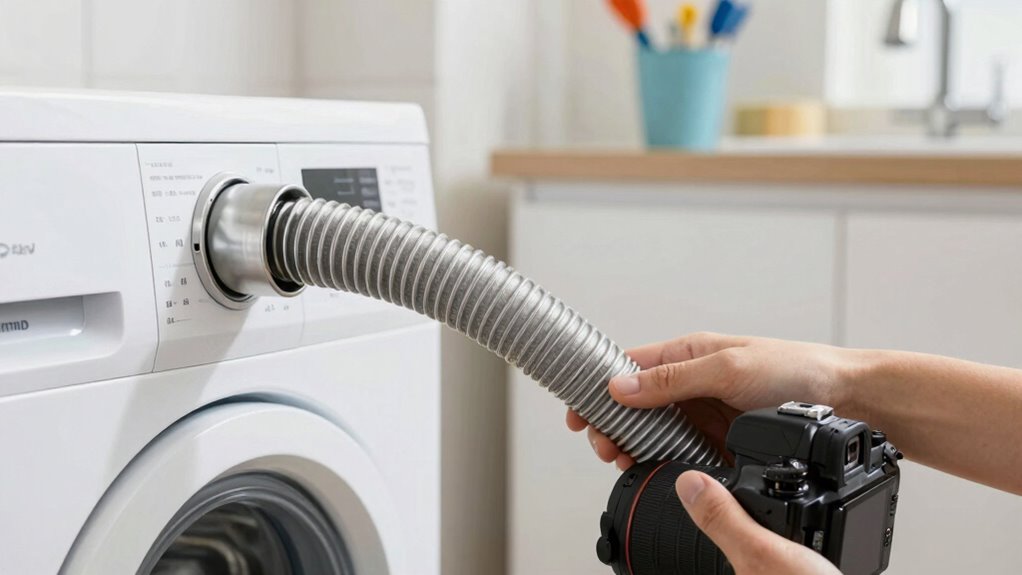
Cleaning your dryer vent is a straightforward process that helps prevent buildup and guarantees safe operation. First, unplug your dryer and pull it away from the wall. Next, locate the vent duct and remove the cover. Then, follow these steps:
- Use a vent brush or dryer vent cleaning kit to dislodge lint accumulation inside the duct, imagining the lint loosening and falling away.
- Clear any vent obstruction by gently pushing out debris or buildup blocking airflow.
- Vacuum the vent opening thoroughly to remove loose lint and dust.
- Regular maintenance is essential, as dryer vent safety depends on consistent cleaning schedules to prevent fires. Incorporating seasonally scheduled cleanings can further enhance vent efficiency and reduce fire risks. Additionally, understanding genuine safety measures can help homeowners implement proper precautions for optimal dryer operation. Recognizing the importance of preventive maintenance can lead to safer and more reliable appliance performance, especially when combined with eco-friendly disposal tips for outdated or damaged components.
Tips to Keep Your Dryer Vent Safe and Clear

To keep your dryer vent safe and clear, regular inspections are essential. Check for lint buildup inside the vent and around the vent cap, as accumulated lint can cause vent blockage. After each laundry cycle, remove lint from the lint trap thoroughly, but don’t forget to inspect the vent hose for any obstructions. Make sure the vent pathway remains unobstructed by disconnecting and cleaning it periodically. Keep trees and debris away from the vent opening to prevent outside blockages. Using a dryer vent brush or vacuum can help remove stubborn lint and debris. Remember, a clear vent not only improves dryer efficiency but also markedly reduces fire risk caused by vent blockage. Regular maintenance keeps your home safe and your dryer working at its best. Incorporating vent cleaning routines can further prevent hazards and ensure optimal performance. Scheduling professional inspections periodically can also help identify potential issues before they become serious problems.
Common Dryer Vent Cleaning Mistakes That Can Cause Fires
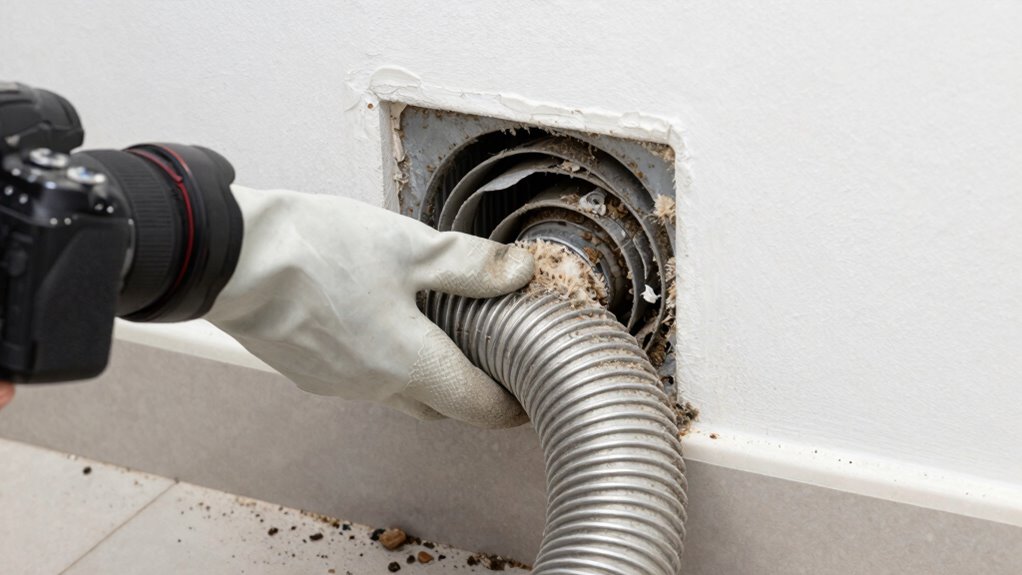
One common mistake is not cleaning your vent thoroughly enough, which allows lint buildup to ignite. Using the wrong tools can also leave debris behind or damage the vent, increasing fire risk. To keep your dryer safe, make sure you’re cleaning properly and with the right equipment.
Inadequate Vent Cleaning
Failing to thoroughly clean your dryer vent can considerably increase the risk of a fire. When you neglect proper cleaning, vent blockage and lint accumulation build up, creating a dangerous environment. Imagine:
- A thick layer of lint lining the vent walls, reducing airflow.
- Small debris and lint clogs blocking the vent opening.
- Over time, heat from the dryer intensifies, igniting the trapped lint.
These issues hinder proper ventilation, causing the dryer to overheat and increasing the fire risk. Inadequate cleaning leaves lint behind in hidden spots, making it easier for fires to start unnoticed. Regular, thorough cleaning prevents these hazards, ensuring your dryer vents stay clear and safe. Ignoring this step is a common mistake that can have devastating consequences.
Using Wrong Equipment
Using the wrong equipment during vent cleaning can do more harm than good, increasing the risk of fire instead of preventing it. Incorrect tools, like a flimsy brush or a vacuum not designed for vent cleaning, may fail to remove lint effectively. You might also use improper techniques, such as pushing debris further into the duct or damaging the vent walls. These mistakes can lead to blockages or tears that trap lint and restrict airflow, creating a fire hazard. Avoid shortcuts by investing in the proper equipment, like a vent brush designed for dryer ducts and a HEPA vacuum attachment. Using the right tools and techniques guarantees you remove buildup safely and thoroughly, reducing the chance of dangerous lint accumulation and potential fires.
When to Call a Professional Dryer Vent Cleaning Service
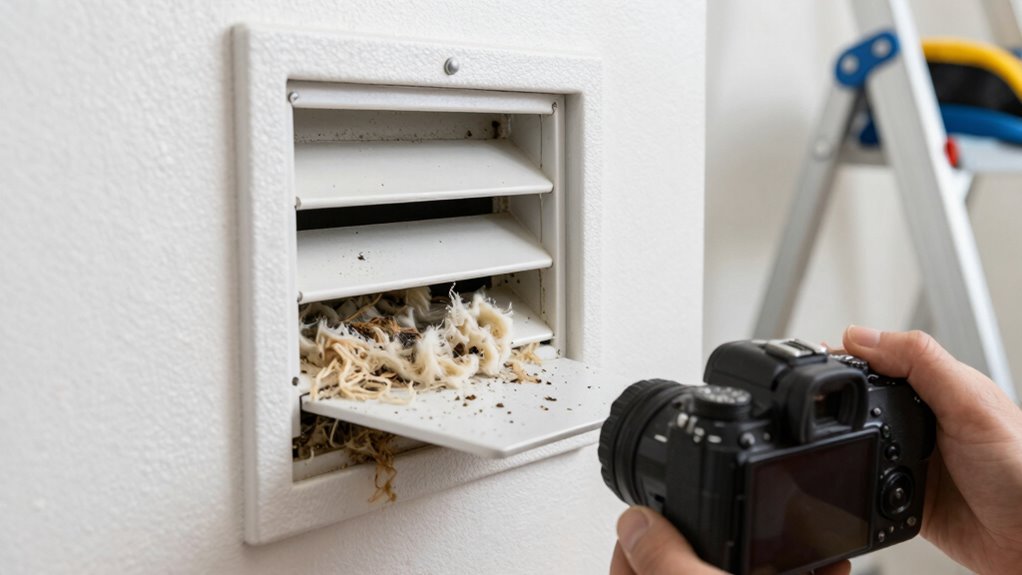
You should call a professional dryer vent cleaning service whenever you notice signs of a problem, such as your laundry taking longer to dry, a burning smell during operation, or if the vent feels hot to the touch. While DIY tips and understanding vent types can help maintain your system, some issues require expert help. Imagine these scenarios:
- The vent is clogged with lint, reducing airflow.
- You notice excessive heat or moisture around the vent opening.
- Your dryer is overheating or shutting off prematurely.
Professional cleaners use specialized tools to thoroughly clear vents, especially those with complex vent types like rigid or flexible hoses. Knowing when to seek help guarantees safety and prevents potential fire hazards.
Frequently Asked Questions
Can Dryer Vent Blockages Cause Increased Energy Bills?
Yes, a vent blockage can definitely cause increased energy bills. When your dryer vent is clogged, it forces your dryer to work harder to dry clothes, which consumes more energy. This reduced energy efficiency means you’ll see higher utility costs over time. Regularly cleaning your vent ensures proper airflow, helping your dryer operate efficiently and saving you money on energy bills.
What Materials Are Best for DIY Dryer Vent Cleaning?
Think of your dryer vent as a garden hose that needs careful pruning. You should use brush tools specifically designed for vent cleaning and pair them with vacuum attachments to suck up lint and debris. These materials are gentle yet effective, making your cleaning safer and more thorough. Avoid harsh chemicals or makeshift tools, as they can damage your vent and increase fire risk. Stay safe and keep your dryer running smoothly!
How Long Does a Professional Dryer Vent Cleaning Typically Take?
A professional dryer vent cleaning usually takes about 60 to 90 minutes. During this service, they’ll follow an inspection checklist to identify any issues and use specialized cleaning tools to thoroughly clear out lint and debris. You can expect them to inspect the vent system, clean the ductwork, and guarantee everything operates safely. Scheduling this maintenance regularly helps prevent fires and keeps your dryer running efficiently.
Are There Specific Signs of Mold or Mildew in the Vent System?
If you notice a mildew smell or see mold growth around your dryer vent, don’t ignore these clues—they’re your warning signals. Mold and mildew can thrive in damp, poorly ventilated systems, risking health and fire hazards. Look for visible mold, a persistent musty odor, or wet, discolored spots. Regular inspections and cleaning can help prevent these issues, keeping your home safe and your dryer running efficiently.
How Can I Prevent Pests From Nesting in My Dryer Vent?
To prevent pests from nesting in your dryer vent, focus on pest prevention by installing vent screens or covers with fine mesh to keep insects and rodents out. guarantee your vent is properly sealed with vent sealing to eliminate entry points. Regularly inspect and clean your vent system to spot any pest activity early, and keep the surrounding area clear of debris or potential nesting materials that attract pests.
Conclusion
Regularly cleaning your dryer vent is essential—did you know it can reduce fire risk by up to 80%? Staying on top of your cleaning schedule not only keeps your home safe but also improves your dryer’s efficiency. Don’t ignore the signs of a clogged vent, and when in doubt, call a professional. Taking these steps guarantees your laundry routine remains safe and stress-free, protecting your home and loved ones.