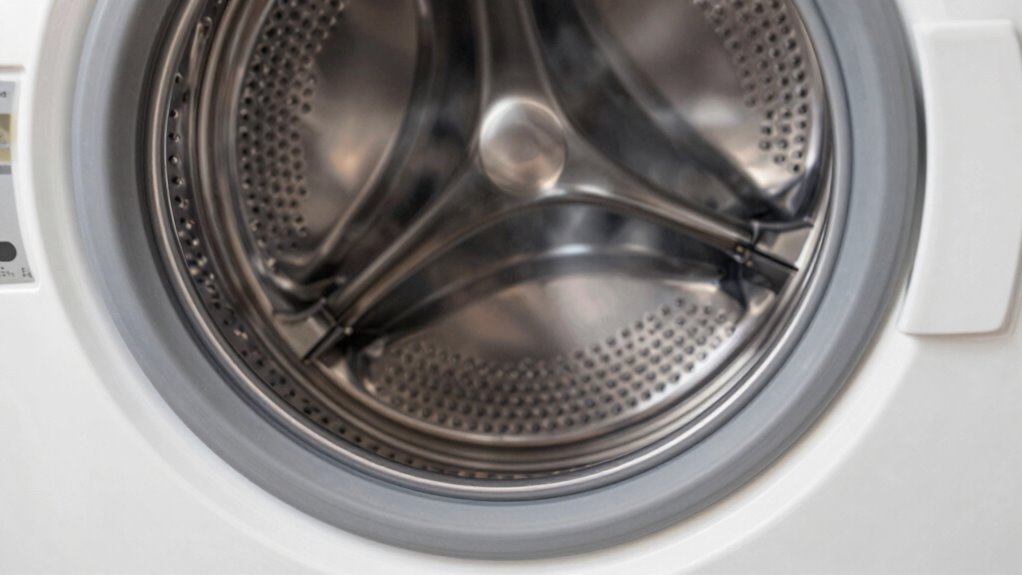

When you see “4.5 cu ft” on a washer, it tells you the drum’s capacity in cubic feet, meaning it can hold roughly 4.5 cubic feet of laundry. This helps you decide if the washer suits your household’s needs—bigger loads and bulky items fit comfortably, saving time and energy. Understanding these specs makes choosing a washer easier, and if you keep exploring, you’ll get even better at matching options to your laundry habits.

Get the little things that make your day delivered free with Prime
- Fast, free delivery on millions of items
- Prime Video, Amazon Music and more included
- Member-only deals all year
Key Takeaways
- “4.5 Cu Ft” indicates the washer’s drum capacity, meaning it can hold approximately 4.5 cubic feet of laundry.
- Larger capacity washers can handle bigger loads, saving time and energy during laundry cycles.
- Capacity in cubic feet correlates with the volume of laundry the machine can accommodate per load.
- Understanding capacity helps prevent overloading or underusing the washer, ensuring optimal performance.
- The specific capacity size guides you in choosing a washer suitable for your household’s laundry needs.
As an affiliate, we earn on qualifying purchases.
Understanding Washer Capacity: What It Means for Your Laundry

Understanding washer capacity is essential because it directly affects how much laundry you can wash in a single load. A larger capacity means you can handle bigger loads, saving you time and energy. It also influences detergent efficiency; with a bigger drum, you might need more detergent, but overloading can reduce cleaning effectiveness. Additionally, capacity impacts noise levels—larger washers often operate more smoothly and quietly, especially during full loads. Knowing your washer’s capacity helps you optimize each cycle, ensuring you don’t overload or underuse it. This capacity knowledge allows you to select the right size washer for your needs, maximizing efficiency and longevity. Properly understanding Free Floating features can also impact how your washer performs and maintains balance during cycles. This balance improves cleaning results and extends the appliance’s lifespan. Being aware of washer capacity also helps prevent damage to your clothing and appliance by avoiding overloading. When choosing a washer, considering drum size can help you match your laundry needs more precisely. Whether you prefer a compact or a larger model, understanding what capacity means for your laundry habits ensures you get the best performance and efficiency out of your washer. Recognizing how load size correlates with capacity is key to avoiding common washing mishaps and ensuring optimal cleaning.
How Washer Capacity Affects Your Laundry Routine

Your laundry routine is directly influenced by the capacity of your washer, as it determines how much you can wash in a single load. A larger capacity allows you to wash bigger loads, saving time and reducing the number of cycles needed. This can improve detergent efficiency, since you can use the right amount of detergent for larger loads rather than overusing it. However, bigger washers may produce higher noise levels, which could be disruptive if your laundry area is near living spaces. Conversely, smaller washers are quieter but may require more loads to clean the same amount of laundry, increasing overall wash time. Understanding how capacity impacts your routine helps you balance efficiency, noise considerations, and the convenience of fewer loads. Additionally, being aware of performance metrics can help you choose the most suitable washer for your needs, ensuring you get the best capacity-to-performance ratio. Recognizing the washer size standards can also assist in selecting a model that fits your available space and laundry demands. A clear understanding of washer capacity measurement can further help you make informed decisions when shopping for a new appliance. Moreover, considering capacity classification can guide you in choosing a washer that aligns with your laundry habits and household size.
Choosing the Right Washer Size for Your Household
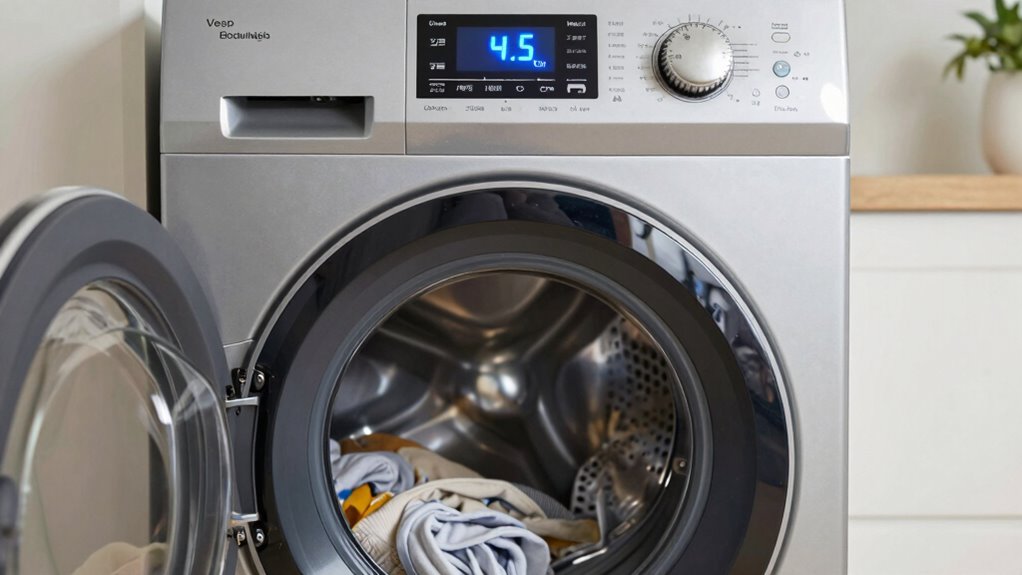
Choosing the right washer size depends on your household’s laundry habits and space constraints. If you often wash large loads, a bigger capacity (around 4.5 to 5.0 cu ft) helps save time and energy. For small households, a compact washer with a smaller capacity works well and fits limited space. Consider the types of detergent you prefer; some high-efficiency detergents work best with larger, energy-efficient washers that use less water and power. Opting for an energy-efficient model not only reduces your utility bills but also minimizes environmental impact. Additionally, understanding washer capacity helps you select a machine that aligns with your laundry needs without over- or under-sizing. Being aware of whole-home water system efficiency can further enhance your overall household water management. Selecting a model with long-term durability can also provide peace of mind and reduce replacement costs over time. Balancing your laundry volume with available space and your needs is essential to maximize convenience and efficiency. This way, you’ll avoid over- or under-sizing, ensuring your laundry routine remains smooth.
Different Capacity Units and Key Washer Features

Washers come in various capacity units, primarily measured in cubic feet, which indicate how much laundry they can hold per load. The key component affecting load capacity is the washer drum, which determines how much you can wash at once. Larger drums mean higher load capacity, making it easier to handle bulky items like comforters or multiple towels. Some washers feature a specific drum design that maximizes space efficiency while maintaining gentle washing action. Keep in mind that capacity isn’t just about size; features like spin speed, wash cycles, and energy efficiency also matter. A larger capacity washer with advanced features can save you time and energy, but it’s essential to match the drum size to your laundry needs to avoid overloading or underusing your appliance. Proper washer maintenance can also help prolong the lifespan of your machine and ensure optimal performance. Additionally, understanding capacity units can help you compare different models more effectively and choose the right fit for your household. Knowing how to interpret capacity specifications can also assist in selecting the most suitable washer for your laundry habits. Being aware of capacity limitations can prevent potential damage to your washer and improve its efficiency over time. Understanding the load size recommendations from the manufacturer can further optimize your washing routine and protect your appliance.
How to Determine the Best Washer Capacity for Your Needs
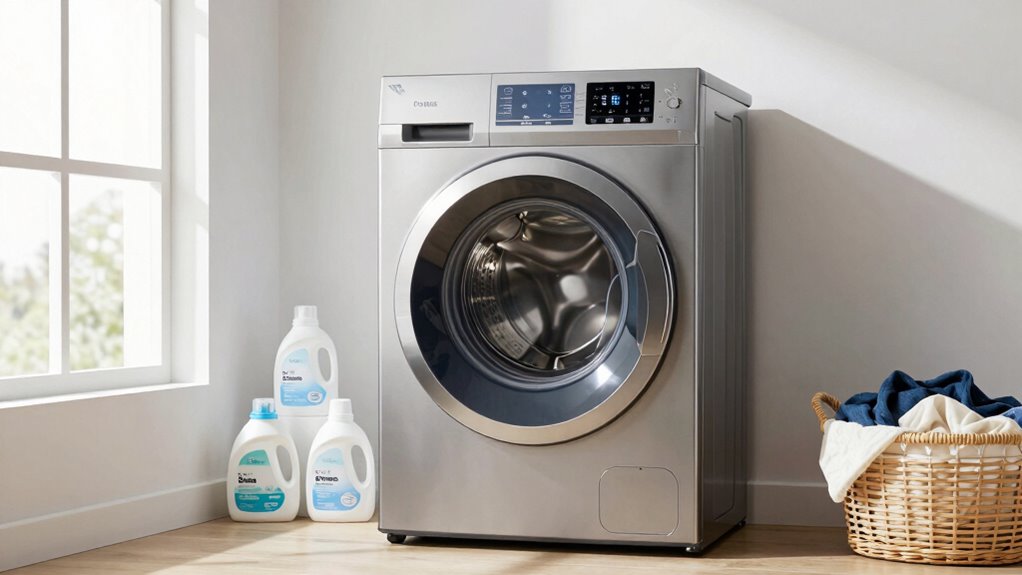
To find the right washer capacity, consider how much laundry you typically handle in a week and the types of items you wash most often. If you frequently wash large loads or bulky items like comforters, opt for a higher capacity, which can improve detergent efficiency and reduce the number of loads. For smaller households or light laundry, a smaller washer helps save energy consumption without sacrificing cleaning power. Think about your routine: do you prefer washing fewer, larger loads or more frequent smaller ones? Larger capacity washers tend to use more water and energy per cycle but can be more efficient overall if you often do big loads. Matching your needs ensures ideal performance, saves resources, and keeps your detergent use efficient. Additionally, understanding the fundamentals of ergonomics and layout can help you set up your laundry space for comfort and efficiency.
Frequently Asked Questions
How Accurate Are Washer Capacity Measurements Across Different Brands?
You can generally trust washer capacity measurements, but keep in mind that measurement consistency varies across brands. Brand variability can affect how capacity is calculated, so two models with the same listed size might handle different loads. It’s wise to check user reviews and specifications, especially if you need a washer for large or bulky items. This way, you get a clearer idea of what the capacity truly means for your laundry needs.
Can a Larger Capacity Washer Save Energy Compared to Smaller Ones?
A larger capacity washer can save energy by improving load management, allowing you to wash bigger loads in fewer cycles. This boosts energy efficiency since you’re not running multiple smaller loads. However, if you fill a large washer with small loads, it squanders energy. To maximize savings, use the appropriate size for your typical laundry volume. Proper load management ensures energy efficiency regardless of washer capacity.
What Maintenance Is Required to Keep a Washer’s Capacity Optimal?
To keep your washer’s capacity ideal, you should choose the right detergent and avoid overloading it. Use high-efficiency detergent to prevent buildup and guarantee thorough cleaning. Additionally, cycle optimization helps maintain capacity by selecting appropriate wash settings for different loads. Regularly clean the lint filter and drum, and check hoses for wear. These steps help your washer run efficiently and maximize its capacity over time.
Does Capacity Impact the Longevity of a Washing Machine?
Did you know that improper use can reduce a washer’s lifespan by up to 20%? Capacity does impact longevity; overloading causes capacity wear, straining parts and accelerating breakdowns. Using your washer within its capacity helps maintain ideal performance and prolongs its lifespan. So, always load correctly to prevent unnecessary wear, ensuring your machine runs smoothly for years to come. Proper use is key to maximizing your washer’s durability.
Are There Any Safety Considerations Related to Larger Capacity Washers?
Larger capacity washers can pose safety risks if you overfill them, leading to overloading hazards that strain the motor and drum. Always follow manufacturer guidelines to prevent damage and guarantee safety. Additionally, check electrical safety by avoiding extension cords and ensuring proper grounding. Overloading can cause leaks or malfunctions, so load your laundry correctly to protect both your washer and your safety.
Conclusion
Knowing what “4.5 cu ft” really means helps you make smarter laundry choices. By understanding capacity, you can pick a washer that fits your needs and saves you time and energy. Remember, “A stitch in time saves nine”—choosing the right size now prevents future laundry headaches. So, measure your household’s laundry habits, compare capacities, and select wisely. Your laundry day will be smoother and more efficient with the right washer by your side.
Halloween Picks
halloween
As an affiliate, we earn on qualifying purchases.